In this article
View 3 More +An Australian Shepherd (also known as an Aussie) is a medium-sized herding dog breed. They are intelligent, active, and athletic pups that thrive on getting mental and physical stimulation. As such, Australian Shepherds need at least 1–2 hours of exercise each day to stay happy and healthy.
These lovely dogs were developed in the U.S.A. to work on ranches, which means they have plenty of stamina and energy, as well as strong instincts to chase, keen intelligence, and a great desire to please their owners. So, whether you’ve just brought your new four-legged friend home from the breeder or want to help keep them in top condition, read on to learn precisely how much exercise an Australian Shepherd needs throughout their lifetime.

How Much Exercise Does an Australian Shepherd Need?
An Australian Shepherd needs a regular exercise schedule to keep them balanced and happy. Depending on your living situation, this may include indoor and outdoor activities. An Aussie puppy can start with a walk-and-play routine that gradually increases as they grow. This helps them learn how to walk on a leash without pulling and get used to being around different sounds, smells, and other people and dogs while they’re young.
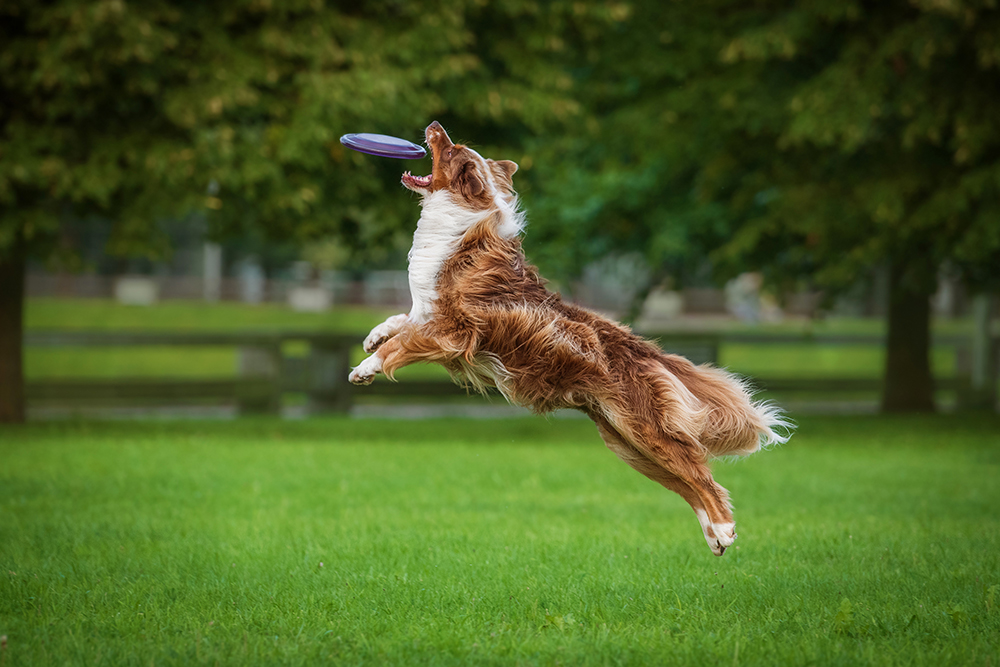
An adult Aussie needs to get their daily exercise in a few different ways. They need to walk and play for a minimum of an hour a day. This keeps them healthy and fit while helping them burn off some of their high energy. They also need plenty of time to play fetch or even go for long jogs with a backpack for extra weight to improve their muscle tone. An adult Aussie may also enjoy a few different types of group or individual training routines. This can include learning tricks, going on hikes, and participating in dog sports like agility, flyball, or obedience training classes.
Aussie Puppy Exercise Requirements
Aussie puppies need enough space to grow and explore, as well as plenty of exercise. As a rule of thumb, you can walk your puppy for about 5 minutes for every month of age. So, an 8-week-old puppy should not walk more than 10 minutes a day. Start with a mix of indoor and outdoor activities, and increase things as they grow and develop.
Don’t take a puppy on long-distance runs until they are at least 12 to 15 months old. Their bones and muscles must be fully developed before they do long, intense, continuous activities to avoid joint problems.
That doesn’t mean your furry friend won’t be running around all day once they’re around 6 months old, but you shouldn’t push them too hard until they are fully grown.
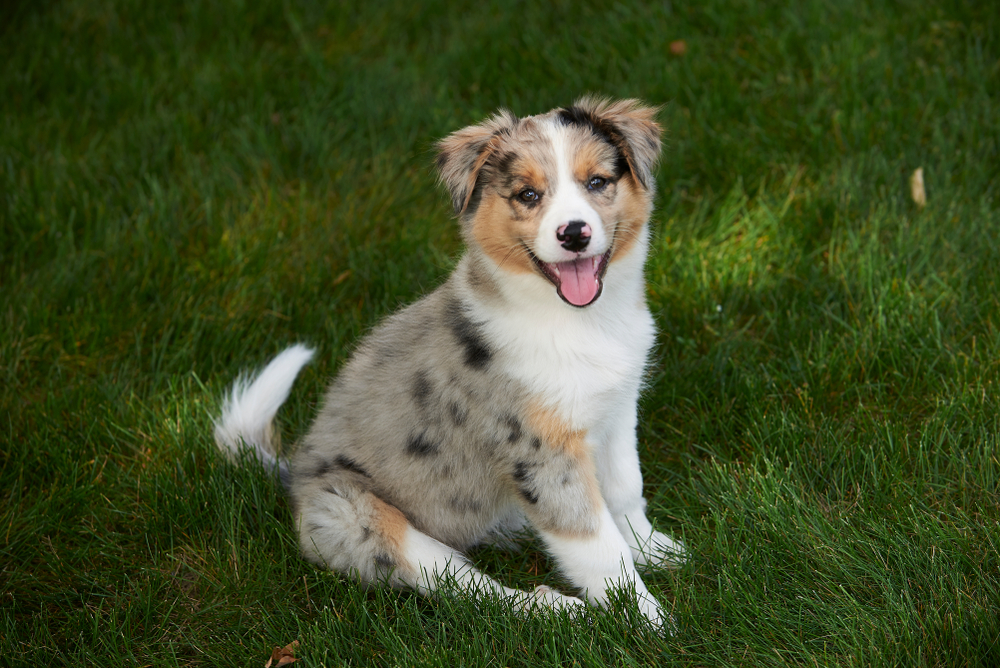
Adult Australian Shepherd Exercise Requirements
An adult Australian Shepherd needs about an hour or two of exercise every day. This can include vigorous dog sports or hikes, a walk or jog around the neighborhood, long-distance hikes, and fetch. An Aussie should also have access to a fenced yard where they can play fetch and run freely. If you don’t have one, you can take your dog out on an extended leashed walk or jog.
Also, Aussies love spending time with their family more than anything. It’s better if they have long periods of exercise with you, rather than just hanging out at the dog park. Long walks at least once a day, a play session, and free time in the yard are great starting points. If you have a competitive streak, you and your Aussie might want to participate in fun dog sports together.

Australian Shepherd Training
Australian Shepherds are smart and driven dogs that respond easily to training. Set up daily training sessions to stimulate their curiosity and keep their mind and bodies engaged. These training sessions are also a great way to deepen your bond with your pup.

Why Is Exercise So Important for Australian Shepherds?
It’s the single most important thing that you can do for your beloved companion. Exercise helps your dog’s blood flow, metabolism, and heart health. It also helps prevent common health issues like obesity, diabetes, boredom-induced behavioral issues, and joint injuries. If you don’t exercise your dog, these are things that you might be dealing with sooner than you’d like. Indeed, Aussies are designed to run, jump, and play. If left alone without enough exercise, they will get bored, and boredom can lead to destructive behaviors, like chewing and barking.

Top 4 Tips for Keeping Your Australian Shepherd Healthy and Safe
Here are a few useful tips for keeping your Australian Shepherd safe during exercise.
1. Always Watch Your Aussie Closely
Any time you exercise your Australian Shepherd, you should be careful to keep a close eye on them. Whether you are running your Aussie on the trail or taking them for a walk around the neighborhood, you should always be aware of the environment. When on the trail, keep an eye out for other runners and cyclists. Also, don’t let your pup get too tired during exercise. If your Aussie is panting heavily and appears fatigued, you should head home. Exercising your pet when they are too tired can be just as harmful as exercising them when they are too young.
2. Watch Out for Heatstroke
Australian Shepherds are hard-working dogs and are capable of long periods of exercise. However, it’s important not to overdo it with your Aussie, especially in hot weather. Periods of intense exercise when the temperature is high can lead to heatstroke in your dog, which can be life-threatening.
3. Provide Plenty of Fresh Water
If you are exercising your Aussie outdoors, you need to have fresh water available for them to avoid dehydration. They should also have access to plenty of shade at all times.
4. Don’t Let Your Aussie Jump from High Places
This is especially true if your Aussie is still a puppy. If you are letting your Australian Shepherd jump from high places, they could easily injure themselves, which could lead to long-term mobility issues.

Final Thoughts
The more active your Aussie is, the happier they will be. Fortunately, keeping your dog fit and healthy isn’t rocket science, and there are many fun ways to exercise them.
Whether you prefer walking, hiking, jogging, swimming, or something else, it doesn’t matter as long as you get your Aussie moving for at least an hour or two a day. Keep in mind that if you don’t provide your brilliant pup with different options to burn off their energy, they’ll find ways to do it that you might not like!
Featured Image Credit: Christian Mueller, Shutterstock