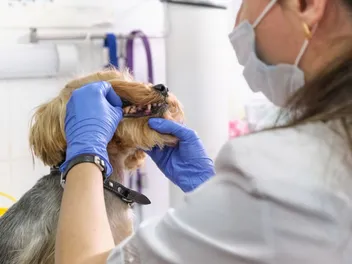
How Do Shih Tzus Teethe? Vet-Verified Timelines



In this article
The Shih Tzu is an old breed that originally hails from Tibet. Also known as Chrysanthemum Dogs or Little Lion Dogs, this special breed goes through the same stages of teething as other dogs. However, due to the shape of the Shih Tzu's face, they often have problems teething that some other breeds are less prone to.
Like other dogs, Shih Tzus teethe in several stages. From the first teeth that emerge when the pups are only a few weeks old, they will grow in (and subsequently lose) their teeth until the last permanent molars grow in when they're around 6 months of age.

Shih Tzu Teething Timeline: From Stage One to Stage Five
Stage One: 2 to 4 Weeks Old
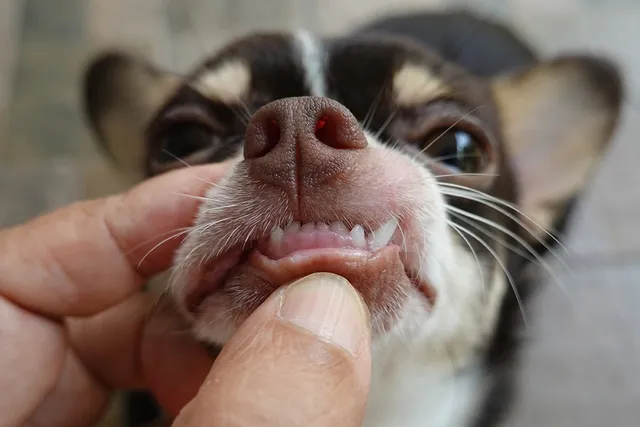
When a Shih Tzu puppy is only 2 weeks old, they're still dependent on their mother. They're not yet weaned, so they will still drink her milk, and their eyes will be closed. Even at this young age, the puppy's teeth will erupt from their gums. Between 2 and 4 weeks, a puppy's first teeth (their deciduous teeth) will begin to come through, starting with the incisors at around 3 weeks and then the canines at approximately 3 to 4 weeks.
Stage Two: 5 to 6 Weeks Old
The last teeth to come through are the premolars, which appear when Shih Tzu puppies turn 6 weeks old. In total, a puppy of this age will have around 28 teeth. These first deciduous teeth are pointed and sharp (why they're sometimes referred to as "needle teeth"), and they enable the Shih Tzu to begin weaning onto soft puppy food. Puppies get molars once they grow in their adult set of teeth, at around 12 to 16 weeks old.

Stage Three: 8 to 12 Weeks Old
When a Shih Tzu puppy is rehomed to their new owners at around 8 weeks old, they should have a full complement of puppy teeth to explore their new world. Like all other puppies, Shih Tzus love to chew and will spend a reasonable amount of time learning and exploring with their mouths. Then, at around 12 weeks of age, their deciduous teeth will begin to fall out and make room for their final adult set of teeth to emerge.
Stage Four: 12 to 16 Weeks Old
Owners of Shih Tzu puppies of around this age may start to find tiny rice-sized teeth on the ground or stuck in toys. These are the Shih Tzu's deciduous teeth that fall out to make room for their adult teeth. This is the hardest stage for puppies and owners, as the new teeth can cause discomfort and pain when they break through the gums.
You might see pink-tinged drool or blood in your Shih Tzu's mouth when they teethe. This is usually normal if it's minimal, but if you're ever concerned or there's more than a small amount of blood, contact your vet for advice. Shih Tzus might not lose all their deciduous teeth when their adult teeth come in, a problem known as having retained deciduous teeth.
Stage Five: 6 Months and Older
By 7 months, a Shih Tzu will have all of their adult teeth. Their molars will be grown in, and any deciduous teeth should be shed. The teething process is complete in Shih Tzus at around this age, but sometimes the last few teeth can take a couple of months to emerge fully. Dogs have around 42 teeth altogether, but Shih Tzu owners may notice additional teeth (or other teething problems) during the process.

Frequently Asked Questions
Do Shih Tzus Have Problems Teething?
Shih Tzus are more prone to problems with teething and their teeth due to the shape of their faces and skulls. Shih Tzus are brachycephalic dogs, meaning their muzzles are flattened and shorter than those of other breeds. A Shih Tzu's mouth is also small, but they have just as many teeth as other breeds. Overcrowding, or more teeth than can comfortably fit in the mouth, can occur, though. It can cause eating problems and tooth decay caused by food caught between the teeth, which brushing can't remove.
Shih Tzus can also suffer from retained deciduous teeth. Sometimes, a baby tooth won't fall out and will remain in the mouth. The most common cause of retained deciduous teeth is overcrowding. The adult teeth are grown along the wrong path (where they should have pushed the baby teeth out) and erupt next to the baby tooth. Retained deciduous teeth don't usually cause pain but can be uncomfortable and trap food, leading to tooth decay.

How Can I Tell If My Shih Tzu Is Teething?
You can tell your Shih Tzu is teething if they bite everything! Teething is uncomfortable, so puppies bite and chew to relieve their discomfort. It's normal puppy behavior, and chewing is an integral part of a puppy's development as they explore the world. Your Shih Tzu may paw at their mouth occasionally, and they may drool. Providing your Shih Tzu with a puppy-friendly chew toy can help them and save your furniture from total destruction!
How Do I Keep My Shih Tzu's Teeth Healthy?
Maintaining your Shih Tzu’s dental health is vital to their overall health. Getting your puppy used to having their teeth brushed will help keep their teeth and mouth clean and free from decay, preventing the need for dental treatment in the future.
If your Shih Tzu has any overcrowding or retained deciduous teeth, they should be checked out by your vet. Usually, overcrowding and retained baby teeth don't cause many problems at first, and treatment can wait until your pup is older. The veterinary surgeon commonly removes deciduous teeth during a dog's spay or neuter procedure while they're already under anesthetic.
Dry food diets can help keep teeth clean due to the crunchy, hard texture of the kibble. In addition, dry food can scrape leftover food and plaque off of the teeth, but your Shih Tzu will still need regular teeth cleaning even with a dry food diet.
Make sure you use toothpaste specifically for dogs. Human toothpaste is unsafe for dogs and can contain toxic ingredients like xylitol, which is very dangerous for dogs to ingest. Plus, doggy toothpaste is often flavored with tempting bacon or cheese flavors, which makes brushing more of a treat!


Conclusion
The Shih Tzu undergoes the same teething process as other breeds. They teethe in stages, starting with razor-sharp puppy teeth at 2 weeks and ending with a full complement of adult teeth at 6–7 months old. Shih Tzus can suffer from teething problems due to the shape of their skulls, such as retained baby teeth and overcrowding. However, these problems are usually rectified when the dog is spayed or neutered and often don't cause any issues.
Featured Image Credit: Elena Rozhenok, Shutterstock
Expert dog care, straight to your inbox
News, insights, expert advice, and everything dog.

No spam — unsubscribe anytime.
By signing up, you agree to our Terms & Conditions and Privacy & Cookies Policy.
How useful was this post?
Click a star to rate. You can leave written feedback afterwards. (We read all feedback.)
Beth is a mom to two kids: one with four legs, one with two. Beth has years of practical experience as a veterinary care assistant , working in both the consult and in operating room, expanding her knowledge to gain certification in her favorite subject: feline behavior and welfare! When she's not writing about her favorite topics (cats and creature comforts), she's looking after her daughter and her mischievous Nebelung, Kiba. When she gets a moment to herself, Beth loves to delve into fiction books. Horror is her favorite genre, with fantasy and rich history being her second go-to's.