
Is a Foxtail in My Dog’s Nose Making Him Sneeze? Vet-Approved Guide


In this article
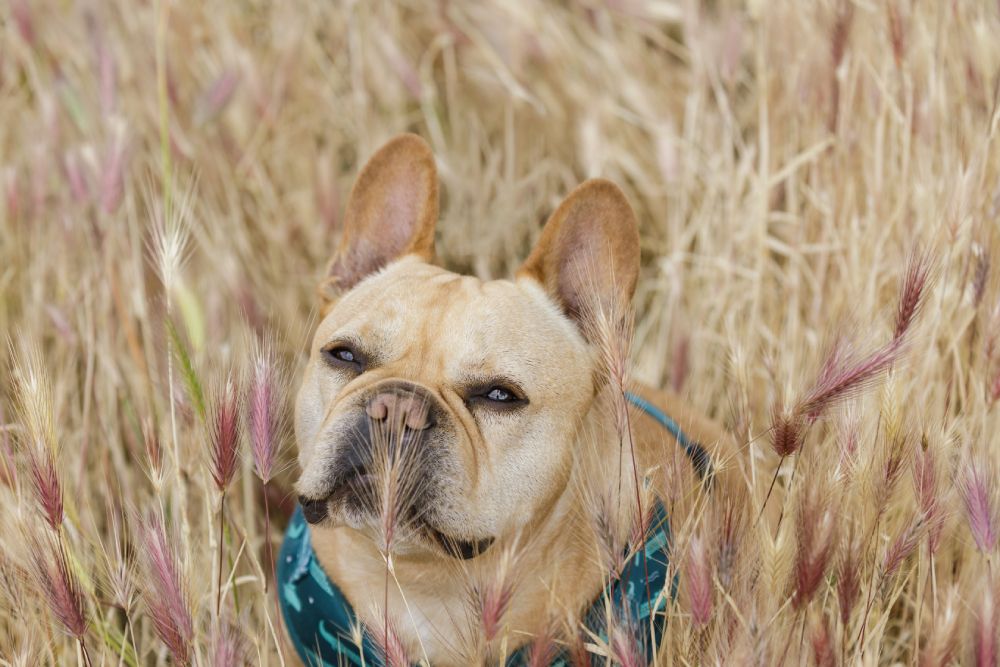
View 3 More +People who spend a lot of time outdoors with their dogs may already be familiar with foxtails, but not everyone knows about the risks of these little irritants. Foxtails are the seeds of some types of grasses. Their name comes from their fluffy ends that resemble the tails of foxes. These seeds have a nasty habit of embedding themselves into skin and mucus membranes or finding their way into a dog’s nose and ears.
The presence of a foxtail in the nose can lead to sneezing, but there are other signs that often accompany sneezing to alert you to the presence of the foxtail. If you suspect that your dog has a foxtail in their nose, you’re in the right place. Keep reading for more signs that your dog is dealing with a foxtail.

What Are the Signs of a Foxtail in the Nose?
Dogs that spend a lot of time in grasses with foxtail seeds may accidentally inhale these seeds into their nose while sniffing or running through the grass. During the summer, these seeds have typically hardened, making them a greater risk, but foxtails can get lodged in your dog’s nose any time of the year.
When foxtails get into the nasal passages, sneezing is likely to be one of the main signs. However, you will also likely see your dog snorting, shaking their head, pawing at their nose and face, gagging, and having nasal discharge. Nasal discharge from the presence of a foxtail can vary based on where the seed has become lodged and how long it has been there. Drainage may be clear, yellow, or bloody and may be from one or both nostrils.

How Are Foxtails in the Nose Diagnosed?
Oftentimes, the presence of a foxtail in the nose is able to be diagnosed by providing the vet with a list of the signs your dog has exhibited, along with a history of being in the tall grass. The vet will thoroughly examine your dog’s nasal passages for the foxtail and any signs of damage. Biopsies and blood testing may be performed to rule out other medical conditions.
Ultrasounds, X-rays, and even CT scans may be used to identify the presence of foxtails. An exploratory scope of the nasal passages may also be necessary to identify and remove it.
Consulting a veterinarian is recommended for the best course of action.
How Are Foxtails Treated?
No amount of treatment will do any good if the foxtail is not removed. Sometimes, the removal of a foxtail is relatively straightforward for a vet to perform with some tweezers, but because they tend to become lodged and migrate through body tissues, a referral to a specialist may be necessary to remove the seed. If a foxtail becomes lodged in tissues or migrates, then your dog may be susceptible to an infection.

Can Foxtails Become Lodged in Other Places?
Although it is common for foxtails to become stuck in the nose because dogs tend to sniff around, they can become lodged just about anywhere. They also frequently enter the eyes, mouth, and ears. Because of their sharp end and tendency to migrate, they can also become lodged anywhere on the body and migrate through tissues. Foxtails that have gone into the feet are quite common. If left untreated, some foxtails can migrate deep enough in the body to cause damage to vital organs, like the lungs and brain.

In Conclusion
The best thing you can do for foxtails is to prevent them. A foxtail face net is a great option for dogs that spend a lot of time in high-risk areas. Whenever possible, completely avoid areas where grasses containing foxtails grow. Even if these grasses have been mowed, the seeds may still pose a risk to your pup. Keep long hair trimmed and thoroughly examine your dog after they’ve been outdoors to make sure there aren’t any foxtails stuck on them. If you suspect your dog has a foxtail anywhere in their body and you can’t safely remove it, then they need to see a veterinarian as soon as possible. The longer a foxtail is left, the greater the risk of it migrating or infection becomes.
Sources
Featured Image Credit: yhelfman, Shutterstock
Expert dog care, straight to your inbox
News, insights, expert advice, and everything dog.

No spam — unsubscribe anytime.
By signing up, you agree to our Terms & Conditions and Privacy & Cookies Policy.
How useful was this post?
Click a star to rate. You can leave written feedback afterwards. (We read all feedback.)

Brooke Billingsley spent 9 years as a veterinary assistant before becoming a nurse in 2013. She lives in Arkansas with her boyfriend, and loves all animals; currently sharing a home with three dogs, two cats, five fish, and two snails. She has a soft spot for special needs animals and has a three-legged senior dog and an internet famous cat with acromegaly and cerebellar hypoplasia. Fish keeping has become a hobby of Brooke’s and she is continually learning how to give her aquarium pets the best life possible. Brooke enjoys gardening and keeps a vegetable garden during the summer months. She stays active with yoga and obtained her 200-hour yoga teacher certification in 2020. She hosts a podcast focusing on folklore and myth and loves spending her free time researching and writing. Brooke believes that every day is an opportunity for learning and growth and she spends time daily working toward new skills and knowledge.