Can Dogs Tell How Long You Are Gone? Vet-Reviewed Factors, Tips & FAQ


In this article
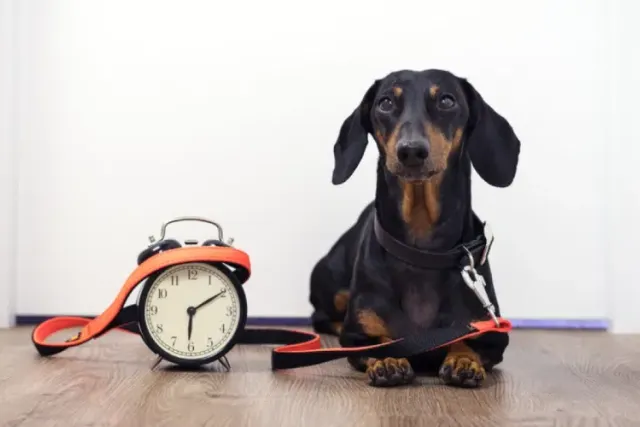
Every day, humans are bound by the concept of time. We fill our busy schedules, keep agendas, and try to be on the dot for each obligation. However, our dogs have the luxury of not having to tell time. They don’t have the same systems and therefore aren’t bothered by the turn of hands on a clock.
What is the concept of time for a dog? Do they count down the minutes until their owner returns, or do they slip into an oblivious state where they're unaware of the passing of time? These are great questions, and some that science has limited information about. While dogs don’t perceive time in the exact same way humans do, they are sensitive to patterns and cues. In this article, we’ll explore what that might mean from your dog’s perspective.

A Dog’s Concept of Time

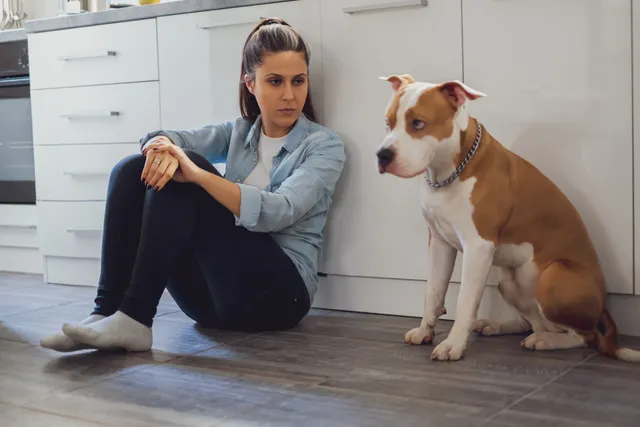
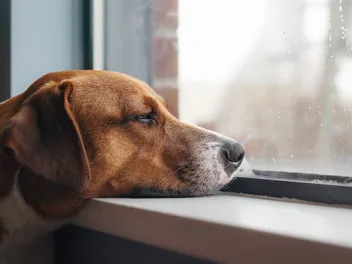
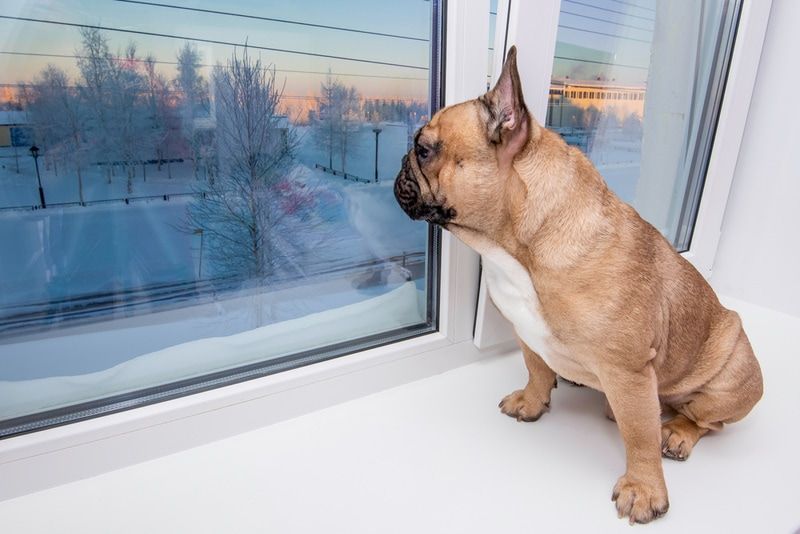
It's no secret that our puppies miss us while we're away. You come home to jumping, whimpering, tails wagging—it’s certainly obvious that they’re so happy to see you. If you work during the day, you might worry about your dog getting lonely, wondering how they're filling their time.
Dogs have a pretty primal approach to recording time. While we are bustling around on tight schedules, fulfilling demands minute-to-minute, animals just don't operate on the same wavelength.
Dogs are much more likely to recognize the passing of time based on environmental stimuli and other factors, such as the sun's location, how hungry or thirsty they are, or certain visual or auditory patterns like children playing or cars passing. Dogs have a circadian rhythm that is built in their system. However, unlike us, who count down minutes until the next event, dogs respond more passively to time.

Does a Dog Know When You’re Late?
Your dog will likely get used to the length of time you’re away for work. They will know what signs to look for to mark when you’re getting home. Some good examples of this would be noticing that it’s getting dark outside, hearing the sound of your vehicle minutes before you enter, and how bad they have to go to the bathroom.
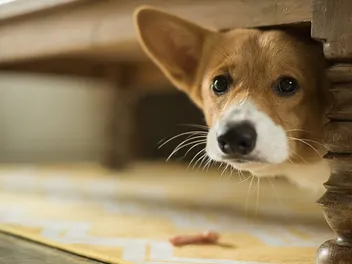
They might be less likely to predict the time if you're having a one-off outing. They might not know when to expect you back, so they do not recognize cues for your homecoming.
How About Vacations?
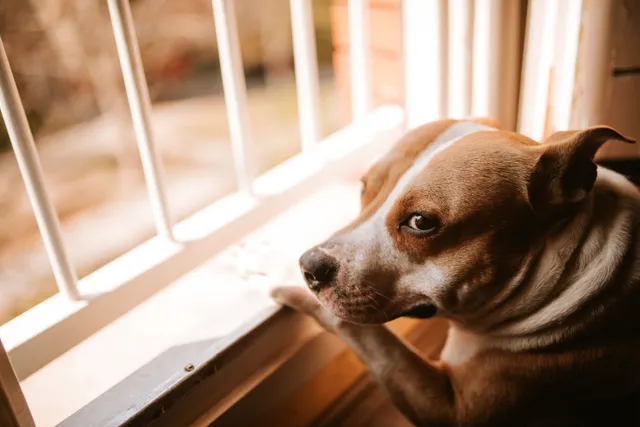
Dogs are certainly aware when their owners are away. They’re missing their people tremendously and would love nothing more than to join them on their travels. If you're planning on going away for a while, you might wonder how your dog will feel about the passing of time, whether they'll miss you, and if they'll remember you when you return.
The great thing about dogs is they rely on something other than their brain to provide all their memories. Most of their memories come from smell. The chances of your dog forgetting you while you're away on a 2-week trip are next to none. But how long does 2 weeks feel to a dog exactly? The answer isn't entirely clear.
Some dogs will pine for their owner's return, while others are so busy with their own adventures that they barely even notice you’re missing. But one thing is for sure: when you come back, they will be so excited to see you.

Boredom in Dogs While You’re Away
If you're wondering if dogs get bored when you’re away, they absolutely do! Statistically, destructive behaviors stemming from boredom are widespread behavioral complaints when it comes to dogs. Luckily, there are many ways to curb or eliminate this behavior entirely. Here are a few fantastic ideas for you.
Proper Reinforcement
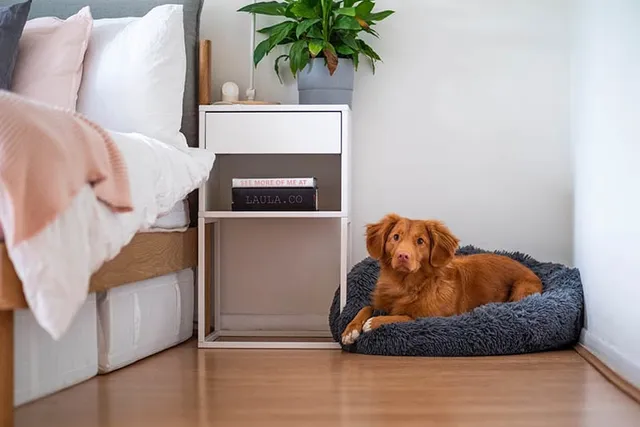
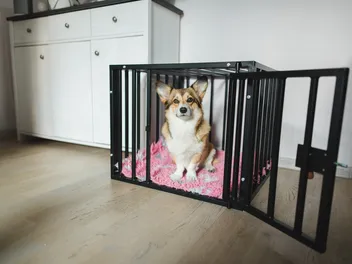
It would be best if you had your dog kept in a safe space while you’re away. Even if you don't want to crate them all day long, you should have a room or area designated just for them. This way, you can puppy-proof the entire thing, ensuring there are no wires, breakables, or valuables in their reach.
Environmental Enrichment
If you're going to take away their ability to wreak havoc on your home while you're gone, replace your valuables with some excellent quality toys. You can try out various self-play options until you spot your dog's favorites. The more they have to keep them occupied, the better off they'll be while you're away.
If your dog requires stimulation, you can get noisemakers to keep their attention. Toys like this can have crinkle paper, squeakers, automatic noise, and vibration.

Professional Training
In addition to providing proper entertainment and taking away items you want to keep safe, you can also opt for professional training. Dogs that undergo training are more likely to listen to commands and know how to behave in the household. You can work with a trainer to reach your particular goals with your dog.
Some dogs don't require advanced training as they catch on quickly. Other dogs might need extra attention to get with the program. Ultimately, training success comes down to your bond with your dog. Training is absolutely a two-way street that requires the participation of both the canine and the owner.
Deciding to Crate or Free-Range During Hours Away
Deciding whether or not to crate your dog while you're away can be a challenging call to make. If your dog is past the puppy stage where they destroy everything in the home, you might wonder if they can be trusted to be left alone. You can tell a few ways, and it can be trial and error at first.
Leave in Short Intervals
Don't go straight to work and just leave your dog unattended. Give them a trial run first. Let your dog free while you run to the gas station. Leave them out while you make a quick run to the grocery store. This is a good chance to see what they will and won't get into.
Keep in mind, even though this is a test, you should always guard your valuables. Put away anything you don't want torn up while you're gone so you can't come home to any surprises.
Slowly Increase Time
You can quickly go from 15 minutes to several hours once you see how your dog will acclimate. You can slowly increase the time over the course of a few weeks. Not only will this allow your dog to adjust to the change, but it will also tell you just how long is too long, especially if they are destroying anything while you're gone.
Confine to a Specific Part of the House
Don't just allow your dog to free room; make sure that they are in a controlled space. Consider buying sufficient baby or pet gates or leave a door closed to corral them in one area. Make sure that this place is suitable for long trips out.
Install a Camera
There's no better way to tell what your pup is up to while you're gone than spying on them in secret. Cameras come in handy for numerous reasons. First, you can scope out the scene for any intruders. Next, you can monitor your dog's behaviors to know what they're doing throughout various parts of the day.
You can choose from motion-activated cameras or those that run continuous footage. Most cameras you buy nowadays can be accessed from your smartphone, so you can watch your dog while you're away. Some even have built-in microphone systems so you can communicate with your dog verbally.

Summing Up
Now, you understand that dogs might not know exactly what time it is, but they can certainly pick up on time based on their environment. Dogs have a natural circadian rhythm and can sense the passage of time. However, they're nothing like us! They are utterly oblivious to the fact that you get home at 5:00 p.m.
If you want to keep your dog occupied while you're away, put some measures in place to ensure they have activities to keep them busy. And remember! You can spy on them while you're away if you opt for a security camera that pairs with your cellular device.
Related Read:
Featured Image Credit: Ericaaa, Shutterstock
Expert dog care, straight to your inbox
Vet-reviewed advice, training tips, and the best of Dogster. Free, and you can unsubscribe anytime.
By signing up, you agree to our Terms & Conditions and Privacy & Cookies Policy.
Ashley Bates is a freelance dog writer and pet enthusiast who is currently studying the art of animal therapy. A mother to four human children— and 23 furry and feathery kids, too – Ashley volunteers at local shelters, advocates for animal well-being, and rescues every creature in need. Her mission is to create awareness, education, and entertainment about pets to prevent homelessness. Her specialties are dogs and cats.
Join the conversation
Ask a question, share your story, or send private feedback.