How Long Can You Leave a Dog Alone at Home? (Vet-Verified Facts & FAQ)


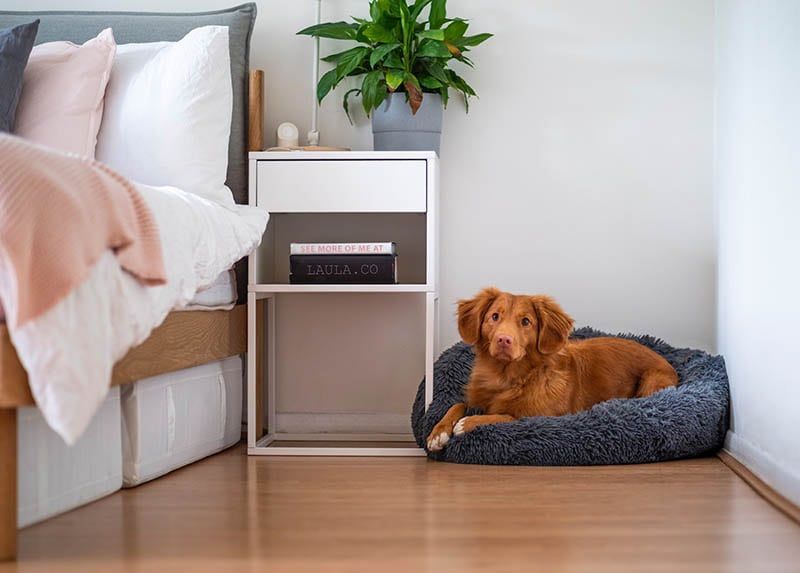
Dogs are social creatures that love to spend time with their humans. Even though most dog parents would spend every possible moment with their canine companion, there are, unfortunately, times when your dog has to stay at home alone.
So, how long can you safely leave your dog alone? Does it make a difference if it’s a one-time thing or a regular routine? And what happens when a dog spends too much time by itself? Most adult dogs are happiest when they’re not left alone for more than 4-6 hours and must use the bathroom at least once every 6–8 hours. These recommendations are very different for puppies depending on their age, and senior dogs based on potential underlying health issues. So, depending on your dog’s age and health conditions, dogs shouldn’t be left alone for more than 4–8 hours. Read on for more information about leaving your dog at home.

The 6 Things to Consider When Leaving Your Dog Alone at Home
1. Bladder Constraints

Healthy adult dogs need to pee every 6–8 hours or so. However, some dogs have smaller bladders and will likely have trouble if regularly required to hold them for longer periods. Dogs that don’t get sufficient opportunities to head outside often relieve themselves in inappropriate places, but dogs also pee inside when stressed or lonely, which are conditions that being left alone for long periods can exacerbate.
Puppies require far more frequent bathroom breaks than adult dogs. The tiniest pups often need to go to the bathroom every 1–2 hours. The American Kennel Club (AKC) recommends that dogs under 10 weeks old only spend 1 hour by themselves.1
Once puppies reach 10 weeks old, they can hold their urine for around 2 hours. A 6-month-old dog can usually keep things under control for 6 hours. Essential canine socialization occurs during a dog’s first 14 weeks of life, carrying on until 12-14 months of age, making it critical for them to get lots of attention, positive reinforcement training, and love during this foundational period.
2. Senior Dogs

As dogs age, they begin to have more needs. Senior pets often require more trips to the bathroom, and some older dogs need to take a pee break every 2–4 hours. The age at which dogs earn their canine AARP card varies, with smaller pets hitting the milestone between 11 and 12 and large dogs around 7 years old. Older dogs often have trouble adjusting to their declining vision, hearing, and sense of smell. Those suffering from cognitive decline can quickly become anxious and scared.
As dogs age and their bodies begin working less efficiently, they may start suffering from heart, liver, and kidney conditions that can cause increased urination. If you cannot make it home every few hours during the day to give your buddy a bit of attention and a bathroom break, consider hiring a dog walker to give your older pet some loving attention while you’re away.
3. Exercise

All dogs require exercise, but different breeds have varying physical needs. Some purebreds, such as Pugs, Pomeranians, and Bulldogs, don’t require much exercise; they’re usually okay with two good walks per day and plenty of playtime, away from the hot weather when it comes to brachycephalic breeds. These dogs are often fine when left alone for 6–8 hours, though providing mental stimulation during their alone time can help prevent boredom.
On the other hand, Dobermans, Border Collies, and German Shepherds require a great deal of exercise to remain centered. Large dogs such as Huskies often need several hours of running in addition to some serious playtime every day.
Larger dogs and breeds with significant exercise needs sometimes don’t do well when left alone, and they can become destructive as a result of too much pent-up energy.
4. Separation Anxiety

Separation anxiety is a terrifying condition in which dogs experience full-blown panic attacks when left alone. It often happens when a dog is deeply bonded to their owner and left alone. Dogs suffering from separation anxiety often pant, drool, and shake when they see their favorite person getting ready to go. They sometimes bark and become destructive when seriously stressed.
It can affect any breed, but certain breeds characterized by high energy, intelligence, and strong attachment to their owner may express it more frequently. Some breeds that may develop the condition more often than others include Labrador Retrievers, Border Collies, Toy Poodles, and German Shepherds. Mild separation anxiety can often be addressed by increasing your dog’s exercise and providing interactive games to keep them engaged and entertained while you’re away. More severe cases can often be managed with behavioral modification and medication. Have your veterinarian examine your pet to ensure your buddy isn’t suffering from a medical condition causing the behavioral changes.
5. Daycare and Pet Sitting

Dog owners who work long hours have two ways to address the problem of leaving their pets alone—doggy day care and professional dog walking services. Doggy daycare provides exercise and socialization, and it’s a great way for dogs to make canine friends. Many dog care businesses offer additional services such as nail clipping and grooming to make it easy for pet parents to meet their dogs’ needs.
But these options can be expensive and require you to transport your pet to a central location, and some pets don’t enjoy all the activity that goes with doggy daycare. Consider hiring a dog walker if your pet’s not interested in socialization. A dog walker can give your companion a quick bathroom break and a bit of love.
6. Weekends

Dogs can’t be left alone if you’re going away for a long weekend, or even overnight, for that matter. Not only do they need to use the bathroom every 6–8 hours, but they also require food and regular attention. Even if you leave food out for your pet, a dog left overnight has nowhere to go to the bathroom, and there’s a good chance your buddy will become bored and lonely.
Consider boarding your pet if you’re going to be away for more than 24 hours. Many doggy daycares have the facilities to take care of and entertain your pet while you’re away. Alternatively, you can always ask a friend if your pet can hang out with them. And if that doesn’t work out, consider hiring a pet sitter to stay at your home with your pet until you return.
Conclusion
Dogs can generally go for around 6–8 hours before they need a bathroom break, but most are happier if they get a bit of love and attention every 4 hours or so. Dogs are believed to have the intelligence and emotional range of human toddlers; they get scared, lonely, and bored when left alone for too long. Consider taking your pet to doggy daycare or hiring a dog walker if you’re regularly going to be away from your pet for more than 4 hours per day.
See Also:
Sources
Featured Image Credit: Jamie Street, Unsplash
Expert dog care, straight to your inbox
News, insights, expert advice, and everything dog.

No spam — unsubscribe anytime.
By signing up, you agree to our Terms & Conditions and Privacy & Cookies Policy.
How useful was this post?
Click a star to rate. You can leave written feedback afterwards. (We read all feedback.)
Lorre Luther is a writer from Rotterdam. A former lawyer from the United States, she moved to the Netherlands to follow her dreams and become a writer. Lorre enjoys traveling and reveling in the astonishing beauty of our world. She has a soft spot for animals and is firmly convinced that cats are smarter than humans.