Dogster is reader-supported. When you buy via links on our site, we may earn a commission at no cost to you. Learn more.

Dog Health & Care

Can Dogs Recover From Eating Rat Poison? Vet-Verified Steps to Follow

Nicole Cosgrove
By Nicole Cosgrove · Reviewed & fact-checked by Dr. Maxbetter VizelbergVet Approved
Dr. Maxbetter Vizelberg
Reviewed & Fact-Checked byDr. Maxbetter VizelbergDVM (Veterinarian)
A native of New Orleans, Louisiana, Maxbetter has been cultivating his interest in veterinary medicine since he's been a kid. From being read Russian children’s stories about “Doctor Aybolit” by his grandmother to interning at the Israeli Wildlife Hospital to working at numerous small animal hospitals, he has thoroughly enjoyed learning about and sharing his love for animals with others over the years. He prides himself on educating others to help give their animals the best possible lives and strives to provide the best medical care to his patients. Outside the clinic, he can be found performing his rap songs at open mics, playing soccer and basketball, and going on hikes with family and friends. He currently practices in New York City.View authorThe information is current and up-to-date in accordance with the latest veterinarian research. Learn more
Updated on June 29, 2026
Share
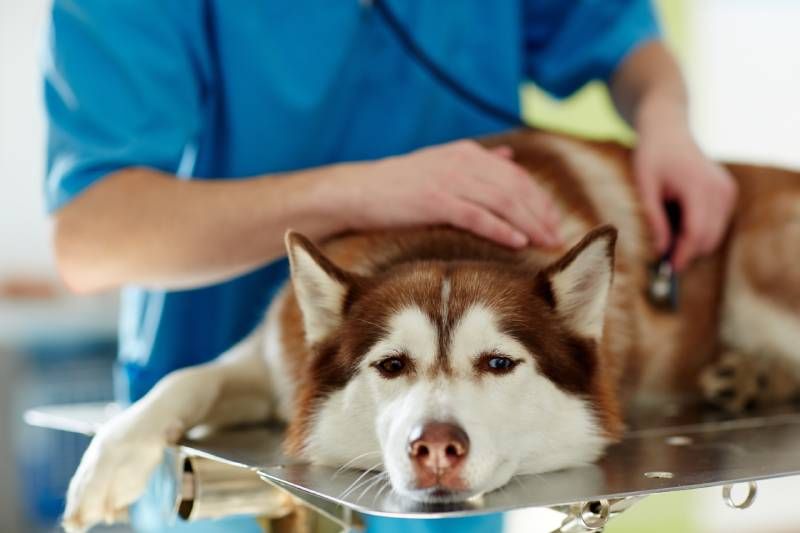
medical treatment of sick husky dog in vet clinic

Rat poison, or rodenticide, is designed to kill rats. Unfortunately, it can have the same effect on household pets, especially as it is designed to taste appealing, looks, and smells like a tasty treat to your faithful companion. There are different types of rat poison commonly used, but all can have negative effects on your dog, which is why dog owners are advised to use other methods of rodent control.

If your dog does eat rat poison, early intervention is essential, and you should contact a vet or animal hospital immediately. Although vomiting is a solution for some forms of rat poison, forcing your dog to vomit may do more harm than good with some products and depends on the timing of ingestion.

Get as many details as possible about the poison your dog has ingested, call poison control and your vet, and follow the advice they give.

divider dog paws 4 oct 2024

What Does Rat Poison Do?

Rat poison comes in different forms, and each type uses different techniques to get rid of rats. The type of poison used also determines the effects it has on dogs and cats, as well as its severity and best treatments. Unfortunately, your dog may find and ingest rat poison outside the home, which means that you might not easily identify the type used. The main types of rat poison are:

  • Anticoagulants – Drugs such as warfarin and bromadiolone prevent blood from clotting by preventing it from forming vitamin K. Essentially, it causes rats or pets to bleed internally. Signs your dog has eaten this kind of rat poison include bleeding from the nose or rectum, vomiting with blood in the vomit, coughing, and even some lameness as the joints fill with blood. It can take days for these symptoms to show. Your vet may induce vomiting and give vitamin K supplements and it is likely that your dog will need to be hospitalized and monitored for 48 hours. Ongoing vitamin K supplementation might be required for up to a month following your dog’s hospital discharge.
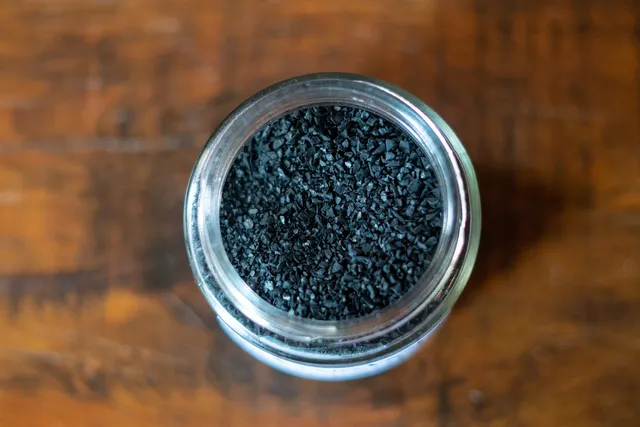
  • Neurotoxins – Neurotoxins are drugs that affect the brain and nervous tissue. They include bromethalin which can lead to tremors, seizures, weakness of the limbs, vomiting, and a loss of balance. Treatments include activated charcoal. The more of the drug your dog ingested, the worse the symptoms and the more difficult it is to treat them.
  • Vitamin D overdose – Rodenticides like cholecalciferol, when ingested, lead to excess free calcium in the bloodstream. Calcification of the blood constricts blood vessels and prevents the body from getting as much blood as it needs. In particular, the kidneys will not get enough blood and can stop working efficiently. Symptoms include vomiting and diarrhea, as well as increased urination and drinking. Treatment typically includes induced vomiting and being administered intravenously. Your vet will need to monitor calcium levels for several weeks after ingestion.

What Can I Do?

Dogs can recover after consuming rat poison, but in all cases, early intervention is vital. As such, if you believe your dog has consumed rat poison, you should call a vet immediately and try to determine the type of poison, the amount they have eaten, and when they consumed it. Your vet will be able to recommend the next action, but this will usually involve taking them to an animal hospital or emergency vet.

Some ongoing monitoring and treatment may be required to ensure that your dog’s blood and especially calcium levels return to normal.

How to Stop Your Dog From Eating Rat Poison

Prevention is better than cure when it comes to dogs eating rat poison. If you believe you have a rat infestation, look for alternative methods to combat vermin levels, such as traps. If this doesn’t work, call professional exterminators or pest control to help combat the problem, and consider removing your dog from the premises while the poison is laid and left to do its work. Ensure that all remaining poison is removed before your dog returns. Dogs are inquisitive, especially when it comes to food and treats. As such, some rat poison incidents occur outside the dog’s home. Rat poison is commonly laid in outbuildings and may also be put down in gardens but is rarely used in public spaces. Stick to public walks and dog parks to avoid this type of event.

divider dog paws 3 oct 2024

Final Thoughts

Rat poison is designed to kill animals, and while rats are smaller than dogs, the drugs used and the levels they are used at can still prove fatal to dogs and other household pets. They should be used with caution in any home, and it is best to avoid their use at all if you do have pets. Common signs of rat poison ingestion include vomiting and increased drinking and urination, as well as bleeding from the nose and rectum. If you do see any possible symptoms of ingestion, contact your vet immediately and follow their advice. Early intervention is key to helping ensure a swift and full recovery. See Also: 

Sources

Featured Image Credit: Pressmaster, Shutterstock

Want content like this delivered to you?

Sign Up For Our Newsletter

News, insights, expert advice, and everything dog

* By submitting, you agree to our Terms & Conditions and Privacy & Cookies Policy.

Nicole Cosgrove
Authored by

Nicole Cosgrove

My Dog Ate Rat Poison: Here’s What to Do (Vet Answer)

My Dog Ate Rat Poison: Here’s What to Do (Vet Answer)

If your dog happens to eat rat poison or you suspect that they did, see your veterinarian immediately. It’s helpful to have the packaging or at least to know t…

Dr. Chyrle Bonk
By Dr. Chyrle Bonk · 2 weeks ago
Can Dogs Recover From Poisoning? Vet-Verified Signs & Treatments

Can Dogs Recover From Poisoning? Vet-Verified Signs & Treatments

Finding out that your pet has been poisoned is one of the most frightening things to happen to a pet owner. Luckily, dogs promptly treated by a veterinary prof…

Luxifa Le
By Luxifa Le · 1 week ago
My Dog Ate a Mouse, What Should I Do? Vet Approved Advice

My Dog Ate a Mouse, What Should I Do? Vet Approved Advice

Let’s face it—our canines are usually not the best mousers. However, sometimes it's completely possible for your canine to get ahold of the mouse, and they mig…

Ashley Bates
By Ashley Bates · 1 week ago
I Think My Neighbor Poisoned My Dog, What Can I Do? Vet-Approved Advice

I Think My Neighbor Poisoned My Dog, What Can I Do? Vet-Approved Advice

Discovering that your pet is the victim of poisoning is a terrifying and heart-wrenching situation, especially if you believe that your neighbor is to blame. M…

Ed Malaker
By Ed Malaker · 1 week ago
June 17, 2026

Lead Poisoning in Dogs: Causes & Symptoms Explained

Lead poisoning, also known as plumbism, is a severe condition that may occur when your dog comes into contact with a substance containing lead. Though modern s…

Chantelle Fowler
By Chantelle Fowler
Lead Poisoning in Dogs: Causes & Symptoms Explained
June 29, 2026

What to Do if My Dog Ate Chocolate: 3 Vet-Approved Steps to Follow

If you know or suspect your dog has eaten chocolate, stop reading now and contact your vet or the ASPCA Animal Poison Control Center at phone number 888-426-44…

Chris Dinesen Rogers
By Chris Dinesen Rogers
What to Do if My Dog Ate Chocolate: 3 Vet-Approved Steps to Follow
June 29, 2026

My Dog Ate Paint, What Should I Do? Vet-Verified Facts & Risks

If your dog has eaten paint, or if you suspect that they have eaten paint, it is important to take them to a veterinarian for treatment and a check-up right aw…

Sarah Psaradelis
By Sarah Psaradelis
My Dog Ate Paint, What Should I Do? Vet-Verified Facts & Risks
June 17, 2026

Is Snail Bait Safe for Dogs? Vet-Reviewed Safety Tips

Snails and slugs can be problematic to any home garden. Dog owners are often left wondering how to handle the problem without hurting their beloved pet. It’s t…

Rachel Giordano
By Rachel Giordano
Is Snail Bait Safe for Dogs? Vet-Reviewed Safety Tips
June 29, 2026

Can Dogs Eat Cockroaches? Possible Health Risks & Care Tips

Whether your dog has recently eaten a cockroach, it’s happened before, or you’re just wondering, this is a likely enough scenario that you should know the fact…

Nicole Cosgrove
By Nicole Cosgrove
Can Dogs Eat Cockroaches? Possible Health Risks & Care Tips
June 17, 2026

Dog Vomiting: What to Do When Your Pup Throws Up (Vet Approved)

Seeing your dog throw up is concerning, and after you’ve had the unpleasant experience of cleaning up after your pet, what do you do now? The first thing to do…

Jordyn Alger
By Jordyn Alger
Dog Vomiting: What to Do When Your Pup Throws Up (Vet Approved)
June 29, 2026

Is Dog Vomiting Blood an Emergency? Vet-Reviewed Facts & FAQ

You will certainly need to call the vet if your dog is throwing up blood. There are many different reasons for this and while not all are extremely serious, yo…

Kristin Hitchcock
By Kristin Hitchcock
Is Dog Vomiting Blood an Emergency? Vet-Reviewed Facts & FAQ
July 4, 2026

20 Common Household Items That Are Poisonous to Dogs (Vet Reviewed)

There are some items in your home you know your dog shouldn’t get into because they are toxic. However, you may not know how many everyday items are hazardous…

Misty Layne
By Misty Layne
20 Common Household Items That Are Poisonous to Dogs (Vet Reviewed)

Love Dogs? So Do We! Join the Dogster Community

Stay informed with expert pet care insights delivered straight to your inbox! Discover professional guidance on animal behavior, feeding tips, trusted product picks, and much more.

You may opt-out at any time. View our Privacy Policy for more information.

The Dogster app on a phone