10 Surprising St. Bernard Facts: Vet-Verified Origins & Temperament


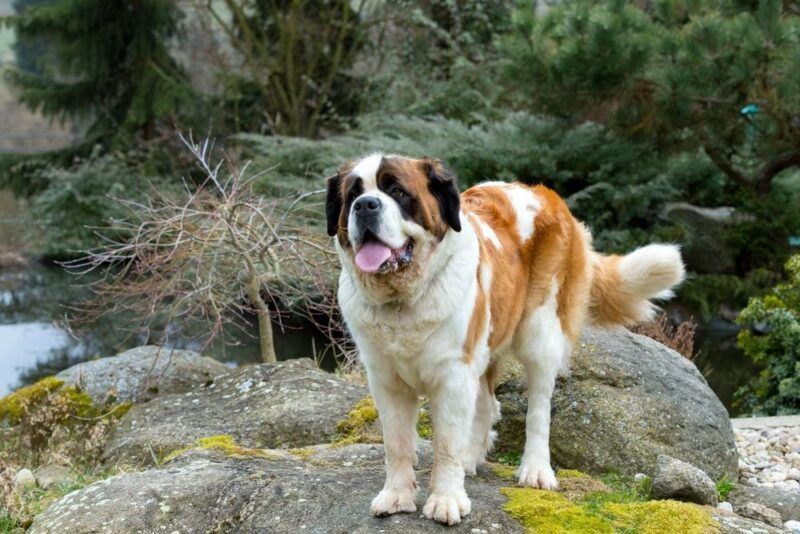
What do you know about the St. Bernard other than the breed comes from the Swiss Alps, and that sometimes these pups have barrels of brandy hanging around their necks? (Wait, is that barrel thing actually true?) The St. Bernard is a popular breed, made even more well-known by the 1990s movie Beethoven. But the breed is still pretty rare in the U.S.
Being a rarer breed doesn’t mean you can’t enjoy some surprising (and fun!) facts about the St. Bernard, though! And if you are ready to learn more about these gentle giants, just keep reading. We have 10 surprising St. Bernard facts to wow you with below!

The 10 St. Bernard Facts
1. The Origin of the St. Bernard Name
If you’ve ever wondered where the name “St. Bernard” came from, wonder no longer! These dogs were named by the monks of the Great Saint Bernard Hospice, where these dogs were bred. Set in the Great St. Bernard Pass of the Swiss Alps, this hospice was where travelers could get help while passing through the dangerous nearby terrain. Though initially, these dogs were meant to be guard dogs, they ended up becoming rescue dogs as the monks realized St. Bernard was excellent at finding lost people.

2. Barrels or No?
We hate to be the one to tell you this, but those images you’ve seen of St. Bernards hanging out on mountains with barrels of brandy about their necks aren’t exactly accurate. As ubiquitous as this image is in pop culture and as much as it makes sense that these dogs would carry alcohol when finding people lost in the snow (since people used to drink alcohol to warm up from the cold), this just never happened. So, where did this myth come from? It's believed to have come about because of the 1820 painting by Edwin Landseer called “Alpine Mastiffs Reanimating a Distressed Traveler.”
3. St. Bernard Isn’t the Only Name These Dogs Have Had
We may know these canines by the name of “St. Bernard,” but they weren’t always called this. This breed has had a few names over the years, though the two most significant were “Barry dogs” and “Alpine Mastiff.” The St. Bernard has also been known as “a noble steed” by some (such as those who might have been rescued from the snow and cold by these dogs). Whatever you want to call this breed, though, we can all agree they’re pretty magnificent!

4. Speaking of Barry…
If you’re in the U.S. and think of the famous St. Bernards, chances are you immediately picture the star of the Beethoven film series. However, that isn’t the most famous of this breed! The most famous St. Bernard was one named Barry. Barry was one of the canines in the Swiss Alps that rescued people in the 1800s. He had a record number of 40 people saved (including one boy who was halfway frozen). Barry is so famous that you can find a monument of him in Paris and a permanent exhibition of him in a Switzerland museum!
5. Unique Howl
The St. Bernard is known for its unique howl. Melodious and deep, this breed’s howl is instantly recognizable. Only used in specific situations as a way to express themselves or communicate, this howl makes it simpler to keep track of your St. Bernard in crowded situations! And because this howl is only used at certain times, you shouldn’t have to be concerned you’ll be hearing it over and over again while at home.

6. The Swiss National Dog
Since the St. Bernard came from the Swiss Alps and is quite famous in Switzerland, it only makes sense that the breed is the national dog of the country. And they have been since 1884! There’s no doubt that the St. Bernard is beloved in Switzerland, and what better way to let others know how much so than by proclaiming the breed the national dog?
7. One Drooly Pup
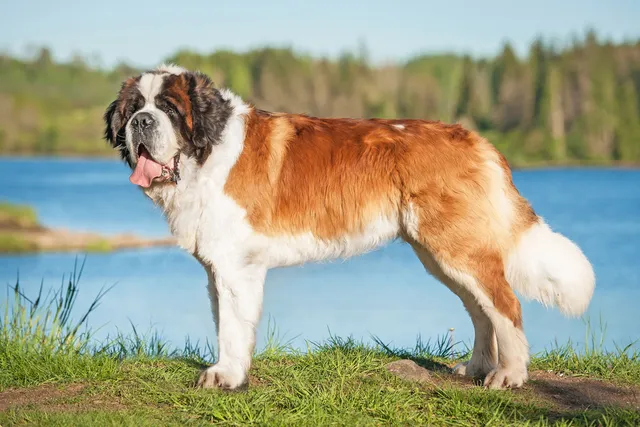
If you adopt a St. Bernard, you need to be prepared for drool—lots and lots of drool. We’re serious; these dogs are quite the drool monsters! Blame it on their deep chests and loose jowls, which contribute to this habit of drooling. So, you’ll be wiping the floors and furniture down a lot with one of these pups. However, if the drool really is too excessive, you can try tying a bandana around your pet’s neck to help catch some of it.

8. Highly Expressive Pups
Dogs can be fairly expressive, in general. But with its drooping jowls and large, soulful puppy dog eyes, the St. Bernard is particularly expressive. It will be easy to tell just what your dog is thinking or feeling as it will be written across their face. It'll also be incredibly easy to be taken in by those expressions, so prepare to end up spoiling your pet by giving it everything it wants!
9. St. Bernards Take a While to Grow
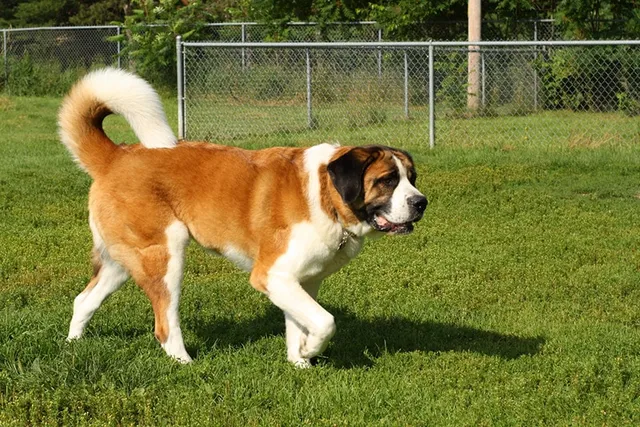
It usually takes large breed dogs a bit longer to fully grow up compared to their smaller compatriots, but as a giant breed, it really takes the St. Bernard a while. These dogs won’t reach their full size and maturity until somewhere between 2 and 3 years of age (and filling out their frames entirely might take even longer than that). That means if you adopt one, you should be prepared for a rather long puppyhood!

10. Cold Weather Dogs
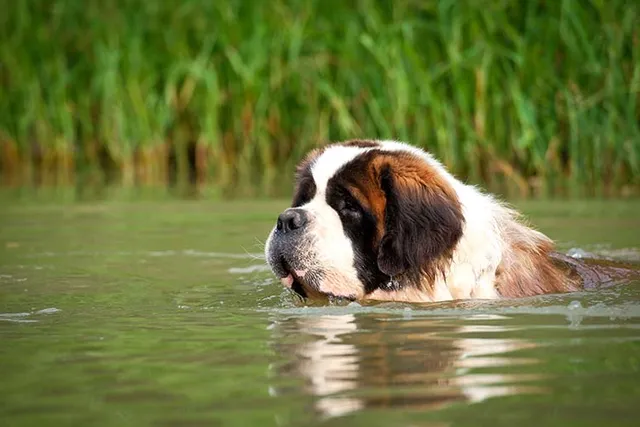
Because these dogs were bred in the Swiss Alps, they developed a coat that kept them super warm while also repelling water. As such, if you live in a hotter climate, this breed isn’t the one for you. Because of said coat, it’s too easy for a St. Bernard to overheat in hot weather. But if you live somewhere that is cold a good portion of the time, a St. Bernard could be an excellent fit!

Conclusion
There you have it; surprising facts about the St. Bernard! The St. Bernard is a sweet and gentle giant known for rescuing and saving a bunch of people in the Swiss Alps. Though it turns out they did not carry barrels of alcohol around with them while doing so, these dogs are still pretty cool and make wonderful pets.
Sources
Featured Image Credit: Artush, Shutterstock
Expert dog care, straight to your inbox
Vet-reviewed advice, training tips, and the best of Dogster. Free, and you can unsubscribe anytime.
By signing up, you agree to our Terms & Conditions and Privacy & Cookies Policy.
Misty Layne lives out in the woods in small-town Alabama with her two Siamese - Serafina & Jasper. She also has an array of stray cats, raccoons, and opossums who like to call her front porch home. When she’s not writing about animals, you’ll find her writing poetry, stories, and film reviews (the animals are, by far, her favorite writing topic, though!). In her free time, Misty enjoys chilling with her cats, playing piano, watching indie and foreign films, photographing abandoned places, and catching up on her never-ending TBR list.
Join the conversation
Ask a question, share your story, or send private feedback.