
10 Vet-Verified Facts About the Newfoundland Dog


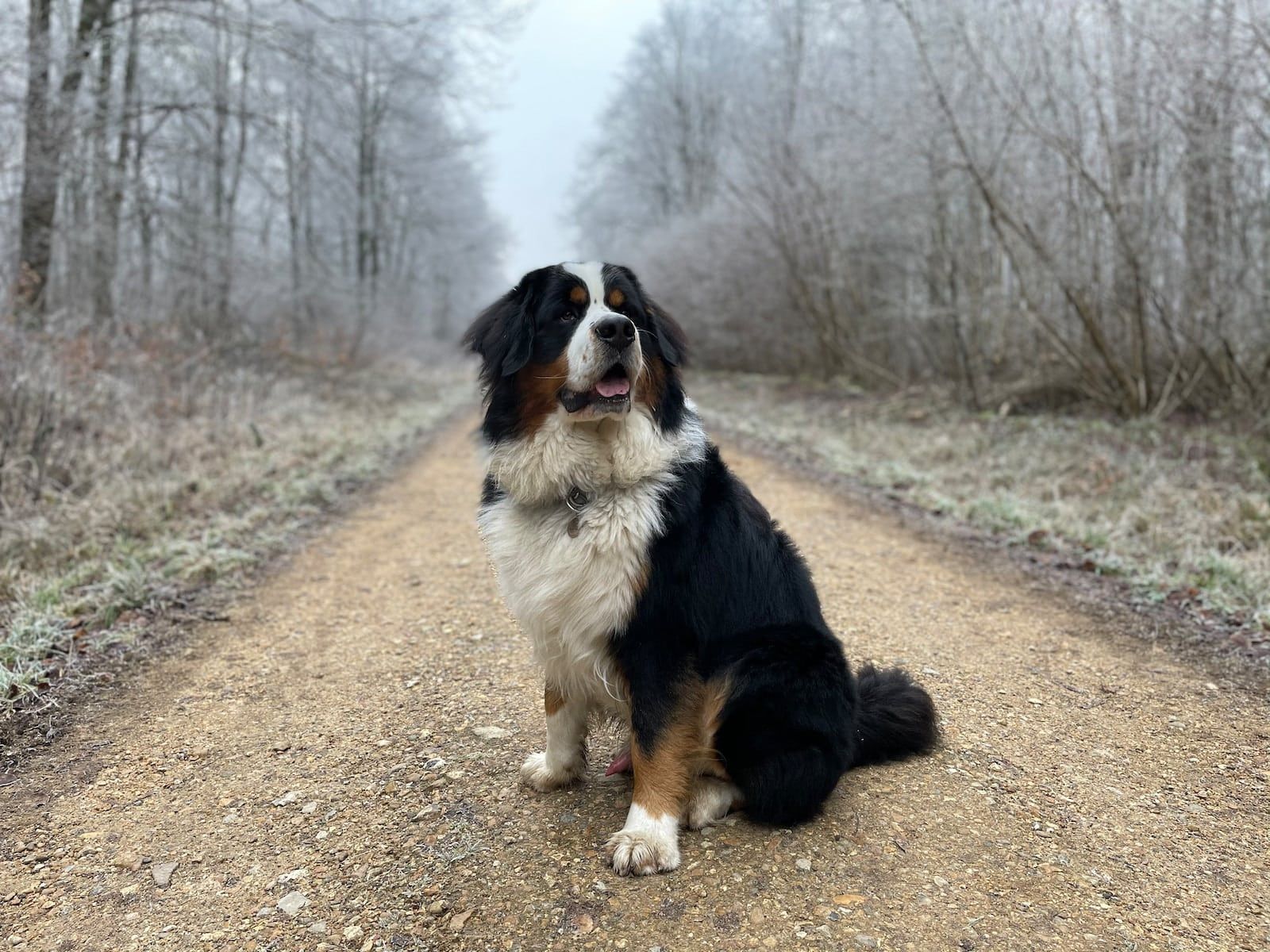
Newfoundland dogs are large and fuzzy creatures that have an incredible history. A variety of unique characters have owned these dogs, and Newfoundlands have worked in some of the harshest and most physically demanding industries in history. Most people can recognize the smiling faces of a Newfoundland dog or spot them by their large fuzzy bodies, but few people know the incredible facts that go along with these gentle giants.
Here are 10 great facts about the Newfoundland dog that are sure to surprise and delight.

Newfoundland Breed Overview
Height:
Weight:
Lifespan:
Origin:
Colors:
Temperament:
The 10 Facts About the Newfoundland Dog
1. Newfoundlands Were Bred to Pull Fishing Nets
Dogs were bred for a number of diverse purposes, but how many dogs were bred to swim and retrieve waterlogged fishing nets? Newfoundland dogs were bred for exactly that. In the past, Newfoundlands were invaluable companions for fishermen. These dogs are large and powerful, and they are also extremely loyal. That makes them excellent working dogs for anyone who works on the water. Newfoundlands would help fishermen retrieve their nets from the ocean. They could also jump into the water and help anyone who might be struggling to swim. The Newfoundland’s working dog past has been forgotten by many modern admirers, but these dogs were powerhouses and workhorses for Canadian fishermen for multiple generations.

2. Newfoundlands Are Named After a Region of Canada
Newfoundlands (or Newfies) were named after the island of Newfoundland in Canada. Newfoundland is a part of the Canadian province of Newfoundland and Labrador, which is the easternmost portion of Canada. Newfoundland dogs hail from this area of the world where the climate is cold, and many people used to work in the fishing industry. Since the 1990s, the fishing industry has taken a huge hit in Newfoundland, and the region has pivoted to offshore oil drilling and energy production rather than fishing. The Newfoundland dog remains a symbol of the area’s maritime past and reminds us of the kind of climate that these dogs used to work in.
3. Newfoundlands Have Webbed Feet
If you look closely at a Newfoundland’s paws, you will notice that they are partially webbed between each digit. This allows Newfoundlands to be strong swimmers. The webbed paws paired with the size and strength of the Newfoundland dog make them one of the most adept swimmers in the canine world. Newfoundland dogs were bred to swim, and they continue to love being in and around the water. Webbed feet help these dogs swim much better than their peers and are a reflection of the breed’s historical working role.

4. Newfoundlands Are Phenomenal Water Rescue Dogs
Due to their amazing swimming skills, Newfoundlands make excellent water rescue dogs. Many Newfoundlands are trained to help people in water rescue situations. Newfoundlands can jump into almost any kind of water, including cold water, and help drag people to shore. Newfoundlands use their powerful frames to swim out to people struggling in the water. They are then trained to grab onto the person and help pull them to a nearby rescuer or to shore, where they can get out of the water. Newfoundlands are well adapted for this work due to their strength, webbed feet, water-resistant double coat, and strong swimming ability, and they are among the breeds commonly used for water rescue.
5. Newfoundlands Tend to Be Calm and Gentle
One of the reasons that Newfoundlands have remained popular (more on that below) is because of their personality. Newfoundlands are extremely chill and laid back. They are highly affectionate and are often good with children when properly socialized and supervised. Newfoundlands are highly loyal and love working and spending time with their owners. This makes them well-suited family dogs. You can find many Newfoundlands happily lying around and sticking near their people. These dogs are typically gentle, but like all dogs, they can show aggression or bite under certain circumstances, especially if not properly trained, socialized, or if they feel threatened or are in pain. They also tend to be relatively quiet compared to some breeds, but they can bark when alerting or responding to their environment.

6. …But They Still Need Plenty of Exercise
Despite being very laid back and relaxed, Newfoundlands still need regular exercise. Newfoundlands are working dogs, which means they were bred to do a job. Newfoundlands were historically bred to swim and pull people and nets around in the water, which is physically demanding work. That means, despite being happy to nap the day away, Newfoundlands have moderate energy levels that should be appropriately managed through daily activity. Newfoundlands will benefit from regular walks and controlled, low-impact exercise sessions, especially in cooler parts of the day. They will also enjoy the ability to go swimming. You can either take your Newfoundland to the beach or to a lake or let them swim in your pool with supervision and safe entry and exit points. All of these things will help get Newfoundland moving, which will keep them happy and healthy.
7. Newfoundlands Love Food
Another reason that Newfoundlands need plenty of exercise is that they love to eat. This love of food is common in many dogs and can be influenced by genetics, metabolism, and individual behavior. Newfoundlands were working dogs that lived in a harsh climate. Newfoundland, Canada, is cold and wet, especially along the coast. Adequate nutrition supported their energy needs and body condition in that environment. It also helped fuel their bodies so that they had the strength to swim and work. While many Newfoundland dogs are no longer working with fishermen, they have retained their love of food. And that can be a problem. If you don’t carefully control your Newfoundland’s food intake, they could end up overweight or even obese, which can lead to a whole host of issues.

8. Newfoundlands Are Historically Very Popular
Newfoundlands have always been very popular dogs. They are prized for their size, strength, and loyalty. Currently, the Newfoundland ranks among the mid-range breeds in popularity according to American Kennel Club registrations, although rankings can vary by year. But many historical figures also owned and adored Newfoundlands. People of all stripes have been drawn to Newfoundlands. The famous explorers Lewis and Clark owned Newfoundland dogs. Former presidents Ulysses S. Grant and Lyndon B. Johnson were also Newfoundland owners. Newfoundlands also appealed to artists and were owned by both Emily Dickinson and Lord Byron. This makes them a well-recognized breed that has appeared throughout history with many different types of owners.
9. Newfoundlands Need Plenty of Grooming Attention
Newfoundlands have a thick, waterproof coat that requires a lot of upkeep. Newfoundlands need to be brushed regularly to keep their coats healthy. This is especially true if they spend any amount of time in the water. Water dogs can develop odor and skin issues if they are not groomed appropriately. The Newfoundland’s coat helps to keep them warm during Canadian winters and also helps provide water resistance when they are doing what they love most: swimming.

10. Newfoundlands Were Once Seafaring Dogs
In the past, many Newfoundlands worked closely with fishermen and coastal communities, often from shore or small boats. Sailors, especially fishermen, would take Newfoundland dogs with them on their journeys. Newfoundland dogs had a number of great benefits to sailors, including rescue ability, the ability to retrieve ropes and nets, and as shipboard companions. Today, many Newfoundland dogs are beloved pets and no longer work in maritime roles, but you can still see their seafaring pedigree in them if you know what to look for.

Conclusion
Newfoundlands are fascinating dogs with a great history and working background. Few dogs can swim as naturally or as efficiently as the Newfoundland, due to their physical adaptations. They hail from a sparsely populated region of Canada and are historically associated with coastal communities and the fishing industry. These dogs used to be prized by sailors and presidents alike. Today, Newfoundlands are still popular, but people now keep them for their amazing personalities and fuzzy bodies as well as their companionship, rather than their historical working roles and swimming ability.
Sources
Featured Image Credit: Andy Lyell, Unsplash
Expert dog care, straight to your inbox
News, insights, expert advice, and everything dog.

No spam — unsubscribe anytime.
By signing up, you agree to our Terms & Conditions and Privacy & Cookies Policy.
How useful was this post?
Click a star to rate. You can leave written feedback afterwards. (We read all feedback.)