How Far Can My Beagle Smell? Interesting Breed Facts

In this article
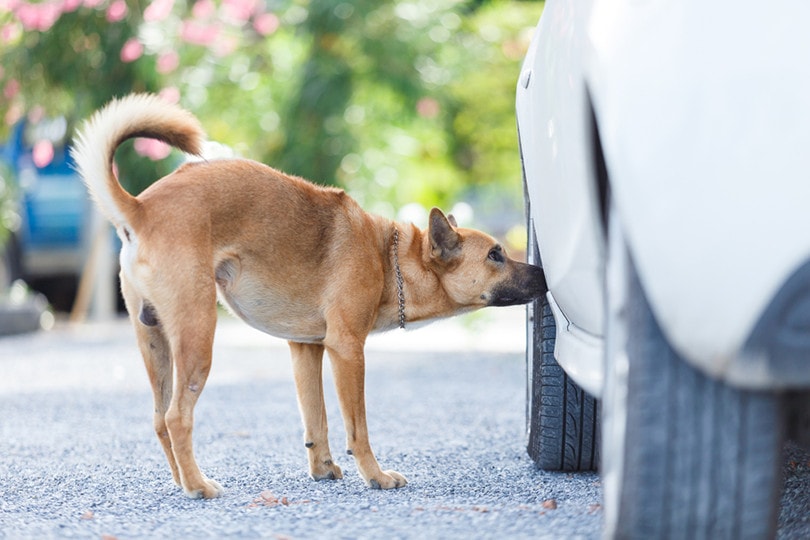
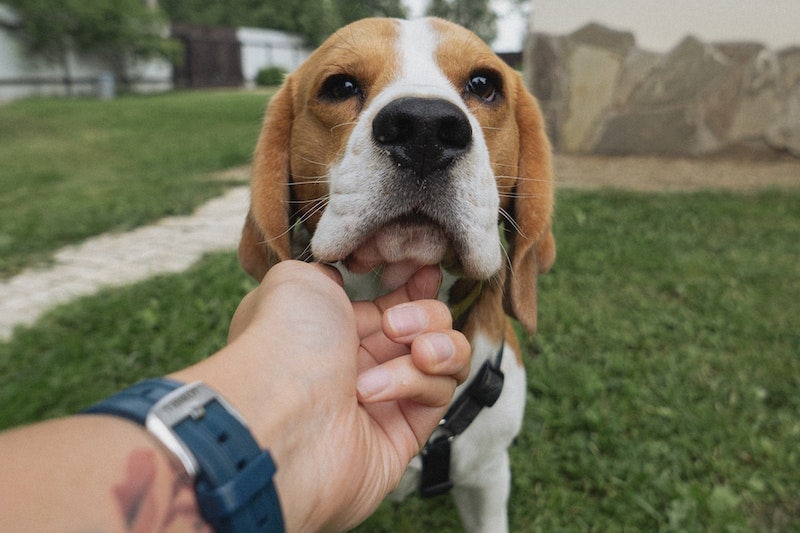
Beagles are cute, inquisitive, and love to bellow. With how cuddly these adorable dogs are, many people forget that they were originally bred for hunting. With hunting and tracking as part of their impressive background, it only makes sense that they can pick up scents from far distances. But just how far can a beagle smell? On a good day, your beagle can most likely pick up scents from 50 to 300 yards away, although the actual distance can vary widely depending on wind, humidity, terrain, and the strength and freshness of the scent. This is an impressive feat for such a small dog. Let’s take a look at beagles, their incredible noses, and why they are considered one of the most capable scent-tracking breeds in the dog world.

A Bit About the Beagle
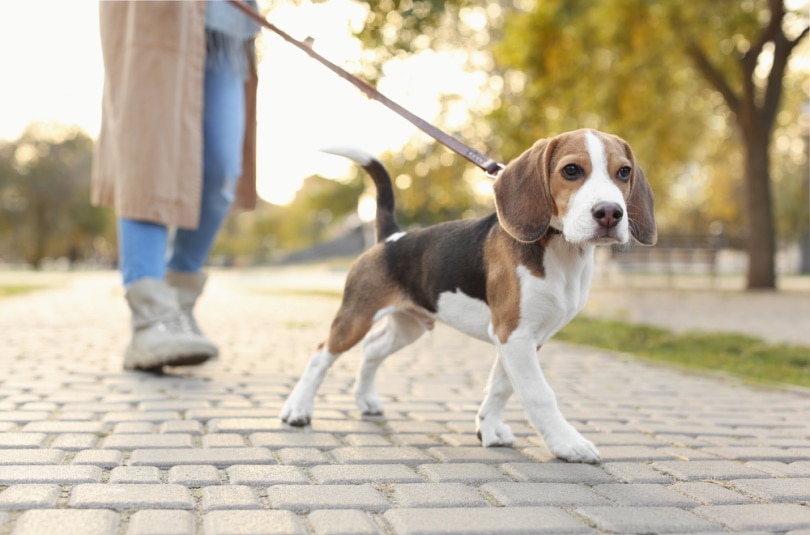
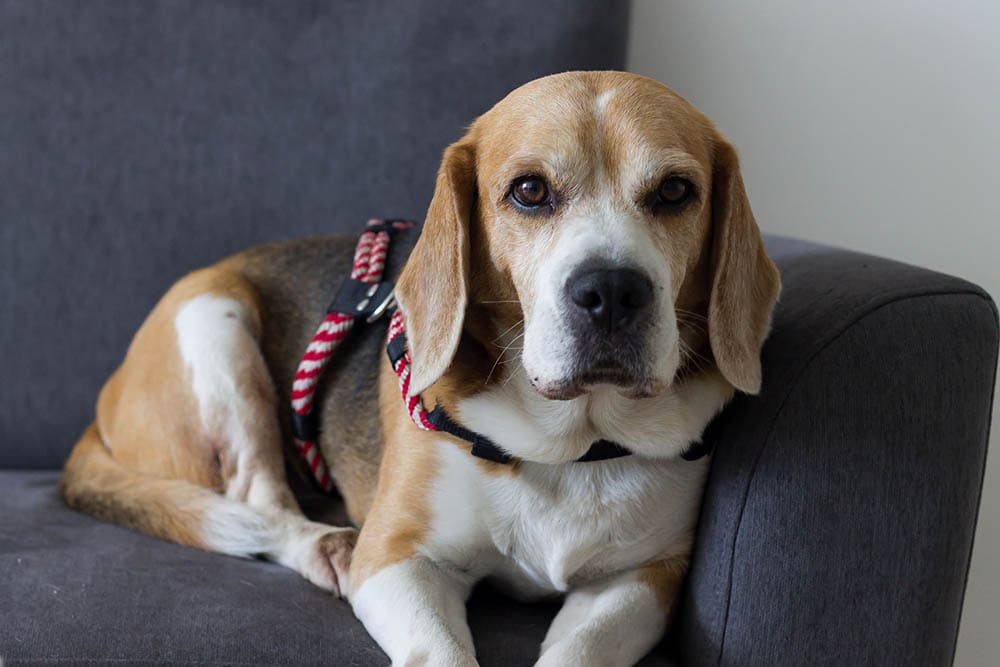
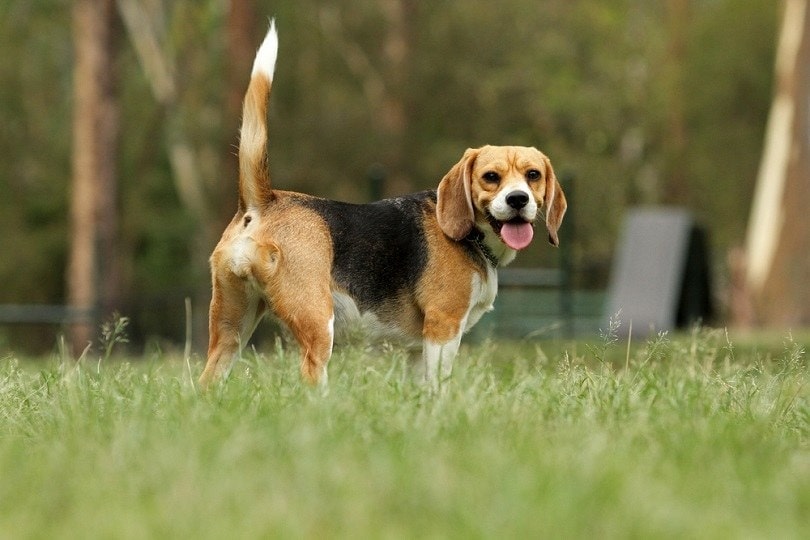
Beagles are little dogs with big hearts. They are generally great with kids, love their owners, and could spend the day playing away. These amazing dogs were originally bred as scent hounds. This means they are used to letting their noses lead the way. As hunting partners, beagles were most often used for small game like rabbits and hares. While they may be considered family dogs in most cases, that doesn’t mean they aren’t still taken to the field to help their owners when the hunt is on.
Dogs recognized as Beagle-type hounds date back several centuries, with modern Beagle development occurring in England during the 19th century. Wealthy English hunters were known to own packs of dogs to help them while on the trail of game. The Beagle was the smallest of these hounds. Their small size allowed hunters to follow on foot during the chase. Beagles were primarily used to track and pursue scent trails. While their amazing noses made them famous for their hunting prowess, their affectionate and social natures helped them find their way into the hearts and homes of animal lovers around the world.

The Nose Knows
How is your beagle able to detect scents from long distances on a good day? Their special noses, of course. Beagles are among the most capable scent-tracking breeds. These small dogs have 200-300 million receptors in their nose that make them truly special when it comes to catching a scent. That is 45 times the number of smell receptors we humans have and far more than most dogs in the animal world.
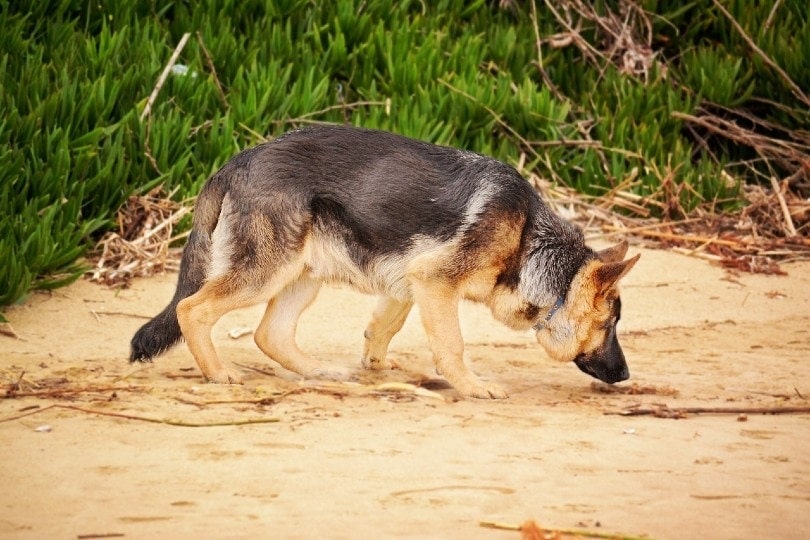
We’ve all felt a dog’s cold, wet nose pressed against us. That cute nose is the beagle’s primary weapon when it comes to tracking a scent. Each time your beagle sniffs, molecules in the air are trapped in the moisture of their nose. Once inside, the shape of their nasal passages and the way air moves through the nose help trap and process scent with each sniff. Then, nerve impulses send this information to the olfactory bulb, which processes scent information inside the brain. Dogs have a relatively large olfactory bulb compared with us humans, supporting their advanced scent-processing ability. This highly developed system helps beagles catch the scent and keep it for quite some time.
Other Parts that Play a Role
Yes, the nose is the most important when it comes to a Beagle's ability to smell, but other parts of their bodies help things along. Let’s take a look at how it all works together below.
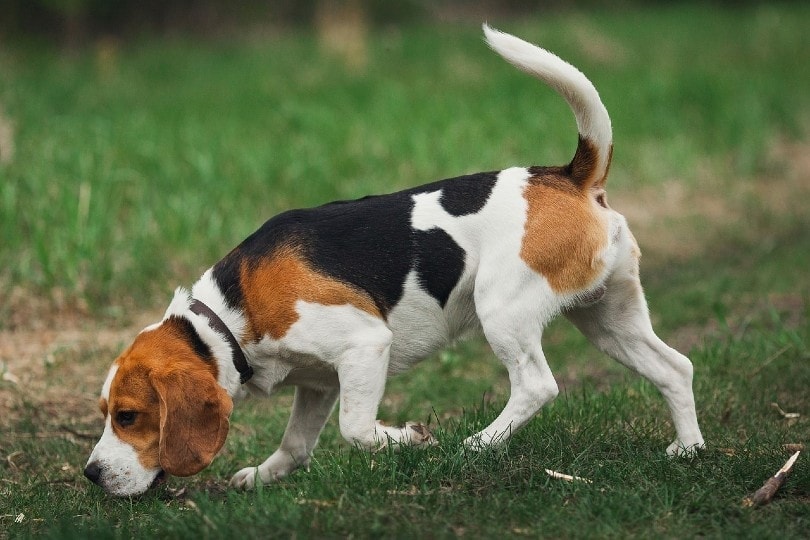
- Neck - When looking at a beagle, you may notice that its neck is sturdy and long. This shape makes it easier for these dogs to drop their heads and sniff the ground. When your beagle is out exploring, you may notice its nose is always sniffing the ground or sniffing the air. Their curiosity always has them on the lookout for scents, which their necks help them locate.
- Legs - Sure, legs aren’t normally important when it comes to smell, but for a beagle, they’re just as important as their neck. Having short legs is another tool that helps beagles keep their nose to the ground when tracking a scent.
- Ears - Yes, even the floppy ears help when it comes to tracking a scent. When a beagle has their head on the ground, investigating a scent, the floppy ears we all adore may help stir up scent particles from the ground and direct them toward the beagle’s nose.

The Role Environment Plays
We mentioned that Beagles can detect scents from long distances, 50 to 300 yards on a good day. What exactly does a good day mean? How much does the environment affect a beagle’s nose? The answer to that is simple. Certain environmental factors can make it easier for your beagle to pick up scents at distances. But on the flip side, some factors can make it more difficult for your pup. Let’s take a look.

1. Humidity
Remember when we mentioned that a beagle’s wet nose traps scents and keeps them? If the air outside is humid, odor molecules tend to remain suspended and settle more readily on surfaces, which can help scent trails last longer. This allows the dog to get a better understanding of the scent and how to follow it.
2. Cold Air
When things outside get chilly, cool, moist air can help preserve scent and slow the breakdown of odor molecules, which may make it easier for your dog to detect them. However, extremely cold, dry, or windy conditions can reduce scent availability and make tracking more difficult.
3. Wind
This one is almost self-explanatory. Depending on the direction and strength of the wind, it can either help carry scent toward your dog or disperse and dilute it. If your dog is moving into the wind (upwind), odors can be carried through the air and detected more easily. Strong or shifting winds, however, can spread scent away from its original path and make tracking more difficult.
Final Thoughts
As you can see, beagles have amazing noses. These little dogs were bred to use them and enjoy doing so in their everyday lives. If you take your beagle out for a walk and notice their nose in the air, let them enjoy it. Smelling, tracking, and picking up on scents over long distances is a natural part of their behavior. Simply let them explore and enjoy the gifts they naturally have.
Sources
Featured Image Credit: nastya-korenkova, Pexels
Expert dog care, straight to your inbox
Vet-reviewed advice, training tips, and the best of Dogster. Free, and you can unsubscribe anytime.
By signing up, you agree to our Terms & Conditions and Privacy & Cookies Policy.
Melissa was born and raised in the mountains of East Tennessee where she spent her time writing in an old notebook and playing outside with her pets. As an avid animal lover, she has brought many into her home over the years. Currently, she is the mom of 5 fur babies. Her 2 cats, Princess and Pepper are total opposites who demand attention. Her dogs Jazzy, Whitey, and Demon are full of spunk and keep the entire family on their toes.
Beyond life as an animal mom, Melissa is a dedicated wife and mother to 2 children. Writing in her old notebook led her down the path of becoming not only a freelance writer but a published Indie author under the pen name, Rena Marin.
Join the conversation
Ask a question, share your story, or send private feedback.