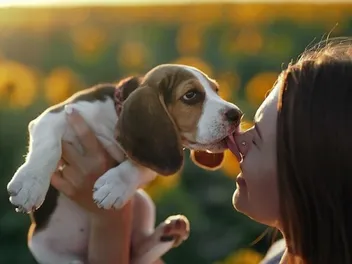
Do Beagles Smell? Breed Characteristics & Care Tips


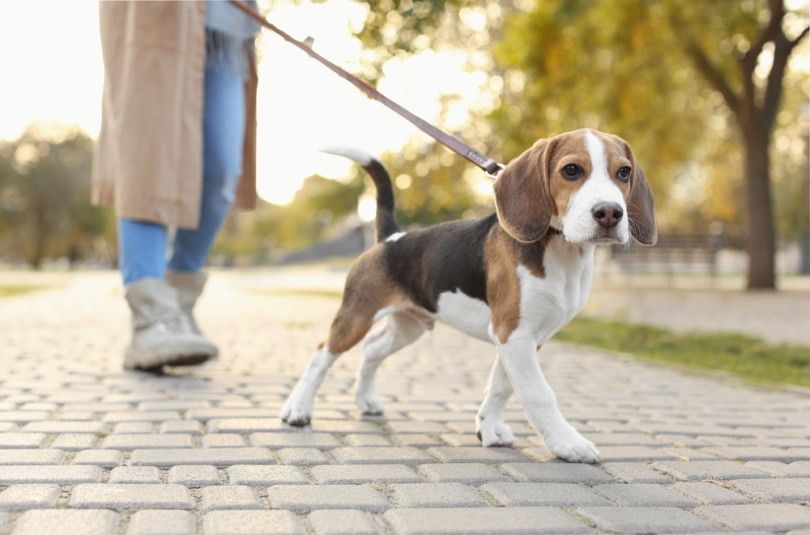
Beagles are little dogs that have become popular pets among households of all shapes and sizes throughout the United States and beyond. These dogs were originally bred to hunt in packs, so they weren’t initially meant to live as pets inside the household like many other breeds.
However, they have adapted well to indoor life with human family members. That said, rumor has it that Beagles are smellier than most other dog breeds. Is this true? It seems to be! Here is what you should know about Beagles and their smelliness.

The Smelliness Is Due to Their Hunting Skills
Beagles were originally bred to hunt animals for their owners. They would do so in packs, but those packs could get split up during a hunt. As scent hounds, Beagles were selectively bred for strong olfactory abilities and environmental endurance, which are supported by their skin, coat, and ear structure. Their skin produces natural oils that help protect the coat during outdoor activity, and their dense coat can retain these oils and environmental scents.
Although most Beagles do not engage in hunting activities nowadays, these same physical traits remain. Their natural skin oils, combined with their coat type and long ears that can trap moisture and debris, may contribute to a more noticeable “doggy” odor in some individuals. Therefore, owners may notice that their Beagles smell a bit more than many other dogs. Fortunately, the smell is typically not overwhelming and can be controlled with a little effort. Most people describe the scent as a slightly musky odor or a “doggy” smell.

Things That Exacerbate the Smelliness
There are a few things that can make your Beagle’s natural odor worse. For example, if your dog has an anal gland problem, they may emit more odor than is typical. A buildup of fluid could cause the anal glands to open and emit a dark oil and an overwhelming rotten-egg smell. Regular veterinarian checkups will help ensure that your Beagle’s anal glands stay healthy.
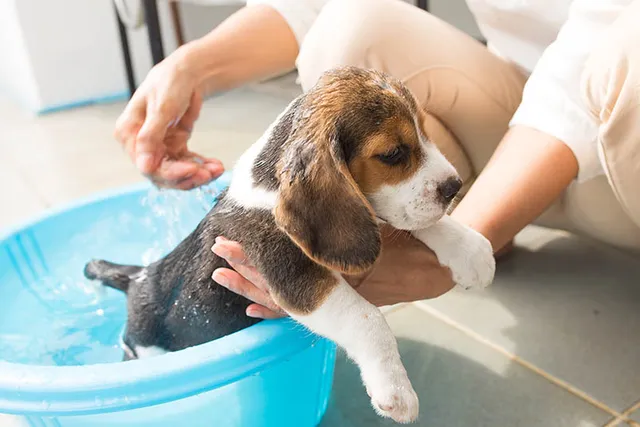
Another thing that can make your Beagle smell worse is a wet coat. Moisture can promote the growth of naturally occurring bacteria and yeast on the skin, which can increase odor. If your Beagle’s coat is moist, you’ll likely smell more odor coming from them. Thoroughly drying the coat should help reduce extra odors.
The big ears of a Beagle also provide the potential for reduced airflow, which can allow moisture and debris to accumulate. This environment may support the overgrowth of bacteria or yeast if not properly managed. If this happens, your dog's ears will likely emit an unpleasant odor that doesn’t go away on its own. Routine ear care, performed as recommended by a veterinarian, can help ensure that ear issues are identified early and managed appropriately.

Keeping Your Beagle’s Smelliness to a Minimum
There is no way to completely eliminate your Beagle’s unique smelliness. However, there are a few things that you can do to keep the smell to a minimum. First, make it a point to bathe your dog every 4–8 weeks or as needed based on their activity level and coat condition, and thoroughly dry their coat afterward. Don't let your dog go outside and roll around on the ground after a bath, or they could pick up odors that are just as bad as the ones that you were trying to get rid of!
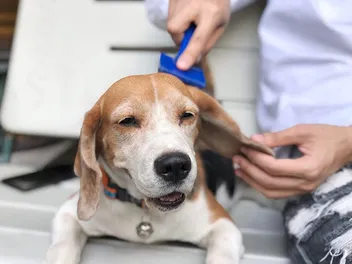
Regular veterinarian visits will help ensure that your dog stays healthy and that they don’t develop any skin conditions that could exacerbate their odor. Regular grooming and skin care also support a healthy skin barrier and microbiome. Regular brushing should also help get rid of loose hair that is holding onto odors.
Final Thoughts
Beagles do tend to be smellier than many other dog breeds. However, the smell is typically not overwhelming, and most people can manage it easily. If you can’t handle the odor that your Beagle is emitting, though, head to the veterinarian to find out if any health conditions are causing the issue. Improved grooming may be all that’s necessary to get the smell under control.
See also:
Featured Image Credit: Alex Zotov, Shutterstock
Expert dog care, straight to your inbox
News, insights, expert advice, and everything dog.

No spam — unsubscribe anytime.
By signing up, you agree to our Terms & Conditions and Privacy & Cookies Policy.
How useful was this post?
Click a star to rate. You can leave written feedback afterwards. (We read all feedback.)
Rachael has been a freelance writer since 2000. In this time she has had an opportunity to research and write about many different topics while working to master the art of fusing high-quality content with effective content marketing strategies. She is an artist at heart and loves to read, paint, and make jewelry. As a vegan, Rachael is obsessed with helping animals in need, both in her community and anywhere in the world where she feels she can make a difference. Animals also happen to be her favorite topic to write about! She lives off the grid in Hawaii with her husband, her garden, and her rescue animals including 5 dogs, a cat, a goat, and flock of chickens.