How Aggressive Is a Maltese? Factors, Prevention & FAQ

In this article
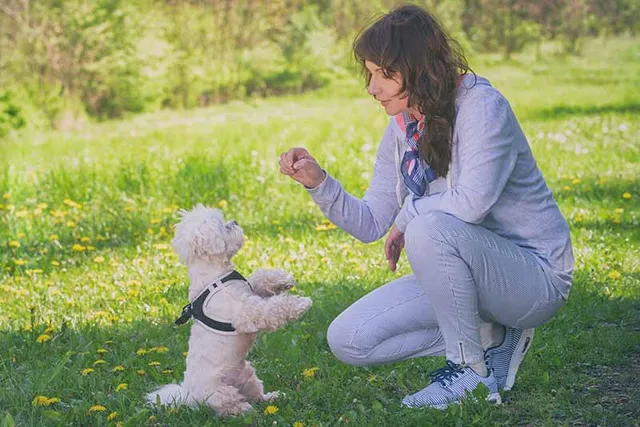
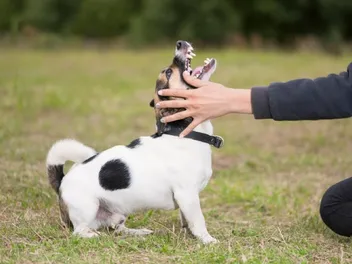
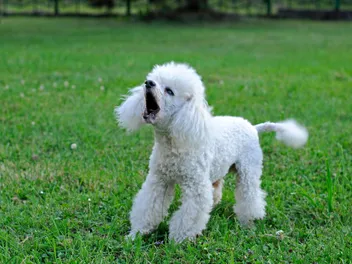
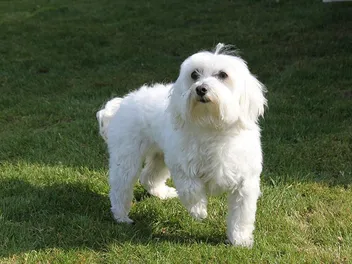
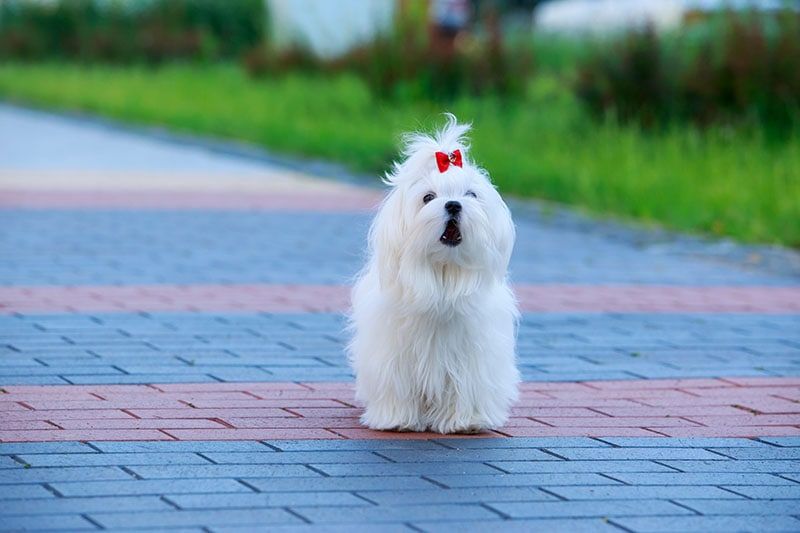
The Maltese dog breed is known for its small size, silky white coat, and affectionate nature, but don't let them fool you. While they are not considered an aggressive dog breed, under the right conditions, the Maltese can be fierce. Let's explore the factors that may contribute to aggression in Maltese dogs, how to understand their behavior, and what can be done to manage and prevent these tendencies.

Factors That Affect Maltese Aggression
Genetics and Temperament
While the Maltese breed is generally friendly and affectionate, individual dogs may inherit certain traits from their parents, such as a predisposition to aggression. However, genetics alone do not determine a dog's temperament; other factors, such as socialization, environment, and health, also play a significant role.
Socialization
Proper socialization is crucial for any dog, including Maltese breeds. Exposing your dog to various people, animals, and environments from an early age can help them develop confidence and reduce the likelihood of fear-based aggression.

Environment and Training
A dog's environment and upbringing can significantly influence its behavior. Maltese dogs raised in a loving, nurturing environment with consistent training are less likely to exhibit aggressive tendencies. On the other hand, dogs that have been abused or neglected may become fearful and defensive, which can lead to aggression.
Health Issues
Certain health issues can cause a Maltese dog to become aggressive. For example, pain from dental problems, joint issues, or other illnesses can make a dog irritable and more likely to snap or bite. Regular veterinary check-ups can help detect and address any health concerns that may contribute to aggression.
Understanding Your Maltese's Behavior

Signs of Aggression
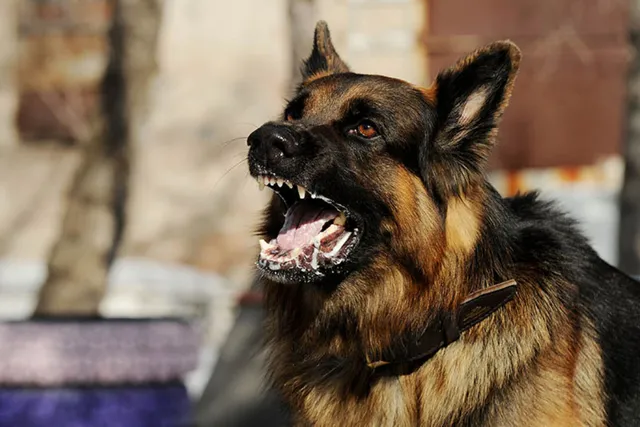
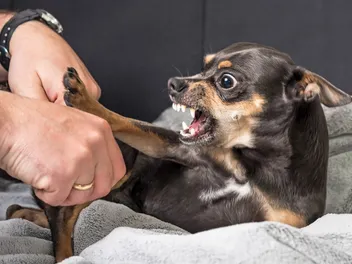
It's essential to recognize the signs of aggression in your Maltese dog, which may include growling, baring teeth, snapping, lunging, or biting. By identifying these signs early, you can intervene and address the root cause of the behavior.
Types of Aggression
Aggression in dogs can manifest in various forms, including territorial, fear-based, possessive, and redirected aggression. Understanding the type of aggression your Maltese is exhibiting can help you address the issue more effectively.
Possible Triggers of Aggressive Behavior
Identifying the triggers for your Maltese's aggressive behavior is crucial in managing and preventing aggression. Common triggers may include strangers, other animals, loud noises, or specific situations, such as being approached while eating or sleeping.
How to Manage and Prevent Aggression in Maltese Dogs
Proper Socialization
Early and consistent socialization can help prevent aggression in Maltese dogs. Expose your puppy to various people, animals, and environments to help them develop confidence and reduce fear-based aggression.

Consistent Training
Training your Maltese using positive reinforcement techniques can help establish boundaries and teach your dog appropriate behavior. Consistency is key, as inconsistent training can lead to confusion and frustration, which may contribute to aggression.
Create a Safe and Nurturing Environment
Providing a loving, nurturing environment for your Maltese can significantly impact their behavior. Ensure that your dog has a safe space to retreat to when feeling overwhelmed or frightened and avoid exposing them to stressful situations.
Monitor and Address Health Issues
Regular veterinary check-ups can help detect and address any health concerns that may contribute to aggression in your Maltese dog. If you suspect that your dog is acting aggressively due to pain or discomfort, consult a veterinarian for a thorough examination and appropriate treatment.
Bonding With Your Maltese Dog

Importance of Trust in Preventing Aggression
Trust is a crucial factor in building a strong bond with your Maltese and preventing aggression. A dog that feels secure in its relationship with its owner is less likely to display aggressive behavior. Establishing trust requires patience, consistency, and understanding of your dog's needs and emotions.
Tips for Establishing Trust With Your Maltese
- Provide a safe, comfortable environment for your Maltese, ensuring they have a designated space to call their own.
- Spend quality time with your dog daily, engaging in activities they enjoy, such as playtime, walks, or cuddling.
- Be patient and consistent in your training methods, using positive reinforcement to encourage desired behaviors.
- Build a routine that your Maltese can rely on, including regular feeding times, exercise, and grooming sessions.
- Approach new situations gradually, allowing your Maltese to adjust and feel comfortable at their own pace.
Encouraging Positive Interactions With People and Other Pets
Exposing your Maltese to new people and animals in a controlled, positive manner is essential for building trust and preventing aggression. Start by introducing them to calm, well-behaved pets and people who understand how to interact with dogs appropriately.
Use treats and praise to reward your Maltese for displaying calm, friendly behavior during these interactions. Avoid forcing your dog into situations that make them uncomfortable or fearful, as this can lead to increased aggression. Regularly engage in socialization activities, such as attending dog-friendly events or visiting pet-friendly locations, to help your Maltese become more comfortable around various people and animals.
Communication and Body Language

Understanding Your Maltese's Body Language
Your Maltese dog communicates through various body language cues, such as tail position, ear movement, facial expressions, and posture. Learning to recognize these signals can help you better understand your dog's emotions and needs, allowing you to respond appropriately and prevent aggressive behavior.
How to Interpret Different Signals From Your Dog
- Relaxed body: A content and relaxed Maltese will have a loose, wiggly body, soft eyes, and a wagging tail.
- Alert or excited: Ears may be perked up, tail held high, and body leaning forward. This can indicate curiosity or excitement but may also be a precursor to aggression if the dog feels threatened.
- Fearful: A fearful Maltese might tuck its tail between its legs, lower its body, pin its ears back, and avoid eye contact. Fearful dogs are more likely to display aggression as a defensive mechanism.
- Aggressive: Signs of aggression include raised hackles, bared teeth, growling, lunging, or snapping. These behaviors indicate that the dog feels threatened and may bite if provoked further.
Responding to Your Dog's Needs and Emotions
Adjust your approach based on your Maltese's body language. If they appear fearful or stressed, give them space and time to calm down. Use positive reinforcement and gentle guidance to help your dog feel more at ease in challenging situations. If your Maltese displays aggressive behavior, remain calm and seek professional help to address the underlying issues causing the aggression.
When to Seek Professional Help

Fear and anxiety are common triggers for aggression in dogs, as they may feel the need to defend themselves when threatened. Addressing these underlying emotions is essential in resolving aggressive behavior. While some growling or barking during play or in response to specific triggers might be considered normal, excessive or unprovoked aggression is a cause for concern. Pay attention to your dog's body language and the context of their behavior to determine if professional help is needed. If you decide that it is, the most appropriate person to turn to is a veterinarian.
Signs That Your Maltese's Aggression May Require Professional Intervention:
- Persistent growling, snapping, or biting without clear provocation
- Displaying aggression towards family members or familiar pets
- Intense fear or anxiety that leads to aggressive behavior
- Aggression that is escalating in severity or frequency
Finding the Right Trainer or Behaviorist
- Experience: Choose a professional with a proven track record of successfully dealing with aggression in dogs, particularly small breeds like the Maltese.
- Methods: Opt for a trainer or behaviorist who uses positive reinforcement techniques and avoids harsh or aversive methods that may exacerbate aggression.
- Credentials: Check for certifications and memberships in professional organizations, such as the Certification Council for Professional Dog Trainers (CCPDT) or the International Association of Animal Behavior Consultants (IAABC).
- Communication: A good trainer or behaviorist should be able to communicate effectively with both you and your dog, clearly explaining their approach and providing guidance throughout the training process.

The Benefits of Working With a Professional
- Expertise: A professional trainer or behaviorist can identify the root cause of your Maltese's aggression and develop a tailored training plan to address it.
- Support: Working with a professional provides ongoing support and guidance, helping you navigate challenges and setbacks.
- Safety: A professional can help manage aggressive behavior safely and effectively, reducing the risk of injury to you, your dog, or others.
- Faster results: With their experience and knowledge, a professional is more likely to achieve positive results in a shorter time frame compared to attempting to resolve aggression issues on your own.
When to Consider Medication or Alternative Therapies for Aggression
In some cases, medication or alternative therapies may be recommended in conjunction with behavior modification to manage aggression in dogs. This may be necessary if your Maltese's aggression is rooted in severe anxiety or fear, or if traditional training methods have not been successful.
Always consult with a veterinarian or veterinary behaviorist before starting any medication or alternative therapy for your dog. They will evaluate your dog's specific situation and recommend the most appropriate course of action.
Conclusion
Aggression can pose a serious threat to the safety of you, your family, and other pets. Although Maltese dogs aren’t generally considered aggressive, it's important to take steps to address any aggression in Maltese dogs as soon as possible. Working with a qualified dog trainer or behaviorist who is experienced in small-breed aggression can be the most effective way to safely and successfully manage the issue. Ultimately, with the right help and training, your Maltese can learn to be a happy and well-behaved companion for you and your family.
See also:
Featured Image Credit: Olga Aniven, Shutterstock
Expert dog care, straight to your inbox
News, insights, expert advice, and everything dog.

No spam — unsubscribe anytime.
By signing up, you agree to our Terms & Conditions and Privacy & Cookies Policy.
How useful was this post?
Click a star to rate. You can leave written feedback afterwards. (We read all feedback.)
Nicole has loved animals of all sizes her whole life so it's no wonder she has dedicated her career to helping them through what she loves best: learning, writing, and sharing knowledge with others. She’s the proud mom of two dogs, a cat, and a human. With a degree in Education and 15+ years of writing experience, Nicole wants to help pet parents and pets around the planet to live happy, safe, and healthy lives.