How Aggressive Are Newfoundland Dogs? Vet-Verified Facts & Care Tips


In this article
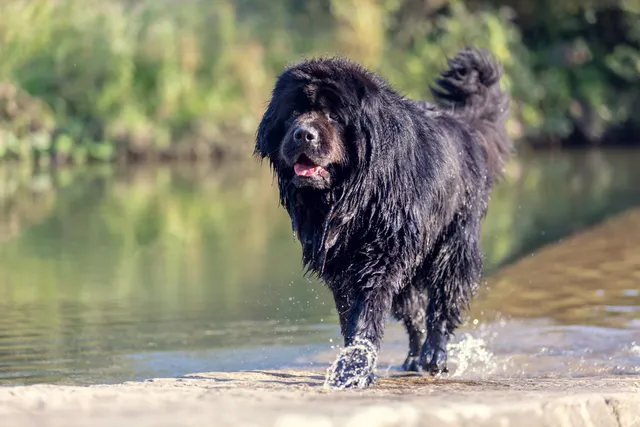
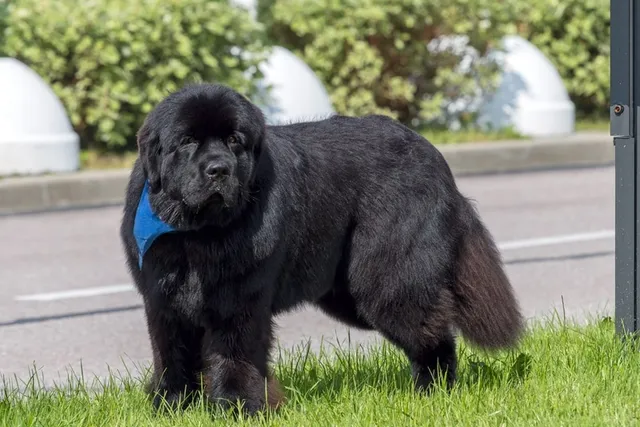
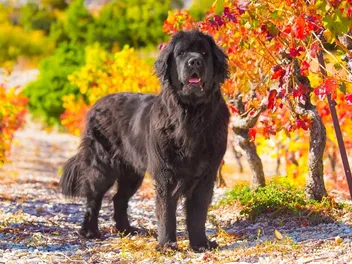
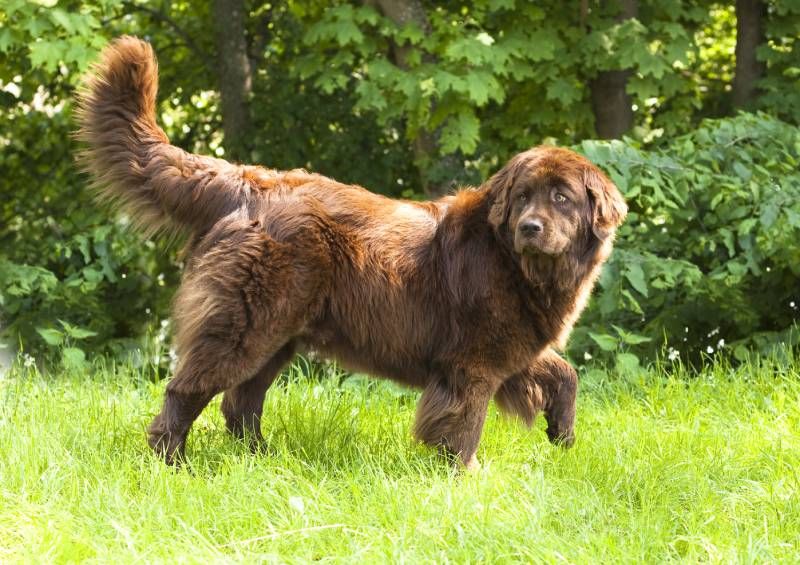
If you’re looking for a new family dog, temperament is an important factor to consider. So, if Newfoundlands are on your list of potential pets, you’ll be relieved to find out Newfoundlands are known for their calm and gentle nature. They’re known to be the gentle giants of the canine world and make wonderful rescue and family dogs.
Newfoundlands, also affectionately known as Newfies, are friendly, loving, and great with kids. Like any dog, a Newfie’s behavior depends significantly on training, socialization, and health. So, let’s look closely at Newfies and what you should know if they are exhibiting aggressive behaviors.

Signs of Aggression
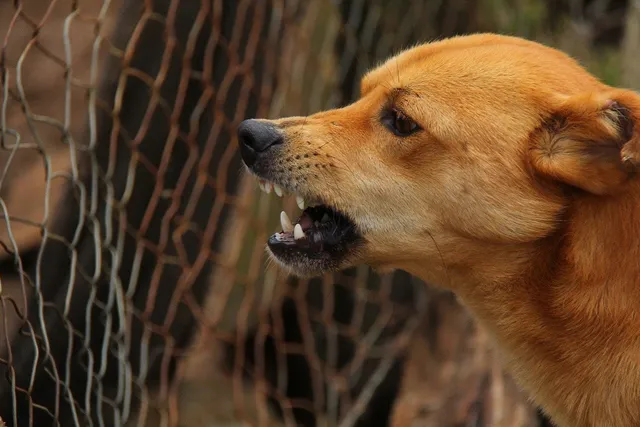
Part of understanding why your Newfoundland is behaving aggressively is recognizing the warning signs and interpreting them in context, as some signals can be subtle and easy to miss.
Dogs often give warning signs before biting, but not always, especially if they are fearful or in pain. It’s important to understand their body language and behavior, and the situation that triggered it.
In many cases, aggression is driven by fear or uncertainty, particularly when a dog feels threatened, stressed, or cornered.
A dog that is displaying fearful or potentially aggressive behaviors might:
Depending on the cause, a dog may escalate through a series of warning behaviors, which can indicate that a bite is becoming more likely, but this progression is not always predictable. Also, they might offer a warning by growling or showing you their teeth, but it won't progress to anything more, especially if the trigger is removed or the situation changes. However, these warnings should always be taken seriously. Therefore, the source of the aggression is incredibly important because if it’s something you can stop doing or remove, it could de-escalate the situation.


Reasons Your Newfoundland Is Being Aggressive
Figuring out the source of the fearfulness or aggression is an important step, but the next crucial step is figuring out what to do next, and we’ll look at what you should do to help your dog and avoid being hurt in the process. Do not hesitate to reach out to a vet if this behaviour is sudden, as it may indicate underlying illness or pain. Many cases may also benefit from the help of a behaviorist if an underlying health issue has been ruled out.
Protectiveness
Newfoundlands are known to be incredibly protective of their families, so if your dog feels you are under threat from another person or dog, they may act defensively to protect you.
Your dog mustn’t mistake something harmless for a threat and attack the mail carrier, who only tries to hand you your mail. So, it’s important to socialize and train your Newfie.
Fear
Fear can quickly turn into defensive aggression. When animals are frightened of something, their instinct is to get away from it, known as the flight response. If they cannot do that, they will defend themselves.
You should always be careful around a cowering dog. Even if they appear fearful, they may snap or nip if you reach for them. Turning away doesn’t always prevent a defensive reaction, so it’s safest not to show your back to a scared dog. Fear bites are typically meant to create distance, not to cause serious harm, but they can still be painful.
You might notice this if your Newfie is a rescue, has been neglected or abused, has been traumatized by a specific event, or has been improperly socialized. Getting information about your dog’s past from where you adopted them could be helpful, but rescued pets sometimes come with unknown histories.
You might need to invest in obedience training with a trainer who has experience working with rescue dogs if training isn’t something you feel you can deal with alone. A veterinarian can also help you find an experienced trainer.

Illness or Injury
If aggression is a sudden and new behavior, it could indicate that your dog is feeling unwell or is in pain. Some medical conditions can make dogs aggressive, and it could be a result of being in pain. Possible causes of pain that could cause aggression are internal injuries, bone fractures, lacerations, some tumors, and arthritis.
Conditions such as tumors, cognitive dysfunction, and brain diseases could impact a dog’s behavior and sometimes provoke aggression, and while likely to affect older dogs more, they are still possible in dogs of any age.
Contact a veterinarian if you are worried about your dog’s behavior, especially if it’s new and unexplained. It might be tempting to try to alleviate your dog’s discomfort by giving them pain relief, but you should never do that without advice from a vet, as you could cause more harm.
Possessiveness and Competition
You might have noticed your Newfie being possessive of toys, food, or something else they value. They might growl if a person or another pet gets too close when eating or playing with a favorite toy. In some cases, this behavior can extend to visitors in your home, especially if your dog perceives them as intruders in their space.
Resource guarding will also present as your Newfie snapping, growling, or sometimes even biting other pets who approach their bed, pick up a favorite toy, or go near their food bowl. To help combat this, you can do things like making their meals fun or trading their toys or the objects they’re possessive of for treats.
You can also do exercises to help with this behavior, which you can do yourself or with an animal behaviorist if you aren’t confident.

Sex-Related
If your dog hasn’t been spayed or neutered, you might notice they are aggressive, especially if vying for another dog’s attention. Intact males might challenge other male dogs even if there is no female, and fights can break out if there is more than one male living in the same house.
If this happens, it’s generally when the dog is around 1 to 3 years old. Neutering and spaying won't necessarily eliminate aggression, but are likely to reduce it—dogs that have been neutered are still known to fight other dogs. Reproductive status affects your dog’s behavior, but it isn’t the only factor.
However, testosterone influences their sex drive, the urge to find a mate, and behaviors such as territorial behavior, like urine marking. Neutering or spaying will reduce these behaviors.

Are Some Breeds More Aggressive Than Others?
It might seem like a generalization to say Newfoundlands aren’t aggressive, and another breed is. But these assumptions can be made for a few reasons. The dog might have been bred specifically for certain characteristics like protective or guarding tendencies, fighting skills, or hunting prowess.
Even if these dogs aren’t fulfilling their original roles now, they carry their ancestors’ DNA in their genes, meaning a particular breed is more prone to certain types of aggression than another.
However, as we pointed out, these are generalizations. Just because you have a dog prone to aggression doesn’t mean they will be aggressive. Just as having a Newfoundland doesn’t mean your dog can't become aggressive. There are certain things you can do to ensure your Newfie grows up to be confident, healthy, and well-rounded, such as:
Conclusion
Newfoundlands aren’t known to be aggressive and have a reputation for being gentle, affectionate, and wonderful family dogs. Behavior is not just inherited; it can be taught. Aggression in dogs can be incredibly dangerous, and the Newfie is a big dog. They typically weigh around 150 pounds and require owners who can handle them. If you are worried about your dog’s behavior or health, speak to your vet and contact a professional dog trainer.
Sources
Featured Image Credit: Liliya Kulianionak, Shutterstock
Expert dog care, straight to your inbox
News, insights, expert advice, and everything dog.

No spam — unsubscribe anytime.
By signing up, you agree to our Terms & Conditions and Privacy & Cookies Policy.
How useful was this post?
Click a star to rate. You can leave written feedback afterwards. (We read all feedback.)
Kerry-Ann lives in Scotland and wishes her garden was bigger so she could have her very own Highland cow but thinks her dogs probably wouldn’t like that idea very much. She has a La Chon called Harry who was poorly with a liver shunt when he was a puppy. It wasn't likely he would make it into adulthood, which was difficult to comprehend, but he beat the odds and is a healthy old man now. She also has a Pug called Maddie who is a big foodie. She’s small, sassy, and every day she finds a new way to wind her brother up.
When she isn’t writing you can find Kerry-Ann going for long walks when it isn't raining, reading, or watching cartoons when she should be tidying her house. She would one day like to be a tourist in her own country and travel through the Highlands with her family.