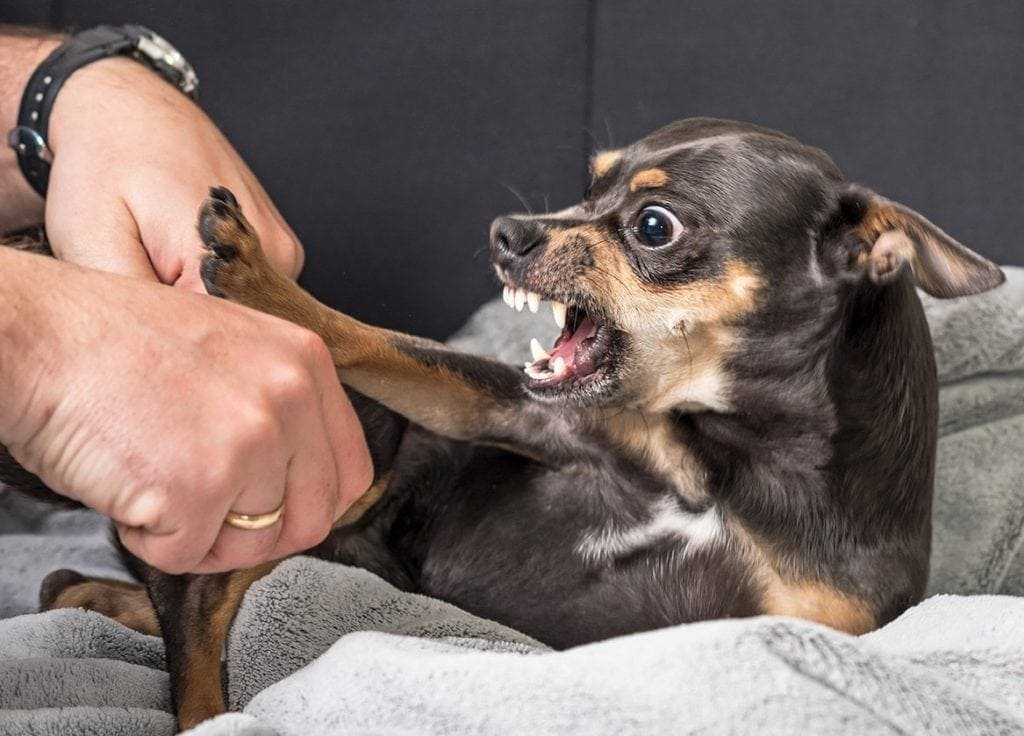
How Aggressive Are Havanese Dogs? Vet-Verified Facts & FAQ

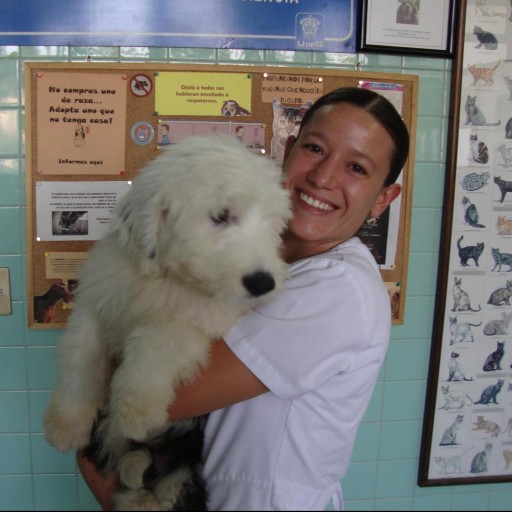
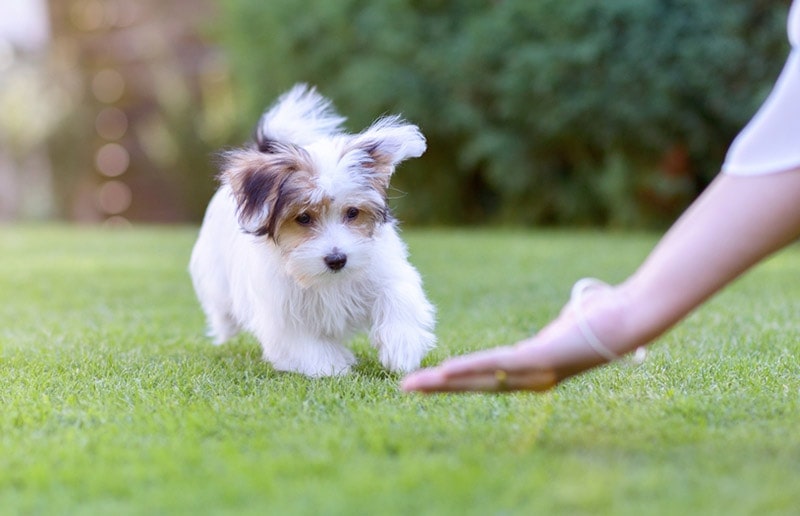
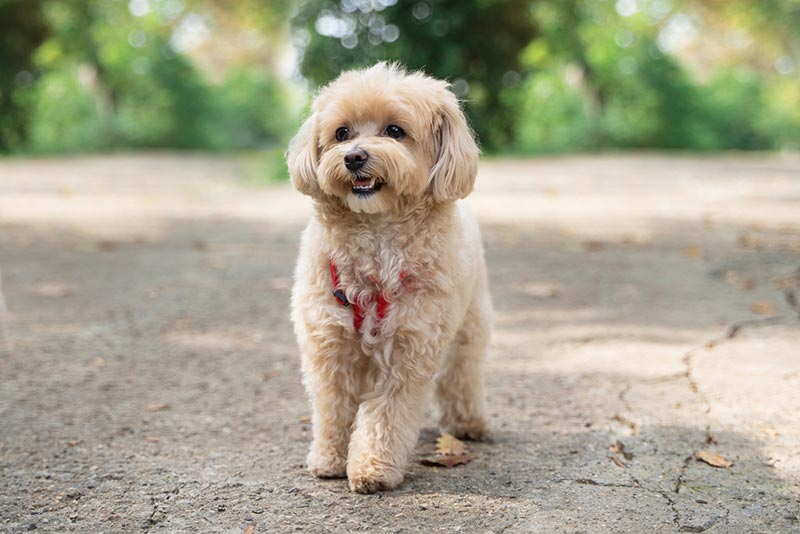
A small toy dog from Cuba, the Havanese has a round face, beautiful eyes, floppy ears, and a long, silky coat that may be straight or wavy. These cute pups have a playful and affectionate temperament. They are also intelligent, and generally social, bright, and cheerful, making them great family members.
Havanese dogs don't have a reputation for being aggressive. However, even if exceptions are rare, they can still exist. In this article, we'll discuss a few factors that can induce aggression in Havanese and some common warning signs that might indicate it. We also discuss the best ways to help your beloved animal friend reduce the risk of aggressive behavior and how to manage it.

Typical Havanese Temperament
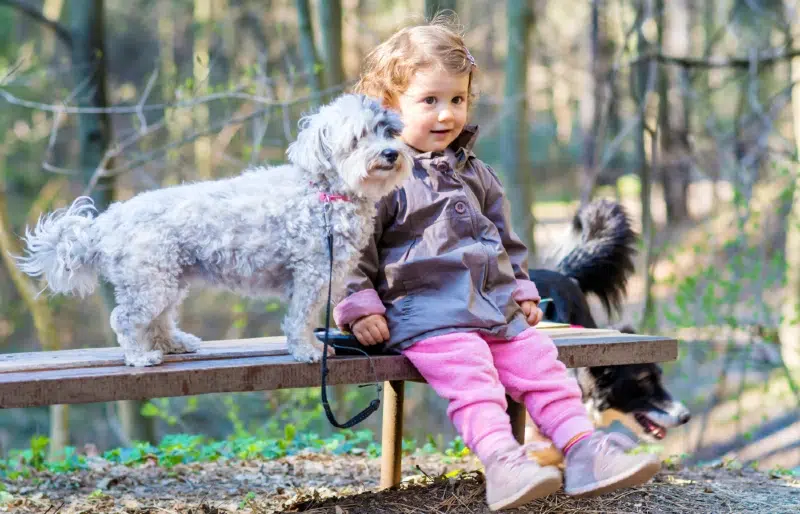
The word "charming" is not good enough to describe the Havanese. These extrovert pups are clever, sweet, eager to please, and entertaining. This dog may be a perfect companion if you're looking for a small pet with a gentle personality. Their friendliness also makes them fit in many kinds of homes, including apartments. With kids and other animals, these dogs generally get along wonderfully when properly socialized. In addition, they are an ideal choice for people who love traveling, as they are small and typically don't bark much.
However, a Havanese will struggle if left alone for a long time. These little pups crave company, so they can develop destructive behaviors or separation anxiety when bored and lonely. That's why you should only get this breed if you are able to give them enough time and care.

How Aggressive Are Havanese Dogs?
It’s safe to say that one of the breeds with the lowest chance of aggression is the Havanese. Nonetheless, they may become frustrated or exhibit unwanted behaviors if their needs (such as social interaction, mental stimulation, or training) are not adequately met. In addition, they can develop fear-based or defensive-aggressive behaviors that are challenging to handle if they have experienced some trauma or received poor training in the first months of life.
Most Common Signs of Aggression in Havanese
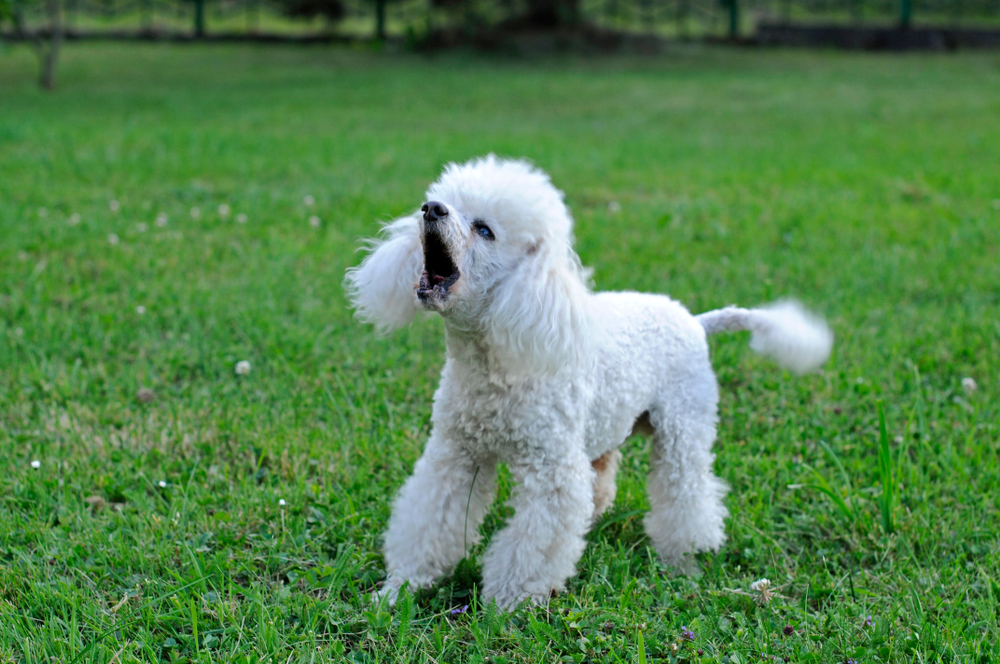
In the Havanese, aggressive behavior is usually easy to spot. A canine acting aggressively might:
Reasons Why Havanese Dogs May Get Aggressive
Potential Separation Anxiety
The Havanese requires a lot of company and dislikes being left alone for longer than a few hours, more than most other breeds do. Barking or gnawing on things are two common ways they show signs of distress or anxiety.

Medical Condition
Some Havanese exhibit aggressive behavior as a result of a medical issue. Aside from acute painful conditions, canines with thyroid abnormalities, sensory impairments, adrenal dysfunction, orthopedic problems, seizure disorders, and cognitive dysfunction may show changes in behavior, including increased irritability or defensive aggression.
Behavioral Problems
The cause of behaviorally rooted canine aggression is often a response to fear, stress, or perceived threats. Your Havanese may just be protecting their food, possessions, territory, or family members from perceived threats. This reaction is known as resource guarding. Fear, frustration, or anxiety are also common causes of behavioral aggression.
In the case of rescued Havanese, the situation is even more challenging to understand. Regardless of the details, any dog would find moving to a shelter to be a very traumatic experience. Often, owners are unaware of all the circumstances that led to their Havanese ending up there. Behavior problems can occur in some rescued dogs, but they are not inevitable, and many adjust well with appropriate care and training.
How to Prevent Your Havanese from Acting Aggressively
Since aggression can be reduced with early training and socialization, prevention is the key to behavioral issues in your dog. Even when genetics is a factor, aggressive acts can often be reduced, managed, or prevented with appropriate training, socialization, and environmental management.
Building a positive, consistent relationship with your dog using reward-based training and clear communication is important.
How to Manage Your Havanese Dog’s Aggression
Before you do anything else, it's critical that you bring your dog to the vet if they have a behavior problem that could be caused by or made worse by a medical condition. You have to work closely with your vet if a medical issue is detected.
In the event that your vet has ruled out a medical condition, you should set up a meeting with an animal behaviorist or professional dog trainer. Aggression is a complex issue, so fixing it alone may not be a good idea. An expert will help you identify the root of the aggressive behaviors and develop a plan for handling them. You can ask your vet for a referral to find a good trainer or behaviorist.
Please note that there is no easy way to turn your Havanese into a well-behaved dog overnight, especially if their aggression is in a severe phase. You'll need the right approach and patience to stop your dog's aggressive behavior. Avoid punishing your dog because it can increase fear and anxiety and may worsen aggressive behavior. Instead, use positive reinforcement to encourage desired behaviors and improve your dog’s response to triggers.

Conclusion
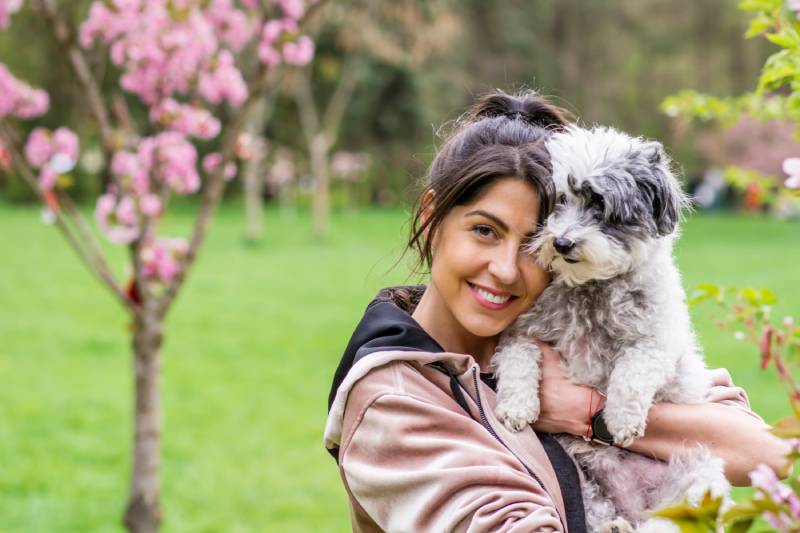
Havanese dogs are generally not considered to be aggressive dogs. They are renowned for being kind, affectionate, and devoted canines who strive to please their owners. There will be some instances of Havanese behaving aggressively, but this is not the norm for the breed. If you spend quality time with your pet and offer them lots of love and care, they will be more likely to feel secure and well-adjusted, which can support the development of a well-behaved and social companion.
See also:
Featured Image Credit: michaelheim, Shutterstock
Expert dog care, straight to your inbox
Vet-reviewed advice, training tips, and the best of Dogster. Free, and you can unsubscribe anytime.
By signing up, you agree to our Terms & Conditions and Privacy & Cookies Policy.
Living in Vietnam, Hanh is a freelance writer with a deep affection for working online and creating content about animals, with a special focus on dogs. She finds joy in assisting pet parents globally by imparting her knowledge and insights from other experts. When she's not writing, Hanh enjoys traveling and exploring various cultures.
Join the conversation
Ask a question, share your story, or send private feedback.