Dog Breeds That Fart a Lot: Most Gassy Canines (Vet-Verified)



In this article
Dog farts are one aspect of ownership that you’ll either love or hate. On one hand, a tendency for cute and humorous toots can make a pup all the more endearing. Conversely, a room-filling stink will often leave you feeling nauseated and embarrassed.
While any dog can become prone to gas if lifestyle factors promote it, some breeds seem to be more flatulent no matter what. If you’re wondering whether your pet’s gassiness is cause for concern or par for the course, we’ll explore which dog breeds typically fart the most.

How Are Dog Breeds That Fart Classified?
There is research into canine flatulence, factors that affect it and how to accurately measure it. However we could not find a large scale study that looked into the levels of flatulence per breed. There is however, a wealth of anecdotal evidence that the following breeds are more gassy than others.
Dogs can have more flatulence depending on their diet, eating habits, gut health and physical activity. Issues like allergies or low exercise levels can affect gut health and subsequent flatulence, while some diets and excessive treats can also disagree with their digestion. Though some dogs are more prone to farts, owners also have some control over them. If your dog is causing concern with the number of toots, especially if combined with other gut disturbance such as soft stools or vomiting that you contact your veterinarian for advice.
The 8 Dog Breeds That Fart a Lot
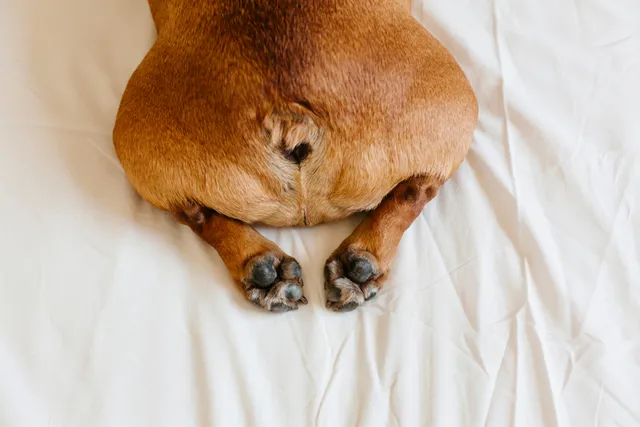
1. French Bulldog

America’s favorite dog has won the hearts of owners from all walks of life for their easy care and adorable traits. The French Bulldog was refined in France as the Industrial Revolution displaced textile workers from England, many of whom brought their beloved toy Bulldogs to their new home on the European mainland.
After crossings with various breeds to give us their modern characteristics, including the signature bat ears, Frenchies enjoyed a surge in popularity. Owners adore them for their affectionate, outgoing temperaments, and their small bodies make them popular with those with a small dog-shaped hole in their lives. Their propensity for flatulence due to their shortened snout adds yet another quirk to their already humorous personalities.
2. English Bulldog

The English Bulldog may have originated as a bull-baiting dog, but since the outlawing of blood sports in the 1800s, the breed has found a new status as an in-demand companion. Currently among the top 10 most popular dogs with the AKC, the Bulldog’s irresistible looks and calm, loyal temperaments make them a hit with anyone they meet.
Like French Bulldogs, English Bulldogs have brachycephalic faces and sensitive stomachs that can promote gassiness. Their squashed faces obstruct their airways, creating negative intrathoracic pressure changes when they breathe. This may also cause digestive tract damage, such as hiatal hernias or reflux, affecting digestion and worsening gas.
3. Pug

The ancient Pug has been a companion animal since their origins in China. A favorite pet of the country’s elites, the Pug has enjoyed a stately status everywhere they go, from Tibetan monasteries to European courts. Monarchs, celebrities, and ordinary folk have all found reason to love their faultlessly friendly and entertaining demeanors despite their tendency for flatulence.
Pugs have the same obstructive features as other brachycephalic breeds, making them more likely to fart a lot. Many also have voracious appetites. Alongside their sensitive stomachs, their rapid eating habits may cause them to be gassier than most dog breeds.
4. Beagle

The charming and ever-upbeat Beagle presents a spritely personality anyone can love. As a former pack hunter, the modern dog comes standard with energy, athleticism, and a desirably social character that allows them to get along with people and pets. The only potential downside is their indiscriminate eating habits, which cause digestive upset, including excessive flatulence.
Food-loving Beagles set themselves up for extra farts due to their rapid feeding patterns that cause poor digestion and excessive air-swallowing, both of which may contribute to gassy buildup. They’re also clever scavengers, often finding edible scraps inside and outdoors that can lead to indigestion and flatulence.
5. Boxer

Closely related to the Bulldog, the Boxer developed into a prized German hunting dog in the 1800s. Alongside their strength, athleticism, and courage, the breed had various unique traits that supposedly made them a better hunter, including their undershot jaw and protective facial wrinkles.
Unfortunately, the brachycephalic head sporting those features also causes breathing issues that make short-snouted dogs prone to flatulence. The breed’s susceptibility to diet sensitivities further leaves them open to inflammation and upset that can promote gas.
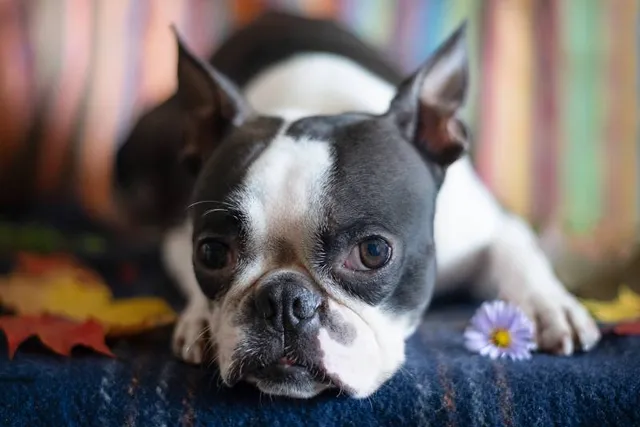
6. Boston Terrier

As another breed related to the Bulldog, it’s no surprise the Boston Terrier shares many traits with the French Bulldog. The compact breeds have similar short snouts, perky ears, and, in many cases, coat colors and patterns, and their tendency toward flatulence makes them undeniable kindred spirits.
Like other brachycephalic breeds, Boston Terriers swallow more air (aerophagia) than most canines. The role of aerophagia in farting is not fully confirmed but along with their sensitive stomachs and other health complaints they could collect more gas in the digestive tract, which the dog will often expel in quiet yet stinky farts around the house.
7. Golden Retriever

As a long-time hunting companion, the Golden Retriever boasts a desirable balance of energy, trainability, and friendliness that has helped them maintain their status as a favorite family dog for decades. The breed comfortably sits among the top five most popular breeds with the AKC, continuing to win hearts despite their inclination toward gassiness.
Room-clearing farts are part of the package with many Goldens. Sensitive stomachs and food intolerances can cause excessive gas, and it may take some experimenting to find agreeable products. Your Golden may not stop farting entirely, but a gentler diet with limited, high-quality ingredients can often reduce it to a tolerable level.
8. Staffordshire Bull Terrier

The muscular and agile Staffordshire Bull Terrier came into being as a fighting dog used for sport. Thankfully now they are settling into their modern role as a beloved family pet. Charming in looks and personality, these adorable, even-tempered dogs endear themselves to all, even when they struggle with bouts of bad gas.
Several factors can affect a Staffie’s flatulence. Voracious eating habits can cause them to swallow air during mealtimes, and their stomach sensitivity and susceptibility toward obesity can affect their digestion. You can reduce their funky farts in many cases by finding offending ingredients and removing them from the diet.
What Factors Affect Dog Flatulence?
Flatulence in dogs is usually the result of bacterial fermentation of dietary starches. There is anecdotal evidence to support that swallowing excessive air while eating may also cause an increase in flatulence. Thus it is thought to be more common in dogs that guzzle down their food and/or have brachycephalic face shapes. Gut health, the speed that food passes through the gastrointestinal tract, improper digestion and malabsorption resulting in more substrate moving to the colon, where bacteria proliferate and expel gas that exit as farts, all play a part. Causes of digestive issues may include low-quality food, food intolerances, or diseases, including:
While you may think your dog is gassier than others, the foods you offer and your dog’s daily routine may predispose them to flatulence more than any breed-related reasons. The following are a few tips to consider if you’re wondering how to get your dog’s farts under control.
A vet will be able to advise you on the best course of action to ensure the well-being of your pet.
How to Manage Dogs That Fart a Lot
1. Use Slow-Feeding Bowls
A slow-feeding bowl contains partitions that keep dogs from eating their food too quickly. Making them work harder for their food prevents them from swallowing too much air and letting them chew their food more to promote better digestion.
Alternatively, you can use a portion-control ball. The large, stainless steel ball sits in your dog’s normal bowl, giving them something to eat around and making them slow down.

2. Provide Probiotics
Offering probiotics can restore your dog’s gut functioning and improve digestion. By boosting their microflora, they can efficiently process food and leave less substrate in the large intestine that can cause gas.
3. Avoid Gas-Inducing Ingredients
Several dietary factors can come into play that support more flatulence. Many ingredients have low digestibility, causing them to wind up in the colon, where bacteria consume them and make your dog fart. If they contain sulfur, they’ll add a stinky smell. Food factors that can lead to more gas production include:
Generally, you should only feed your dog high-quality foods with few novel ingredients. Finding an easily digestible product may take some trial and error, as dogs differ in which ingredients they tolerate best.

4. Address Food Allergies and Intolerances
Individual dogs can have unique issues with some ingredients, including specific meats, grains (primarily wheat), and lactose. Allergies and intolerances can cause inflammation, poor digestion, and malabsorption, leaving more waste for gas-producing bacteria to consume.
To determine if your dog has an intolerance, you may need to try an elimination diet to see whether problems disappear and reappear by adding individual ingredients. Some diets use novel proteins that won’t ignite allergic reactions, while hypoallergenic diets include hydrolyzed proteins that antibodies won’t recognize. This should be done under the supervision of your veterinarian to ensure they are still getting all the nutrients that they need.
5. Resolve Parasites and Underlying Health Issues
Health problems are common causes of gut inflammation and poor digestion that can cause excess flatulence. Your dog may have intestinal parasites, pancreatic malfunction, or other ailments that your vet must assess to develop a recovery plan. Your dog’s flatulence, among other signs of distress, should subside with treatment.

6. Prevent Dietary Indiscretion
Curious and sneaky dogs have a habit of getting into trash, table scraps, litter, and other materials their owners would prefer they leave alone. Many contain indigestible sugars or proteins, high-fat contents, spices, and various substances that can disagree with your dog’s stomach, causing excessive gas.
While you should prevent access to foods in the household and teach obedience commands like “leave it” or “drop it,” you must also limit how many treats your dog eats. Treats should only make up 10% or less of their daily intake. With too many treats throughout the day, you can expect some indigestion and more flatulence.
7. Surgery
Flat-faced dogs with brachycephalic obstructive airway syndrome (BOAS) face a lengthy list of health problems. The negative pressure this causes on the digestive tract can damage it, compounding issues that result in excessive flatulence.
Surgery to correct problems like stenotic nares (narrowed nostrils) or an elongated palate can reduce the amount of air that brachycephalic dogs swallow. The improved breathing will promote a better quality of life overall, as your dog won’t struggle as much during exercise, sleep, or feeding.
Conclusion
Dog farts are a humorous facet of ownership for many, but those who can’t stand the sound or the smell will be happy to know they aren’t always unavoidable. Although some breeds are more prone to flatulence, many causes behind it are well within the owner’s control. Talk to your vet about your dog’s excess gassiness, and use these tips to make positive changes for your dog’s health and your home’s comfort.
Sources
Featured Image Credit: UfaBizPhoto, Shutterstock
Expert dog care, straight to your inbox
Vet-reviewed advice, training tips, and the best of Dogster. Free, and you can unsubscribe anytime.
By signing up, you agree to our Terms & Conditions and Privacy & Cookies Policy.
Nicole has loved animals of all sizes her whole life so it's no wonder she has dedicated her career to helping them through what she loves best: learning, writing, and sharing knowledge with others. She’s the proud mom of two dogs, a cat, and a human. With a degree in Education and 15+ years of writing experience, Nicole wants to help pet parents and pets around the planet to live happy, safe, and healthy lives.
Join the conversation
Ask a question, share your story, or send private feedback.