Barbet Dog Breed: Info, Pictures, Facts & Traits


In this article
If you’re looking for a breed that loves to be near their owners and is bright, friendly, and always up for adventures, look no further than the Barbet. These medium-sized dogs make excellent hunters and have been around as early as the 6th century. Bred for hunting with a willingness to work, these canines are loyal, calm, and intelligent, making excellent family members and hunters.
In this guide, we discuss everything about the Barbet, also known as the French Water Dog, so you can determine if this breed is right for you.
Breed Overview
Height:
Weight:
Lifespan:
Colors:
Suitable for:
Temperament:
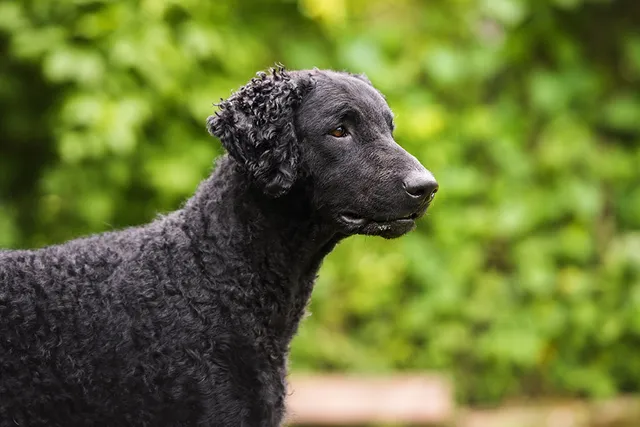
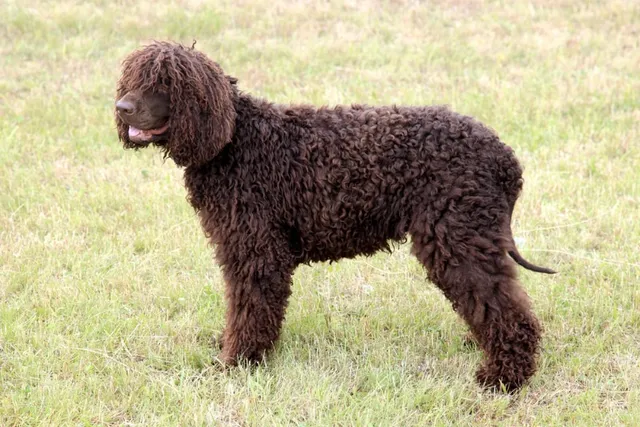
The Barbet (pronounced bar-BAY) is one of the oldest breeds around, with a history dating back to 6th-century Europe. However, it wasn't until 1387 that they were first mentioned in a book. The breed has recently gained attention outside of Europe, being newly recognized in the Sporting Group by the American Kennel Club (AKC) in 2000.1 These curly-coated dogs have an impressive ancestry, including the Bichon Frise, Poodle, Newfoundland, Otterhound, and Briard.
Barbets have a calm, loving temperament and love to be near their owners. They have tireless energy for swimming and have proved worthy of hunting fowl in Europe, as their webbed feet enable them to swim with ease. Bred to locate, flush, and retrieve birds, they will not hesitate to run into the murkiest, swampiest areas to perform their jobs, giving them the nickname, “mud dog.”
Barbet Characteristics

Barbet Puppies
Despite the curly coat of the adult Barbet, puppies’ coats appear smoother and wavier; however, it doesn’t take long for the curls to roll in. Puppies are active and inquisitive, and they are always exploring their surroundings with every chance they get. The Barbet is naturally drawn to water, and the puppies waste no time swimming. Barbets have a goofy and clownish side, and puppies exhibit these traits early on.
The Barbet is a lesser-known breed, and finding puppies is not easy. There appear to be just a few reputable breeders in the United States, and even then, you’ll likely be on a waiting list for 1 to 2 years. The Barbet Club of America advises that most U.S. breeders do not breed for quantity or to meet demand, so don’t expect to adopt a Barbet anytime soon.2 The breed was introduced into the States in 1994, and it’s estimated there are roughly 1,000 Barbets in the country.


Temperament & Intelligence of the Barbet 🧠
The Barbet is a happy-go-lucky breed that is always up for adventures. They excel in water sports due to their expertise in hunting fowl and are loyal and loving to their owners. They are friendly, joyful, and fun-loving dogs with a calm nature. These dogs are playful and social with a cheery disposition, and they are also highly intelligent.
The Barbet was bred for centuries to be hunters, and they excel in this activity, especially given their strong, medium-sized builds. Needless to say, the Barbet has an ideal temperament and high intelligence, making them ideal companions with proper socialization.
Are These Dogs Good for Families? 👪
The Barbet makes an excellent family dog. It’s no secret that they are loyal to their owners and desire to be near them at all times. That said, they do not do well being left alone for long periods or with families who lead a sedentary lifestyle. They are happiest with families who go on regular hikes, swims, or any outdoor activity and are easy to live with as long as their daily exercise needs are met. They are also excellent travelers. As long as they are with their family members, all is good. They adapt easily and have enough intelligence to be well-rounded, well-behaved dogs with active owners.
The Barbet makes good watchdogs and will bark if a stranger comes to the door, but once they get the cue from you, their owner, that there is no threat, they will settle down quickly.
They do well with children, especially considering their goofy and clownish side naturally draws them to youngsters. They are inherently gentle with kids, but supervision is always suggested, especially with small children due to the breed’s medium build. Kids must also be taught to respect the Barbet and not pull their tail, hair, etc.

Does This Breed Get Along With Other Pets? 🐶 😽
The Barbet is considered a good match with other pets. However, much like with any breed, early socialization is key. They should be exposed early to other pets for joyous companionship. Keep in mind that the Barbet is a hunting dog, so supervision is a must around cats and small pets. However, if the Barbet is introduced to cats and other small pets at an early age, they can learn to enjoy their companionship rather than hunt them.

Things to Know When Owning a Barbet
Food & Diet Requirements 🦴
The Barbet should be fed a diet of high-quality, animal-based proteins, such as chicken, lamb, turkey, duck, beef, or fish, considering the breed’s high activity levels. Some breeders recommend a raw diet that consists of organ meats, small amounts of fruits and vegetables, and a few supplements. It’s best to provide dog food approved by The Association of American Food Control Officials to ensure that nutritional needs are being met. The food should also be free from fillers and artificial ingredients.
The Barbet typically requires 2–3 cups of high-quality dog food divided into two meals per day. However, it’s best to consult your veterinarian about feeding requirements, especially when factoring in your Barbet’s age and activity level.

Exercise 🐕
These active dogs require moderate daily exercise to be fit and happy. They love long walks on a leash but also love the freedom to run off leash in a large, fenced area (if not hunting). They are agile athletes and love any activity involving water, given they are swamp and marsh game retrievers. They also do well with indoor activities, such as a game of hide-and-seek or chasing a ball around.
The Barbet also loves going on hikes, and they excel in agility, obedience, luring, and other dog sports. After exercising the Barbet for at least 1–2 hours per day, they will happily lounge close to their owners for rest. Physical and mental stimulation is important for the breed, and it’s always advisable to keep interactive puzzles and games on hand to keep them engaged.
Training 🎾
The Barbet breed is deemed agreeable and responds well to training with positive reinforcement. They are intelligent enough to learn quickly and are willing to please their owners. They are sensitive, making positive reinforcement training a must. Harsh training techniques will not work, and the Barbet will shut down if they feel the owner’s mood is negative.
They bore easily with repetitive drills, and it’s best to keep training fun, positive, and interesting to keep the Barbet engaged. Stay firm and consistent, and you’ll have a well-behaved Barbet companion.

Grooming ✂️
Barbets are not big shedders, but they do have an undercoat that sheds minimally. In fact, they have thick, curly hair, not fur, and do not shed in the same way other breeds do, such as the Golden Retriever. The hair grows constantly, and trimming is required, especially on the bottom of the paw pads so the hair is flush. You must also brush the hair at least once a week to prevent matting. They require baths only once a month or so.
The Barbet’s nails grow quickly, and it’s imperative to stay on top of nail trims to avoid splitting and cracking. Brush the teeth regularly with dog-safe toothpaste, and check their ears and clean them as needed to prevent wax buildup.
See Also: Best Dog Shampoos
Health and Conditions 🏥
The Barbet is a healthy breed due to selective breeding, but they can still be prone to certain health conditions. There are not many Barbets in the States, and breeders work together to share any health issues to gather as much information as possible to breed healthy dogs.

Male vs. Female
There isn’t much difference between the sexes, but some owners claim that males are more easygoing than females; however, this might not always be the case. The fact is that both males and females have exceptional traits and are loving, intelligent, and friendly if raised properly.

3 Little-Known Facts About the Barbet
1. The Name “Barbet” Means “Beard” in French
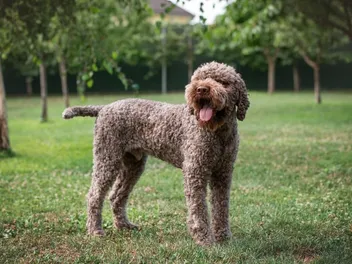
Their name came from the French word “barbe,” meaning “beard,” as they have distinctive beards on the muzzle and jaw. In fact, they are often mistaken for Goldendoodles because they are similar in appearance, and Goldendoodles also have beards.
2. They Are Considered Hypoallergenic
While there is technically no such thing as a hypoallergenic canine, dogs that shed minimally are considered as such due to having low levels of dander, which is the culprit that aggravates allergies. Allergy sufferers can live comfortably with the Barbet, thanks to their low-shedding, non-fur, curly hair.

3. They Nearly Became Extinct
Due to the ongoing world wars during the 20th century, the Barbet almost became extinct. This old breed’s population suffered great damage in France; however, thanks to dedicated lovers of the breed, they worked to revive the population and did so successfully.

Final Thoughts
The Barbet is a fun-loving, sweet-natured, and intelligent breed. They are excellent workers that have proven to be excellent family dogs and make wonderful family companions for active families. They require moderate exercise to be fit and mentally stimulated but will lounge with the family once they are tired. They are loyal and loving with cheerful dispositions, but you shouldn't expect to adopt a Barbet from a breeder anytime soon, as there is typically a waiting list of 1–2 years.
Sources
Featured Image Credit: Ysbrand Cosijn, Shutterstock
Expert dog care, straight to your inbox
Vet-reviewed advice, training tips, and the best of Dogster. Free, and you can unsubscribe anytime.
By signing up, you agree to our Terms & Conditions and Privacy & Cookies Policy.
Rachel Giordano is a writer and musician living in Pensacola, Florida, with her partner and their two dogs, Aero, a Border Collie/Sheltie mix and Sophie, a Boston Terrier. Rachel holds a Bachelor of Arts degree in communication and loves writing about animals of all types. When she’s not writing about pets, she loves to write suspense/thriller novels. A musician by night and writer by day, she enjoys educating the public about the needs and requirements of animals, big and small.
Join the conversation
Ask a question, share your story, or send private feedback.