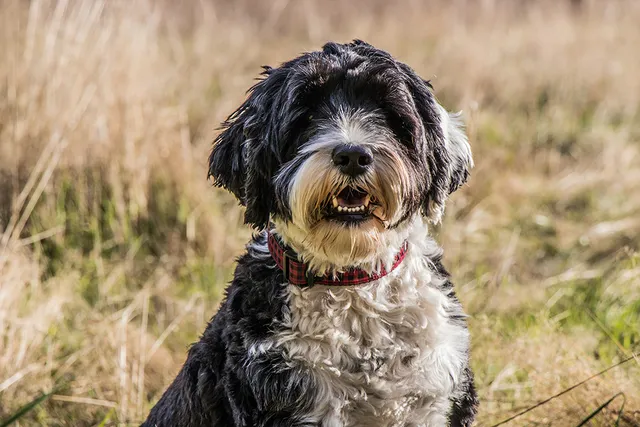
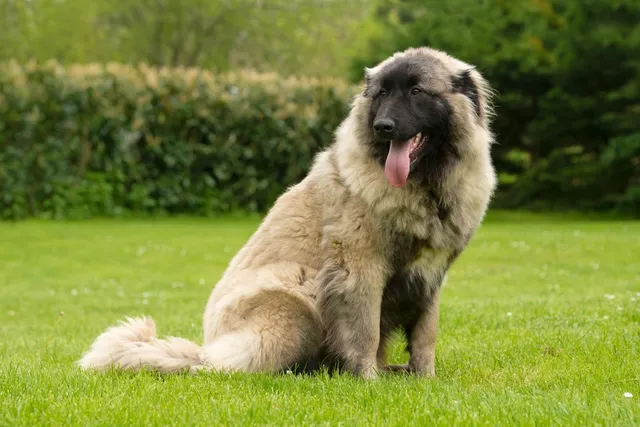
Barbado da Terceira Dog Breed: Info, Pictures, Care, & Facts

In this article
Even after several millennia of dog domestication, the canine community never fails to surprise us with something we’ve never seen before. The Barbado da Terceira is perhaps the perfect example, as the shaggy-haired herding breed only recently arrived in the United States, giving us an almost brand-new model to fawn over. It’s a newsworthy event whenever these rare dogs join the community.
Though new to us, the Barbado da Terceira has a rich history in their remote homeland in the Azores. Find out why these fun and fit canines might be an excellent match for your family as we detail the Barbado da Terceira’s personality, needs, and characteristics.
Breed Overview
Height:
Weight:
Lifespan:
Colors:
Suitable for:
Temperament:
The Barbado da Terceira began as a herding and livestock guardian dog, developing the loyal, trainable, and confident character we see today. Though hard workers on the farm, these energetic souls are often happiest while playing, training, and bonding with family and friends.
Owners appreciate the Barbado da Terceira’s protective qualities and obedience mixed with willfulness, acknowledging their intelligence and decision-making skills. Thanks to their hypoallergenic coat, there’s no reason any experienced, loving owner shouldn’t consider one of these stalwart family guardians and companions.
Barbado da Terceira Characteristics

Barbado da Terceira Puppies

Since they’re new to the United States, the Barbado da Terceira is only available through a handful of dedicated breeders nationwide. While we always stress the value of adopting, this is one dog that is unlikely to show up in a shelter or rescue, making purchasing from a breeder the only option in many cases.
Although there are less than ten breeders in the country, interest in the breed is growing, meaning there’s always another puppy right around the corner. Fortunately, reputable breeders in Portugal and America work diligently to space litters out and perform testing to prevent inbreeding and related health issues.
The Barbado da Terceira Club is a perfect starting point for finding a breeder and researching upcoming litters. There is even a mechanism for connecting with owners and seeing the dogs in person before deciding.
Once at home, your puppy should experience consistent training and socialization. As Barbados are willful and protective, establishing strict boundaries, frequent obedience training, and positive experiences with strangers and pets will be essential in developing an even temperament and avoiding mischief.
Barbado da Terceira Origin & History
The Barbado da Terceira’s story begins in the 1500s on Terceira, one of the nine volcanic islands in the Azores archipelago about 1,000 miles from Portugal’s shores. Theories on the breed’s origins include mixes of hunting dogs from the mainland, such as the Griffon and Barbet, and the more likely scenario of combinations of high-altitude sheepdogs, like the Pyrenean Shepherd and Bergamasco.
The BDT grabbed the attention of the Portuguese Kennel Club (CPC) in 1997 when dog fanciers visited Terceira. The CPC formally recognized the Barbado da Terceira in April 2004 and developed a standard the following year.

Temperament & Intelligence of the Barbado da Terceira 🧠
The Barbado da Terceira represents many of the most desirable traits in a companion animal. They’re exceptionally intelligent and loyal but never afraid to goof around and entertain the family with their fun-loving ways.
Since they operated as independent cattle herders and livestock guardians, they are tough, driven, persistent, and assertive. They like to solve problems and do things their way, so owners must assert their leadership and enforce strict rules. Otherwise, Barbados can dig in their heels and make their displeasure known. They are also a sensitive breed, highlighting the need for positive reinforcement and a firm yet gentle hand.
With a committed, consistent, and trustworthy teacher, the BDT’s willful nature will often subside, revealing a remarkably trainable, docile talent. While the Barbado da Terceira is loyal and loving with family, they can be aloof with strangers.
They’ll sound the alarm when strangers come near the home and view any unknown interloper with wariness and poise. When they establish trust, they become great friends with others. Unfamiliar dogs can also inspire conflict since BDTs may bully and fight another to assert dominance or protect their territory.
Are These Dogs Good for Families? 👪
Barbado da Terceira are excellent family dogs. They’re gentle, loving, and fun, always up for spending time with their pack but quick to respond to potential threats. Given their high energy levels and athleticism, owners should always supervise their children while playing with their BDT.
Does This Breed Get Along With Other Pets? 🐶 😽
The Barbado da Terceira can be unwelcoming and territorial toward other dogs, but they’ll often accept other pets when they realize they’re part of the family. Slow introductions work best to create positive associations with any new animals and prevent your dog from lashing out. Pairing them with other pets from a young age is the best way to ensure a cohesive relationship.

Things to Know When Owning a Barbado da Terceira
A well-socialized Barbado da Terceira is friendly and affectionate but still takes daily work to manage. They’re high-energy and stubborn yet typically obedient and easy to handle if you don’t allow them to make the rules. Use a steady hand while being kind, as harsh punishment, yelling, and beratement can shut them down and damage your bond.
Food & Diet Requirements 🦴
Barbado da Terceiras don’t have unique diet requirements (other than high-quality food) and aren’t prone to obesity, making feeding an easy task. Puppies stay on puppy formula for the first 12 months, eating three to four meals daily. Adults can eat 2–3 cups of food daily between two meals, though owners can often trust their dogs with free feeding.
Exercise 🐕
With their active lifestyles, they should receive at least an hour of daily activity. Long walks, hikes, and jogs are up their alley, as are backyard games and activities. Quality exercise on a consistent schedule will help you build your bond and encourage better behaviors while your dog is in the house. If well-socialized and outgoing, you can also take them to the dog park to play with friends.
Try enrichment activities that bring out your Barbado’s natural drives. They are at their best when they have a job. Sports with clear goals, such as agility, obedience, and herding competitions, are excellent options. For convenience, you can also get a herding ball for the backyard to satisfy their urge to work.
Training 🎾
Training a Barbado da Terceira is a rewarding activity that will pay off if you use positive reinforcement and avoid aversive punishment. Motivated dogs enjoy pleasing their owners and learning new tricks, commands, and jobs. Ongoing socialization and exposure to diverse people, animals, objects, and situations should also factor into the routine.
Be aware of the BDT's herding behaviors and tendency to round up people playing or nip at heels. Avoid situations where they might want to herd, and distract them with other activities if they show the behavior.
Impulse training such as “learn to earn” may help keep your dog’s focus on you for direction, quell excitability, and establish rules for behavior. Puppy training and obedience classes can also set your dog off on the right foot, but owners must do daily training at home to facilitate cooperation.
Grooming ✂️
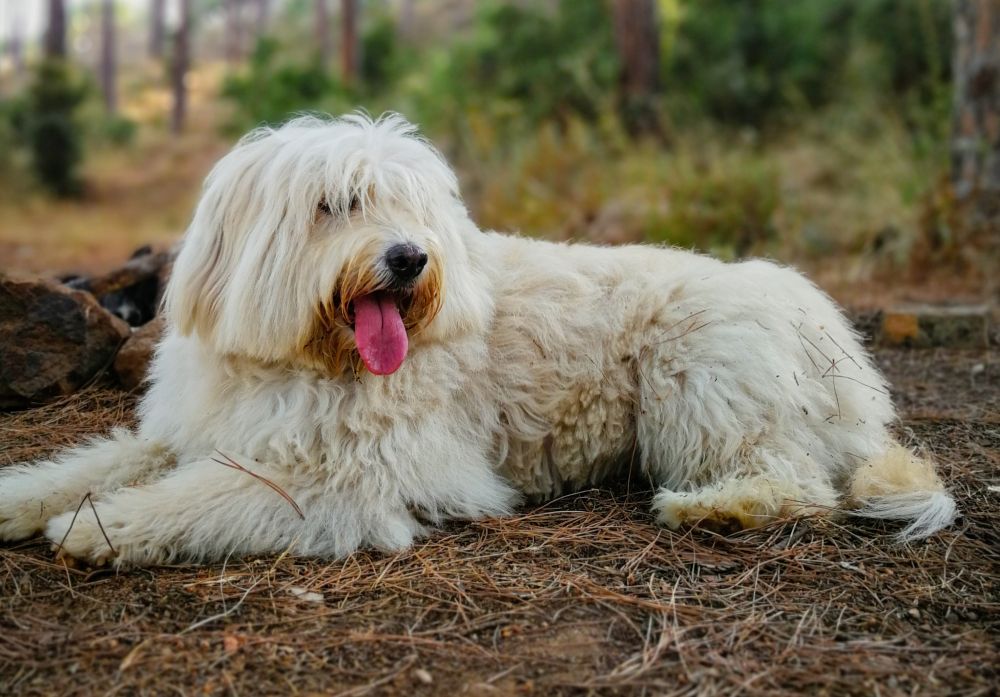
Often mistaken for a doodle, the Barbado da Terceira is a hypoallergenic, low-shedding breed ideal for sensitive individuals. While this translates to less hair around the house, grooming becomes more labor-intensive.
BDTs only need baths once every few months, but coat grooming should occur at least two to three times weekly. Brush their medium-length wiry coats with a pin brush, slicker, and comb to remove mats, tangles, dirt, and debris.
Their hair will need occasional trimming when it grows too long, particularly around the ears, eyes, and paw pads. Though you can do this at home, you may want to work with a professional groomer. Weekly ear checks and as-needed treatments with ear powder, daily toothbrushing, and nail trimming every 3–4 weeks will complete your dog’s grooming needs.
Health and Conditions 🏥
The Barbado da Terceira doesn’t have many well-documented unique health risks. Hip dysplasia is a common concern. Some BDTs also carry an MDR1 gene mutation similar to Border Collies and other herding breeds. The genetic quirk causes toxicity from certain medications, primarily ivermectin, a common heartworm preventative. Owners must look at screenings from breeders to ensure their dogs aren’t prone to debilitating genetic disorders.
Male vs Female
The male Barbado da Terceira is taller and heavier than the female and more powerful as a result. Temperament and general personality don’t differ, and both sexes are receptive to quality training and socialization.

3 Little-Known Facts About the Barbado da Terceira
1. Much of the American Breeding Stock Comes from Portugal
The Barbado da Terceira Club represents nationwide breeders adhering to the breeding principles passed on from the Portuguese Kennel Club. You can be sure you are getting an authentic puppy from vetted breeders.
Since the breed only arrived in the country in 2018, several breeders import their dogs directly from Portugal to bolster the American population. New World Barbado da Terceira Kennel, home to the country's first BDT, Pico of Casa dos Bravos, is among the current breeders.
2. The Barbado da Terceira Is Not FCI-Recognized
The Barbado da Terceira came back from the brink of extinction in the 2010s as devoted breeders worked to revitalize their numbers. The North American population has grown steadily since the dog arrived in 2018.
With the founding of the Barbado da Terceira Club in 2020, the breed moved closer to AKC recognition. In January 2021, the AKC accepted the BDT into its Foundation Stock Service.
Despite their rising status with America’s premier kennel club, the Barbado da Terceira surprisingly doesn't have recognition from the FCI, the world’s largest international federation of kennel clubs and registries. Instead, they earned official recognition with smaller national clubs, including organizations in Portugal, Belgium, the Netherlands, and France.
3. The Breed Also Goes By the “Terceira Cattle Dog”
Barbado da Terceira translates to “bearded dog of Terceira,” a practical name for the furry-faced breed. Still, it isn’t the only name you might hear, which can get confusing if you aren’t aware of the dog’s alias. Alongside the abbreviated BDT, the Barbado da Terceira sometimes goes by the more Americanized “Terceira Cattle Dog.”

Final Thoughts
The Barbado da Terceira isn’t for the casual dog owner, but experienced pet parents won’t find much to complain about when they provide time for training, socializing, and enrichment. This relatively unheard-of dog has enjoyed steadily growing popularity in North America and Europe due to the diverse set of desirable qualities. The BDT has maintained value in their homeland for over 500 years, and it’s only appropriate that they now have the chance to delight families worldwide.
Featured Image Credit: Chehade Farhat, Shutterstock
Expert dog care, straight to your inbox
News, insights, expert advice, and everything dog.

No spam — unsubscribe anytime.
By signing up, you agree to our Terms & Conditions and Privacy & Cookies Policy.
How useful was this post?
Click a star to rate. You can leave written feedback afterwards. (We read all feedback.)
Nicole has loved animals of all sizes her whole life so it's no wonder she has dedicated her career to helping them through what she loves best: learning, writing, and sharing knowledge with others. She’s the proud mom of two dogs, a cat, and a human. With a degree in Education and 15+ years of writing experience, Nicole wants to help pet parents and pets around the planet to live happy, safe, and healthy lives.