Australian Silky Terrier Dog Breed: Info, Pictures, Care, & Facts

In this article
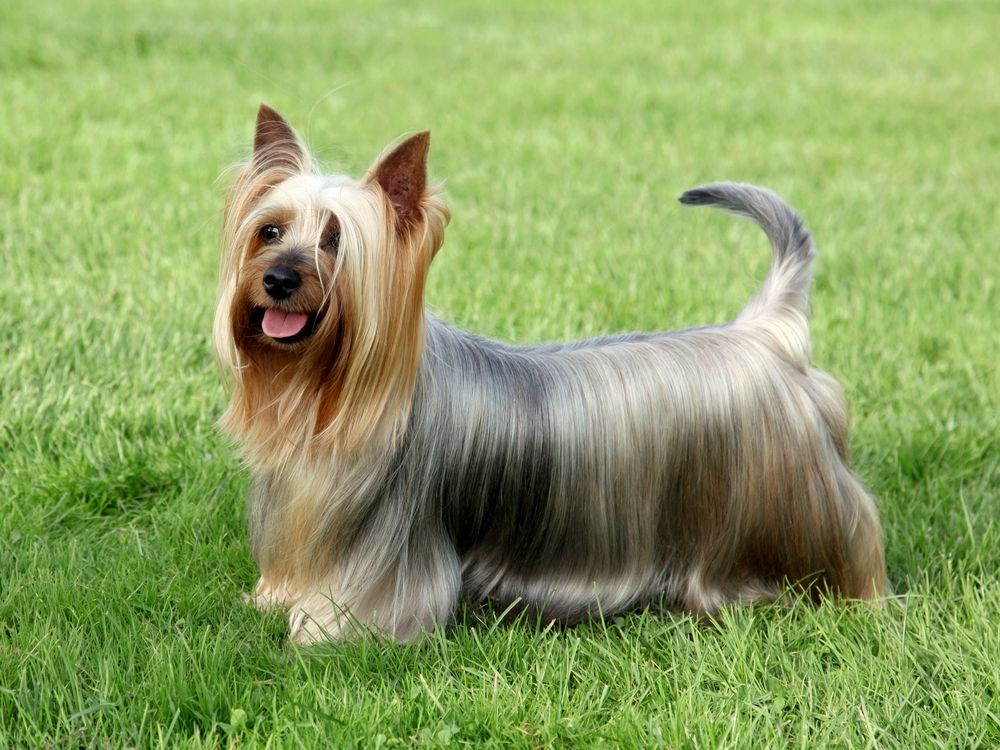
The Australian Silky Terrier is a charming purebred dog. This compact dog has a big personality, and people love them for their bright and playful approach to life. It’s no surprise that this spirited breed often makes life more fun and exciting for the people around them. Australian Silky Terriers are adaptable and resilient, making them wonderful companion pets for many kinds of people.
Breed Overview
Height:
Weight:
Lifespan:
Colors:
Suitable for:
Temperament:
Many people like Australian Silky Terriers because they’re slightly larger and more active than Yorkshire Terriers. They always love to play, and they’ll enjoy cuddling with their loved ones once they get all their energy out of their system. This makes Australian Silky Terriers seem like the perfect blend of an energetic dog and a lap dog. While they’re versatile and adaptable, they often do well with people with more active lifestyles who can spend enough time playing and exercising with them.
Australian Silky Terrier Characteristics

Australian Silky Terrier Puppies

The Australian Silky Terrier is a relatively popular breed in the US, so you can usually find a breeder near you. A helpful way to start your search is by looking through the American Kennel Club Marketplace or finding a breeder through the Silky Terrier Club of America, Inc.
If you’re interested in adopting a dog from an animal shelter or rescue organization, it’s important to keep your expectations realistic. In rare cases, an animal shelter may have a purebred Silky Terrier if they’ve been surrendered by their previous owners. However, most shelter dogs will be mixed-breed dogs that have some Silky Terrier in their lineage. Of course, shelter dogs make wonderful companions, and it’s more helpful to adopt a dog based on their individual personality rather than only considering their breed.
Australian Silky Terriers are playful from the very start. Puppies will have a lot of energy, and it’s important to make sure they get plenty of exercise and mental stimulation. This will help them experience a healthy growth and development phase that will only help them grow into healthy adult dogs.
Because Australian Silky Terriers are people-oriented dogs that form strong bonds with people, it’s important for them to get enough daily human interaction. As puppies, they’ll love spending an equal amount of time playing and cuddling with their owners.
Australian Silky Terrier Origin & History
As their name states, Australian Silky Terriers originate from Australia. They were developed in the 1890s by crossbreeding Yorkshire Terriers with Australian Terriers. As a result, the Australian Silky Terrier we know today is typically at a size that rests right in between the Yorkshire Terrier and the Australian Terrier.
Australian Silky Terriers eventually gained official recognition by the AKC in 1959. They’re registered as Silky Terriers and are categorized in the Toy Group.

Temperament & Intelligence of the Australian Silky Terrier 🧠
Australian Silky Terriers are companion dogs with bright and playful personalities. They have a great sense of humor, and their life purpose is to have fun and enjoy life. Despite their small size, Australian Silky Terriers have big and bold personalities. They’re quite brave and can even make excellent watchdogs. They’re naturally alert and observant, and you can depend on them to let you know when a stranger is approaching your house.
Australian Silky Terriers are adventurous dogs. They’re adaptable and will love nothing more than accompanying you on all your car rides and travels. They make excellent outdoor companions and are the perfect compact companions to take on hikes and camping trips.
Australian Silky Terriers are relatively easy to train. They’re eager to please their owners, and they’re intelligent dogs who are quick to pick up on new commands and tricks. They do tend to play favorites and may not listen or respond to acquaintances. Therefore, it’s important to spend some time training Australian Silky Terriers with different people so that they learn to respond to obedience commands from all members of your family.

Are These Dogs Good for Families? 👪
In general, Australian Silky Terriers do best in homes with older children. They can be good playmates for younger children, but they aren’t the most patient breed. They won’t tolerate being poked or handled roughly. Therefore, it’s important to teach children how to interact with dogs respectfully and to know when to back away and give dogs space.
Does This Breed Get Along With Other Pets? 🐶 😽
Australian Silky Terriers possess the common traits found in terrier breeds. They have a strong prey drive, and it’s common for them to chase squirrels, rabbits, and other small animals that cross their paths when they’re on a walk. Therefore, Australian Silky Terriers aren’t recommended for homes with cats and other small animals. Even if your Australian Silky Terrier learns to co-exist with them, they may not ever be fully trusted to be left alone with these pets.
Australian Silky Terriers also usually value human companionship over companionship with other dogs. They can get along with other dogs, but they often prefer being the only dog in the home. Early socialization is especially beneficial for Australian Silky Terriers, as it will help them have healthy interactions with other dogs.

Things to Know When Owning an Australian Silky Terrier
Food & Diet Requirements 🦴
Diet and nutrition are essential for Australian Silky Terriers to live happy and healthy lives. They don’t have any particular health issues that require a special diet, and they often do well eating high-quality commercial dog food formulated for small dog breeds.
Dogs have different nutritional needs depending on their age and size. Small dogs like the Australian Silky Terrier often need to consume more calories per pound than larger dogs because of their higher metabolic rates and smaller stomachs. They also often benefit from taking antioxidant supplements as they age, as this can prevent free radical damage throughout their long lifespan.
The best way to find the right diet for your Australian Silky Terrier is to consult your veterinarian. Your veterinarian can help you determine which food is a good fit for your dog and let you know if your dog will benefit from taking supplements.
Exercise 🐕
Australian Silky Terriers usually need at least 45 minutes of exercise per day. They’ll enjoy going on walks around the neighborhood or romping around a fenced yard. They’re also game enthusiasts and will enjoy playing tug or fetch with you.
Since Australian Silky Terriers are relatively adaptable, you can get by with skipping a walk on a rainy day. Just make sure to exercise them in some other way indoors. If you live in an apartment, you can have them climb a flight of stairs or chase a ball down the hallways.
Training 🎾
When it comes to training, Australian Silky Terriers are usually willing participants. They do best when training sessions are kept short and fun, and they often respond very well to praise, treats, and other rewards. Scheduling multiple short training sessions throughout the day will keep Australian Silky Terriers engaged and help them retain everything that they’re learning.
It’s important to keep in mind that while Australian Silky Terriers are intelligent dogs, it’s often challenging to potty train them. Small dogs have a hard time holding their bladder because they’re smaller. They need to be let out more frequently than larger dog breeds and are more likely to have accidents in the house. Despite the challenges, Australian Silky Terriers can learn to be potty trained to go outdoors without relying on puppy pads. It will just take a little more time than larger dogs.
Grooming ✂️
Australian Silky Terriers have long, luxurious hair that requires frequent brushing. Their thin hair is prone to tangling and matting, so it’s important to brush it at least two to three times a week. If you don’t want to spend a lot of time on grooming, you can have a professional groomer cut their hair to a shorter length.
Along with maintaining their coat, it’s important to stay on top of your Australian Silky Terrier’s dental hygiene. Brushing their teeth daily will help prevent tartar buildup and dental disease. Make sure to also check their nails regularly and trim them to prevent cracking and make walking more comfortable for them.

Health and Conditions 🏥
Australian Silky Terriers are healthy dogs that are capable of living long and healthy lives. However, as with all purebred dogs, they’re predisposed to certain genetic health issues. Australian Silky Terriers commonly experience eye issues and dental issues as they age. So, it’s important to have your veterinarian pay attention to their vision and dental health during annual checkups.
Male vs Female
Male Australian Silky Terriers can grow to become slightly larger than female Australian Silky Terriers. Other than size, there aren’t any other distinguishable features between males and females. Their temperament is determined by genetics, upbringing, and environment, and their sex doesn’t heavily influence their personality.

3 Little-Known Facts About the Australian Silky Terrier
1. Australian Silky Terriers were bred to hunt rodents.
Australian Silky Terriers were bred to hunt rats, mice, and other small rodents in Australia. This explains why such a small dog can have a strong prey drive. Even though most Australian Silky Terriers are no longer ratters and are commonly kept as pets, they still tend to have a strong prey drive and just may not be able to resist chasing small animals.
2. Australian Silky Terriers have different coat colors and patterns.
Most people envision a blue and tan dog when they think of an Australian Silky Terrier. However, Australian Silky Terriers have varying coat colors that include a combination of silver, gray, and black.
3. Australian Silky Terriers are adaptable and versatile.
Australian Silky Terriers tend to adapt well to different living situations. They usually do best in single-family homes with a fenced backyard where they can run around and play freely. However, they can also live happy lives as urban dwellers. As long as their daily exercise needs are met, Australian Silky Terriers are content with living just about anywhere.
Final Thoughts
Overall, Australian Silky Terriers are lovable companion dogs that would love nothing more than to spend all day with their favorite people. They love being included in all the family action and often grow to become extremely loyal family members. They also don’t mind being the only dog in the house and aren’t known to shy away from the spotlight.
Life is certainly more fun when there’s an Australian Silky Terrier around. They have an infectiously happy outlook on life, and they naturally brighten up the lives of the people around them.
Featured Image Credit: Radomir Rezny, Shutterstock
Expert dog care, straight to your inbox
Vet-reviewed advice, training tips, and the best of Dogster. Free, and you can unsubscribe anytime.
By signing up, you agree to our Terms & Conditions and Privacy & Cookies Policy.
Jessica is a freelance writer who spends bigger part of her day researching and writing while her furry companion Cavapoo, Nora, snoozes beside her. She loves dogs, pets and animals because there’s so much to learn from them, and they do so much for us. As a dog mom, she understands the strong connection that pet parents have with their pets. So, she loves sharing helpful information that pet owners can use to better understand their beloved pets. When she isn't writing, you may find her walking dogs, tending to her plants, or drinking her nth cup of coffee.
Join the conversation
Ask a question, share your story, or send private feedback.