Russian Toy Terrier (Russkiy Toy): Info, Pictures, Facts, & Traits

In this article
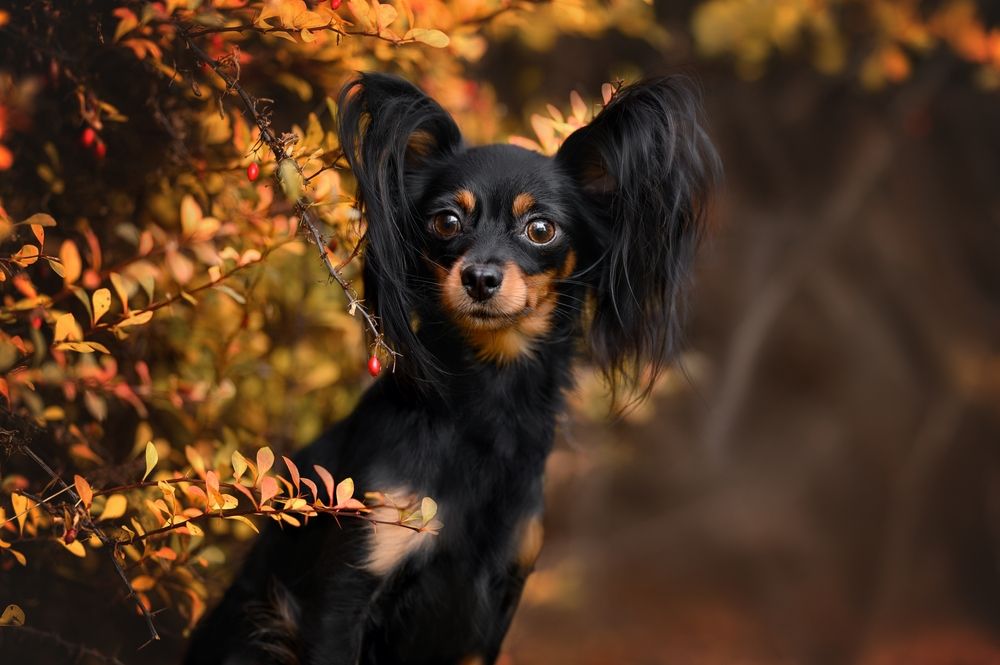
They may be small, but the Russian Toy Terrier’s robust personality makes them impossible to ignore. As one of the most recent AKC-recognized breeds, the Russian Toy is one of the lesser-known toy dogs.
But once you get to know them, their charm, charisma, and confidence will undoubtedly leave an impression. If you’re looking for a pocket-sized companion to share your home, we’ll explain why the Russian Toy Terrier might be the perfect fit.
Breed Overview
Height:
Weight:
Lifespan:
Colors:
Suitable for:
Temperament:
The Russian Toy appeared in the 1700s as a loyal companion to Russia’s aristocrats. The breed originated with the English Toy Terrier, which Russia imported in scores to fulfill demand. Though they often get mistaken for Chihuahua and Papillon look-alikes, Russian Toys are finally distinguishing themselves as one of the top toy dogs for families. With their history as pampered companions, the Russian Toy’s desire to be with their people is unsurprising. The good-natured and playful breed brings an air of elegance mixed with charming confidence, making any pet parent proud to show them off. The breed comes in two varieties: one with a short, smooth coat and the other sporting the more popular long, silky hair.
Russian Toy Characteristics

Russian Toy Terrier Puppies

Russian Toy puppies are active, requiring close attention to ensure they direct their energy safely and productively. Though delicate as adults, they’re even more fragile while growing. Still, they never lack confidence, which can get them into trouble. Watching where they walk, jump, and play will keep them from risking severe injuries.
Socialization and training are crucial from day one. Although generally calm, never too fearful, or overly aggressive, Russian Toys can be wary of strangers. Early obedience and puppy classes will give them positive experiences with others and a solid training foundation.
Russian Toys can be stubborn, so creating a rewarding dynamic at a young age will help them develop a habit of obedience. Due to the Russian Toy’s relative rarity, finding reputable breeders isn’t easy. The AKC Marketplace and Russian Toy Club of America list members by state, providing an excellent place to start your search.
Regardless of their affiliation, you must vet breeders thoroughly. Responsible Russian Toy breeders strive to pair their dogs with appropriate owners. Be wary of any who try to expedite sales or can’t provide comprehensive health testing, breed information, or visits to their facility.
Temperament & Intelligence of the Russian Toy 🧠
The Russian Toy is a bright, sweet-natured companion. They train easily and quickly and always have an energetic pep in their step. They love to stay close to their owners and are eager to please.
Still, with their Terrier lineage, Russian Toys can be willful. If you drop your guard, your dog will wind up owning you. They need a firm leader who will show them due respect and exercise their canine instincts rather than treat them as simple lap dogs.

Are These Dogs Good for Families? 👪
Russian Toys are affectionate, playful family dogs, but their petite frames can be problematic around young children. Training members of the household in responsible and careful handling is paramount.
The breed is active and always wants to stay close to loved ones, so providing an environment where they can get ample, considerate attention will allow them to thrive.
Does This Breed Get Along With Other Pets? 🐶 😽
The Russian Toy is generally friendly with dogs and cats in the home. Proper introductions and creating positive associations will ensure they recognize other pets as playmates and friends. Again, the Russian Toy’s size can create issues.
Pairing one with larger animals is risky if they get too rambunctious. Russian Toys are bold and rarely back down due to their Terrier-like scrappiness, which could get them into trouble with oversized dogs that challenge them.
Breeders will often vet buyers to ensure the safety of their dogs, but it is incumbent on owners to plan a safe environment.
Things to Know When Owning a Russian Toy
Russian Toys are easy to raise and a decent pick for a first-time owner who can provide the attention they deserve. They are an ideal size for apartments and can often exhaust their daily exercise needs with indoor play.
They’ll equally love an outdoor yard where they can chase toys to their heart’s content.
As natural people pleasers, Russian Toys are a daily delight if they have owners who take their training and exercise demands seriously. Though they were lap dogs, they have a working character you can harness with fun games and sports.
But at the end of the day, they’re more than happy to cuddle with the family. Russian Toys are loyal, alert, and fearlessly defensive when they sense something is amiss, and you can also expect barking and yapping when visitors arrive.
Food & Diet Requirements 🦴
As a toy breed, Russian Toys require dog food appropriate for their growth stage. Feeding small meals throughout the day is the best way to keep them comfy and energized due to their fast metabolism and small bodies.
Weighing in under 7 pounds, these diminutive dogs only need roughly ½ cup of food daily, and you can contact your veterinarian for feeding tips.

Exercise 🐕
Russian Toys are more active than many similar-sized dogs. They need around an hour of exercise daily to keep in shape and out of trouble, with indoor enrichment to give them a mental workout. They love to go on walks, and backyard or indoor games of fetch are an excellent way to tire them out.
Training 🎾
Despite the Russian Toy’s Terrier mischievousness, training is the ultimate joy of ownership. The active dogs are clever, curious, and keen to learn. They train quickly and don’t tire of challenging themselves, making them perfect candidates for agility, obedience, tricks, lure coursing, nose work, barn hunting, and much more.
Events like these are also excellent socialization opportunities. The Russian Toy’s exuberance and pleasure in training influence their interactions, giving others a chance to enjoy their upbeat, outgoing, and lively demeanor.
Training can be equally rewarding at home, though it can be challenging to maintain your dog’s focus. Russian Toys bore easily with repetition or sessions that don’t challenge them. Keep them engaged with variety, using clicker training, tricks, and backyard sports to push them while supplying plenty of praise and rewards for a job well done.
Grooming ✂️
Grooming your Russian Toy is a quick process whether you have a smooth-coated or longhaired dog. Longhaired varieties need more care, generally with brushing sessions three to four times weekly to clear debris and prevent mats.
Smooth coats only need weekly attention with a bristle brush to remove surface dirt and distribute their bodily oils across the hair. Baths should occur about once monthly to clean the skin and coat. Beyond the coat, you should tend to your Russian Toy’s ears once weekly, cleaning them and checking for signs of infection.
Trim the nails every 2–3 weeks, and brush their teeth at least once every couple of days to keep your dog healthy and looking their best from head to tail.

Health and Conditions ❤️ 🏥
As a relatively new breed, the Russian Toy doesn’t have many known health problems unique to them. Dental issues are more common in smaller dogs. Russian Toys can retain their puppy teeth and require eventual surgery, and they are more prone to periodontal disease, emphasizing the need for proper brushing and upkeep. Orthopedic issues, particularly patellar luxation, may occur due to their fragile frames. Also, thorough health testing is crucial at the breeder level to ensure your dog isn’t susceptible to eye, bone, or heart disorders.
Male vs Female
Although male dogs are often the larger of the sexes, the Russian Toy is too tiny to make physical differences between males and females noticeable. Their temperament is similar, particularly if you spay and neuter your dogs. Since Russian Toys are relatively rare, selecting one based on their sex may be difficult.
3 Little-Known Facts About the Russian Toy
1. Russian Toys Are Excellent Service and Therapy Dogs
The Russian Toy’s yen for training doesn’t end with active competition. They’re game for anything that stimulates their minds and gives them a sense of purpose, including helping others. Training your dog for service or therapy work can be a fulfilling alternative if agility, lure coursing, or nose work aren’t up your alley.
2. Russian Toys Almost Went Extinct After the Russian Revolution
The Russian Toy’s association with their homeland’s aristocracy didn’t bode well for the popular breed when the Bolsheviks upended the political establishment in 1917. Following the Russian Revolution, breeding and importing came to an abrupt halt. Years later, World War II delivered another blow to Russia’s toy breeds, bringing the Russkiy Toy to near-extinction. Thankfully, breeding ramped back up following Stalin’s death in 1953. With Russia’s political isolation, breeders crossed existing stock to rebuild the toy dog’s numbers. As a result, the newly developed breed differed significantly from their English Toy Terrier ancestors, warranting the name change to “Russian Toy Terrier.”
3. The Longhaired Russian Toy Was Once a Separate Breed
Despite the two distinct varieties we have today, Russian Toys were traditionally only a smooth-coated breed. In 1958, a longhaired male appeared in a Russian Toy litter, gaining immediate interest and creating an all-new breeding effort. Interestingly, despite being part of a Russian Toy litter, the longhaired variety earned a distinct name, the Moscow Longhaired Toy Terrier. It wasn’t until 1988 that enthusiasts finally regarded the two varieties as members of the same breed.
Final Thoughts
From first-time owners to experienced handlers, anyone can delight in the Russian Toy’s infectious joy and gung-ho attitude. But you can’t underestimate them. They will vigorously take on any challenges you provide or present their own if you treat them like an everyday accessory. For those that can offer the training and activity they deserve, the Russian Toy will never fail to impress.
Featured Image Credit: otsphoto, Shutterstock
Expert dog care, straight to your inbox
News, insights, expert advice, and everything dog.

No spam — unsubscribe anytime.
By signing up, you agree to our Terms & Conditions and Privacy & Cookies Policy.
How useful was this post?
Click a star to rate. You can leave written feedback afterwards. (We read all feedback.)
Nicole has loved animals of all sizes her whole life so it's no wonder she has dedicated her career to helping them through what she loves best: learning, writing, and sharing knowledge with others. She’s the proud mom of two dogs, a cat, and a human. With a degree in Education and 15+ years of writing experience, Nicole wants to help pet parents and pets around the planet to live happy, safe, and healthy lives.