Why Does My Dog Sit Alone in Another Room? 7 Vet-Reviewed Facts & Helpful Tips


In this article
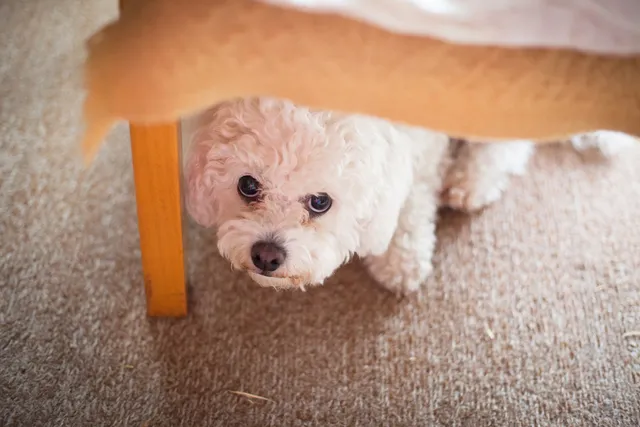
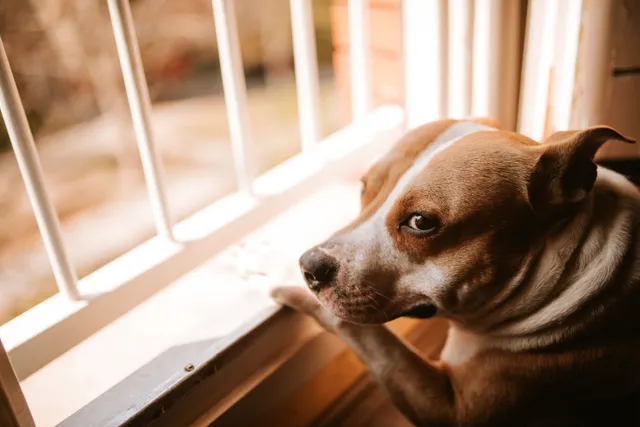
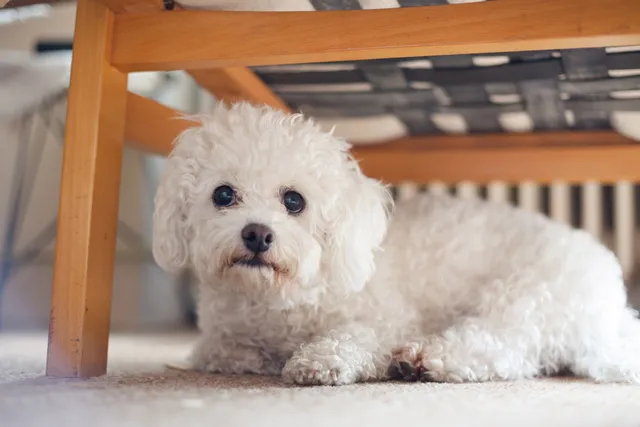
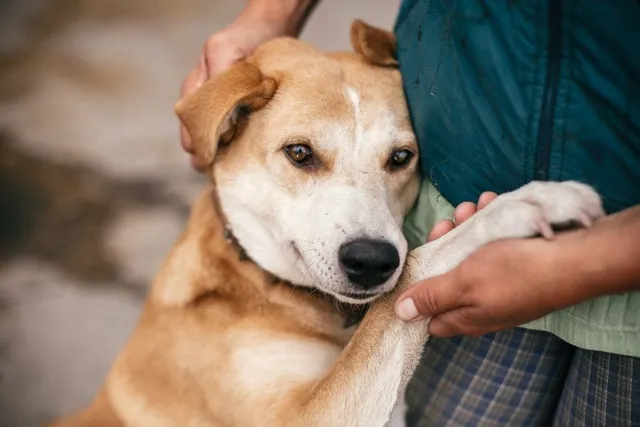
Try as we might, we may never fully understand all of our dog's behaviors. One bizarre issue you may stumble across as a dog owner is when your pup chooses to sit alone in another room instead of hanging out with you. It can be hard not to take offense to that, especially since dogs are supposed to be man's best friend, right? Well, don't take it to heart. Dogs self-isolate for a number of reasons, and most of them have nothing to do with you.
Read on to learn more about why your pup is sitting alone in a different room and what you should do when you pick up on this behavior.

The 7 Reasons Why Dogs Sit Alone in Different Rooms
1. They're Feeling Anxious
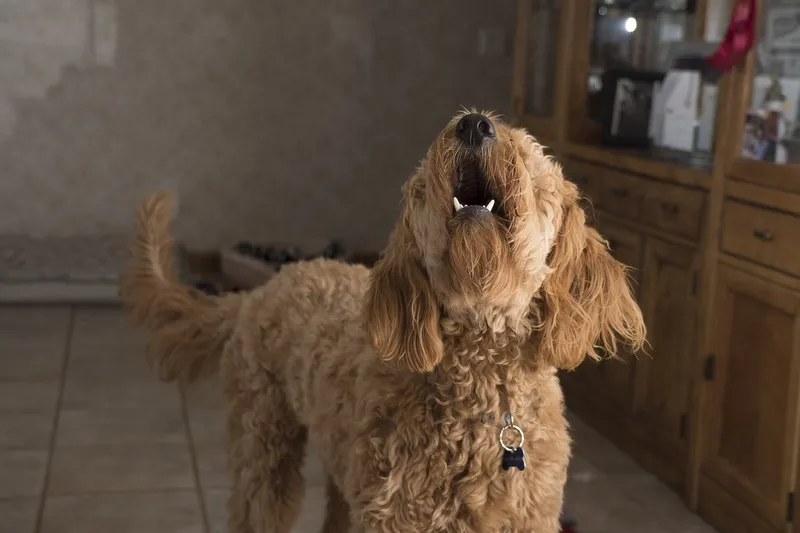
Anxiety is not uncommon in dogs, and because your pup can't tell you what they're feeling, it can be challenging to diagnose, too. To further complicate things, canine anxiety can develop for a myriad of reasons, not all of which will make sense to humans at all.
Dogs with anxiety will typically exhibit other behaviors aside from isolation that can help you determine whether there's a problem.
This can include signs such as:
2. They're Sick or Hurt
In some cases, your pup's isolation could be the result of an underlying health problem. Pain, illness, and discomfort can cause dogs to withdraw.
Some of the general signs that your dog is in pain or ill may include:
Besides these signs, your dog could suffer from a more specific issue, such as gastroenteritis which may exhibit poor appetite, vomiting or diarrhea, as well as shaking and hiding. If your dog is sitting alone in another room and being quieter than usual, whether they are showing any other signs of pain or illness, it’s best to get them checked out by your vet.
3. They're Overstimulated
While many people think of dogs as extroverted and always up for anything, this isn't always the case. Like humans, dogs can become overwhelmed and overstimulated by noise, activity, and nonstop interaction. Your pup may be choosing to sit alone in a room away from the hubbub simply because they need some quiet time and a safe haven to recharge.
4. They're Bored
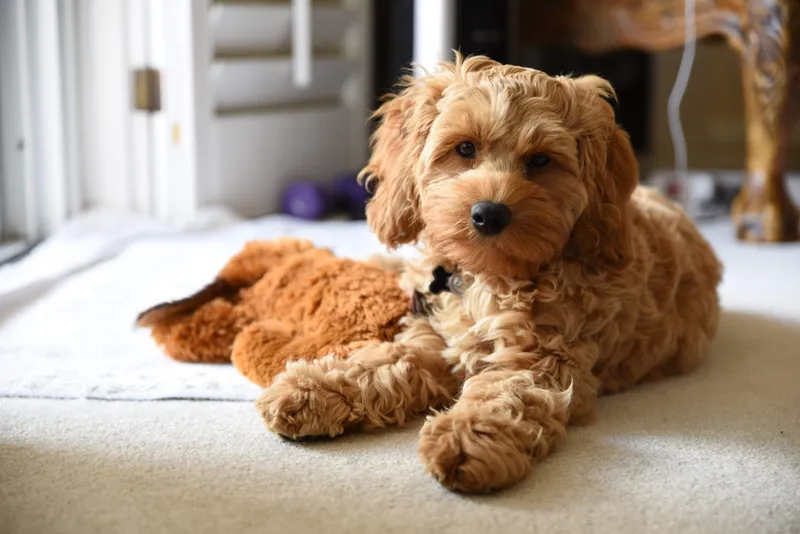
Many dog breeds were bred to perform jobs that involved hunting, herding, or even military work. Even breeds that were meant to be companion dogs had a job: to spend their days alongside their owners. However, dogs nowadays get everything they could possibly dream of for absolutely free, with no hard work involved, so it only makes sense that they don't know what to do with their time, especially if they aren’t getting the physical exercise or the mental stimulation they need. Canine boredom can be very problematic, as it can lead to destructive behaviors and a miserable dog.
Isolation and excessive sleeping are two signs your pup may exhibit if they're feeling blasé about their life.
Other indicators of boredom may include:
5. They're Naturally Independent
Not all dog breeds want to be attached to their owner's side 24/7/365. Some breeds and individual dogs could be more independent than others, so if you find your pup retreating to a quiet room to be alone more often than not, it may just be that that's part of their personality, but make sure you’re not missing subtle signs of illness and pain. The list of breeds below is anecdotal and based on owner observation rather than science.
Breeds that may be more independent, but affectionate still, include:
6. They're Older
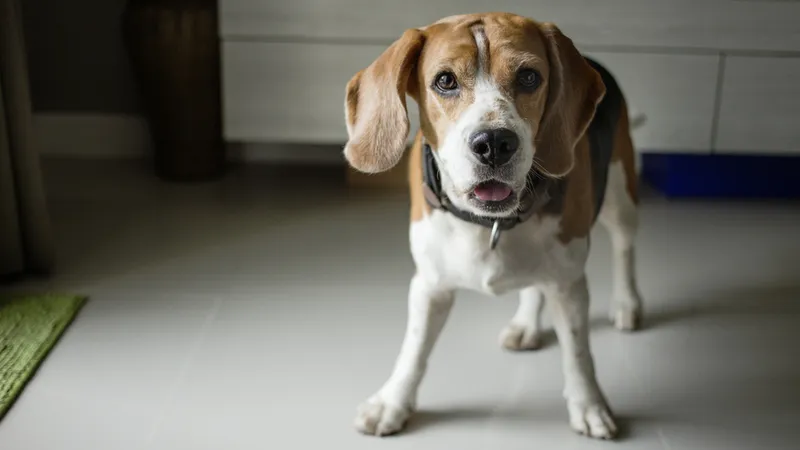
Aging can be just as tough on our canine companions as it is on us. Pups entering their golden years can become painful, suffer from cognitive dysfunction and become reluctant to participate in the activities they once enjoyed. They may begin choosing more laid back and relaxing pastimes like napping, which may make them more likely to isolate themselves to quieter areas of the home. This can also indicate underlying health issues and senior dogs will benefit from a vet check every 6 months.
7. They're Annoyed With Their Roommates
As much as you may not want to admit it, you can be a significant source of annoyance for your pup. Since they can't use their words to tell you to back off, they may choose isolation as a way to give themselves the space they need. Don't be offended, though; it's not just you. Your children, other household pets, and even noisy neighbors can be irritating for your pup.


What Should I Do if My Dog Is Isolating?
If your pup is spending more time alone than usual, try to step back and take a look at the whole picture. Are they exhibiting other signs, such as new behaviors or unusual habits? Are they having any toilet accidents? Are they eating or drinking less than usual? Are they panting or whining? Has some part of their daily routine changed? Did you recently welcome a new pet or baby into your home? Have you accepted a new job that takes up more of your time?
If you determine that your pet needs to be examined by your veterinarian, they will want to know the whole picture, and the answers to these questions can be really helpful in getting a diagnosis. The treatment for your pup's isolation will depend upon the cause and can include medications, fluid therapies, training, and even diet or environment modifications.
However, there are some minor changes you can make to respect your dog's alone time without allowing them to be excessively isolated.
Here are some tips:

Final Thoughts
Your dog may be sitting alone in a room separate from you for a number of reasons. It may just be that they desire time alone, or they may be feeling ill, bored, or in search of the perfect cozy spot for naptime. Some dogs will begin to isolate themselves when they age, while some breeds may be more independent by nature.
As a dog owner, establishing a baseline for your pup's behavior provides insight into what is and isn't normal for them. Doing so will allow you to pick up on subtle (and not-so-subtle) signs your dog is sending you.
If your dog's isolation is a new behavior, we recommend having them examined by a veterinarian to rule out any potential illnesses.
Sources
Featured Image Credit: JasonYoder, Shutterstock
Expert dog care, straight to your inbox
News, insights, expert advice, and everything dog.

No spam — unsubscribe anytime.
By signing up, you agree to our Terms & Conditions and Privacy & Cookies Policy.
How useful was this post?
Click a star to rate. You can leave written feedback afterwards. (We read all feedback.)
Chantelle is passionate about two things in her life – writing and animals. She grew up on the prairies of Canada surrounded by animals and as an adult, she choose to share her home with five cats, two guinea pigs, and a bearded dragon. Chantelle, her husband, and their child take great pride in being great animal parents- the ones who spend a thousand dollars on wall-mounted cat shelves so that their cats can have an indoor jungle gym all year round. When Chantelle isn’t snuggling her cats on the couch or taking pictures of them being funny, she’s outside exploring in the Rocky Mountains, binging the same shows on Netflix over and over, and reading about whatever random topic pops into her brain.