70+ Dogs Rescued From South Korean Meat Farm as 2027 Ban Approaches
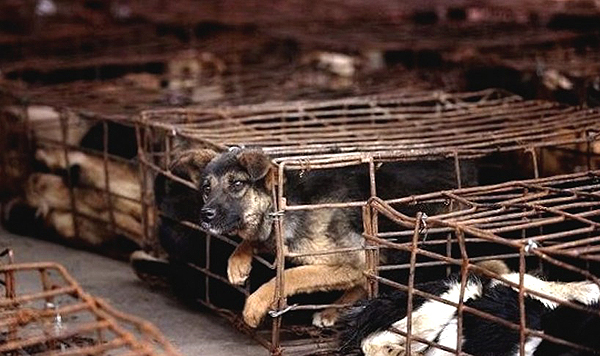
Nearly 30 dogs have arrived in New York after being rescued from a dog-meat farm in South Korea. Their journey toward adoption is beginning, but with the country's ban still months away from taking full effect, the work is far from over.
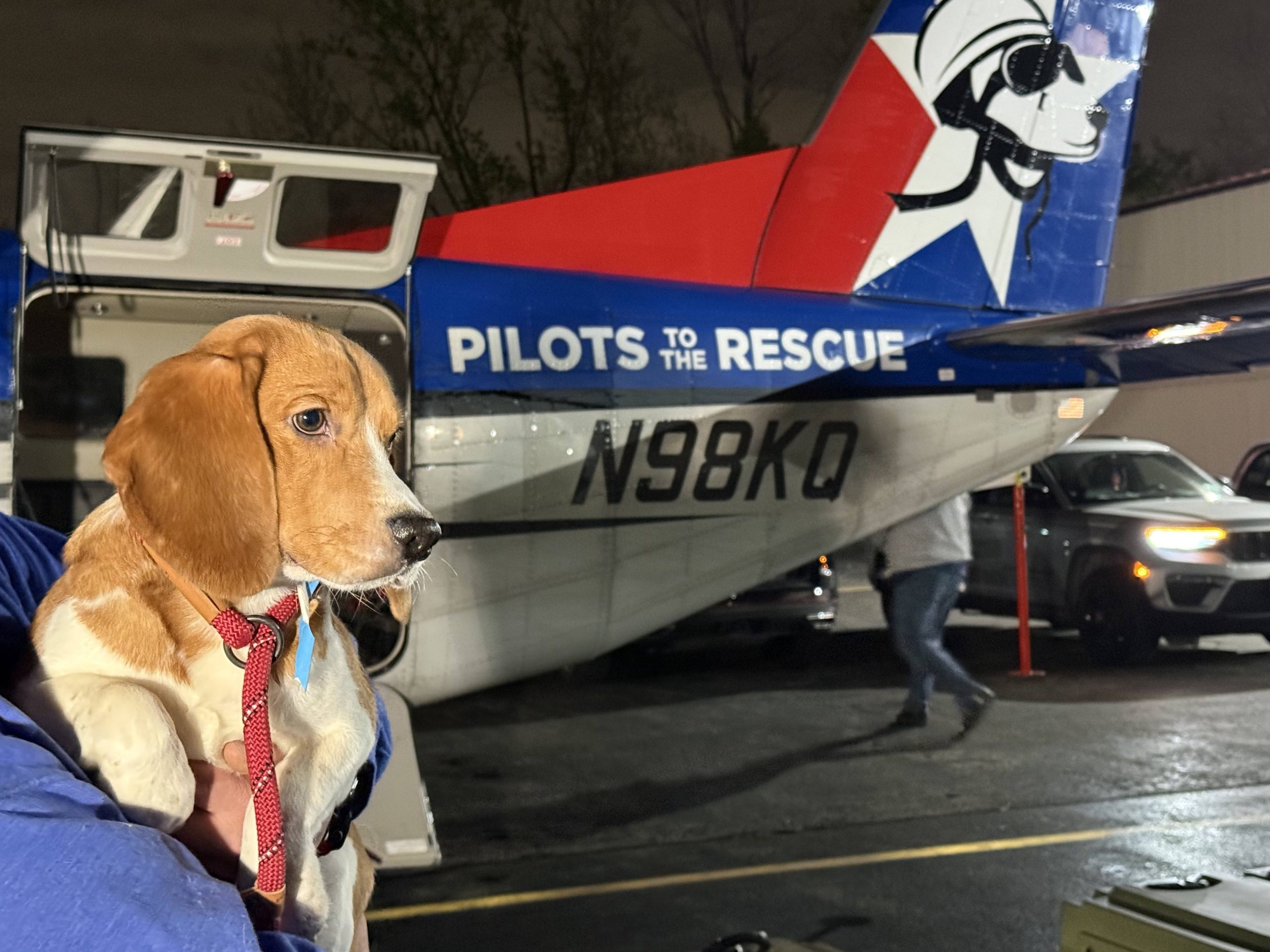
A plane ride to New York probably wasn't on these dogs' bingo cards. Neither, for that matter, was a soft bed, a full bowl of food, or the chance to be someone's beloved family member. After spending their lives confined to cages, even the simplest things may seem exciting and new.
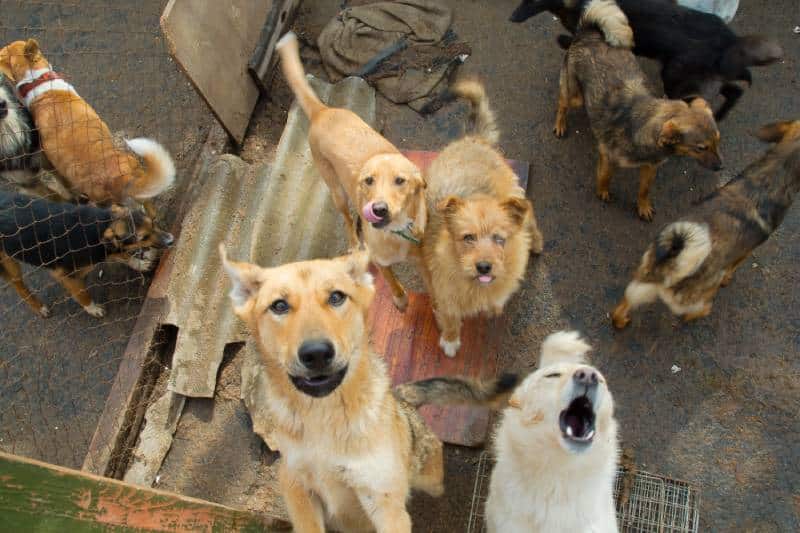
On October 1, nearly 30 dogs were rescued from a dog-meat farm in Gangjin, South Korea, that once bred and slaughtered as many as 1,000 dogs each year. This was part of a larger rescue operation by Humane World for Animals that saved more than 70 dogs from the property.
For the organization, the operation marks its final large-scale dog-meat-farm rescue in South Korea ahead of the country's ban, which takes full effect on February 7, 2027. Humane World for Animals has rescued nearly 3,000 dogs from farms since 2015, making this a significant milestone.
And yes, it's a reason to celebrate. But before we get too comfortable patting ourselves on the back, there's a much bigger picture to consider. Getting these dogs out was a huge victory, but there are still thousands at risk.
From Rusty Cages to a World of Possibilities
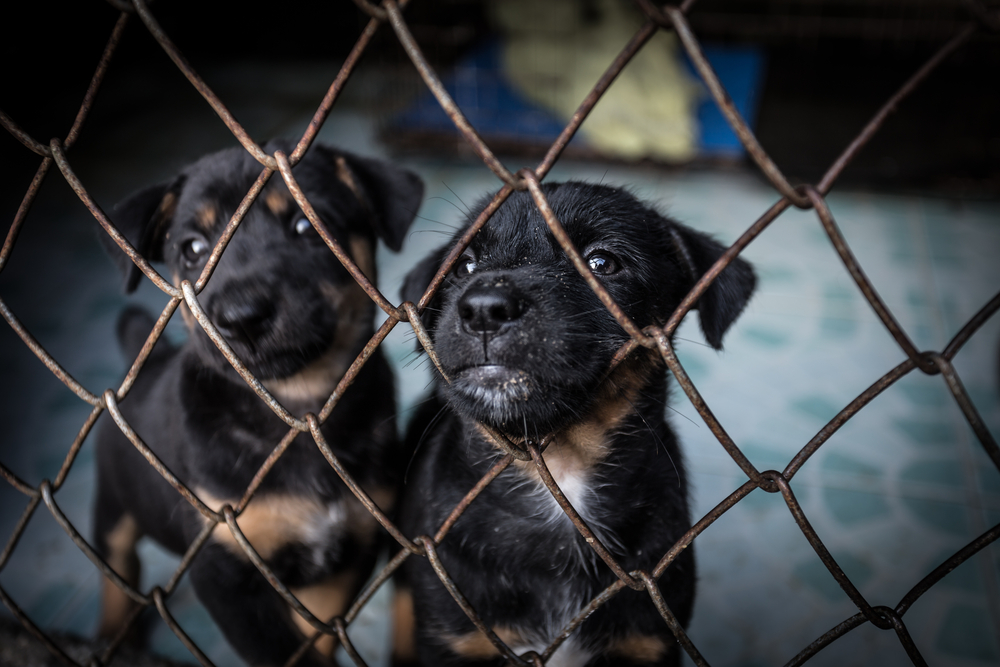
When the rescue team arrived at the farm in Gangjin, in South Korea's South Jeolla Province, they were met with disturbing scenes. Rows of rusting cages, abandoned collars scattered on the ground, and skeletal remains served as a gruesome reminder of the dogs that hadn't been so lucky.
It's a hard reality to come to terms with, especially if your own dog is currently hogging the sofa, demanding snacks, or staring at you as though you've ruined their life by being five minutes late with dinner. The minor dramas faced by our beloved pets are a world away from what these poor dogs endured.
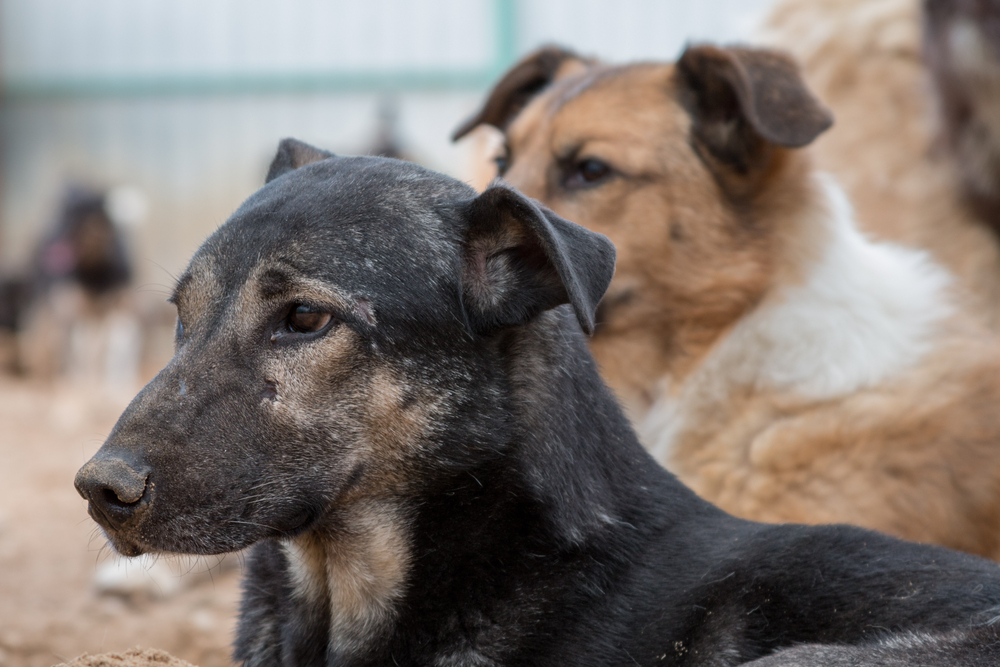
Humane World for Animals has reported finding mixed breeds and dogs of different sizes during its rescue work. The survivors included Jindos, a breed native to South Korea, a husky mix, and smaller dogs, including a spitz mix. In other words, any dog could end up on the menu.
In this most recent rescue, a concerned citizen alerted a local animal protection group, which contacted Humane World for Animals and the authorities. Officials found that the farm had broken South Korea's Animal Protection Act. The farmer, a man in his 80s, agreed to hand over the dogs and promised not to take part in the dog-meat trade again.
More than 70 dogs were rescued. Nearly 30 travelled to New York, another 12 went to a rehabilitation center in Montreal, and some mothers and their puppies remained in South Korea because they were too young to fly safely.
Rescuing dogs from situations like this isn't as simple as just opening a cage and booking the next available flight. International transport requires veterinary checks, vaccinations, documentation, and careful consideration about which animals are fit to travel. The priority is getting them out safely, not rushing them onto a plane for the sake of a happy headline.
South Korea's Dog Meat Ban Can’t Come Quickly Enough
South Korea passed its Special Act on the Termination of Breeding, Slaughter, and Distribution of Dogs for Consumption in January 2024. Its key prohibitions will finally take full effect on February 7, 2027, making it illegal to breed, slaughter, or sell dogs or dog meat for human consumption. But the transition is already underway.
In May 2026, South Korea's Ministry of Agriculture, Food and Rural Affairs reported that about 82% of the country's 1,537 registered dog-meat farms had closed. Over a thousand farms closed is something worth celebrating, but it means 272 farms are still operating.
Another consideration is that closing a farm doesn't automatically save the dogs living there. A business can shut down, the gates can close, and the paperwork can be signed, but where do all those dogs go?
According to Humane World for Animals, government figures indicate that of approximately 393,857 dogs counted on farms that had been closed, only 1,121 were adopted or transferred to public shelters. That's about 0.3%.
Let that sink in for a moment.
It’s understood that most of these dogs were sent for slaughter or moved to other farms. So, while the closure of dog meat farms is good news, it’s not a true victory if these dogs are simply moved on to face the same fate. The ban is a huge step forward, but a law is only as good as its enforcement.
The real goal isn't just to close the farms. It's making sure the dogs are actually safe.
First Aid Is Just the First Step
Getting out of the farm is the first big hurdle for these dogs. Now comes veterinary care, recovery, and the not-so-small task of learning how to live in a completely different world.
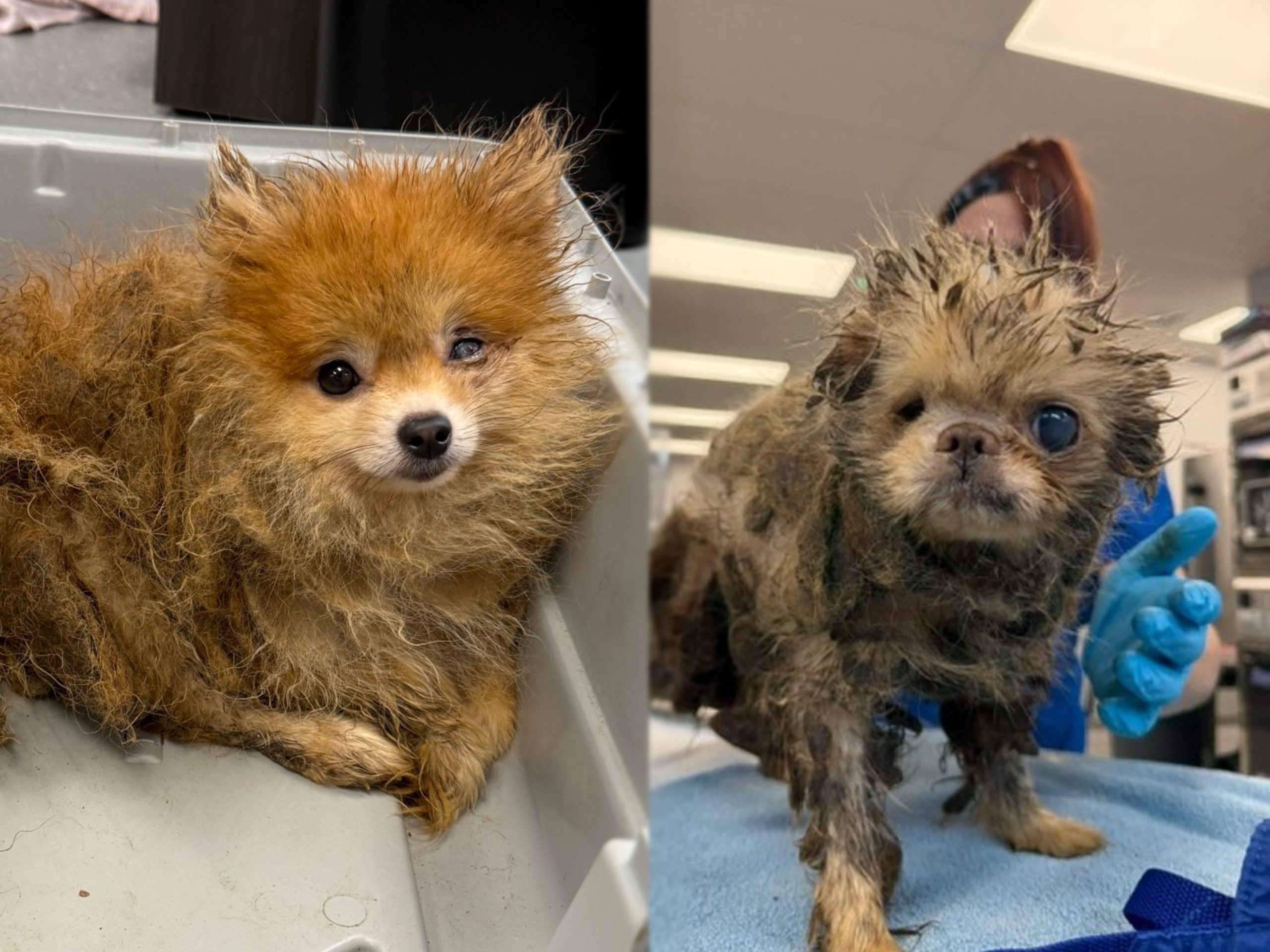
Humane World for Animals’ rescue protocols include veterinary exams, vaccinations, respiratory screening when needed, and the health documents required for international travel. Each dog has their own needs. Some may need treatment for skin problems, wounds, dental disease, or nutritional deficiencies.
The second, and perhaps most challenging, hurdle for these dogs is adapting to a whole new way of life. Just because a dog has been saved doesn't automatically mean a dog feels safe.
Imagine never having lived in a home, then suddenly finding yourself surrounded by doors, stairs, strange noises, slippery floors, and humans who keep trying to show you how much they love you. Even a well-meaning hug could be overwhelming. And the vacuum cleaner? Let's just say it probably won't be winning any popularity contests.
These dogs may need to learn things many pets take for granted: how to explore a room, relax around people, or understand that a hand reaching toward them isn't something to fear. Some will be curious from the start. Others may prefer to watch from a safe distance. Neither response is wrong, and patience plus a little common sense go a long way.
A quiet place to rest, a predictable routine, and the freedom to explore without being pushed can help a dog settle in. Rewarding small steps with positive reinforcement builds confidence without turning every new experience into a test.
Adjusting to a new life takes time, and there's no need to rush it. A dog who hides under the table on day one isn't a failed adoption. A dog who isn't ready for cuddles isn't being ungrateful. They’re figuring things out, and they need time to decide that this strange new place might actually be safe. Building trust and confidence can be a slow process.
The Rule of 3-3-3
Those familiar with the process of adopting or fostering dogs, particularly those who may not have had the best start to life, may have heard of the 3-3-3 Rule for Dogs: 3 days, 3 weeks, 3 months. It’s a simplified interpretation of the timeline many dogs tend to follow when adjusting to a new home environment.
The first 3 days are about decompression and resetting the nervous system. It might look like a dog that is timid, constantly moving, hiding, or even showing signs of aggression. Some dogs adjust quickly, while others may take a little longer than 3 days. The important thing to know is that this version of the dog is not usually a good representation of their true selves.
Over the first 3 weeks, dogs will start to gain confidence and explore their new world. They are often testing boundaries, becoming familiar with patterns, and learning how to trust. Being consistent and providing predictable routines is paramount to this process.
By the time 3 months have passed, most dogs will be feeling more settled. It may still take some time for their full personality to appear, but with every passing month, they become more confident, more trusting, and less anxious.
Sometimes progress looks like taking a treat from someone's hand. Sometimes it's finally falling asleep without startling at every sound. Those moments might not make a flashy before-and-after video, but for that dog, they're a big deal.
One more thing: fear and behavioural changes shouldn't automatically be dismissed as consequences of a dog's past. Pain, illness, and other medical problems can affect behaviour, too. If a dog seems persistently distressed or suddenly starts acting differently, a veterinary check is important. We don't want to assume it's trauma when there may be pain due to a treatable medical issue behind it.
A second chance isn't just getting a dog out of a cage. It's giving them the medical care, space, and time to discover that life can be safe, and maybe even pretty wonderful.
One final large-scale rescue. Not the end of the work.
Humane World for Animals calls the Gangjin operation its final large-scale dog-meat-farm rescue in South Korea. But that doesn't mean the work is over. The organization plans to continue monitoring the ban and supporting efforts to enforce it.
Closing farms is a huge win. Full stop. But making sure dogs aren't left behind, moved elsewhere, or subjected to illegal practices is part of making that win count. With the ban taking full effect in February 2027, the coming months will be crucial.
For the dogs already rescued, a new life is finally within reach. Veterinary care. Rehabilitation. A chance to find a home where the biggest worry is whether they get the good spot on the sofa. That's quite the upgrade.
Now, we turn our attention to the dogs still waiting in South Korea’s remaining farms. Stopping the dog meat trade is a huge victory, but in many ways, it’s just the beginning. Saving these dogs is more than just stopping the slaughter. It’s making sure they all get the happy ending they deserve.
Expert dog care, straight to your inbox
Vet-reviewed advice, training tips, and the best of Dogster. Free, and you can unsubscribe anytime.
By signing up, you agree to our Terms & Conditions and Privacy & Cookies Policy.
Dr. Paola Cuevas is our Senior In-House Veterinarian at Dogster and Pangolia. She has over 19 years of experience working with an array of species and loves sharing her knowledge and experience with our readers and aims to provide assistance with any issue presented by your non-human family members. She received her degree from the University of Guadalajara, Mexico.
Her passions are animal welfare and preventive medicine, and has skills in the fields of nutrition, microscopy, clinical pathology, diagnostic imaging, and endoscopy. Paola frequently contributes pet care insight to various media outlets like PetMD, The Daily Record, Parents.com, etc.
Paola is also an animal behaviorist with extensive experience in positive reinforcement animal training.
Join the conversation
Ask a question, share your story, or send private feedback.