When Art Meets Animal Rescue: A Creative Way to Help Dogs Find Homes
We often turn to art for pleasure, curiosity, or a feeling we can’t quite put into words. A painting catches our attention; a sculpture makes us pause. But art inspiring us to adopt a dog? Now there’s a plot twist.
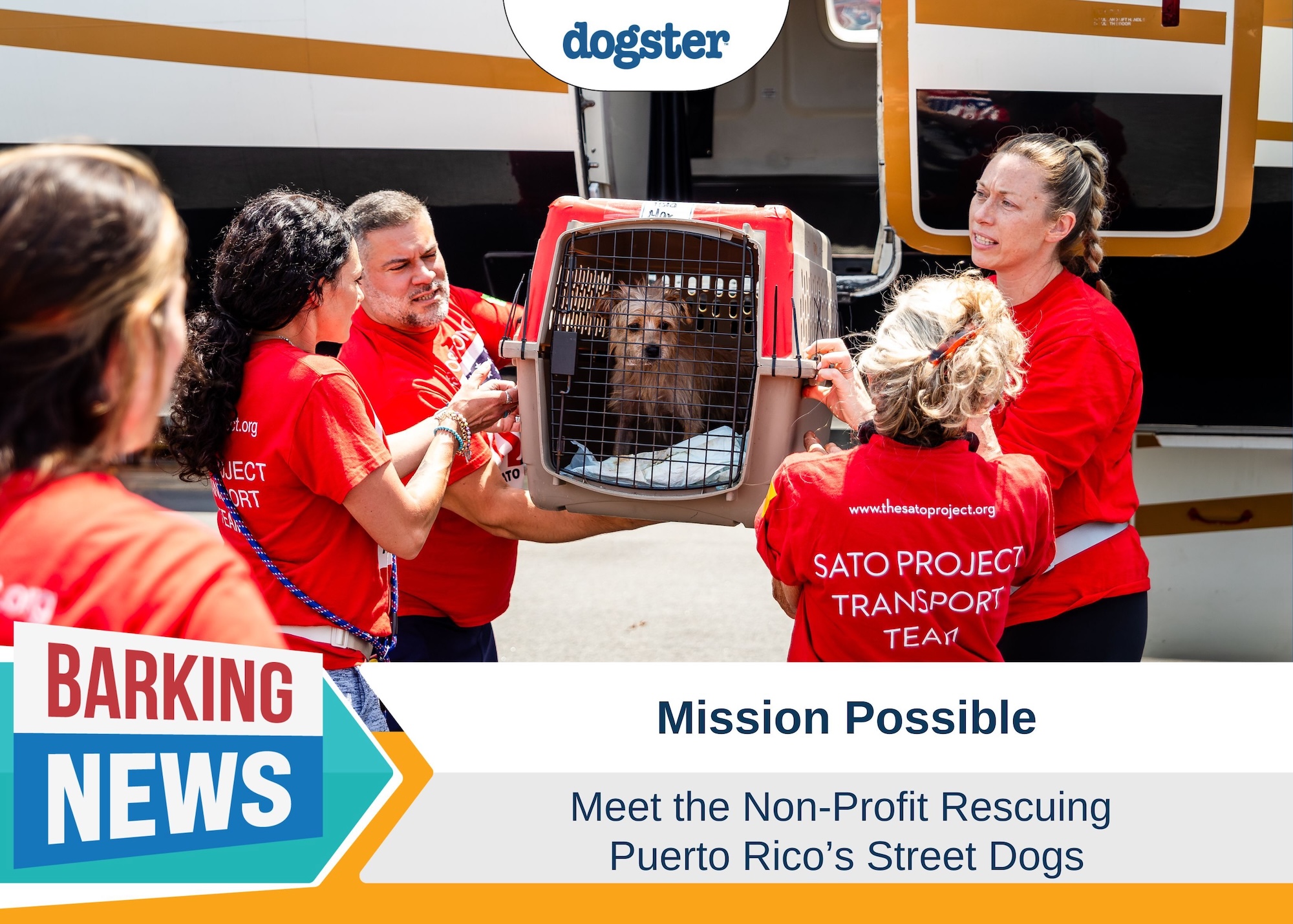
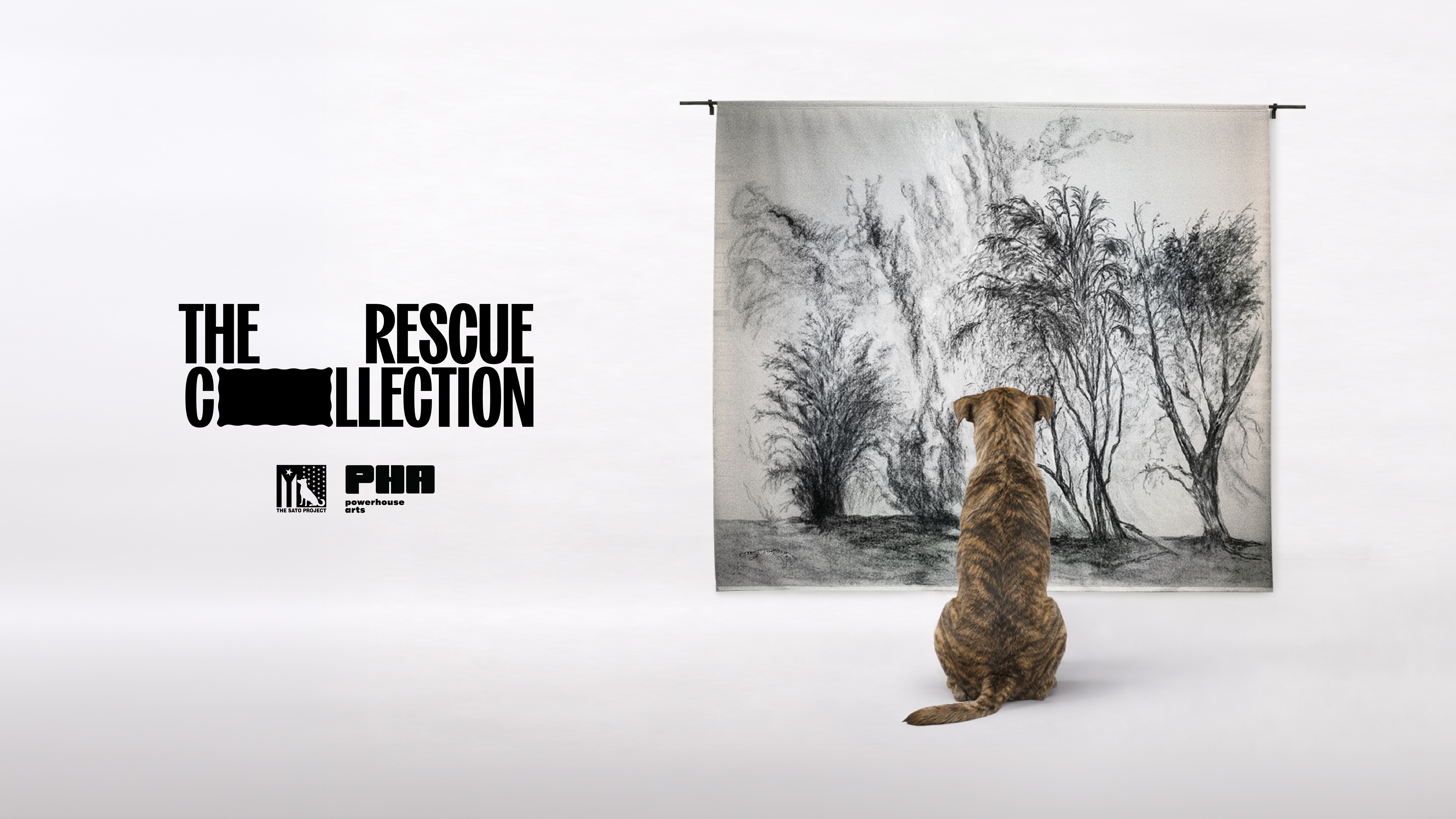
The Rescue Collection is an exciting project created through a collaboration between The Sato Project, creative agencies BLKJ Havas Singapore and Havas New York, and Brooklyn’s Powerhouse Arts. The program brings adoptable dogs into the art gallery and uses observations of their responses to create individual artistic profiles. The aim is to help potential adopters see the dogs beyond their appearance, breed, or uncertain past.
It’s an unusual approach to a familiar challenge: helping rescue dogs get noticed in a crowded adoption landscape.
What Happens When Dogs Meet Art?
At Powerhouse Arts in Brooklyn, animal welfare scientist Dr. Holly Molinaro observed dogs from The Sato Project as they explored different artworks. The dogs first had time to sniff around and become comfortable in the unfamiliar space. Their responses were then observed, including whether they looked at, sniffed, or moved away from particular pieces, or chose to lie down nearby.
Rudolph, for example, chose to lie down in front of some sculptures but ignored others. These observations helped shape profiles associating the dogs with artistic styles such as Surrealism, Minimalism, Figurative art, and Abstraction.
The concept is playful, but its purpose is practical. A standard adoption photograph may show what a dog looks like; a creative profile offers another reason to stop scrolling and learn more about the animal behind the image.
Someone might come for the art and leave wanting a dog. Turns out, the best thing in the gallery might have four legs and be up for adoption.

Seeing Beyond a Dog’s Past
The Sato Project rescues dogs in Puerto Rico and helps place them in homes, including in the northeastern United States. Some arrive with limited information about their histories, and assumptions about a dog’s background can influence how potential adopters perceive them.
A dog’s history can help rescue teams understand what support an animal may need and how to approach introductions to a new home. But the past doesn’t tell the whole story. A complicated backstory might tell us where a dog has been. It doesn’t tell us everything about who they are. Dogs, much like people, are so much more than their basic profile.
Dogs respond to the world as individuals. One may eagerly approach a stranger, while another prefers to observe from a safe distance. Neither reaction alone defines the dog’s personality or tells us what kind of companion they might become with time and appropriate support.
The Rescue Collection offers a different starting point. Instead of focusing on what is known about a dog’s past, it invites people to become curious about the dog in front of them. That first spark of interest can matter, especially for dogs who might otherwise be overlooked.

What Art Can and Can’t Tell Us About Dogs
Dogs explore their surroundings through several senses, and their behavior around unfamiliar objects can offer clues about what attracts their attention. But interpreting those responses requires care.
Dogs also see color differently from humans. People typically have three types of color-sensitive cone cells in their retinas, while dogs have two, a form of vision known as dichromacy. Dogs distinguish blues and yellows relatively well but have more difficulty differentiating reds and greens. Their visual experience of the world is therefore different from ours.
That doesn’t mean dogs see the world in black and white. Color is only one possible influence on how they respond to an object. Shape, contrast, texture, scent, movement, and the surrounding environment may also play a part.
Nor does spending longer near a sculpture necessarily mean a dog prefers its artistic style. The dog may be interested in its shape or position, or simply feel comfortable resting there.
A single gallery visit cannot establish an animal’s overall personality or predict how they will behave around children, other dogs, or visitors at home. Behavior is best understood across time and situations.
A sculpture might have us admiring its color and form. The dog? They might be more interested in giving it a sniff. Different critics, different criteria.
Although the profiles are not scientific personality assessments or guarantees of compatibility, they do invite us to learn more about each dog. Conversations with the rescue team and time spent meeting the dog remain essential to finding a suitable match.

Giving Rescue Dogs a Chance to Be Seen
Rescue work involves far more than finding adopters. Veterinary care, foster placements, transportation, behavioral support, and follow-up all require time and resources. Helping the public connect with the dogs is only one part of that work, but an important one.
The Sato Project’s adoption and foster manager, Alessandra Migliore, said the organization was excited to explore new ways of showcasing its dogs’ personalities. The campaign is part of the organization’s broader work to help dogs rescued in Puerto Rico find homes in the northeastern United States.
A creative campaign cannot guarantee adoption, and an appealing profile is only the beginning. But an unexpected introduction may reach someone who wasn’t actively looking for a dog, or encourage a prospective adopter to look beyond their first impressions.
The Rescue Collection hopes to help more rescue dogs connect with potential adopters. Its message says it best: “See the masterpiece inside every dog.”
Art might catch someone’s eye, but getting to know the dog is what matters. And if a sculpture-loving visitor leaves the gallery thinking about adoption, that’s a pretty good review.
Explore The Rescue Collection, use its rescue-finding tool to search by city or postcode, or meet dogs waiting for homes through The Sato Project.
Expert dog care, straight to your inbox
Vet-reviewed advice, training tips, and the best of Dogster. Free, and you can unsubscribe anytime.
By signing up, you agree to our Terms & Conditions and Privacy & Cookies Policy.
Dr. Paola Cuevas is our Senior In-House Veterinarian at Dogster and Pangolia. She has over 19 years of experience working with an array of species and loves sharing her knowledge and experience with our readers and aims to provide assistance with any issue presented by your non-human family members. She received her degree from the University of Guadalajara, Mexico.
Her passions are animal welfare and preventive medicine, and has skills in the fields of nutrition, microscopy, clinical pathology, diagnostic imaging, and endoscopy. Paola frequently contributes pet care insight to various media outlets like PetMD, The Daily Record, Parents.com, etc.
Paola is also an animal behaviorist with extensive experience in positive reinforcement animal training.
Join the conversation
Ask a question, share your story, or send private feedback.