Why Is My Dog Still Itching After Flea Treatment? Health & Facts (Vet Answer)


In this article
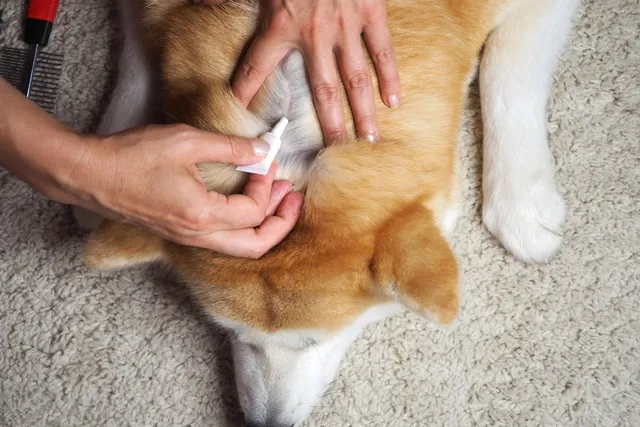
So, you’ve noticed your dog scratching and have applied a flea-preventative medication, but they are still continually scratching. Why is this? There could be a couple of problems happening here. Firstly, was your dog definitely scratching due to fleas? Other conditions like allergies and ear infections can also lead to scratching. Another possibility is that they are being reinfected with fleas, or the treatment has not been effective. Finally, your dog may have an allergy to flea saliva or have an infection secondary to the fleas. So, if your dog is still itching after their flea treatment, read on to learn more about what you should do.

Why Is My Dog Still Itching After Flea Treatment?
If your dog is still itching after applying flea prevention, it could be that your dog never had fleas in the first place and is itchy for another reason. It could be an issue with the product itself or the way you use it. Finally, it may be that you have so many flea eggs and pupae in the environment that it will take time to break the cycle. If your dog is still itching after flea treatment, here are the steps you should follow to rectify the situation.
How Long Will My Dog Itch After Flea Treatment?
Dogs usually stop reacting to flea bites within a few days of the bite. However, some dogs with an allergy to flea saliva will have more intense skin reactions, known as flea allergy dermatitis, which can take weeks to resolve.
The preventative products also work in different ways. Some fast-kill products will stop the bites within hours; however, others will take days to kick in. For example, Capstar starts to kill fleas 30 minutes after dosing, but only lasts 24 to 48 hours. Some products act as repellents, while others need the flea to actually bite before killing them. If there is a heavy flea burden in your environment, meaning there are lots of larvae and eggs hanging around, fleas can keep jumping on your dog for months before they eventually die out.
Why Is My Dog Still Getting Fleas After Treatment?
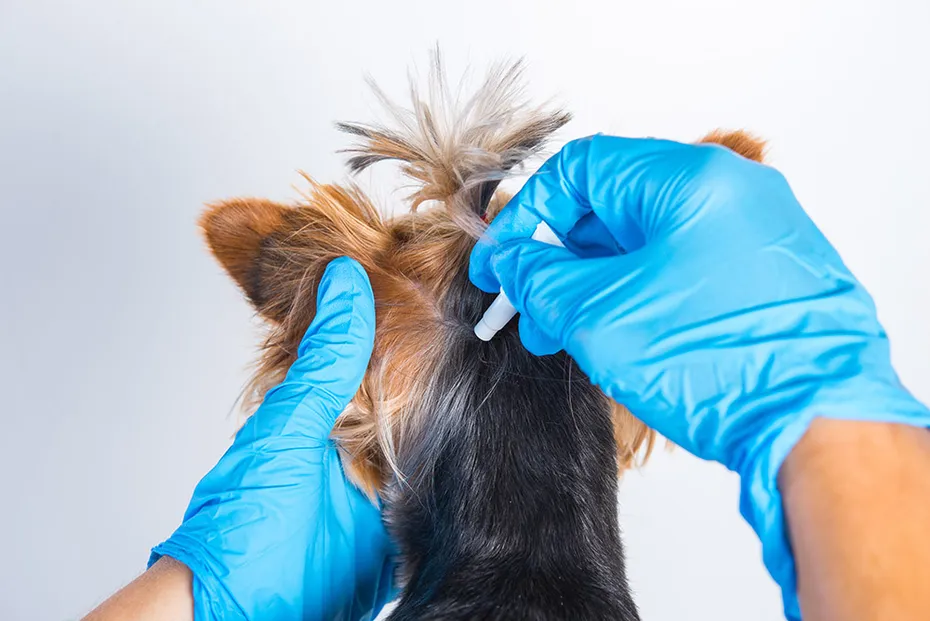
You should check your specific flea product instructions. If you apply the product incorrectly, it won’t work. Some topical medications require that you don’t bathe your dog for a period after applying it, so if you have washed off the medication, you can expect it not to work. You need to make sure the frequency and dose you are giving the product at is correct. You need to also break the life cycle of the flea and treat all animals in the home, as well as the environment, beds and bedding, to avoid re-infection.
The 4 Ways to Help Your Dog With Itching
1. Examine Your Dog
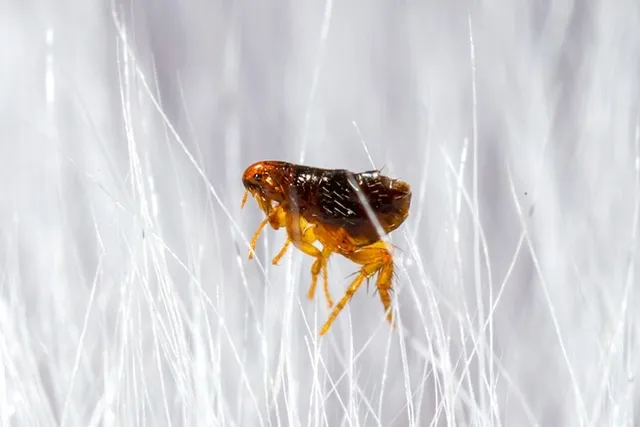
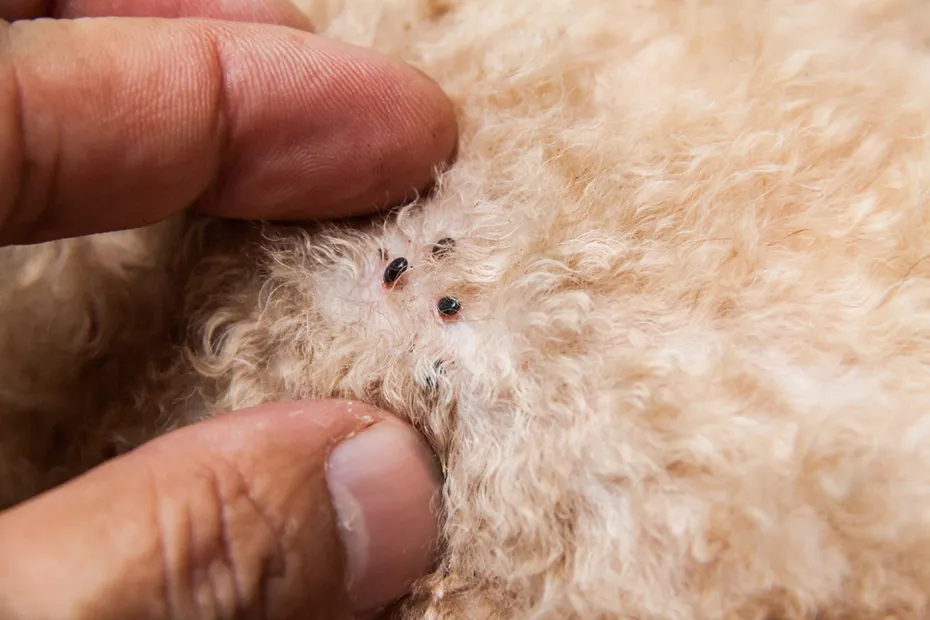
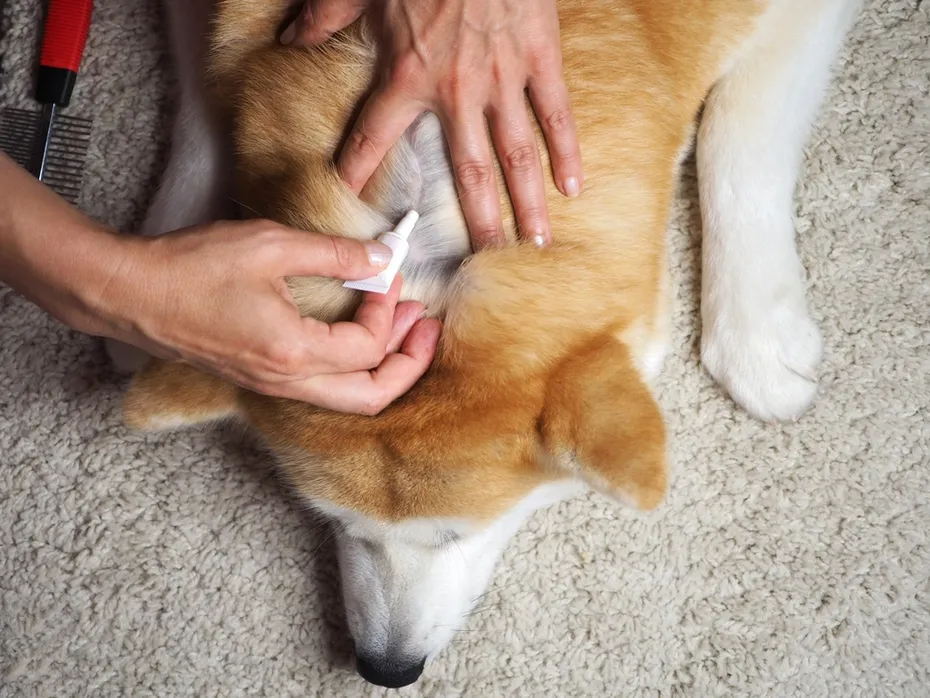
We want you to check your dog's skin for signs of fleas. If you part their hair, you might see fleas as dark brown/black spots moving around. Fleas especially love to hang out around the base of the tail, so look there carefully. Also, look at the back legs and stomach. Aside from live fleas, you might notice something called flea dirt, which is the feces of fleas that look like specks of dirt in the coat. If you take some of this dirt and rub it on a wet piece of toilet paper, it will turn reddy-brown in color.
Check the skin for signs of open wounds, hair loss, reddened skin, discharge, and thickened areas. You can also check for signs of ear infection, like reddened or scabbed inner ears, ear discharge, or a bad smell from the ears. If you see any of these signs, your pet will need veterinary treatment to ease their discomfort.
2. Read the Instructions
Next, get out your flea treatment and read the instructions on the insert. If you can’t find these, then you can look up the specific product instructions online. Check the dose, how long it takes to start working, how long it lasts for, and administration instructions. If you are convinced you have applied it correctly and that you should be seeing some results by now, you can call your veterinarian for further advice. Sometimes fleas become resistant to a particular product, so it might be worth asking your vet about which product to use.
3. Break the Life Cycle
As mentioned earlier, fleas can burden their immediate environment with hundreds if not thousands of eggs. It will take about 3 months to break the life cycle of fleas, but you can speed the process along by decontaminating the environment.
You need to make sure all your pets are covered with flea prevention, so the fleas can’t live on them and continue dropping eggs. You need to vacuum, steam clean, and wash the floors and bedding to remove flea eggs and pupae. Do this as often as possible, not just once. If there are shady areas outside your house, it could be worth blocking your dog’s access to these areas, particularly places under the house, as they are likely to be contaminated with flea eggs. You can neaten up your yard to reduce the shady spots. You can also hire pest control experts who use insect growth regulators to kill flea eggs and larvae in the environment, but just make sure the products they use will be safe for your dog on your return.
4. Visit Your Veterinarian
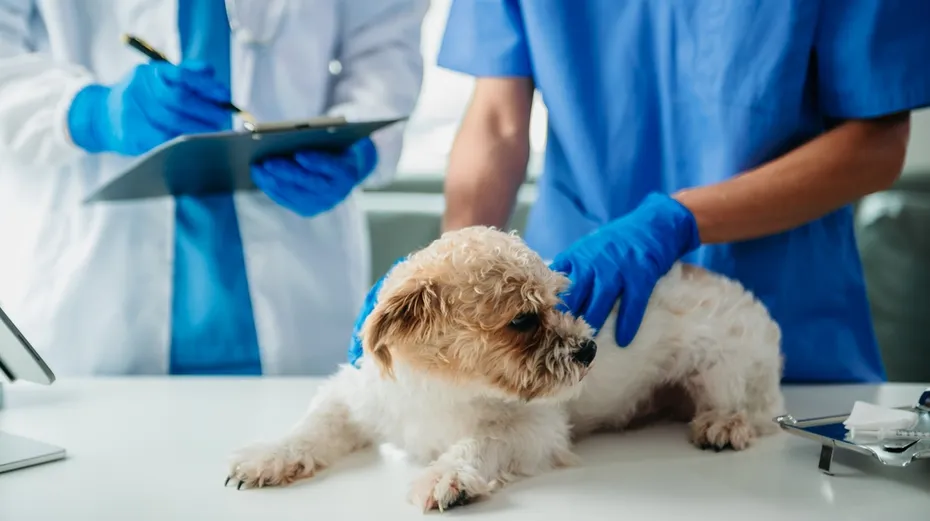
If the itching is severe, persists despite your interventions, or you notice changes in your dog’s hair coat and skin, you should visit your veterinarian. They can determine if fleas are causing the reaction or if it’s something else, like an ear infection, environmental allergies, food allergies, mites, or a skin infection. Fleas can carry tapeworms and other diseases, so treatment of secondary conditions might be necessary when your pet has fleas.
Your veterinarian may perform some testing on the skin and walk you through treatment options. Your pet may need antifungal or antibiotic medication, or medications to reduce their itching and irritation. If a food allergy is suspected, your vet may recommend a food elimination trial. A change in diet or parasite prevention can also help various skin issues.
Conclusion
If it seems your flea control is not working, you will need to troubleshoot the situation. Fleas may or may not be the cause of your dog’s itchiness. However, fleas can also lead to dermatitis and skin infections, which need veterinary treatment. If you’re unsure, it’s better to seek help sooner rather than later for your dog’s sake. As you now know, fleas quickly establish themselves in an environment, so year-round flea prevention is a must to avoid this.
Featured Image Credit: MitchyPQ, Shutterstock
Expert dog care, straight to your inbox
News, insights, expert advice, and everything dog.

No spam — unsubscribe anytime.
By signing up, you agree to our Terms & Conditions and Privacy & Cookies Policy.
How useful was this post?
Click a star to rate. You can leave written feedback afterwards. (We read all feedback.)
Dr. Ashley Darby BVSc (Veterinarian)
Dr. Ashley has worked in mixed and small animal emergency clinics and general practice ever since 2017 after studying Sydney University. She grew up in South Africa and England before moving to Australia, and her passion for animals came from many childhood safaris in the Kruger National Park.
Ash lives with her husband, two happy Springer Spaniels, and one very patient black cat. She also competes in equestrian sports with her horse, Atlas.