My Dog Ate Play-Doh: Should I Be Worried? (Vet Answer)

In this article
Kids and dogs are often attached at the hip; where one goes, the other follows. Since kids love to share their food with their doggy friends, this can also include handing off other items or even dropping them. For some young children, this can include fun items like Play-Doh, a soft, modeling-type material that allows for great imaginative play.
If a dog manages to eat a bit of Play-Doh, the good news is this shouldn’t harm them. If they eat the plastic container Play-Doh is stored in, eat a significant amount, or eat homemade Play-Doh instead of the store brand, there can be concerns, so we’ll go over what to watch out for.

What Are the Ingredients of Play-Doh?
At its core, Play-Doh is a malleable substance, not too different from soft clay, that is made up of water, salt, and flour. This is then available in a wide variety of colors, sometimes alternative scents, and different volumes.
Play-Doh is designed to be non-toxic since it’s so common for children to ingest it, so luckily this means it’s also usually non-toxic for dogs.

Risks of Play-Doh Ingestion
Play-Doh is stored in recognizable yellow plastic containers with colored lids. If a dog eats Play-Doh by chewing through the whole container, there is a risk of GI foreign body obstruction due to eating plastic.
If, however, they just eat the Play-Doh, unless they eat a significant amount, they are unlikely to run into any trouble. Dogs that eat significant amounts of Play-Doh may experience GI upset such as vomiting, diarrhea, or decreased appetite. If they eat large quantities quickly as a whole, there is also a risk of the Play-Doh becoming an obstructive ball in their GI tract, though this would typically break down and move along with time and supportive care.
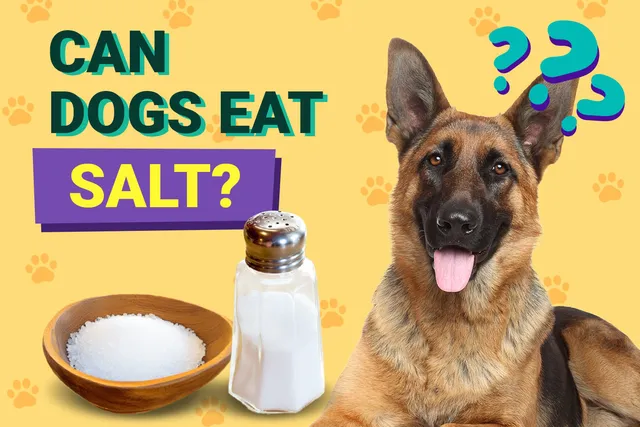
Play-Doh does contain salt, which, if eaten in large enough quantities, can cause salt poisoning, but this is not really an issue for brand name Play-Doh, only for homemade Play-Doh recipes.
If you are concerned about the health and well-being of your pet, seek veterinary advice for the best course of action.
A Note About Homemade Play-Doh
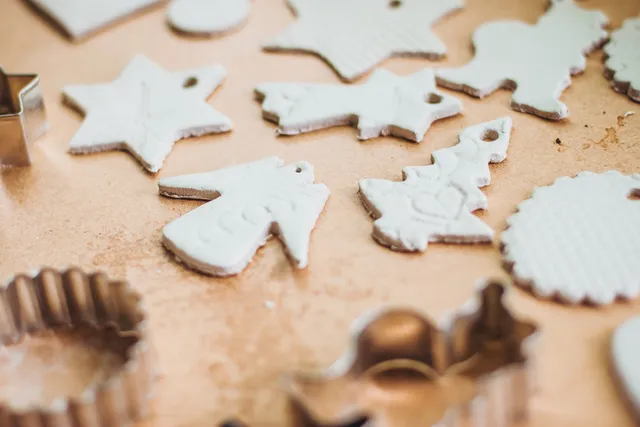
Many homemade Play-Doh copycat recipes are actually better known as salt dough, and they contain a large quantity of salt, as much as a half cup of salt in a serving. This homemade dough, often mixed with flour or cornstarch and oil, can be very appetizing to dogs and is at higher risk of being eaten.
If dogs eat this homemade Play-Doh, they can experience salt poisoning, a potentially fatal toxicity emergency.

Signs of Salt Poisoning
What to Do if Your Dog Eats Homemade Play-Doh
If your dog eats homemade Play-Doh made from a recipe that uses salt, you’ll need to contact the Pet Poison Helpline and outline your recipe to them. They can then assess the risk of toxicity for your dog and provide feedback about the next steps, which may include needing to go to the nearest veterinary emergency hospital.
If you suspect your dog has eaten salt dough and is showing any of the above signs, you should contact your nearest veterinary ER immediately and head to them for treatment.

How Is Salt Poisoning in Dogs Treated?
Dogs that have salt poisoning need to be given fluids very carefully under the supervision of a veterinarian, as the fluids are needed to dilute the high levels of salt in their body, but if they are given too much too quickly, it can actually make them far sicker and the signs of poisoning much worse.
Some dogs may have seizures that need to be treated with anti-seizure medication. Most dogs with salt poisoning need a couple of days in the hospital to fully recover, though the prognosis is guarded for dogs with significant poisonings.
Frequently Asked Questions
Play-Doh contains salt. Could it cause salt toxicity in a dog?
Brand name Play-Doh has significantly lower levels of salt than homemade varieties and is generally considered non-toxic to dogs.
Can all homemade Play-Doh recipes cause salt poisoning in dogs if eaten?
Not all homemade Play-Doh recipes are salt doughs, meaning they don’t all contain salt. These alternative recipes are usually mostly flour, oil, water, and artificial colors. Some may contain cream of tartar. These are safe for dogs though eating significant amounts of anything new like this could cause some diarrhea in sensitive dogs.
How much does the Pet Poison Helpline cost?
The Pet Poison Helpline costs $85 per incident but covers as many calls as needed related to that incident.

Conclusion
While Play-Doh is usually safe for dogs, if they eat the packaging with the dough or eat significant amounts of it, they may run into some GI problems that may require veterinary care. For homemade varieties, specifically salt doughs, there is a very real risk of ingestion and poisoning, and these should not be used with dogs in the area since kids are so likely to help the dog with eating some.
If you are worried your dog has salt poisoning or is at risk for it, you can contact the Pet Poison Helpline for further assistance.
Expert dog care, straight to your inbox
News, insights, expert advice, and everything dog.

No spam — unsubscribe anytime.
By signing up, you agree to our Terms & Conditions and Privacy & Cookies Policy.
How useful was this post?
Click a star to rate. You can leave written feedback afterwards. (We read all feedback.)
Dr. Maria Zayas DVM (Veterinarian)
Dr. Zayas is based in Colorado with her animal friends - her dogs, cat, and fish. Maria has a strong passion for sharing her extensive knowledge about dogs to as many people as possible. With global travel experience, she prioritizes delivering accurate, informative responses to her clients' inquiries. Specializing in house-call veterinary care, she focuses on allergies, pain management, and tailored solutions for dog health care, stemming from a diverse background in shelter medicine and home health. Dr. Zayas holds a Bachelor's degree from Bryn Mawr College and a Doctor of Veterinary Medicine degree from Ross University School of Veterinary Medicine.