Hyperthyroidism in Dogs: Causes, Signs & Management (Vet Answer)


In this article
Hyperthyroidism is a common condition in cats, but what about in dogs? Not so much. What does it mean if your veterinarian tells you your dog is hyperthyroid? Let's explore this uncommon condition.

What Is Hyperthyroidism?
The thyroid gland in the neck produces hormones that help regulate metabolism and other essential functions. With hyperthyroidism, your dog's thyroid gland produces more of two specific hormones: T3 and T4. Too much hormone causes your dog's body processes to go too quickly, and they may lose weight. This condition can cause significant physical changes.
The thyroid and the nearby parathyroid gland help regulate calcium levels in the body, so you might see changes associated with hypercalcemia (elevated calcium levels), such as decreased energy, increased thirst, and subsequently increased urination.

What Are the Signs of Hyperthyroidism in Dogs?
Hyperthyroidism in dogs can be complicated to diagnose because it's not commonly seen in dogs. Some of the signs are similar to hypothyroidism in dogs, such as an unkempt coat or skin changes.
You might see:
Some of these changes are related to the potential enlargement of the thyroid gland, particularly gagging or trouble swallowing. A thyroid mass is a differential for a dog worth a throat swelling.
If your dog is showing any of these signs, we recommend speaking with a vet.
What Are the Causes of Hyperthyroidism in Dogs?
The most common cause of hyperthyroidism in dogs is a malignant thyroid carcinoma. Unfortunately, this mass can grow large and metastasize to other locations, so the prognosis is poor for dogs diagnosed with the condition.
One cause of hyperthyroidism in dogs that can have a better prognosis is over-supplementing a hypothyroid dog with levothyroxine. This medication is quite effective at helping regulate your dog to a more normal thyroid function. But if you give too much, the dog becomes hyperthyroid. Your veterinarian will recommend regular thyroid level testing to check for this possibility.
Some diets have been associated with hyperthyroidism in dogs. Dogs eating a raw diet with excessive thyroid tissue may develop hyperthyroidism. Some supplements made with kelp or seaweed can also trigger the condition.
How Do I Care for a Dog With Hyperthyroidism?
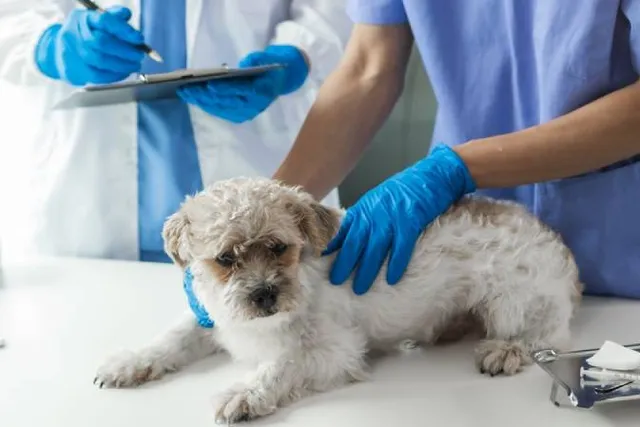
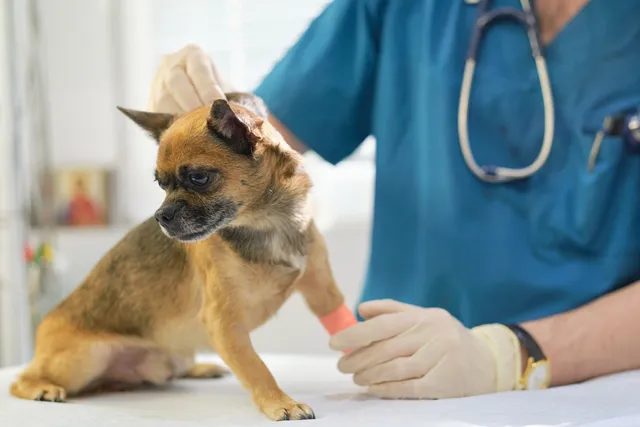
First, your veterinarian must examine your dog and run some tests. They can palpate your dog's throat and see if anything in the neck feels enlarged or otherwise irregular, particularly the thyroid gland, which is relatively small in our pets. With a suspicion of metabolic changes, they'll likely run a panel of blood work, including:
- Complete blood cell count
- Serum chemistry
- Electrolytes
- Thyroid panel, which generally needs to look at the T4, as well as TSH and free-T4
Your veterinarian may also image your dog's neck. They may take X-rays (radiographs) to image the throat, heart, and lungs. If the vet has ultrasound capability, they might run the ultrasound over your dog's throat to look for changes in the thyroid gland. The veterinarian may also refer you to a specialist for these diagnostic tests.
Treating Hyperthyroidism in Your Dog

Treatment depends on the underlying cause. If your dog has been treated with levothyroxine, they'll likely lower the dose to get it at a more effective level, especially if there's no evidence of a mass in the thyroid gland.
If your dog has a tumor associated with the thyroid gland, your vet will want to check for metastasis to areas like the lungs. These thyroid carcinomas tend to be fast-growing and aggressive. If there is a tumor, especially with metastasis, the prognosis for your dog is poor for long-term survival.
Depending on the amount of tissue involved, surgery might be an option for your dog. Radiation therapy may also be used to treat thyroid cancer. Radioactive iodine is a relatively common treatment for hyperthyroidism in cats and could be considered in dogs.
Some medications can be used to lower the thyroid output of hormones, but it's essential to understand that these do not treat the underlying tumor.
Frequently Asked Questions (FAQ)
How serious is hyperthyroidism in dogs?
Hyperthyroidism is a very serious condition in dogs because an aggressive type of tumor most often causes it. Left untreated, the cancer may spread. Even if a tumor does not cause it, hyperthyroidism can have severe effects on your dog's heart and lead to heart failure.
What breeds of dogs most commonly develop hyperthyroidism?
Hyperthyroidism is most common in older pets. Certain breeds seem to have a bit of a higher incidence of thyroid cancer than others, including:

Conclusion
Hyperthyroidism is not as common in our canine family members as in our cats, but it's still something to be aware of. If you notice a change in your dog's bark or feel a swelling in their throat, schedule a veterinary visit as soon as possible. Be prepared for several tests, starting with blood work and possible imaging, to get a clear picture of what's going on with your pup.
Sources
Featured Image Credit: Przemek Iciak, Shutterstock
Expert dog care, straight to your inbox
News, insights, expert advice, and everything dog.

No spam — unsubscribe anytime.
By signing up, you agree to our Terms & Conditions and Privacy & Cookies Policy.
How useful was this post?
Click a star to rate. You can leave written feedback afterwards. (We read all feedback.)
Dr. Samantha Devine DVM (Veterinarian)
Dr. Samantha Devine is a practicing veterinarian who enjoys caring for animals and sharing her knowledge with pet owners. Preventative care, ranging from nutrition to vaccination, is her specialty and passion!
With over 12 years of veterinary experience, Dr. Devine has extensive knowledge to share about small animal medicine, horses, aquatic species, and even zoo animals. She has also been writing for online pet sites for most of that time.