Histoplasmosis in Dogs: Signs, Causes, and Treatment Options (Vet Answer)

In this article
Dogs can inhale or ingest fungal spores from the environment and acquire a fungal infection in their lungs, intestinal tract, or systemically in several organs and tissues. One such fungal infection is histoplasmosis. Diagnosing this disease involves cytology and histopathology evaluation, and the treatment may involve a prolonged and expensive course of antifungal therapy.

What Is Histoplasmosis?
Histoplasmosis is a fungal infection caused by the soil fungus Histoplasma capsulatum. This fungus thrives in moist and warm conditions, especially in soil containing bird or bat droppings. In the United States, H. capsulatum is commonly found along the Mississippi, Missouri, and Ohio River valleys, but it can be found worldwide. Histoplasmosis can occur in humans and animals, but cats and dogs are the most commonly affected.

What Are the Signs of Histoplasmosis in Dogs?
Histoplasmosis in dogs can produce signs that are non-specific and variable 2 to 3 weeks after infection.
Common signs may include:
Seek veterinary advice if you’re concerned about your pet’s well-being.
What Are the Causes of Histoplasmosis in Dogs?
Histoplasmosis is most commonly acquired by breathing in the fungus's spores, which travel into the lower airways of the lungs, multiply, and cause infection. Spores can also cause infection in the intestinal tract by entering through the mouth. The infection may remain in the lungs or intestines, but it can also cause a systemic infection by spreading through the bloodstream to other parts of the body, such as the lymph nodes, spleen, liver, eyes, and skin.
Dogs exposed to high levels of fungal spores for an extended period of time may have a greater chance of contracting the disease. Young, large-breed hunting dogs may be more at risk. Pointers, Weimaraners, and Brittany Spaniels were found to have an increased risk in one study, but this is likely due to their hunting behavior habits rather than their breed specifically.


How Will a Veterinarian Diagnose Histoplasmosis?
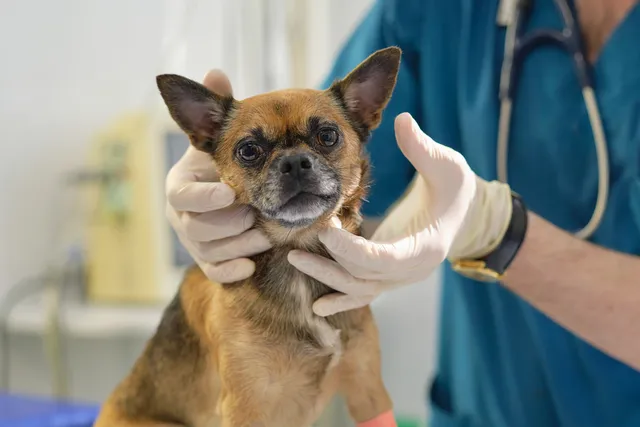
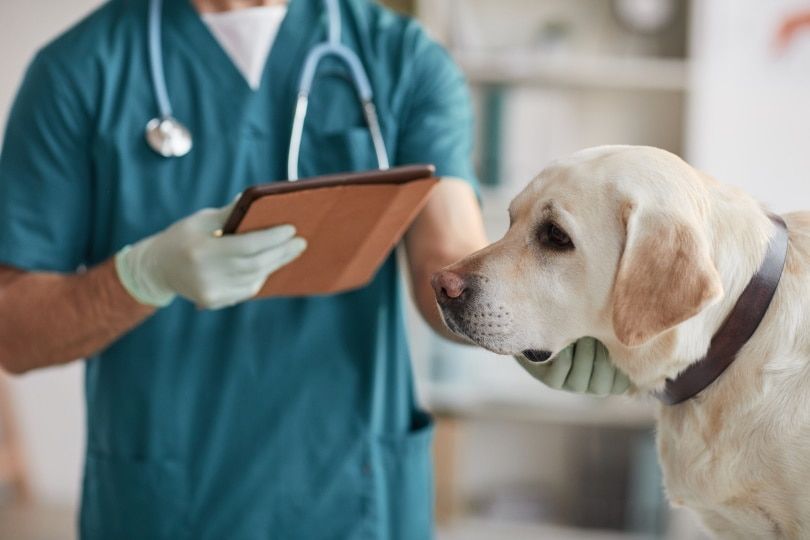
Your veterinarian will gather your dog’s complete medical history, including any recent travel in the last month or two that may have exposed your dog to fungal spores. The vet will complete a thorough physical examination of your dog and may recommend testing, such as blood work, urinalysis, X-rays, and ultrasound, to help determine the cause of your dog’s signs.
If your veterinarian is suspicious of a histoplasmosis infection, they may recommend cytology to aspirate a fluid sample from your dog’s lymph node or collect a small sample of draining fluid from an open wound to examine the cells under a microscope. Histopathology may also be needed to confirm a diagnosis by taking a biopsy of a tissue sample and having a pathologist examine it.
How Do I Care for a Dog With Histoplasmosis?
Histoplasmosis may be treated with antifungal medications.
Commonly prescribed treatments include:
It is important to note that antifungal therapy may be needed for 6 months or longer to effectively treat the disease. Not all dogs will recover, especially those with advanced disease or poor body condition. Dogs with a systemic infection or an infection in the eyes or nervous system may also be more difficult to treat than those with a localized lung infection. Hospitalization may be needed for dogs in poor condition. Follow-up X-rays, bloodwork, and urine testing may be required to track the treatment progress.


Frequently Asked Questions
Can I Contract Histoplasmosis From My Dog?
It’s not likely, but you should maintain strict hygiene practices, especially if draining wounds are present. Wear protective gloves, and wash your hands with soap and water after handling an infected pet. If anyone in your household is immunocompromised, such as young children, an elderly parent, or someone undergoing chemotherapy, you should discuss safety precautions with your primary care doctor.
What Treatment Options Are Available for a Dog With Histoplasmosis?
The treatment may include antifungal therapy, such as fluconazole or itraconazole. Pain medication may also be administered. Some dogs may need to be hospitalized or receive supportive care, especially if they have difficulty breathing or are not eating.

How Long Do I Need to Treat My Dog for Histoplasmosis?
Recovery is usually prolonged. It may take 6 months or longer to successfully eliminate the fungus.
How Can I Prevent My Dog From Contracting Histoplasmosis?
One of the best preventive measures is to prevent your dog from eating bird or bat droppings. Keep them away from caves, bird coops, and other places where birds and bats congregate. Rotting wood may also be a source of fungal infection. Be mindful of places where the fungus is especially prevalent.
Conclusion
Histoplasmosis is a fungal infection that can occur in dogs. It is caused by fungal spores that are either inhaled or ingested from the soil and cause infection in the lungs, intestinal tract, or systemically. Signs may be non-specific. A diagnosis is confirmed through cytology or histopathology, and the treatment may consist of antifungal medications. Not all histoplasmosis cases will be treated successfully, and dogs with advanced disease or a poor body condition may have a more concerning prognosis.
Sources
Featured Image Credit: SeventyFour, Shutterstock
Expert dog care, straight to your inbox
News, insights, expert advice, and everything dog.

No spam — unsubscribe anytime.
By signing up, you agree to our Terms & Conditions and Privacy & Cookies Policy.
How useful was this post?
Click a star to rate. You can leave written feedback afterwards. (We read all feedback.)
Dr. Stacie Grannum DVM (Veterinarian)
Dr. Stacie Grannum was born and raised in Arizona, USA. When she was a little girl, an encounter with a little animal changed her life forever. A tiny bird fell high from its nest, and Stacie diligently cared for it. Sadly, despite her best attempts to save it, the baby bird did not survive. From this devastating loss came a new ambition, carving the path that Dr. Grannum followed. She knew that she wanted to pursue a career in veterinary medicine. She worked hard toward that goal and dedicated her time to pursuing the field.
Today, her focus is on pet health, particularly wellness and preventive medicine. She also enjoys writing about pet health and is eager to share what she has learned over the year with other animal lovers.
In 2014, Dr. Grannum earned her Doctor of Veterinary Medicine Degree from Colorado State University.