What Is the Flehmen Response in Dogs? Our Vet Explains

In this article
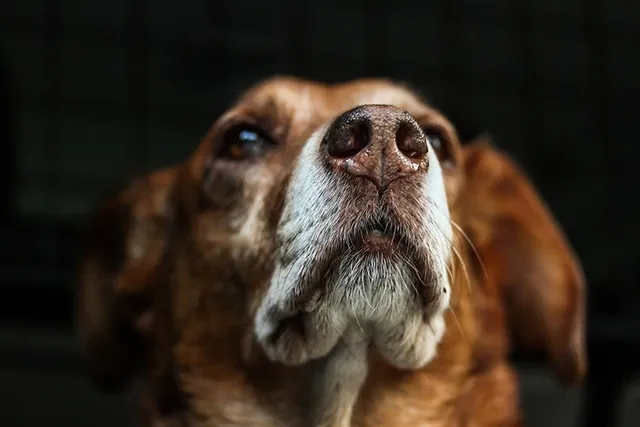
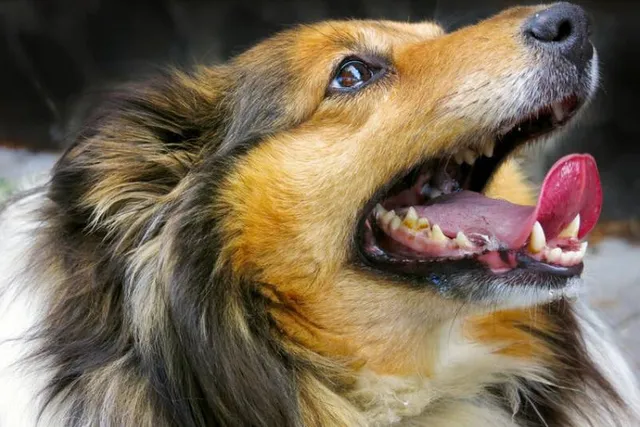
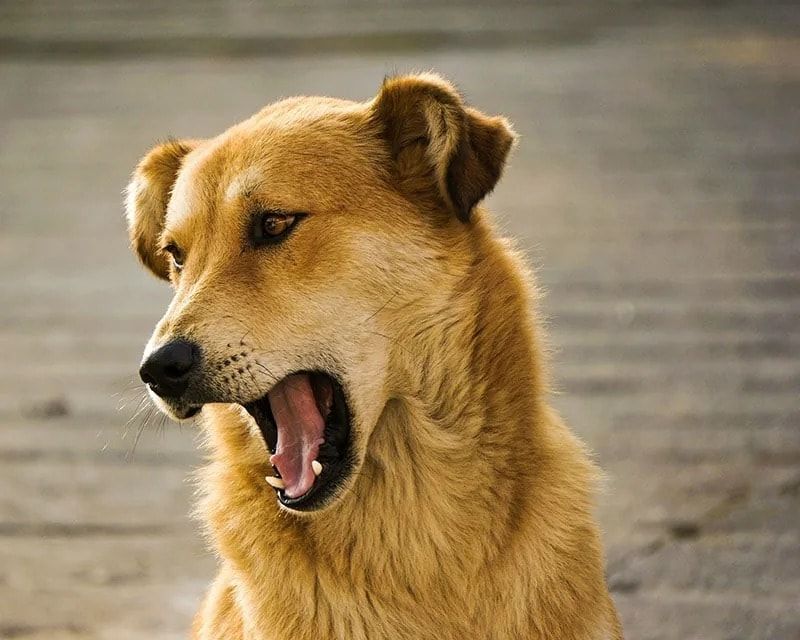
The Flehmen response is a behavioral response to an interesting scent. It is fairly uncommon and very subtle in dogs, although more common in cats, and it usually involves a dog ever-so slightly curling their top lip to draw air towards a special organ in their nose. Due to the rigid structure of their mouths, the lip-curling is very minimal in dogs and barely noticeable, but it is accompanied by teeth chattering, which makes it a memorable response for owners who witness it.

How Does the Flehmen Response Work?

Like many other animals, dogs possess a vomeronasal organ. This organ is located within the nasal cavity, in the same location as the dog’s nasal septum, the line which runs along the middle of their nose, dividing it into two halves. This is a crescent-shaped organ that helps redirect scents of interest in the air (usually pheromones) to the dog’s nose for better analysis and interpretation.
In most species, the flehmen response involves stretching the neck out towards the direction of interest, curling the upper lip, and drawing in air to the nostrils for a few seconds. The effect is much more subtle in dogs, and most observations of the Flehmen response in dogs is limited to noticing their teeth chatter slightly. The flehmen response is considered a communication behavior, and is considered voluntary. This means animals deliberately do it to investigate the smells around them better.
Interestingly, the flehmen response is found in many species, and isn’t an indication of a superior sense of smell; species with a sense of smell worse than dogs also display the response. The primary purpose of this behavior isn’t to smell better but rather to identify pheromones from conspecifics. In many animals, the behavior is primarily observed in males. However, it is also observed in female animals. The behavior is often mislabeled as an animal appearing spiteful, grimacing, smirking, disgusted, or laughing.
Certain animal species can use the flehmen response to communicate with other species. Such behavior has been observed in goats, but hasn’t been thoroughly investigated in dogs.
It has been found that humans have a vestigial vomeronasal organ in their nose, too, but it is considered vestigial and therefore is not functional.
A Dog’s Olfactory Senses

Dogs rely heavily on their sense of smell during their everyday lives, so it is hardly surprising to learn that they have olfactory senses that are tens of times more powerful than those of humans.
Some studies have shown that humans do have smell receptors on our tongues, too, but nothing as impressive as the dog’s sense of smell. Compared to humans, a dog’s sense of smell is much more amplified: if a human can pick up a scent in a room, a dog is able to pick that smell up from the middle of a fully packed sports stadium!
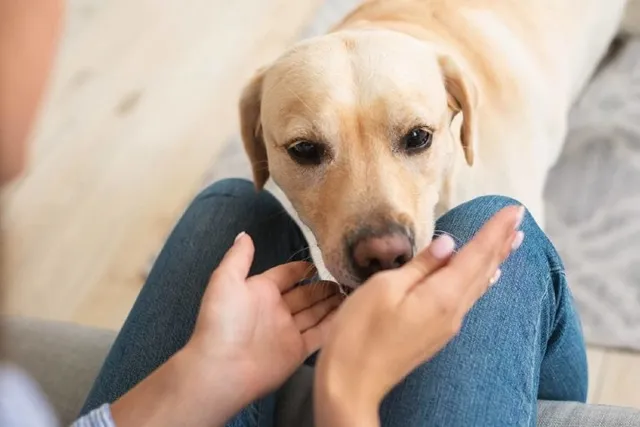
Dogs use their incredible sense of smell for lots of reasons. They can use it to sense, find, locate, and track down prey, which is still beneficial for hunting dogs and some other working breeds, as well as wild dogs. For house dogs, this means that they can tell when dinner is ready, or even when you’ve opened a packet of their favorite treats.
They also use their sense of smell to determine information about other dogs. Just by the scent of another dog’s urine or other secretions, they can tell the gender of the dog and whether they are healthy or not. When the dogs get closer, they can tell even more information by scent. Dogs have an incredible memory for scents, and they are able to tell the passage of time by scent. Unlike humans, dogs primarily view their world and surroundings through their sense of smell, not sight.
Nonetheless, it is important to remember that the presence of a Flehmen response doesn’t indicate a superior sense of smell, as many species with a sense of smell inferior to that of dogs also possess the ability to display the Flehmen response.


Conclusion
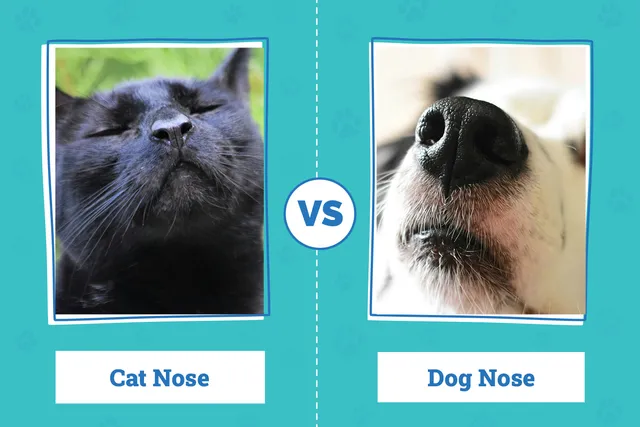
The Flehmen response in dogs is a behavior that primarily facilitates the transfer of pheromones from the air to the dog’s nose for more information. Though dogs do display a Flehmen response, they do not do so as frequently or as profoundly as other animals, such as cats. For most owners, the entire behavior is usually an observed chattering of the teeth which lasts for a few seconds.
See Also:
Featured Image Credit: Akshay Madan, Unsplash
Expert dog care, straight to your inbox
News, insights, expert advice, and everything dog.

No spam — unsubscribe anytime.
By signing up, you agree to our Terms & Conditions and Privacy & Cookies Policy.
How useful was this post?
Click a star to rate. You can leave written feedback afterwards. (We read all feedback.)
Dr. Luqman Javed DVM (Veterinarian)
Dr. Luqman (also known as Dr. Lucky) grew up with an extreme fondness for animals of all kinds. By becoming a veterinarian, he turned his childhood dream into reality. Now, his goals are focused on providing help to dogs all around the world by helping dog owners to understand their canine friends better to ensure the best quality of life for them. His passions are wildlife, exotic pets, pet owner education, and animal welfare. He graduated with his DVM from the Universiti Putra Malaysia in 2020. Dr. Lucky has experience with a variety of animal species and has decades of personal experience with keeping many different types of exotic pets, such as turtles, hamsters, freshwater fish, chickens, songbirds, and parrots (and he has extensive skills in training parrots, too).