Why Does My Dog Chatter Its Teeth? 8 Vet-Verified Reasons


Dogs have a knack of being able to surprise you, even after years of ownership. You might think you know everything about your faithful companion only to see them chattering their teeth one morning. It’s enough to cause more than a little concern, especially if it keeps going for longer than a minute or two.
Some feel the cold and chattering teeth are a natural response. Others get particularly excited when they smell a new and especially interesting pheromone. But, while it can be a perfectly natural and relatively unassuming behavior, chattering teeth can be a sign of a medical condition. It can also accompany seizures. You will need to consider the context of the teeth chattering to determine the most likely cause and to ascertain your best next step.
Below are the 8 most likely causes of teeth chattering, as well as advice on what to do to stop it.

The 8 Possible Reasons Your Dog Chatters Its Teeth
1. They’re Cold
Shivering is a body’s natural reaction to the cold. The body contracts and relaxes the muscles in rapid succession which causes them to twitch, and this sudden movement helps raise body temperature, thereby reducing the feeling of cold and remedying the situation. As the muscles twitch, or contract and relax, this causes opposing jaws to move up and down quickly, causing a chattering of teeth. Just like humans, dogs’ teeth can chatter when they are cold.
If you notice your dog’s teeth chattering from the cold, you need to do something to help increase their temperature. This may mean bringing your dog in from the cold, offering them something warm to lie on, or turning the heating up a little. If your dog’s teeth regularly chatter when you take them out to walk, it might be time to invest in a dog jumper or coat.

2. They’re Hot
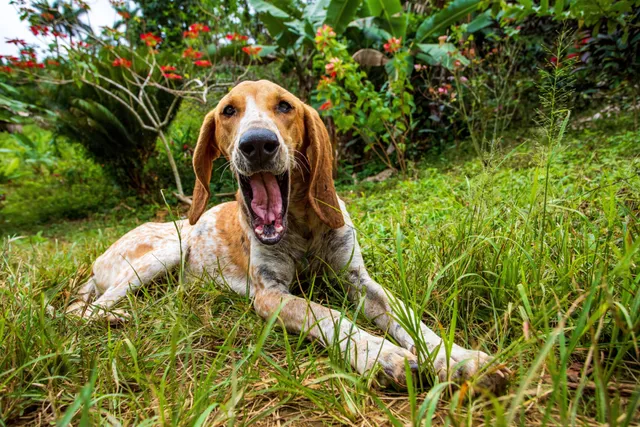
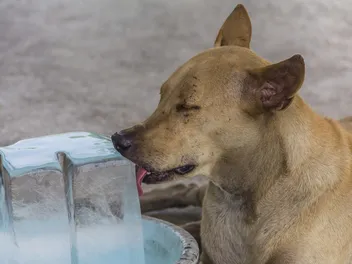
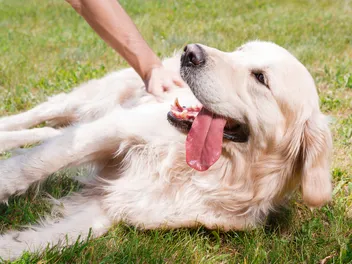
When humans get hot, they sweat, which helps reduce body temperature. Dogs don’t sweat the same as humans, so they have to rely on other methods to reduce body temperature. One such method is panting. Panting is your dog’s body’s way of getting cool air in and warm air out of the body, and it is a natural reaction to high temperatures. The motion of panting can also cause the jaw muscles to contract and the whole panting motion can cause teeth to chatter against one another.
So, while it might sound counterintuitive, your dog’s teeth could be chattering as a result of being too hot, rather than too cold. Look for ways to cool your dog down, if this is the case. Open windows, let the dog sit in a shaded area, or give them some cold water to help the cooling process.
3. They’ve Smelt Something New and Exciting
Not only do dogs have incredibly powerful noses that help them pick up on very faint smells from long distances, but they also have a vomeronasal system. This includes a Jacobson’s organ in the roof of the mouth. This additional smelling organ specifically locates and identifies pheromones from other dogs, in order to obtain certain information, for example whether a female dog is available for breeding.1
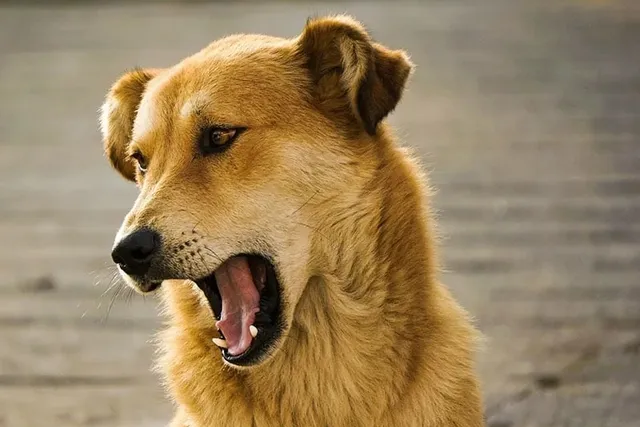
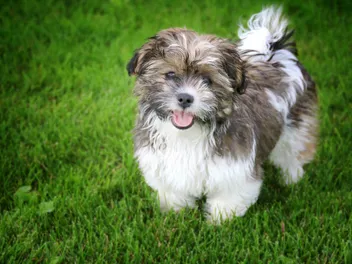
If you have ever seen a cat or dog open their mouth while smelling something, they are activating their Jacobson’s organ. And it isn’t uncommon for a dog’s teeth to chatter while it is taking in pheromones in this way. There isn’t anything you can do to prevent your dog from using this organ or from trying to smell pheromones in the air. It is a perfectly natural response and one that helps your dog find their way around the world.

4. They’re Excited
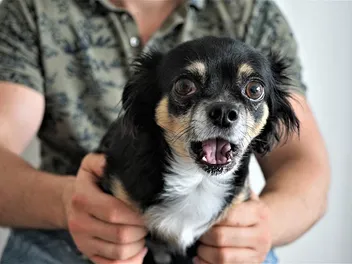
When your dog gets excited, their body is flooded with adrenaline. As adrenaline courses through your dog’s body, it can cause muscles to twitch, including the muscles in the jaw. As a result, your dog’s teeth can chatter if they get too excited. Although excitement is usually a good indication that your dog is happy about something, too much excitement can lead to unwanted behaviors like inappropriate urination and even reactive biting.
If you’re concerned about the reaction, it may also be possible to desensitize your dog to whatever causes the excitement, and this can stop the teeth chattering and other behaviors that accompany it.
5. They’re Nervous
Nervousness causes a very similar reaction in a dog’s body to excitement, so if your dog gets very nervous, the body releases adrenaline in preparation for either fight or flight. They are essentially getting ready to react.
And, in the same way that getting over-excited can cause your dog to display unwanted behaviors, so too can your dog getting over-anxious. Try to identify the cause of nervousness or anxiety, and try to remove the cause or use other methods to help reduce feelings of anxiety in your dog.

6. They’re in Pain
One possible cause of anxiety or stress in your dog is pain. If your dog is suffering some unexpected pain, this can lead to the teeth chattering phenomena.
Look for other signs of acute pain in your dog. If they are reluctant to move, have experienced a change in eating, drinking, and toileting habits, or are crying or whimpering, this could mean that your dog is suffering. If so, consult a vet straight away. They will be able to help identify the cause of the pain and help treat it.
7. They Have Dental Problems
Dental problems are extremely common in dogs, and oral pain is a common reason for teeth chattering. Because our canine friends can’t brush their own teeth, they need us to help, and owners are recommended to brush their dog’s teeth at least three times a week, if not daily, in order to prevent or reduce dental disease.
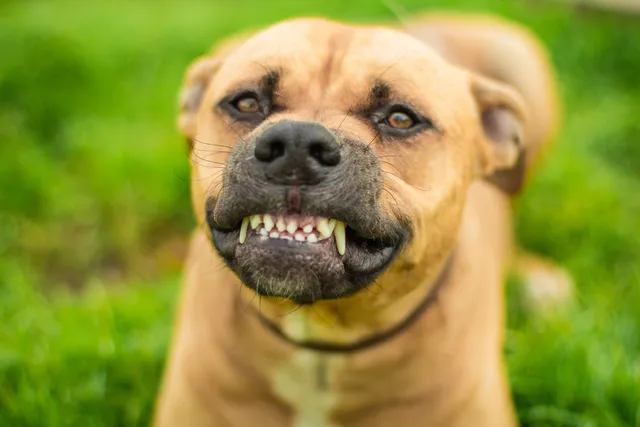
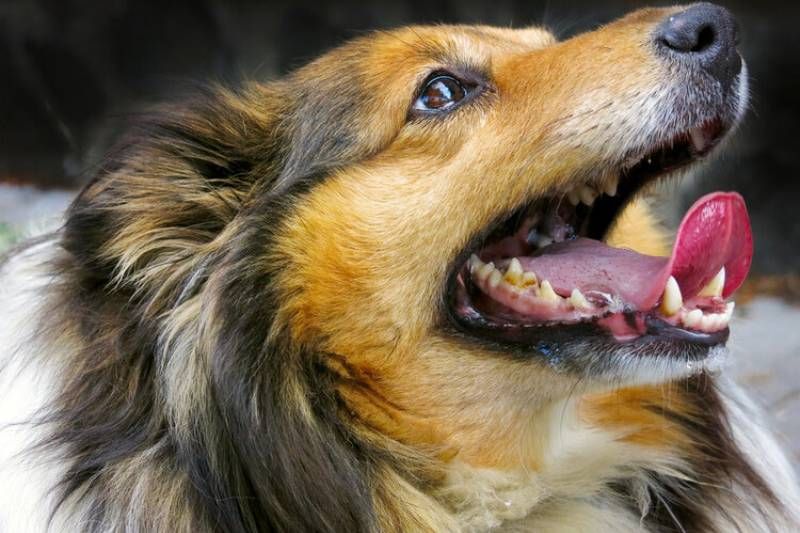
If your dog has an abscess, infection, tooth fracture, gingivitis, oral tumor or pain in the jaw joint (temporomandibular joint) it can lead to chattering teeth. Other signs include an unwillingness to eat, increased salivation, smelly breath and the same signs of pain as highlighted above. You should consult a vet as soon as possible to get the problem sorted.
8. They Have a Neurological Condition
Although it is rare, a neurological condition could lead to your dog’s teeth chattering, typically as part of a seizure. Seizures can take different forms and they range in severity and frequency. Teeth chattering is more likely to be noted as part of a focal seizure, where only a portion of the brain is affected, and “fly biting” can occur. Generalized seizures more commonly present as unresponsiveness, convulsing throughout the body, and even foaming around the mouth.
If you suspect your dog is having a seizure, you should call your vet immediately. They may advise you to come straight to their office, or they will instruct you on how to keep your pet safe during the seizure. If you are heading straight to the vet, call ahead to ensure they are ready and waiting, and so they can advise you on how best to transport your dog.
Conclusion
Chattering teeth is not uncommon in dogs, but while some dogs will exhibit this action whenever the temperature drops or gets too high, and many will have chattering teeth when they detect an intriguing pheromone in the air, other dogs may rarely, if ever, exhibit this behavior. In these dogs, it can be worrying for their owners to see it for the first time.
While some causes of chattering teeth are relatively harmless, it can be an indication of acute pain or potentially even of a neurological condition, so you should work with your vet to determine the cause.
Sources
https://www.petmd.com/dog/symptoms/dogs-and-teeth-chattering-what-you-need-know
https://lincolnwayvet.com/blog/my-dogs-teeth-are-chattering-what-does-it-mean/
https://www.wellpets.com/blog/112-what-does-it-mean-when-a-dog-chatters-their-teeth/
https://vcahospitals.com/know-your-pet/focal-seizures-and-fly-biting-in-dogs
Featured Image Credit: Michaela-Jilkova, Shutterstock
Expert dog care, straight to your inbox
News, insights, expert advice, and everything dog.

No spam — unsubscribe anytime.
By signing up, you agree to our Terms & Conditions and Privacy & Cookies Policy.
How useful was this post?
Click a star to rate. You can leave written feedback afterwards. (We read all feedback.)
Matt is a freelance writer from the UK. He lives with his partner and daughter, as well as two cats and one dog. A data analyst by profession, Matt moved from numbers to words more than 15 years ago and has been writing ever since. Having volunteered at a local animal sanctuary, he has a lot of experience with dogs, cats, and horses. Matt has also kept bearded dragons, a variety of birds, fish, guinea pigs, hamsters, mice, and rats. His daughter has adopted the same passion for animals, keeping and breeding snakes. A geek at heart, Matt is a member of a local board gaming group and regularly forces his family to “enjoy” board games with him at home.