Ask Dr. Paola - Natural Remedies, Fence Jumping & Bone Broth (December 30, 2024)
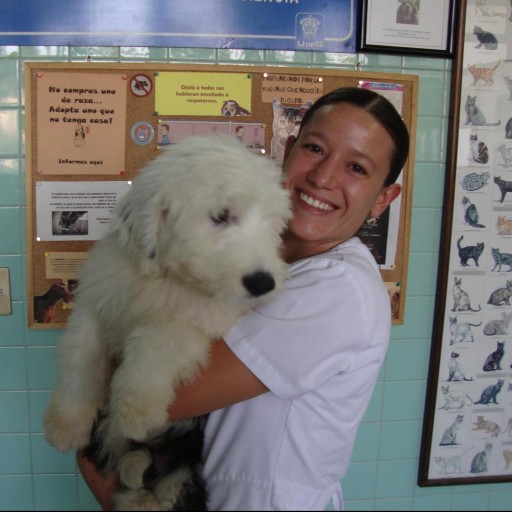
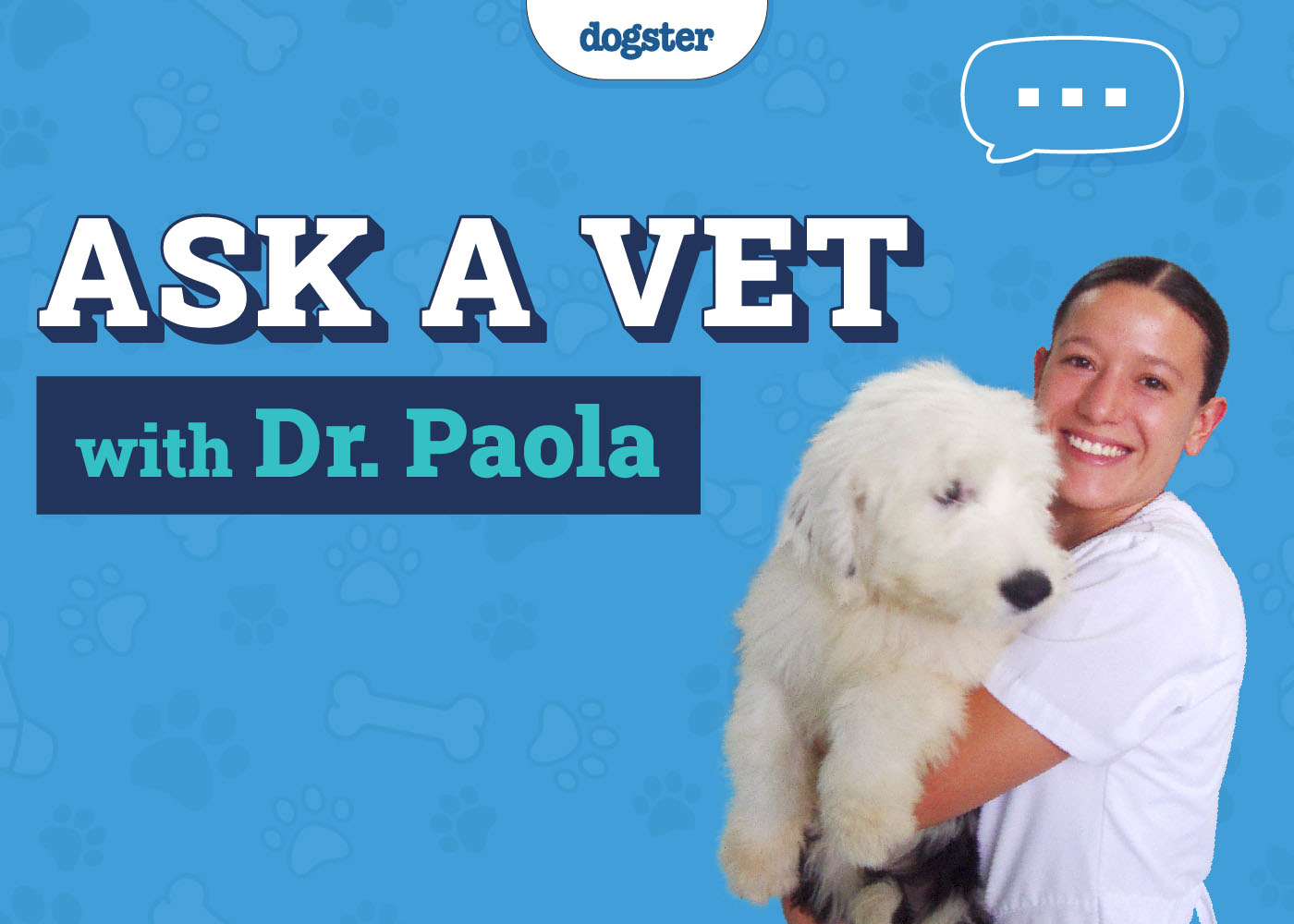
Welcome to our "Ask Dr. Paola" series, where every Monday we bring expert advice straight from Dr. Paola Cuevas (MVZ) to help our readers better understand their dog's health and well-being.
Whether you're a new pet parent or a seasoned dog lover, Dr. Paola is here to provide answers to your most pressing questions. From nutrition tips and preventive care to troubleshooting common behavioral issues, Dr. Paola is ready to offer insights that will keep your furry friend happy and healthy. Stay tuned for expert guidance on a range of topics that matter most to you and your dog, so you can make informed decisions and provide the best possible care for your canine companion. Have a question? Send it in here!

Help! I Want to Use Natural Remedies!
“ Hi Dr. Paola, I came across your page when I was looking for natural alternatives for my two dogs. I really like the Dogster website and I was just wondering what you think about that using natural remedies for your pets before using pharmaceuticals. My oldest dog had a tooth get infected and we used an antibiotic for her which was such a blessing, but, I am having a hard time knowing if I should try to go more natural on the daily routines for preventative wellness, and for basic treatments, and save the modern treatments for larger emergencies. My previous vet was very judgmental about it and even though I’ve found a more neutral vet, I can’t get it out of my head. My current vet still seems a little biased even though he’s much more supportive. I just want to do what’s right by my dogs." - Kapree (Mom to Kiki and Kingston)
Hi Kapree, it’s wonderful to hear how much care and thought you’re putting into Kiki and Kingston’s health. Natural remedies can indeed be a valuable tool for supporting your dogs’ well-being, particularly when it comes to preventative care and addressing minor concerns. However, it’s essential to remember that natural doesn’t always mean without risks. Some remedies can cause side effects or interact with other treatments, which is why it’s so important to work with a trained professional. A holistic veterinarian can guide you in choosing safe and effective options tailored specifically to your dogs’ needs.
I think it’s fantastic that you used antibiotics when your older dog needed them to treat the tooth infection. That’s a great example of how modern medicine can be a true lifesaver. Many pet parents, like you, prefer to focus on natural approaches for daily care and reserve pharmaceuticals for urgent situations. When done thoughtfully, this approach can be very effective in maintaining a balanced, healthy lifestyle for your pets.
I would encourage you to connect with a holistic veterinarian to support your goals. These professionals are skilled in integrating natural and conventional treatments, helping you make the best choices for Kiki and Kingston. You can find a holistic vet through the American Holistic Veterinary Medical Association (AHVMA) website, which offers a handy directory. You might also check with local pet groups or other dog owners in your area who share an interest in natural care for additional recommendations.
At the end of the day, the most important thing is keeping your dogs happy and healthy. A holistic vet can help you navigate the options while respecting your preferences and priorities. You’re doing an amazing job as their mom, and it’s clear they’re in very caring hands!
Best Wishes,
Paola


Help! My Dog Can Jump Our Fence!
“Recently, my dog realized he could jump over the fence in our backyard. He only does this at night when he knows we aren’t watching. He doesn’t go far and comes back when we call him, but short of building a higher fence or never leaving him outdoors unsupervised, we can’t think of anything to stop this behavior. He’s a rescue that loves to roam. We’ve had him for 3 years and this only started 3 weeks ago. Help!” - Kacey
Kacey, you are right, being outdoors unsupervised is far from ideal for a dog as there are many dangers and potential threats, plus you might get into trouble with your neighbors. The safest options would be to bring your dog inside at night or build him a secure kennel in your backyard. A dog that is running out of control in the street will be at a high risk of accident or getting lost.
If those aren’t possible, unfortunately, making your fence taller or more secure is probably the best solution. There are several different things you can try to prevent your dog from climbing a fence, like adding some shrubs or fence extenders. First, I recommend trying some of the fence dog-proofing methods.
Besides the regular yard wooden fences or chain link fences, simple-to-install customizable mesh fences are an option as well. Some other DIY projects can be done with bamboo, branches, etc. A taller physical fence to contain your dog inside ensures they remain safely where you want them to be. Again, I would also consider bringing him inside at night or making a dog kennel for him to be safely secured at night.
You may also want to consider the reasons why your dog may have started to escape your yard. Sometimes dogs will start to roam if exposed to strong biological stimuli, for example, an intact male detecting a female in heat. If your dog is intact, you could consider neutering him to remove this escape motivation. Or a dog with a high prey drive might break the fence to go chase a squirrel. If you think your dog might be escaping out of boredom, ensure that you are providing plenty of stimulation during the day, like long walks, play sessions, and puzzles or other interactive toys. You will also want to make sure your dog has access to plenty of fresh water and comfortable bedding.
As you see, you do have several options. I would recommend you first find a way to make that fence taller, but also wanted to explain other options you might come across.
Dr. Paola


Can I Make Bone Broth for My Sensitive Dog?
“Hi Dr Paola, I started making bone broth out of beef bones at home from scratch. My dog LuLu has some allergies and is on hydrolyzed food Purina Pro Plan per our vet’s recommendation. I just read that slow/long cooking bone broth can add histamines to the bone broth. I’m currently cooking it for about two hours; is this ok or should I shorten the cook time? Thank you for your help on this!
Hi! It’s wonderful that you’re putting so much care into LuLu’s dietary needs. You’re correct that bone broth can accumulate histamines, especially with long cooking times. Proteins in the bones and connective tissues break down into amino acids like histidine, which converts to histamine through a process called decarboxylation. Cooking the broth for about two hours, as you’re already doing, is a good way to minimize histamine levels compared to the traditional 12–24-hour simmer. Using fresh bones and freezing the broth immediately after cooking can also help reduce histamine formation.
Since LuLu is on a hydrolyzed protein diet, it’s important to know which proteins trigger her immune system. If you’re unsure about her specific allergens, I recommend skipping bone broth altogether because the risk of a reaction outweighs the benefits. If you know which proteins she tolerates, you could safely make bone broth using bones from those sources. However, keep in mind that after histamine forms, mast cells or basophils in the immune system store it in granules or release it directly into tissues or circulation in response to specific triggers (allergens), which exacerbates the immune response signs. In many cases, dogs are triggered not only by food allergies but also by environmental allergies, so the bone broth might be doing more bad than good if you have not completely identified all of Lulu’s sensitivities and allergies.
Good luck!
Dr. Paola
This article is a part of our weekly Ask Dr. Paola series
Expert dog care, straight to your inbox
Vet-reviewed advice, training tips, and the best of Dogster. Free, and you can unsubscribe anytime.
By signing up, you agree to our Terms & Conditions and Privacy & Cookies Policy.
Dr. Paola Cuevas is our Senior In-House Veterinarian at Dogster and Pangolia. She has over 19 years of experience working with an array of species and loves sharing her knowledge and experience with our readers and aims to provide assistance with any issue presented by your non-human family members. She received her degree from the University of Guadalajara, Mexico.
Her passions are animal welfare and preventive medicine, and has skills in the fields of nutrition, microscopy, clinical pathology, diagnostic imaging, and endoscopy. Paola frequently contributes pet care insight to various media outlets like PetMD, The Daily Record, Parents.com, etc.
Paola is also an animal behaviorist with extensive experience in positive reinforcement animal training.
Join the conversation
Ask a question, share your story, or send private feedback.