Get

In Your Inbox

Dogster is reader-supported. When you buy via links on our site, we may earn an affiliate commission at no cost to you. Learn more.

Vitamin K for Dogs: 5 Vet-Approved Food Sources

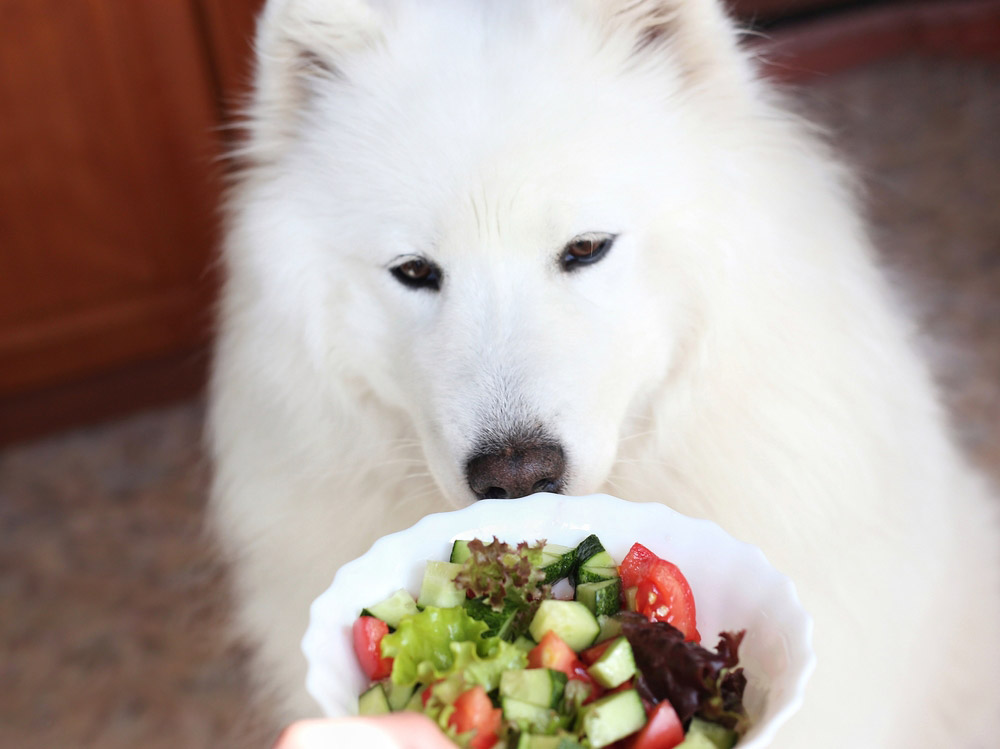
white samoyed dog looks at a plate of vegetable salad

Vitamin K is a necessary nutrient for all humans and animals. In addition to making this vitamin within our bodies, we can get the vitamin from the foods that we eat, and so can your dog! Here are five great food sources of vitamin K that you can share with your dog during mealtimes.

divider dog paws 2 oct 2024

The 5 Vitamin K Food Sources for Dogs

1. Broccoli

broccoli
Image Credit: PDPics, Pixabay

Serving Size ½ cup, chopped
Vitamin K Content per Serving 110 mcg
Calories per Serving 15

Broccoli is a great option for dogs that need more vitamin K in their diet. It can be fed to your dog completely raw, steamed, or boiled. However, raw and steamed broccoli maintains more nutrients than boiled broccoli. Broccoli also happens to be a powerhouse of antioxidants. Just to be sure to serve plain, without any additional seasonings.

Pros
  • The crunchy texture can help clean plaque from teeth
  • It can be easily added to meals or offered as snacks

Cons
  • Can be a choking hazard if not cut into small enough pieces
  • May cause gas


2. Kale

kale
Image Credit: ulleo, Pixabay
Serving Size 1 cup, chopped
Vitamin K Content per Serving 113 mcg
Calories per Serving 33.5

This leafy green is considered a superfood and for good reason. Not only is kale packed full of vitamin K, with 113 mcg present in every cup, but it also contains important nutrients, such as calcium and selenium. Surprisingly, most dogs do not seem to mind the taste or texture of kale, whether raw or cooked.

Pros
  • A little goes a long way
  • Holds up well in the fridge compared to many other greens

Cons
  • Can get stuck in a dog’s teeth


3. Beef Liver

Image Credit: Dmitry Melnikov, Shutterstock

Serving Size 100 grams
Vitamin K Content per Serving 11 mcg
Calories per Serving 142

Beef liver contains a decent amount of vitamin K and touts 21 grams of protein per serving. While dogs may be able to eat liver raw, we recommend that it gets cooked on the stove before being served to your dog, just to ensure that no harmful bacteria are left on it.

Pros
  • Dogs tend to love this treat
  • Requires no special cleaning or preparation

Cons
  • Can make your house stink
  • Not as high in vitamin K as other foods


4. Green Beans
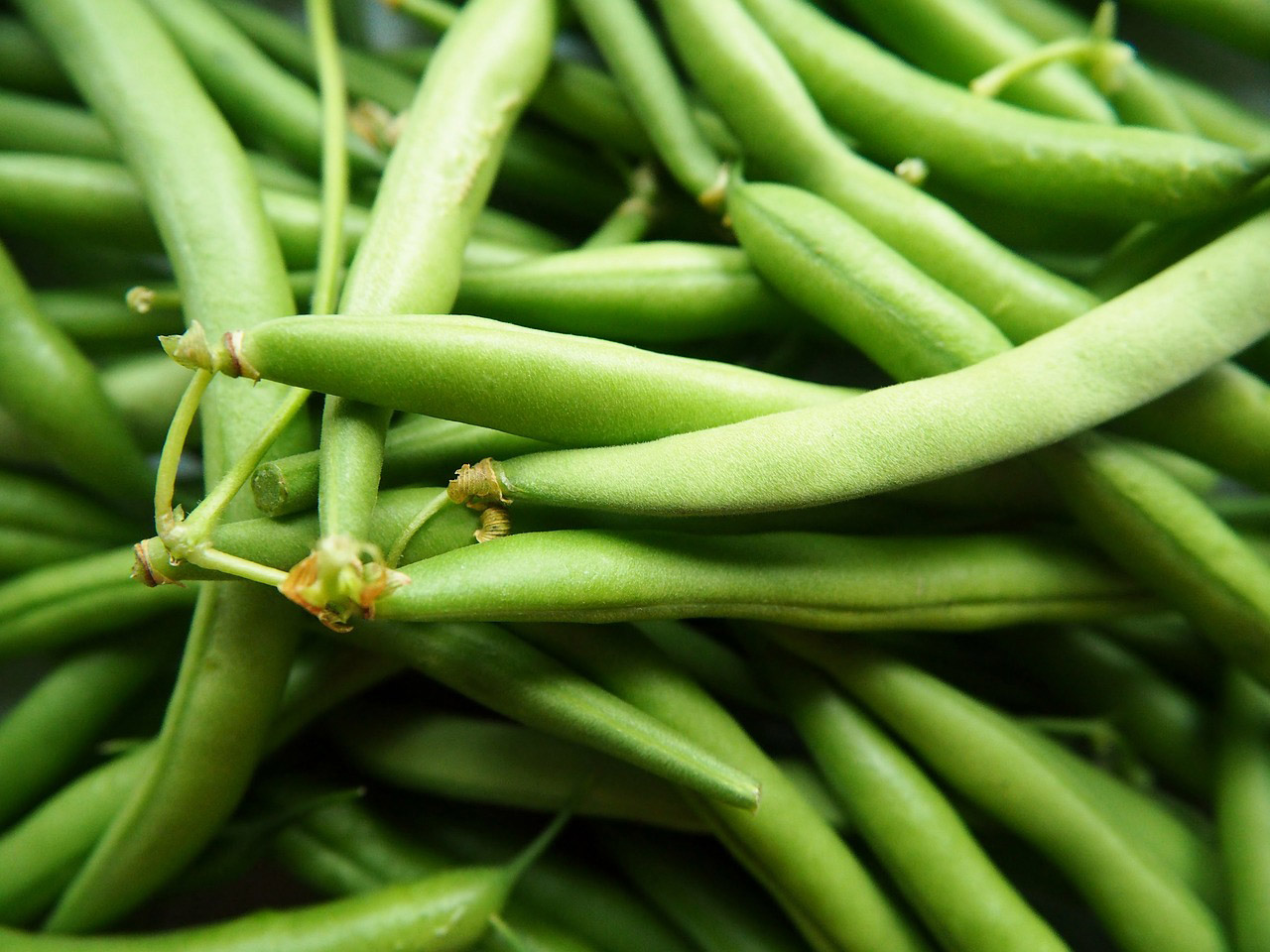
green beans
Image Credit: flockine, Pixabay

Serving Size 1 cup
Vitamin K Content per Serving 43 mcg
Calories per Serving 44

Some dogs like green beans, while others turn up their snouts at the veggie. If they are snack favorites, they offer plenty of vitamin K and manganese, among other nutrients. If you need to feed your dog green beans out of a can, look for an option that contains no added salt.

Pros
  • Full of vitamin K, which helps with bone growth
  • Low in calories

Cons
  • Canned variety might contain salt, so check the label
  • Some dogs might not like vegetable snacks


5. Brussels Sprouts

brussel sprouts
Image By: Irfanfani0300, Shutterstock

Serving Size ½ cup
Vitamin K Content per Serving 78 mcg
Calories per Serving 28

Although Brussels sprouts aren’t favorites for most kids, many dogs seem to enjoy snacking on them, which means they can get the nutritional benefits of vitamin K, folate, and choline. These green sprouts can be shaved and served raw or boiled and cut in half or smashed before serving.

Pros
  • Great for weight management

Cons
  • Can be tough on the digestive system when eaten raw

divider dog paws 2 oct 2024

Why Vitamin K Is Important for Dogs

Vitamin K is a fat-soluble vitamin, which means it dissolves and is stored in fat cells for later use when needed. One of the main reasons vitamin K is important for dogs is that it is a major component of blood clotting.

Vitamin K also regulates calcium deposition in bones and other tissues in the body, so it’s thought to help prevent osteoporosis in older dogs. The truth is that bacteria in the body create vitamin K naturally, so supplementation is not usually needed. The main reason that dogs may require high vitamin K foods is if they have consumed rat poison. The addition of vitamin K can help combat the effects of the anticoagulant in rat poison.  Dogs may also experience vitamin K deficiency for other reasons, which can cause excessive internal and external bleeding, poor bone development, and even the development of cardiovascular disease.

divider dog paws 2 oct 2024

Conclusion

Dogs, like all animals, require vitamin K for good health and a high quality of life. Fortunately, they tend to get all the vitamin K that they need through the commercial food that they eat and via bacteria living inside their bodies. However, if vitamin K supplementation is required, there are plenty of foods that offer up this important nutrient.


Featured Image Credit: Olga Anikina, Shutterstock

Want content like this delivered to you?

Sign Up For Our Newsletter

News, insights, expert advice, and everything dog

* By submitting, you agree to our Terms & Conditions and Privacy & Cookies Policy.

How useful was this post?

Click on a star to rate (you can leave written feedback after clicking submit)

Help us improve Dogster for pet parents!

Your feedback really matters.

What did you like about this post? Also how can we improve it?

Join the conversation

Leave a Reply

You’re very welcome to leave a comment or question. Please know that all comments must meet our community guidelines, and your email address will NOT be published. Let’s have a positive and constructive conversation.

Talk With A Vet Online

Peace of mind,
anywhere, anytime

Affordable vet advice

Things I’ve Been Wrong About (and I’m Not Too Proud To Admit It)

Hi, I’m Dr. Karyn! Read my introduction to learn more about me and my five funny dogs, Poppy, Bailey, Kodah, Ned, and Fred....

Can Dogs Eat Strawberry Yogurt? Vet-Reviewed Nutrition Advice & Facts

Strawberry yogurt is a delicious dairy-based snack with an irresistible taste. It can be tempting to let your dog have a lick, knowing...

5 Mexican Dog Breeds: Chihuahua, Xolo & More (With Info & Pictures)

When you think about Mexico, the first things that come to mind are usually the sandy beaches, strong tequila, and fresh avocados. But...

Border Collie Pregnancy: Vet-Verified Gestation Facts & Week-by-Week Calendar

You may be full of questions if you have a pregnant Border Collie! Experienced Border breeders likely have all the information they need...

More related

Why Do Dogs Roll on Dead Animals? 4 Possible Reasons

Dogs are one of the most popular and beloved animals in the world. They’re known for their loyalty, playfulness, and ability to provide...

Why Do Dogs Eyes Glow in the Dark? Anatomy Facts Explained (Vet Reviewed)

One of the early roles that dogs served for humans was a hunting companion. Many factors influenced this choice, including the animals’ vision...

Lorraina and the Chewy Box: An Unhealthy Relationship

Hi, I’m Allison! Read my introduction to learn more about me and my three mixed-breed dogs from Thailand, Jelly, Lorraina, and Manic. Do...

Male vs Female Basset Hounds: What’s the Difference? (With Pictures)

The pros and cons of male and female animals have been hotly debated since probably the beginning of pet ownership! There are all...

Keep reading

American Journey vs Taste of the Wild Dog Food: Our 2025 In-Depth Comparison

Choosing the right dog food is a hard decision for a pet owner. You want to provide your pup with the best food possible and hope that whatever brand you choose doesn’t do too much damage to your budget. But...

Dogster_Dog Food American Journey VS Taste of the Wild

Can Dogs Eat Corn? Vet-Reviewed Facts & Nutritional Benefits

Corn is a ubiquitous ingredient that shows up in all sorts of things, including dog food. This makes many people believe that corn is completely safe for dogs. So, can dogs eat corn? Corn is safe for dogs as long...

Can Dogs Eat Corn

10 Best Dog Foods for English Bulldogs in 2025 – Reviews & Top Picks

English Bulldogs are wonderful pets, but they do have some predispositions toward certain conditions that make choosing the right food for them very important. Whether your English Bulldog struggles with obesity, dental disease, or just struggles to pick up small...

English Bulldog Eating

Can Dogs Eat Mint? Vet Approved Facts & FAQ

What do you think of when you think of mint? Fresh breath, spruced-up salads, smoothies, and mojitos. But have you ever wondered if your dog can have mint? Smelly dog breath is a common complaint, so is it okay to...

can dogs eat mint

Can Dogs Eat Veggie Straws? Vet-Reviewed Facts & FAQ

Veggie Straws are popular snacks because they are tasty and seem healthier than some other chip options on the market. However, this does not mean dogs should be indulging in this occasional snack with us. A couple of Veggie Straws...

Can Dogs Eat Veggie Straws

Can Dogs Eat Enchiladas? Vet Approved Nutrition Facts & FAQ

Enchiladas are a popular and delicious Mexican dish that many people worldwide adore. Most people love this dish and your pets may also want to get a taste. The smell of meat and seasonings may cause your dog to beg...

Can Dogs Eat Enchiladas

Can Dogs Be Vegetarian? Vet-Verified Nutrition & Health Facts

Dogs are considered omnivores, or facultative carnivores, meaning they can digest and utilize both animal and plant-based foods in their diet. However, did you know dogs can be fed a vegetarian diet and thrive? Dogs do not need meat in...

The dog sits near a bowl of food and licks his tongue, dry food and fresh vegetables and fruits

4 Best Vet-Approved Dog Vitamins in 2025 – Reviews & Top Picks

Our canine pals are members of our families like anyone else, so of course, keeping them healthy and thriving is our top priority. Suppose your dog’s body is missing some vital vitamins and minerals. In that case, they may be...

Owner giving medicine in a pill to his dog