How to Stop Bad Behavior in Puppies? 11 Vet-Approved Training & Care Tips


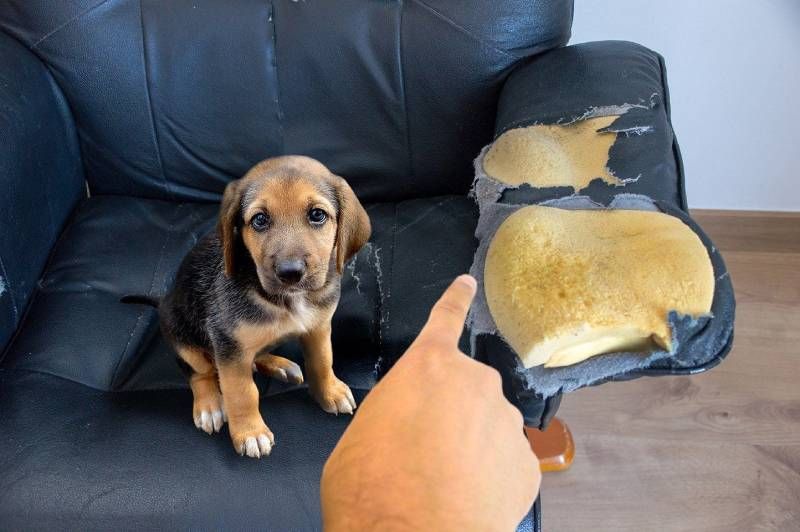
When you bring home a new puppy, they don’t come home knowing what they should and shouldn’t do. It’s up to you to teach them the basics, or else you’ll find them getting themselves into all sorts of trouble.
But when your pup is doing something that they shouldn’t, how should you get them to stop, and what should you absolutely avoid doing? It all depends on the specific behavior, but we’ve highlighted some great tips and tools you can use to get your pet’s behavior under control once and for all.

The 11 Tips to Stop Your Puppy’s Bad Behavior
1. Consistency Is Key
Whether you’re trying to correct a problem behavior or teaching them a new trick, consistency is crucial. If your dog can get away with something one day and not the next, or vice versa, they really won’t know what they can and can’t do.
Your dog needs consistent standards and rules, and they rely on you to set them and make them clear. Stay consistent from the beginning and training your dog will go much more smoothly and successfully.

2. Start Early
As soon as you bring your dog home, you need to start a training routine so that they begin learning your expectations. Don’t let them get away with things they shouldn’t just because they’re a puppy or because they’re new to the house. Otherwise, they’re simply learning that these are acceptable behaviors and it’ll be more challenging to get them to stop in the future.
If they’ve already started with these negative behaviors, you need to step in and start correcting them as soon as possible. The sooner you make your expectations clear and enforce them, the better.
3. Keep an Eye on Them Whenever Possible
When you’re not paying attention to your dog, it’s easy for them to get into trouble without meaning to. When they’re outside, you need to keep an eye on them, and for the times when you’re stepping out of the house for a bit, crate training is a good idea.
While we know you can’t keep your eyes on them every second of every day, the more you can be near them and pay attention to them, the more you’ll be able to correct their behavior and teach them how to behave, regardless of if your eyes are on them or not.

4. Socialize Them
When we say you need to socialize your pet, it’s essential to keep in mind that you should socialize them with other well-behaved dogs. You want them to pick up on the positive behaviors while getting well-adjusted to hanging out with other dogs. However, they should also understand that all dogs have different personalities, and there are right and wrong ways to respond to them. However, simply putting them around other dogs that are doing things they shouldn’t might have a less-than-desired effect. They need good influences that teach them how to respond to dogs exhibiting bad behavior.
5. Meet Their Exercise Needs
Often, dogs will start misbehaving simply because they’re bored or because they have pent-up energy. Meeting their daily exercise needs can help with both these things and is a big part of having a well-adjusted and well-behaved pooch. Each dog will have their own exercise needs depending on their size, breed, and age, but no matter what those needs are, it’s up to you to meet them! If you’re unsure about how much exercise and stimulation your dog needs per day, discuss it with a vet.
6. Use Positive Reinforcement
While it can be easy to jump straight to negative reinforcement when your dog is doing something they shouldn’t, it’s crucial to train them using positive reinforcement. You want your dog to enjoy hanging out with you, not fear you. Plus, responding negatively could also have a negative impact on your bond and might even make their behavior worse in the future. So, whenever they are acting in a way you prefer, don’t forget to give them lots of praise and an occasional tasty treat!
7. Redirect Them
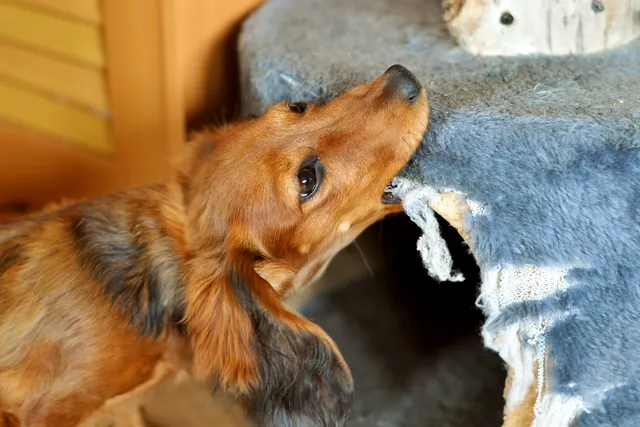
When your dog is doing something they shouldn’t, do your best to redirect them to a more appropriate behavior. You don’t want to encourage the poor behavior by giving them lots of extra attention, but quickly redirecting them to their toy or something similar can correct it. For example, if your dog is chewing on your shoes, you might respond with a stern “no” and then offer them a favorite chew toy instead. If they continue to chew on the toy instead of your shoes, praise them and maybe offer a healthy treat to encourage this behavior.

8. Keep Training Sessions Short
If you’re hoping to train your dog, it’s important to keep the training sessions to between 10 and 15 minutes. Your dog has a short attention span, and you want them to devote as much energy as possible to these sessions. Don’t overdo it and make everyone miserable, but simply set a short amount of time aside daily and be consistent.
9. Use Treats
Whether you’re encouraging positive behavior, like using the bathroom outside, or training them to understand basic commands, using treats is a really helpful tool. Dogs love praise but treats simply lock in their attention better and give them a little extra motivation. Of course, the best treats are non-toxic and low-calorie, like small pieces of chopped carrot or plain, cooked chicken. However, remember that treats should only make up 10% of your dog’s total calories, preferably less, as they should be getting all their nutritional needs met from a complete and balanced dog food already.
10. Teach Basic Commands
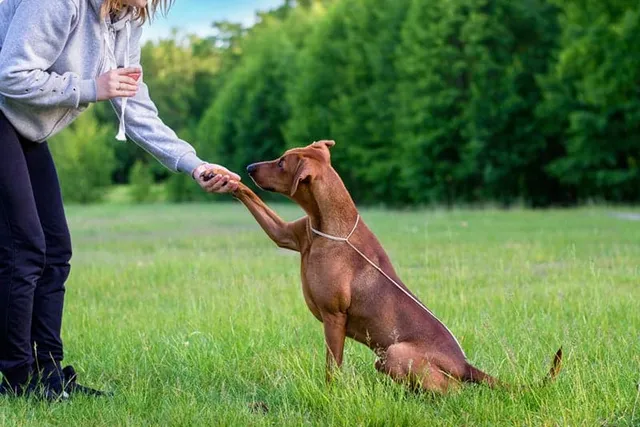
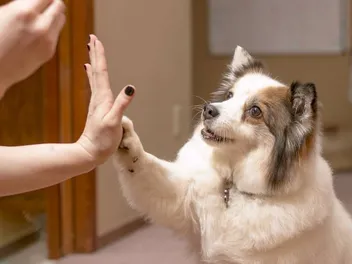
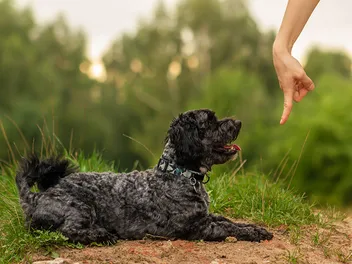
Teaching your dog basic commands is the most important part of training. Commands like “heel,” “stop,” and “leave it” can all be crucial training tools to help get them to stop negative behaviors. Plus, these are the building blocks for other commands, and the more you use these commands, the more well-behaved they’ll be when they’re really needed, like when you’re at the dog park and your dog looks like they’re about to put something in their mouth that they shouldn’t.
11. Limit Distractions
If you think of your dog as a toddler, you can quickly see why it’s so important to limit distractions. As soon as they see something else going on, you’ve lost their attention and you’ll need to start over from square one. When training them, find a quiet area with minimal distractions, like other dogs or loud noises.

Conclusion
Now that you know a little more about how you should and shouldn’t get your pup to stop some of their problem behaviors, all that’s left is for you to spend some time training them consistently and getting them on the right track! It might seem like a daunting task right now, but before long, you’ll have a well-behaved pooch and it’ll all be worth it.
See Also:
Sources
Featured Image Credit: cunaplus, Shutterstock
Expert dog care, straight to your inbox
News, insights, expert advice, and everything dog.

No spam — unsubscribe anytime.
By signing up, you agree to our Terms & Conditions and Privacy & Cookies Policy.
How useful was this post?
Click a star to rate. You can leave written feedback afterwards. (We read all feedback.)
Adam is a professional freelance writer and animal enthusiast who has rescued countless animals throughout the years. He's been a freelance writer for ten years and has been rescuing animals for even longer! Adam is also a proud father of three kids and is always up for a challenge and adventure!