Why Do Dogs Put Their Ears Back? Vet-Approved Guide to Ear Positions


In this article
Understanding our dog’s behaviors helps us know what they’re trying to communicate to us. This knowledge protects both our dogs and us by allowing us to react more appropriately to their actions. So why do dogs pin their ears back? Is there a reason, or is it just convenient? Usually, it is from fear, but there are also other reasons for this. Here’s what veterinarians have to say.

Expressive Ears: What Pinned Back Ears Might Mean

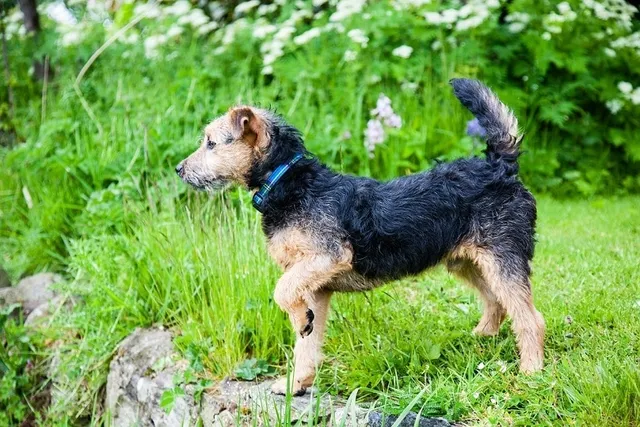
Dogs use their ears to express a wide variety of emotions. Keeping an eye on the position of your dog’s ears can give you critical insight into their psyche. While dogs do not speak, we can use their body language, including their ear positioning, to interpret their behavior and general state. So, as a dog owner, it’s your responsibility to know what your dog is expressing. In general, a dog’s ears being pinned back may be a sign of fear, but there are other factors to consider to interpret the behavior. Let’s start by analyzing the most typical ear positions.
For those who have dogs with floppy ears, keep the position of the ear base in mind. The base of the ear will determine the position for all dogs, but it’s easier to see what the positioning is when the ears are erect. Floppy-eared dogs do move their ears around, but the positioning is usually seen mainly in the base of the ear.
The 3 Types of Typical Ear Positioning
The typical positioning for a dog who is comfortable in its surroundings is relaxed and to the side. The base of the ear should be at ease and not tilted in any direction. Any kind of tension to the ear base is indicative of some mood.
1. Ears Back and Relaxed

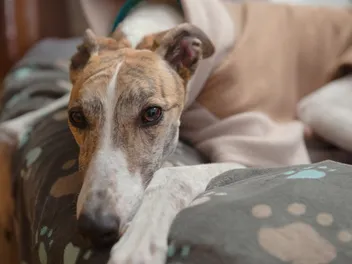
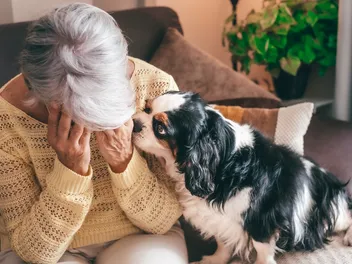
If the ears are pinned back but relaxed, this is generally a sign that the dog is happy. This ear position is usually seen when the dog is getting head pats or giving kisses. If the ears are relaxed, there’s no need to worry about your dog’s mood.
2. Ears Back and Tensed

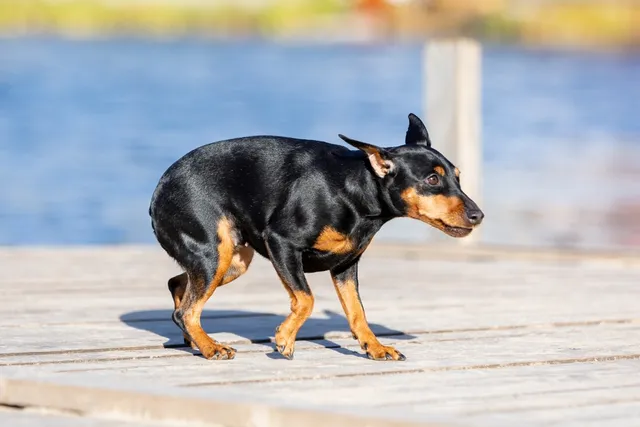
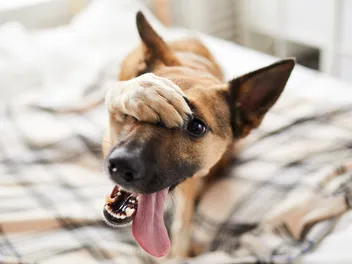
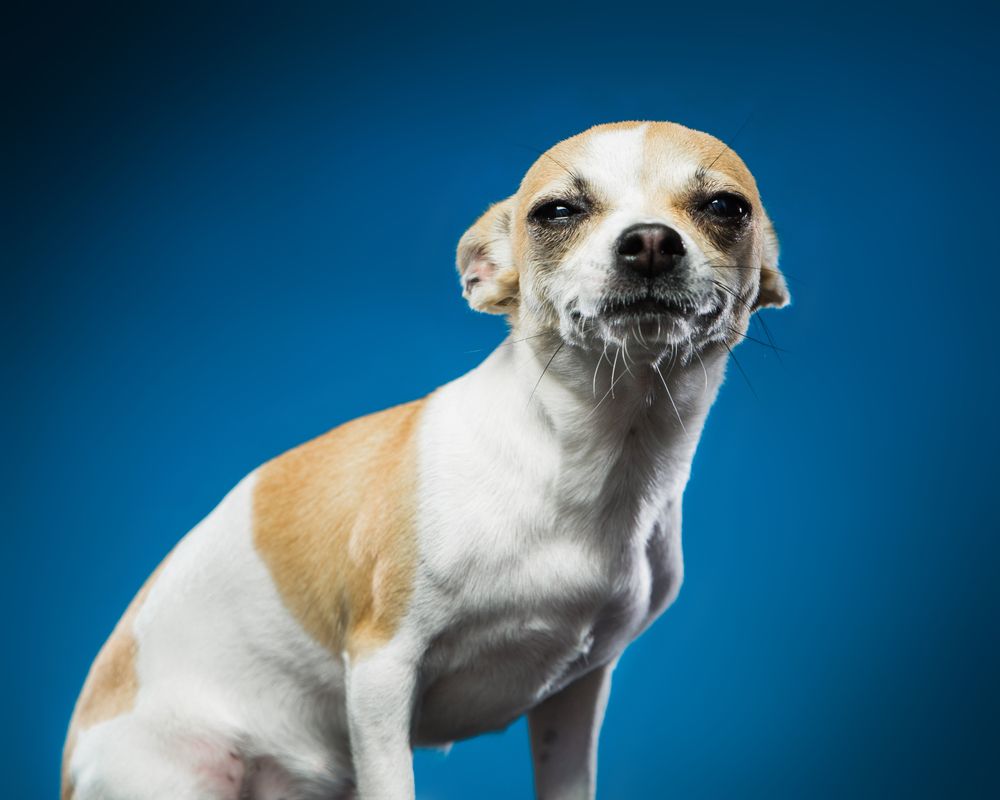
When dogs put their ears back or flatten them against their head, this could signify that the dog feels submissive, anxious, or afraid. The flattened position is a defensive position for dogs, and the tighter they hold their ears back against their head, the more fearful they are.
When your dog pins their ears back, it’s a good idea to start assessing what stimuli cause this reaction. A dog who is afraid or feels defensive might escalate to fear-based aggression. Investigate and, if possible, change the scenario before things go south. Are they nervous about new people? Do other dogs make them nervous?
If your dog is nervous about other people and animals, it’s probably a good idea to start walking them in more secluded areas where they won’t feel threatened or anxious. You can slowly introduce stimuli in safe spaces, but you want your dog to feel safe and comfortable during times like walks and playtime.
3. Ears Tensed and Forward

Dogs can tense their ears and put them forward for different reasons. If the dog was previously comfortable and is suddenly in this position, it means they’re feeling alert. Maybe they noticed a cat or squirrel and are preparing to chase it. However, if they move from pinning their ears back to a forward but tense position, this could mean that your dog is preparing to make space between themselves and whatever they feel is threatening them. Once the dog’s ears move to a tensed and forward position, this means that the dog is ready to react to some stimuli.
To avoid your dog reacting aggressively to protect themselves from a perceived threat, it’s essential to be proactive. Analyze the scenario and read your dog’s body language. If you spot the flattened ear position, immediately work to remove whatever your dog feels threatened by before they can react to it. Don’t let that position shift from flattened to alert.
The 2 Other Indicators of Dog Moods
1. The Tail

The tail is another excellent indicator of your dog’s mood. A relaxed swaying may indicate contentedness, while an excited and energetic wagging might mean that they’re excited. But, contrary to popular belief, a wagging tail isn’t always a sign of happiness. A wagging tail is just a sign that a dog is willing and ready to interact and not always in the same way.
A happy dog will have their tail moving in a vast, sweeping arc. The tail may move in loose circles and will be held at a comfortable and relaxed height. The tail may be held higher if the dog is curious about something, like a toy or a treat.
When your dog holds their tail high and erect, this means they’re alert and focused on something, ready to react. This something may be a squirrel to chase or a person they feel threatened by, so pay attention to the circumstances.
When your dog holds their tail low, it could mean they’re relaxed. Pay attention to their other body language, though. If their ears are also pinned back, it usually indicates that the dog is afraid. If they’re terrified, they may tuck their tail in between their legs up against their stomach.
2. The Face

Dogs also have facial expressions, and you can use this to determine their mood. When humans domesticated dogs, this included—though perhaps accidentally—a change in the facial structure from the wolves in their ancestry. Dog facial muscles are more developed and complex than wolves and owe their record of over 100 different facial expressions to these muscles, at least in part.1
One of the most well-known dog facial expressions is “whale eye,” when the dog glances at you without moving their head, revealing the whites of their eyes. This facial expression is associated with stress and anxiety. It’s commonly taught to be cautious of dogs giving the whale eye because they may snap or bite.
When a dog is anxious, their eyes may dart around while they give you whale eye, keeping an eye out for any other threatening stimuli. Their pupils may be dilated and dark as they stare at you. They may tighten the muscles in their mouth, and their whiskers may become more visible as they purse their lips into a snarl. They may show their teeth as well.
However, showing the teeth is not necessarily a negative sign. Dogs may appear to smile when greeting. This facial expression is usually a “submissive grin” and indicates that the dog feels comfortable in your presence.
It’s essential to take the context of your dog’s behaviors and facial expressions into account as with any other body language. For instance, heavy panting after exercising is normal, but if your dog is panting outside of exercise times, this may be a sign of stress.
Conclusion
Understanding your dog’s body language can seem like a challenging task, but the results are invaluable to any dog owner. Knowing what your dog is trying to tell you is essential for the safety of your dog and the people around your dog. Keeping a close eye on your dog for signs of fear or aggression can be a lifesaver for your dog and help keep them happy and calm in new situations.
Featured Image Credit: Tom Harper Photography, Shutterstock
Expert dog care, straight to your inbox
News, insights, expert advice, and everything dog.

No spam — unsubscribe anytime.
By signing up, you agree to our Terms & Conditions and Privacy & Cookies Policy.
How useful was this post?
Click a star to rate. You can leave written feedback afterwards. (We read all feedback.)
I’m a freelance writer with a passion for animal science and technology. I love to share the world of animal science with people to help them make informed decisions for themselves and their pets. I’ve worked in professional pet care for over six years and realised I could help change the world of pet care by bringing the information people needed to them in terms they could understand. Knowledge is power and I love to help everyone become the most informed they can be.