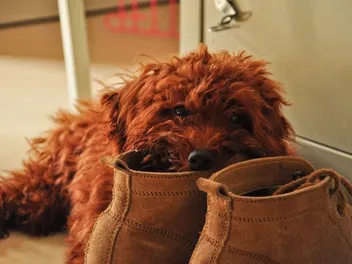
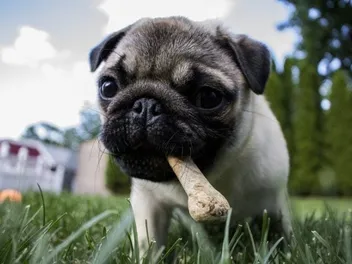
Why Your Dog Is Chewing Everything & How to Stop It (Vet-Reviewed)


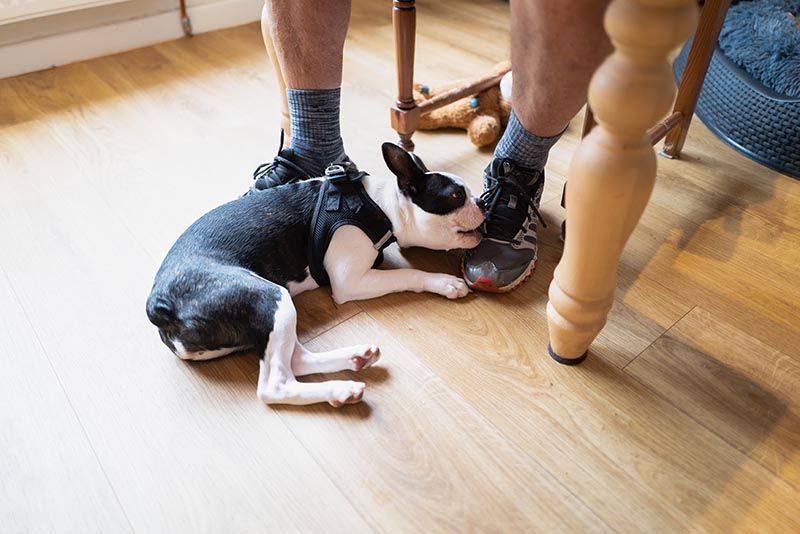
One of the most frustrating things for any dog owner is when your dog won’t stop chewing on everything. It’s not uncommon for a dog to chew toys, but it is undesirable if they chew furniture, clothing, or even walls! If you don’t get it under control, your dog can cause considerable damage or swallow something causing serious health issues. However, it can be difficult to stop your dog from chewing if you are a new owner, especially if you don’t understand what brought on this behavior.
Keep reading while we look at a list of reasons your dog might be chewing and what you can do to get it to stop.

The 6 Possible Reasons Why Dogs Chew Everything
1. They Are Bored

The primary reason most dogs misbehave and chew things is that they are bored. They are not getting enough stimulation, either mentally or physically, and are letting you know about it in a way you can’t ignore. You can try to curb this behavior by setting aside more time each day for exercise. Games of fetch and frisbee can be great ways to burn off excess energy and prevent your dog from chewing things in your home. If your dog is a water dog, swimming can be great exercise, as are long hikes in the woods, agility, and scent work.
If your dog needs mental stimulation, you can try to teach it a new trick. In many cases, your dog will enjoy pleasing you and will like learning new tricks, which might help stop them from chewing on things they shouldn’t.
2. They Are Anxious

Many dogs do not like to be left alone very long. Some can become anxious or stressed if their owner is away longer than usual. Once fear sets in, your dog might begin chewing things as a way to cope. You might try calling a friend or family member to check in on your dog if you get stuck at work. A friend stopping over can distract the dog from noticing you are late, and could buy you some time.
3. They Are Frightened

Dogs have highly sensitive senses, especially hearing and smell. If your dog detects something unusual in your yard or neighborhood, it may become curious, excited, frightened or anxious, and some dogs may respond by chewing as a way to cope. Road construction, sanitation workers, mail carriers, screaming children, and arguing families can all cause your dog to experience a degree of fear or uncertainty, which might make it chew, bark and show other stress and fear related behaviors. The best way to get your dog to stop chewing if it’s experiencing stress or fear is to identify the source of the problem and try to reduce or remove it if you can. If some noise is bothering your dog, you can turn the television on to a music station and attempt to drown out the noise, giving your pet some relief.
If you have any concerns about your dog or their health, we recommend you contact your vet directly.
4. They Are Hungry

Some dogs can become destructive when they are hungry and often tear up the home looking for food. Toys that recently held treats will be the first to go, but your dog will get less picky as time passes. Make sure your dog is appropriately and regularly fed and that you don’t keep any food or potentially edible items within reach of your dog’s keen nose.
5. They Are Seeking Attention

Many dogs will misbehave to get attention if they feel neglected. Instead of scolding, it is often more effective to calmly ignore unwanted behavior, as dogs may repeat actions that gain them attention. Habitual behaviors like chewing can become persistent if reinforced, even unknowingly. If you feel your dog is becoming spoiled, attending a puppy or obedience school can be very helpful. These schools can be expensive, but the instructors not only train your dog but also teach you effective training techniques, which you can then apply to other dogs.
6. They Don't Know Better
Unfortunately, we are all a little guilty of letting our new puppy get away with things it shouldn’t. In many cases, a dog’s chewing behavior is traceable to a time when it was a puppy and was allowed to chew things it’s not allowed to chew now. The best way to curb this behavior is to be vigilant about not allowing your dog to do it as a pup. If your dog is already in the habit, you might need to seek professional training assistance.

Tips
Conclusion
Most dogs chew because they are bored, frustrated, anxious or because they were allowed to do it as a puppy. If your dog is bored, you will need to set aside a few more minutes a day to be more active with your pet. Providing more activity and engagement may reduce destructive chewing, though some dogs may need additional training or guidance. If you allowed your puppy to chew things but are now starting to realize you shouldn’t have done it, you
We hope you have enjoyed reading and found the answers you needed. If we have helped you get your dog to behave, please share this guide to why your dog is chewing and what to do on your social media.
Featured image credit: Christine Bird, Shutterstock
Expert dog care, straight to your inbox
Vet-reviewed advice, training tips, and the best of Dogster. Free, and you can unsubscribe anytime.
By signing up, you agree to our Terms & Conditions and Privacy & Cookies Policy.
Nicole has loved animals of all sizes her whole life so it's no wonder she has dedicated her career to helping them through what she loves best: learning, writing, and sharing knowledge with others. She’s the proud mom of two dogs, a cat, and a human. With a degree in Education and 15+ years of writing experience, Nicole wants to help pet parents and pets around the planet to live happy, safe, and healthy lives.
Join the conversation
Ask a question, share your story, or send private feedback.