Why Does My Dog Bark at His Bone? 4 Vet-Reviewed Reasons



Dogs do many odd things that come off as quite comedic to us humans. One such behavior is the habit that some dogs have of barking at bones or other toys. This behavior is especially funny to see happen with a toy your dog plays with regularly. Why would dogs do this, though?
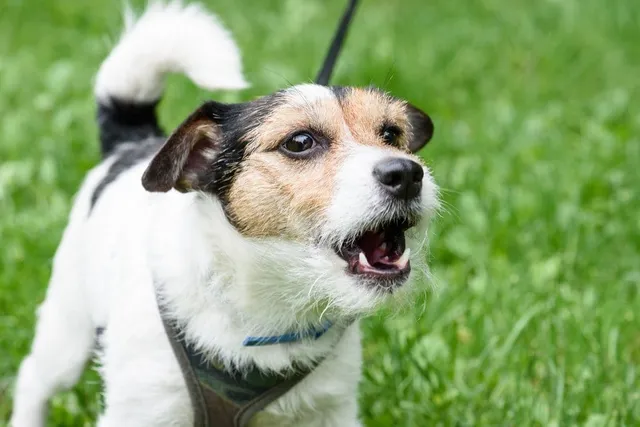
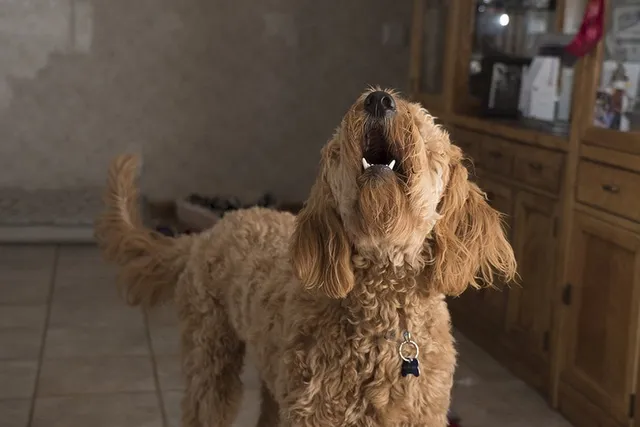
Dogs use barking as a way to express excitement, frustration, or arousal. When a toy is especially stimulating because it’s high-value, makes noise, moves unpredictably, or stimulates their prey instincts, a dog may bark simply because their emotions are running high.

The 4 Possible Reasons Your Dog Barks at Their Bone
1. Playfulness
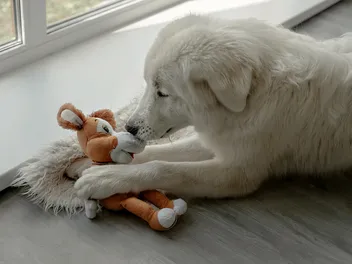
Dogs love a good game, although the game rules may not always be clear to their humans. Some dogs may exhibit this unusual behavior as part of the game they are playing with their bone. Dogs become highly stimulated by exciting objects, and some begin to express this high level of stimulation through barking.
When a dog interacts with a bone, it can trigger a playful response, and barking may simply be a way to deal with it. Some dogs bark while getting ready to play, or while chewing and tossing the bone around, as a way to release pent up energy and show their enthusiasm for the activity.

2. Curiosity
Dogs are intelligent, social, and curious by nature. Barking at objects may be a way of your dog expressing their curiosity toward an object, and it is most likely to occur for this reason with a new item your dog is not familiar with. If barking for the sake of curiosity, your dog may be barking to see how the object will respond. Will it fight or run? (Spoiler alert: it probably won’t do either).
Barking may help them deal with an unfamiliar situation, see how others respond, and release the energy that comes with encountering something new.
3. Fear
Like curiosity, fear is a major motivator for your dog to assess a situation quickly. If your dog is fearful of their bone, they may bark at it to express their discomfort, stress, or verbalize their displeasure. Your dog could show fear toward a toy, even one they are familiar with, for various reasons.
This commonly occurs if the object moves suddenly and unexpectedly, like if it falls from a surface or is accidentally kicked. Fear can also occur when your dog has had a negative experience with the object. This can be related to pain, like your dog might experience if they chew on a bone while they have a toothache, or to other negative experiences, like if your dog was punished for chewing on something similar.

4.Resource Guarding
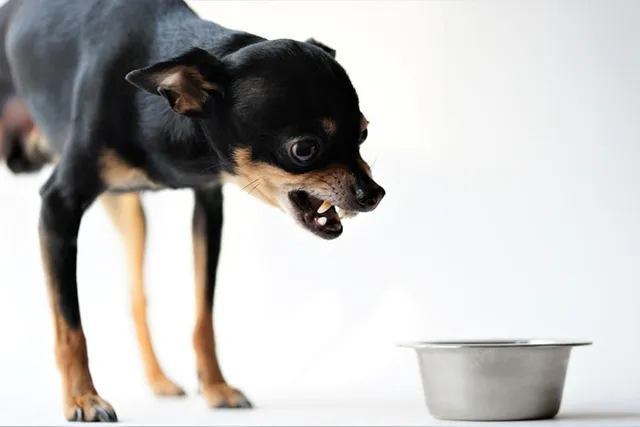
In some cases, dogs may bark at their bone due to resource guarding. This occurs when a dog feels protective of a high-value item, like a bone or treat, and wants to maintain control over it. Barking in these situations is a natural way for the dog to communicate that they’re uncomfortable with others approaching or handling the item.
Resource guarding often appears during mealtime or when a favorite toy is nearby. If your dog shows persistent guarding behaviors or other concerning reactions, it’s a good idea to consult a veterinarian, veterinary behaviorist, or a certified trainer experienced in working with resource-guarding dogs. They can provide guidance through positive reinforcement and redirection to help your dog feel safe while reducing stressful or aggressive behaviors.

The Other Factors to Consider
Dogs often use barking as a way to communicate with humans or other animals. When a dog barks at a bone, they may be expressing excitement or trying to get your attention. Some dogs bark at objects to express their emotions or to draw your attention to the object.
This type of behavior is commonly seen in dogs that bark at things like squirrels and birds. They may be barking due to fear, frustration of not being able to reach the object of their interest or due to playfulness. Barking is a way for dogs to interact with their environment and communicate their feelings. If your dog has taken to barking at their bone, see if there seems to be a form of interaction they are looking for on your part.

Conclusion
There are not a lot of reasons that your dog may be barking at their bone or other toys. The good thing is that this makes it relatively easy to narrow down the cause. However, it can be difficult to ascertain how your dog feels about a situation. Keep an eye out for situational and specific body language cues to help determine if your dog is enjoying the interaction.
If your dog seems fearful or aggressive toward their bone, it's a good idea to begin looking for the cause of why your dog is uncomfortable with something that should be a fun toy.
Related Read: Why Does My Dog Bark at His Food? (10 Likely Reasons)
Sources
Featured Image Credit: Janosch Diggelmann, Unsplash
Expert dog care, straight to your inbox
News, insights, expert advice, and everything dog.

No spam — unsubscribe anytime.
By signing up, you agree to our Terms & Conditions and Privacy & Cookies Policy.
How useful was this post?
Click a star to rate. You can leave written feedback afterwards. (We read all feedback.)
Nicole has loved animals of all sizes her whole life so it's no wonder she has dedicated her career to helping them through what she loves best: learning, writing, and sharing knowledge with others. She’s the proud mom of two dogs, a cat, and a human. With a degree in Education and 15+ years of writing experience, Nicole wants to help pet parents and pets around the planet to live happy, safe, and healthy lives.