Trifexis for Dogs: Our Vet Explains the Uses & Efficacy


In this article
There are many different preventative options on the market that may be appropriate for preventing fleas, heartworms, and other parasites in your dog. Based on your dog’s age and lifestyle, there may be more than one option that would be recommended for them. One option is a product called Trifexis. It’s made by the Elanco Company and was one of the first three-in-one oral products on the market. In this article we’ll discuss Trifexis, and why it may or may not be a good preventative option for your dog.

What Is Trifexis?
Trifexis is a prescription preventative that has been approved for dogs. It is not available over the counter (OTC). Trifexis’ two active ingredients are Spinosad and Milbemycin Oxime. Spinosad is an insecticide that is made from natural components of a soil bacterium. This ingredient in Trifexis is what helps to kill and prevent flea infestation on your dog. Milbemycin Oxime is an anthelmintic that has efficacy against the development of heartworms, hookworms, roundworms, and whipworms.
Trifexis is labeled for the treatment and prevention of fleas, prevention of heartworm disease, and the treatment and prevention of hookworms, roundworms and whipworms. It’s important to know that Trifexis does not provide any coverage to help prevent or kill ticks.

How Is Trifexis Given?
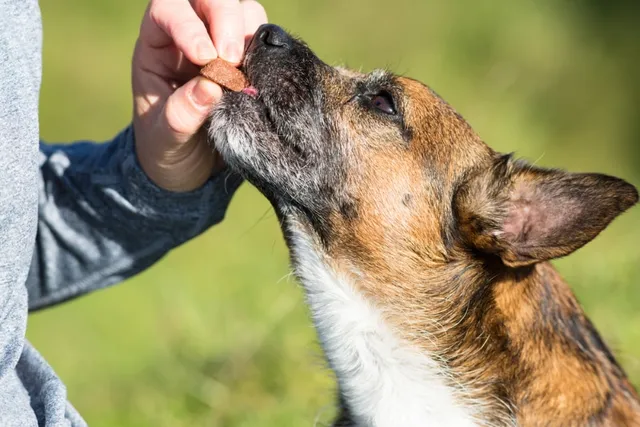
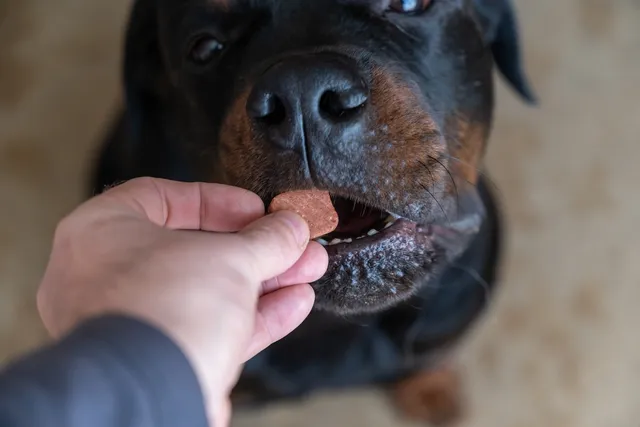
Trifexis is a chewable, beef-flavored tablet that has to be given by mouth. The product is to be given based on your dog’s current weight. There are different sizes of the mediation based on an animal’s weight, with each tablet containing different amounts of the above ingredients based on body weight. It’s important that you have a recent, accurate weight on your dog, and you give the appropriately sized tablet. Dosing your dog either too high or too low may cause the medication either to not be effective or have potentially negative side effects.
The tablet is given once every 30 days for both treatment and prevention. One of the most common side effects we can see with Trifexis is vomiting and/or an upset stomach. Therefore, it’s always recommended to give this medication with food. Even though the tablet is reportedly flavored, many dogs do not like the taste of Trifexis. Many owners have reported that they often need to hide Trifexis in copious amounts of cheese, peanut butter, or even just pill their dog due to the taste.
What Happens if You Miss a Dose?
Trifexis is effective for 30 days. If you miss a month or two, there is the possibility that your dog may become infected or infested with fleas, intestinal parasites, and/or heartworms.
Unfortunately, some of these infections may not become apparent for months. For instance, heartworm disease can sometimes take 6+ months to show up on a test. In other words, a dog that received heartworm disease from an infected mosquito over the summer may not test positive until the winter or after.
This is why it’s so important to continue giving this and any preventative on time, every month. Missing a month or two can cause not only infection or infestation but may also be difficult to diagnose due to an interrupted timeline of application.

Potential Side Effects of Trifexis
The most common adverse side effect that we can see with Trifexis is vomiting. A lot of dogs also hate the taste, even though it’s beef flavored. A picky eater may not take the pill no matter how you try to hide it. Other dogs may exhibit signs of an allergic reaction such as itching, redness to the skin and ears, and lethargy. In addition to vomiting, other dogs may develop diarrhea.
In rare cases, some dogs will develop tremors, drooling, difficulty walking, disorientation, and seizure activity. These reported cases are rare but in the event they occur, your dog should be seen by a veterinarian immediately.
Frequently Asked Questions (FAQ)
Is Trifexis Safe to Give in a Heartworm-Positive Dog?
No. Trifexis is not a recommended and/or approved product to give if your dog has already been diagnosed with heartworm disease. Trifexis helps to prevent heartworm disease, but it does not kill adult heartworms. Please contact your veterinarian to discuss other options if your dog has been recently diagnosed with heartworm disease.
What If My Dog Is Exposed to Ticks?
Trifexis is not labeled for protection against ticks. Therefore, if your dog is outside for long periods of time, goes hiking, camping, or you just have a lot of growth in your yard, then you should speak to your veterinarian about a better product to give for tick protection.
Can I Give a Small Trifexis to My Cat?
No. This product is not approved and/or safe for cats. Please remember that cats are not small dogs and should not be given this medication.

Conclusion
Trifexis was one of the first three-in-one preventatives on the market, helping to prevent fleas, heartworms, and intestinal parasites. Unfortunately, the product is not approved for ticks and would not be recommended for your dog if you live in an area endemic to ticks. The product is considered safe in dogs who are confirmed to be heartworm negative and should be given based on the appropriate recommended weight range. Many dogs do not like the taste of the product and can develop vomiting and diarrhea. Trifexis should be given once every 30 days in order to provide the best efficacy. Trifexis has to be prescribed by your veterinarian and cannot be purchased OTC.
Sources
Featured Image Credit: Creative Cat Studio, Shutterstock
Expert dog care, straight to your inbox
News, insights, expert advice, and everything dog.

No spam — unsubscribe anytime.
By signing up, you agree to our Terms & Conditions and Privacy & Cookies Policy.
How useful was this post?
Click a star to rate. You can leave written feedback afterwards. (We read all feedback.)
Dr. Kim Podlecki DVM (Veterinarian)
A graduate of The Ohio State University College of Veterinary Medicine, Dr. Podlecki has more than 12 years of experience working with small animals in the US. Dr. Podlecki worked almost exclusively in specialty medicine and emergency for more than a decade before transitioning to relief in both general practice and ER. Dr. Podlecki also owns her own consulting company (renewvetconsulting.com) with the focus of helping veterinary hospitals prioritize their staff to promote a healthier internal culture.