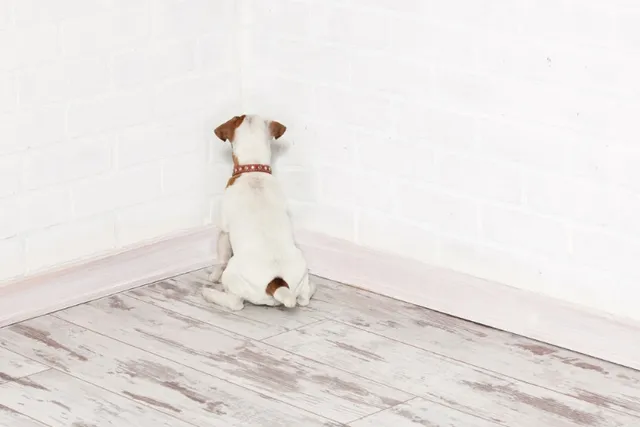
Dog Trancing: What Is It & Why Does It Happen? Vet-Approved Facts


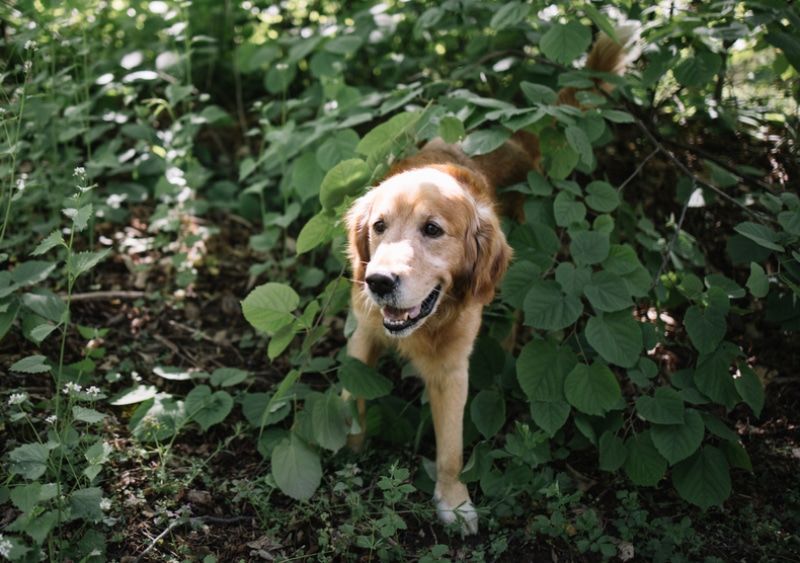
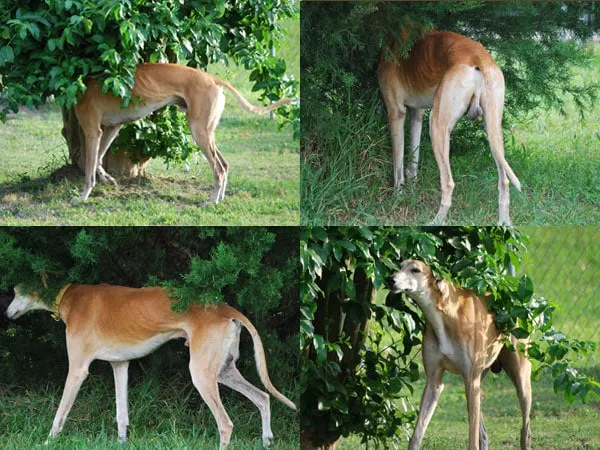
Many people have heard the term “being in a trance,” but only a few know that it can (somewhat) apply to dogs. Dog trancing, also known as trance-like syndrome, ghost-walking, or weed-walking, is a behavior exhibited in some dogs where they appear to enter a trance-like or frozen-like state, usually walking very slowly and often while passing through narrow spaces or under hanging or low objects, such as plants, curtains, or a table.
Many pet parents know that their dog may have an odd personal trait or quirk here and there, but witnessing your dog may cause concern as to why they are walking so slowly and warily. Is there something wrong with them? It can be a little strange, if not fascinating, to observe, especially if you have not seen this type of behavior before, but now that you have, you more than likely want to know more about this phenomenon and what, if anything, you need to do about it.

What Is Dog Trancing?
Dog trancing is an unusual yet usually harmless state of being and generally involves a typical scenario when a dog begins to start walking extremely slowly and gingerly, like they are stalking something or staring at a target. During these episodes dogs remain aware of their surroundings.
As mentioned before, this tends to occur when they are under low objects such as foliage or curtains. Out of the blue, your dog will appear relaxed and begin to move, most likely in a delicate and careful manner. They can look as though they are completely oblivious to their surroundings (but they are not) as they take on an almost ‘zoned out’ or ‘in a trance’ look. They may repeatedly go back and forth under the object, and each trance episode can last between a few seconds to 30 minutes. Once the episode has finished, the dog returns to their normal selves with no harm done.
It can make you feel a bit unnerved or concerned if you have no t seen this quirky trait before, or you may not have been aware of dog trancing until now.

Why Does Dog Trancing Happen?
While dog trancing has been researched, it is still not yet fully understood, and the reasons why it does happen are vague. It is, though, described as a type of behavior most frequently encountered when your dog is physically under low-hanging objects, but occasionally, they can begin the onset of their dog trance in the middle of a room, for example.
It is touted that Bull Terriers are prone to dog trancing, which we will discuss further in the frequently asked questions, with some suggesting Greyhounds and Basset Hounds are also more predisposed to this phenomenon.1 Dog trancing can occur in any breed (both pedigrees and mixed dogs).
It has been noted that dog trancing is also a learned behavior as well as a mysterious one. In multi-dog households, for example, where one dog is already a trancer, another dog or a new dog that is introduced can learn this behavior from them or the original perpetrator. The second dog observing them will exhibit the same trance behavior due to learning it from their fellow canine friend.
Is Trancing a Type of Seizure?
No. While it is true that a dog before a seizure (or fit) will often stare into space and be trance-like, seizures and dog trancing are two different and independent things, and it is important to distinguish between them.
Two main tips to help know the difference. First, a dog will acknowledge you a little during trancing if you call their name or try to get their attention. This may be as small as a twitch of their ears or a second glance, but it is still an acknowledgment of your stimulus. Secondly, when the trance episode is over, your dog will return to their normal self and state with no issues, and it happens relatively instantly.
In a seizure, neither of these events occurs. A dog having a “petit mal seizure” ( a mild focal or partial seizure that only affects part of the brain) or those about to go into a generalized “grand mal seizure” (where they may stand and stare and then fall into uncontrollable shaking) cannot be snapped out of it, and they will not respond to you in any way. As they come out of the seizure, it can take hours for them to return to their normal selves and way of being. Very often, they can also lose control and empty their bladder or bowels during a seizure episode.
When you notice your dog having a trancing episode for the first time, it is important to get them checked over by a veterinarian. This is mainly to rule out seizures, especially the petit mal type, as dog trancing can appear to look very similar to some partial seizures. Seizures can also be a sign of other underlying medical conditions. If they are given the clear, you can enjoy this trait your dog has with a peaceful mind that all is well.

Frequently Asked Questions (FAQ)
Should I see a vet about my dog trancing?
In general, it doesn’t require your dog to see a veterinarian. However, it might be advisable to seek out their advice if your dog is displaying trancing plus any of the signs below.
- Sudden or new changes in their behavior
- Trancing suddenly starts in later life
- Discomfort or pain
- Other signs of seizures
- Frequent or increasing trancing
- Sudden or new changes in their well-being and physical wellness
Are certain breeds more prone to trancing?
Some research states that Bull Terriers are more prone or predisposed to dog trancing or trance-like syndrome. Owners and breeders of these dogs may have experienced this and agree with this widespread thought. Although it appears to be more common in Bull Terriers and some other breeds, mainly the Greyhound and Basset Hound, it is not unique to Bull Terriers or any breed. Nor are Bull Terriers destined to become dog trancers, either. The truth is dog trancing can occur in any breed, whether they are a pedigree or mixed breed.
How can I manage dog trancing?
As long as no other signs, as stated above, have (or are) been observed by you or exhibited by your dog, then you do need to do very little with your trancing pooch. You do not need to shake them out of it, break the trance or state, call their name, or be overly concerned. They will return to themselves usually within a few minutes. Let them enjoy their trance and leave them be! Of course, we always need to ensure their safety, so this may be the only situation where you need to intervene or move your dog out of the way of harm quickly.

Conclusion
It is important to conclude this article with the following note. Not all dogs exhibit trancing behavior, and even amongst those that do, the frequency and intensity of the trancing behavior can vary. While trancing itself is generally considered harmless, it’s vital for pet parents to be aware of their dog’s behavior and ensure that it doesn’t lead to any discomfort or stress.
If your dog seems distressed by this act or exhibits further unusual behavior or physical signs of illness, then seek out a consultation with a veterinarian for advice.
Sources
Featured Image Credit: Synergic Works OU, Shutterstock
Expert dog care, straight to your inbox
Vet-reviewed advice, training tips, and the best of Dogster. Free, and you can unsubscribe anytime.
By signing up, you agree to our Terms & Conditions and Privacy & Cookies Policy.
Annaliese qualified as a veterinary nurse from Edinburgh in Scotland and went on to obtain a diploma in advanced veterinary nursing in surgery from London. Throughout this time, she worked in both small and mixed veterinary practices and gained head nurse status. Responsible for training other veterinary nurses she also ran the nursing department, nurse clinics and patient care protocols. She has looked after thousands of patients and owners and created new higher standard nursing regimes, whilst specializing in surgery and anesthesia. After being asked to co-author numerous veterinary nursing textbooks, Annaliese continued to write for further mainstream publications in the UK and USA and after twenty-plus years in both the veterinary and pet care professions , she hung up her scrub suit and now writes full-time.
Join the conversation
Ask a question, share your story, or send private feedback.