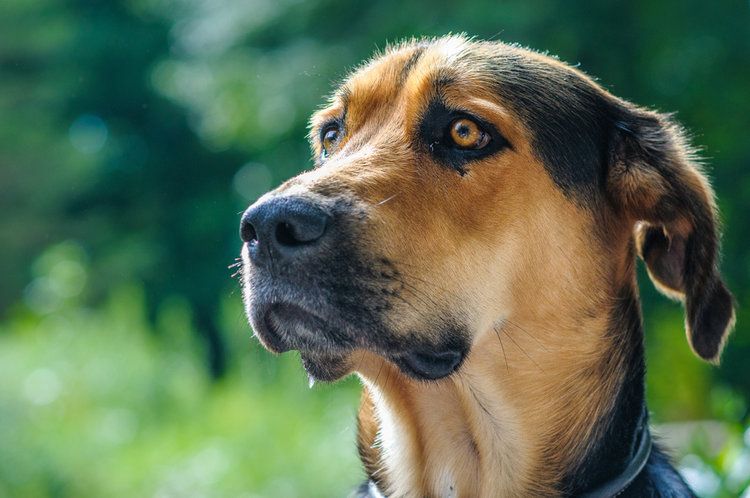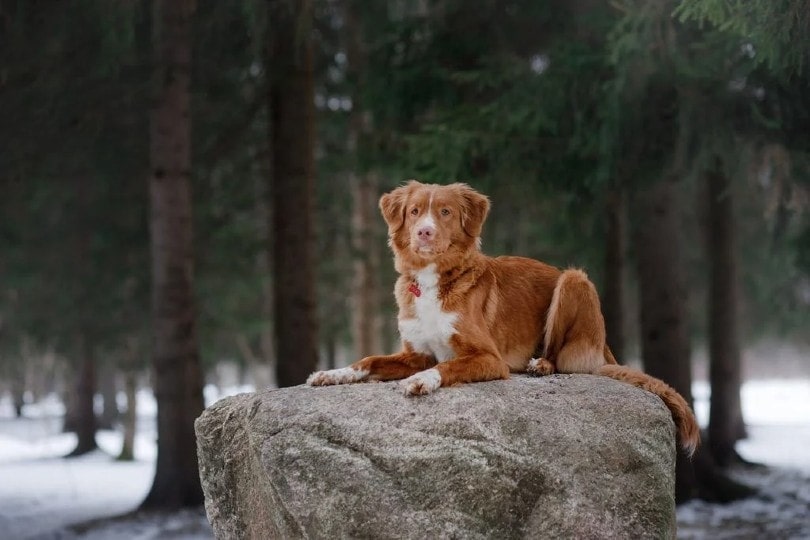
While many dog breeds are ideal for hunting in general—or are specifically bred for the purpose—there are a few special breeds that are perfectly suited for duck hunting in particular. These duck hunting dogs will give you the perfect mix of obedience, trainability, intelligence, and energy that you need to successfully retrieve your fowl. They should love water, as they will be in it frequently and have water-resistant coats.
If you are looking for a new duck dog, we put together this list of the top 10 breeds ideally suited for duck hunting to help you get started.

The Top 10 Duck Hunting Dog Breeds
1. Labrador Retriever
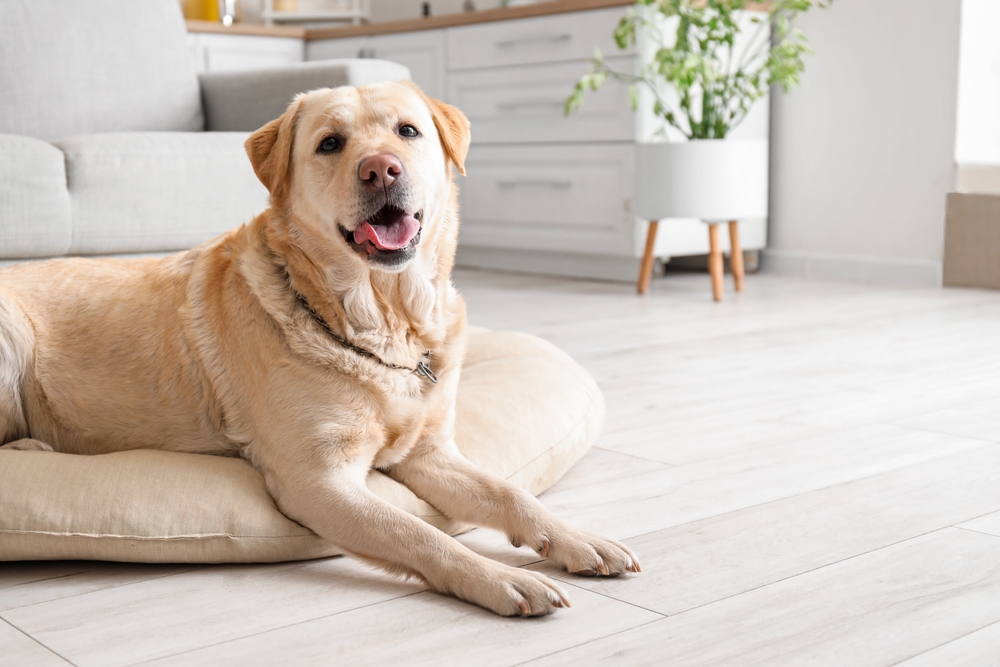
| Height: | 21.5 – 24.5 inches |
| Weight: | 55 – 80 pounds |
| Lifespan: | 11 – 13 years |
| Colors: | Yellow, chocolate, black |
| Suitable for: | Active families or singles, house with a yard |
| Temperament: | Energetic, lovable, friendly, playful, outgoing, smart |
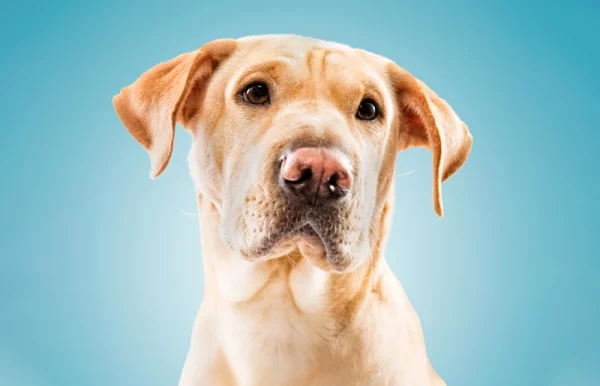
The Labrador Retriever is considered one of the best duck hunting dogs and for good reason. With their webbed paws, dense coat, and rudder-like tail, they were made for the water. Labradors are also highly intelligent and easy to train and will respond to commands reliably and consistently. They are also one of the world’s favorite family pets due to their calm demeanor and agreeable nature, so they are perfect for both hunting and having around the home.
2. Golden Retriever
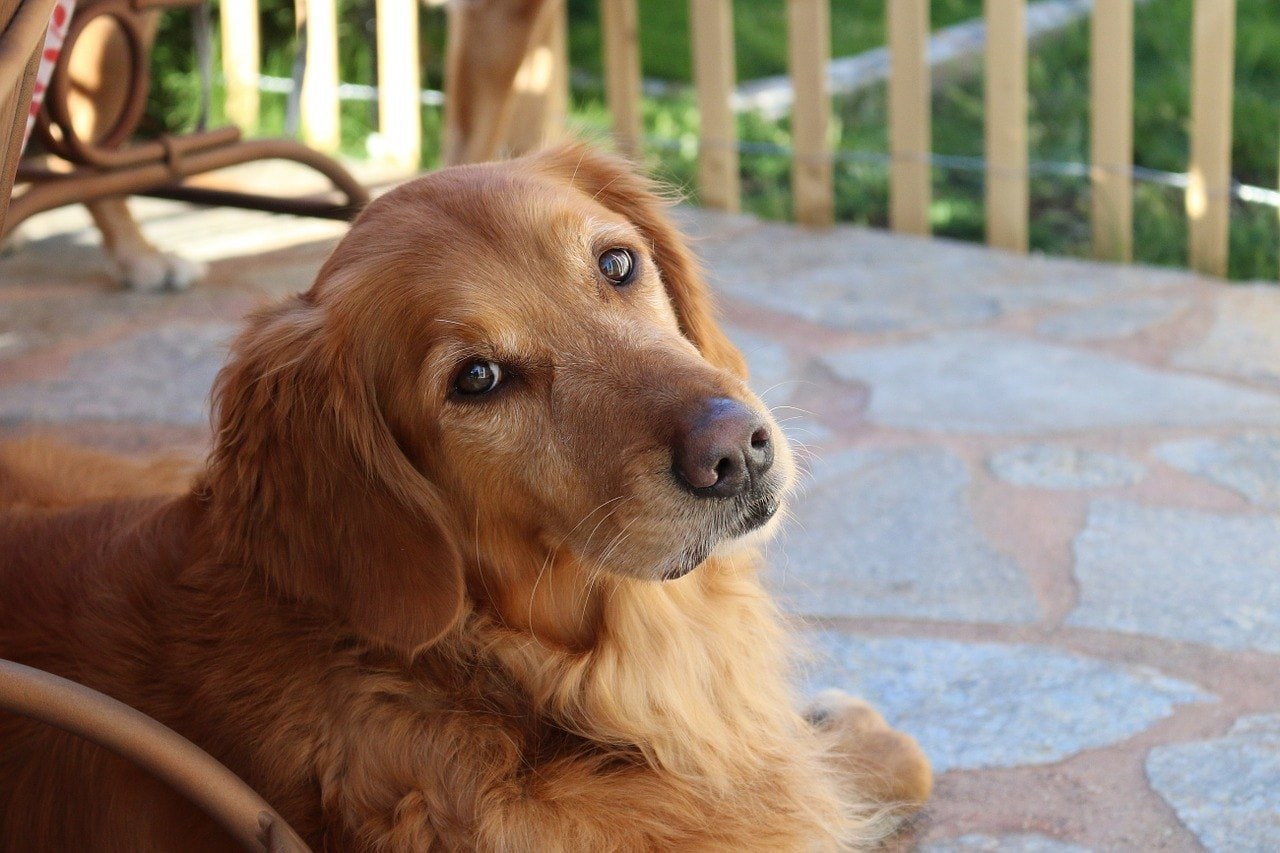
| Height: | 28–32 inches |
| Weight: | 35–45 pounds |
| Lifespan: | 10–12 years |
| Colors: | Gold, cream |
| Suitable for: | First-time and experienced owners who want a responsive, intelligent dog |
| Temperament: | Friendly, kind, caring, loving, confident, reliable, intelligent |
The Golden Retriever has a long heritage as a companion hunting dog, which is cemented into their very name. “Retriever” refers to the breed’s unique ability to retrieve game quickly and undamaged due to their soft mouth. They are revered in duck hunting circles for their astute sense of smell, which is an important factor in hunting and retrieving. Not only that, but they are also eager-to-please family dogs that are easy to train and have a natural attraction to water, making them an ideal choice for a duck dog.
3. American Water Spaniel
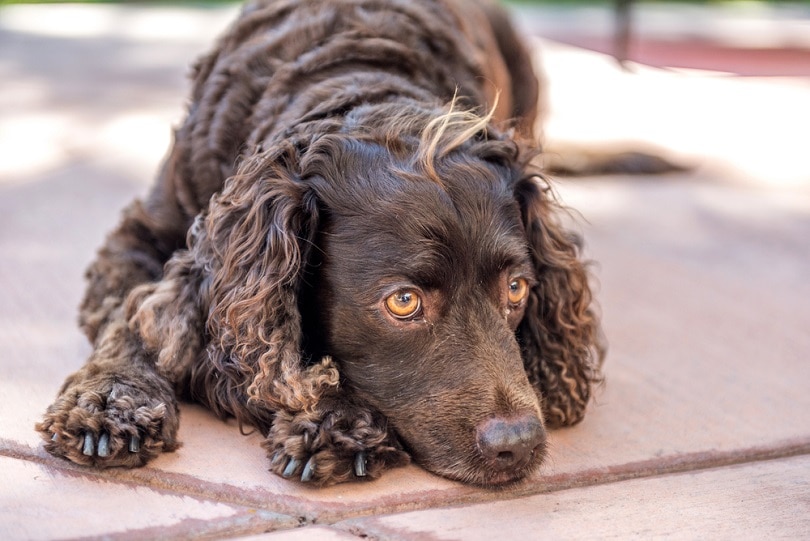
| Height: | 15–18 inches |
| Weight: | 25–45 pounds |
| Lifespan: | 10–14 years |
| Colors: | Chocolate, liver, brown |
| Suitable for: | Active families, outdoor enthusiasts, single-family homes |
| Temperament: | Intelligent, loyal, high-energy |
American Water Spaniels live up to their name with their water-resistant coats and love for being in the water. They have a retrieval instinct that can rival the best retrievers out there and are consequently one of the most popular duck-hunting dog breeds. They were bred to be all-around hunting dogs and are just as adept in water as on land, which makes them ideal for any type of hunting. They are also friendly, gentle, loyal, and eager-to-please dogs that make great family pets.
4. Irish Water Spaniel

| Height: | 21 – 24 inches |
| Weight: | 45 – 68 pounds |
| Lifespan: | 12 – 13 years |
| Colors: | Brown, chocolate, liver |
| Suitable for: | Families with children, families with other dogs, active lifestyles |
| Temperament: | Affectionate, easygoing, intelligent |
One of the largest and oldest of the spaniel breeds, the Irish Water Spaniel is an active and energetic dog that has an innate instinct to please. Their long history as a working and hunting dog makes them easy to train and more than willing to obey commands, with high intellect and a naturally inquisitive nature. They are not aggressive dogs and are thus great to have around children and busy homes. This versatile dog is a great family pet during the week and a masterful hunter and retriever on the weekend.
5. Poodle
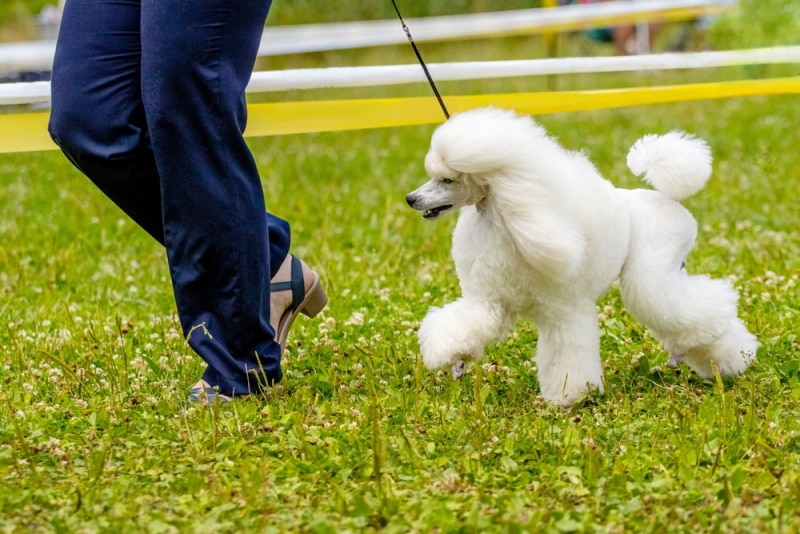
| Height: | 18–24 inches |
| Weight: | 45–70 pounds |
| Lifespan: | 12–15 years |
| Colors: | Black, white, brown, apricot, silver, cream, red, grey |
| Suitable for: | Active families with children |
| Temperament: | Intelligent, energetic, affectionate, loyal |
Known more for their pampered looks than their hunting skills, the Standard Poodle may seem like an unlikely breed to be among the retrievers and spaniels on this list, but they were originally bred for hunting. They are highly trainable and eager to please, which makes them popular circus and performing dogs but also ideal hunting companions. They are alert, attentive, and enthusiastic, all ideal traits for any duck-hunting dog.
6. German Shorthaired Pointer
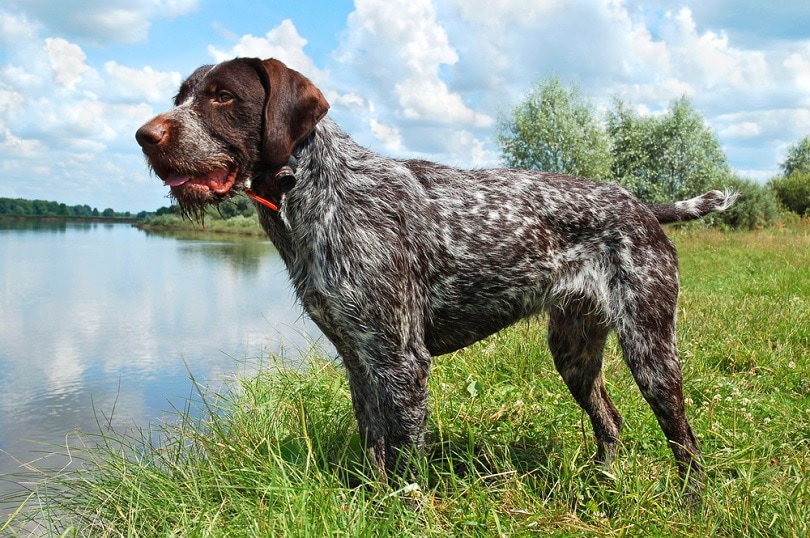
| Height: | 21 – 25 inches |
| Weight: | 45 – 70 pounds |
| Lifespan: | 10 – 12 years |
| Colors: | Liver, liver and white, liver roan, black, black and white, black roan |
| Suitable for: | Active, experienced dog owners, families with older kids |
| Temperament: | Energetic, friendly, smart, eager, good with kids, a bit stubborn |
The German Shorthaired Pointer was bred in Germany in the mid-19th century for the express purpose of hunting. Named for their “pointed” stance when spotting game, these dogs are revered among hunters as great “all-rounders,” with the ability to retrieve and hunt in water and on land. They have webbed feet and a water-resistant coat that make them highly suited to water, as well as huge reserves of strength, endurance, and stamina. Plus, German Pointers make great family pets.
7. Chesapeake Bay Retriever
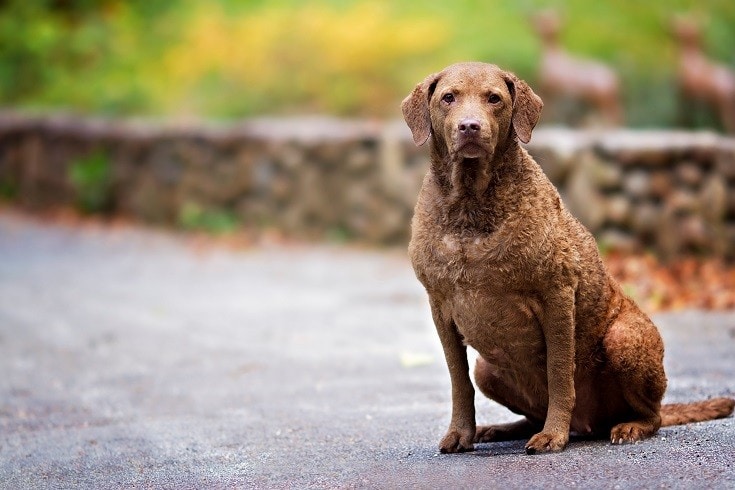
| Height: | 21–26 inches |
| Weight: | 55–80 pounds |
| Lifespan: | 10–13 years |
| Colors: | Brown, dark brown, dark deadgrass, deadgrass, light brown, light deadgrass, sedge, tan |
| Suitable for: | Active families, hunters, and people interested in canine sports |
| Temperament: | Adaptable, intelligent, protective, energetic |
Unanimously known among hunters as one of the best retrievers around, the Chesapeake Bay Retriever is a large, strong, and charismatic breed, with plenty of heart. The Chesapeake embodies all the classic traits that you’d want from a duck dog. They are dependable, loyal, obedient, and tough animals that are highly resistant to cold due to their icy Chesapeake Bay origins. They also have a thick, water-resistant coat and a curved tail that serves as a rudder. You’d be hard-pressed to find a more ideal duck-hunting dog than a Chesapeake Bay Retriever.
8. English Springer Spaniel

| Height: | 19–20 inches |
| Weight: | 40–50 pounds |
| Lifespan: | 12–14 years |
| Colors: |
Black & white; black, white, and tan; liver and white; liver, white, and tan; white and liver; white and black; red and white; orange and white; or lemon and white
|
| Suitable for: | Active families, those looking for a low-shedding dog, and first-time pet owners |
| Temperament: | Loyal, intelligent, easy to train, friendly, social |
The English Springer Spaniel has all the desired traits of a good hunting dog and gets their name from their adept skill in flushing and “springing” out game and fowl. Although they are smaller than other dogs traditionally used for hunting, they make up for their size with their high energy, thick water-resistant coats, and accurate instincts. Their small and gentle mouths are also ideal for retrieving game without damaging it, and they have all the enthusiasm, endurance, and stamina needed to spend the day duck hunting with their owners.
9. American Foxhound
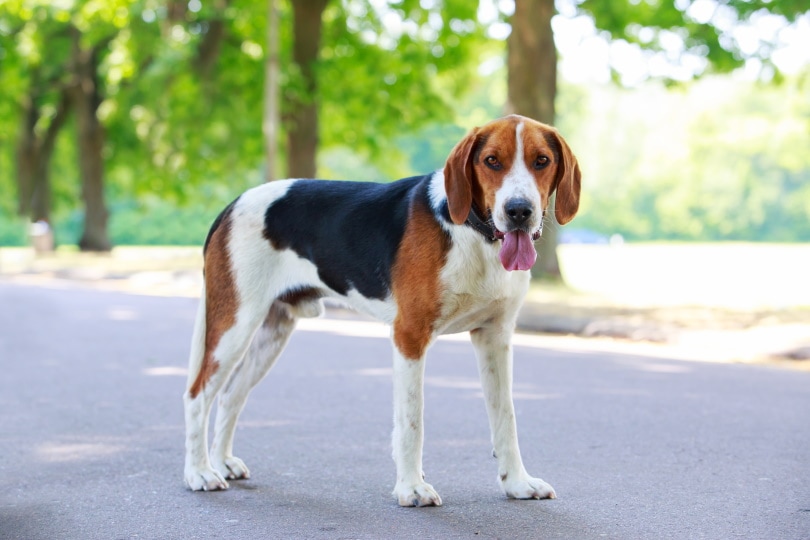
| Height: | 12–18 inches |
| Weight: | 60–70 pounds |
| Lifespan: | 11–13 years |
| Colors: | Black white & tan, white black & tan, tan, red, white, blue |
| Suitable for: | Families looking for a friendly hound with a rich history |
| Temperament: | Friendly, loyal, alert, and energetic |
The American Foxhound is revered for their speed, stamina, endurance, and incredible sense of smell—all ideal traits in a duck-hunting dog. They are sleek dogs with long legs that make them quick and agile, with a love for running long distances. They can be fairly single-minded and stubborn, which are traits that are ubiquitous in hounds, but with the right training, they make excellent duck hunting companions. Like most hounds, these dogs are vocal, and combined with their high energy, this makes them unsuitable for city dwellers or owners with small yards.
10. Nova Scotia Duck Tolling Retriever
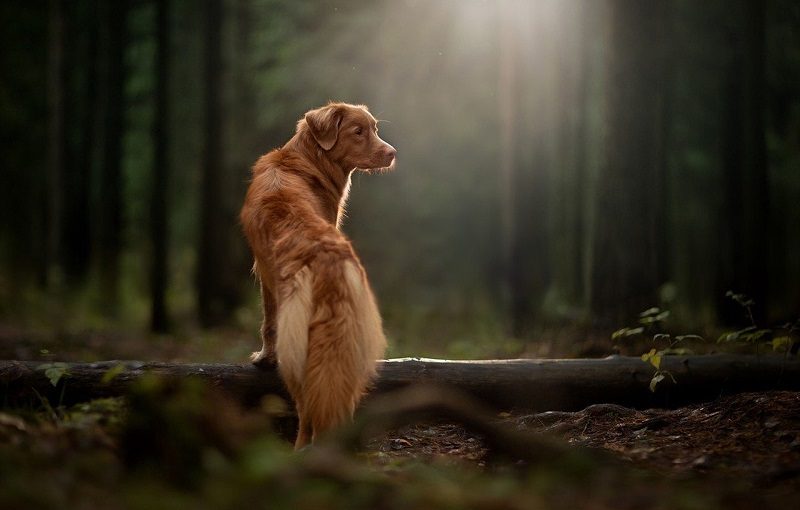
| Height: | 17–21 inches |
| Weight: | 35–50 pounds |
| Lifespan: | 12–14 years |
| Colors: | Red, buff, red gold |
| Suitable for: | People who enjoy the outdoors, families, large and small homes |
| Temperament: | Intelligent, playful, alert |
Commonly referred to as “Tollers,” these smallest dogs of the retriever breed are intelligent, affectionate, and instinctively eager to please. They were bred to hunt, have amazing scent and retrieval skills, and are alert and easy-to-train dogs. Tollers have a unique function in the duck hunting world, as they are used to “toll” or lure ducks within range of hunters.
For an unknown reason, ducks are attracted to the sight of red foxes playing on the shoreline and will often come in for a closer look. The Toller is used by hunters in the same way by throwing sticks to keep the dogs in motion on the shoreline, often luring ducks in with great success.
Conclusion
If you are looking for a great duck-hunting dog, any of these breeds would be a great choice. Perhaps the most popular is the Labrador Retriever, but all these breeds were bred for retrieving, tend to love the water, and are great swimmers. Which one will you choose?
Related Reads:
- Best Therapy Dog Breeds (With Pictures)
- Best Dog Breeds for First-Time Owners (Vet-Approved Options With Pictures & Info)
Featured Image Credit: dezy, Shutterstock
 The Top 10 Duck Hunting Dog Breeds