

Although it is hard to believe, all of our most beloved canines descended from wolves, including Pugs, Chihuahuas, and Poodles! Of course, most modern dog breeds look nothing like their ancestors but instead, have their own unique blend of beauty.1
Wolves are superbly beautiful animals, with a wild and mystical appearance that is endlessly fascinating and awe-inspiring. Many dog owners dream of owning one of these majestic creatures. Luckily for wolves and the other dogs and animals in your neighborhood, wolves are illegal to own. But some dog breeds come close to looking like their wild ancestors. The Siberian Husky is the first that comes to mind for most of us, but there are a handful of others that are definitely worth a mention too.
Here is a list of dog breeds that come as close to owning the real thing as possible—similar in appearance to wolves but truly domestic at heart.

The 14 Dog Breeds That Look Like Wolves
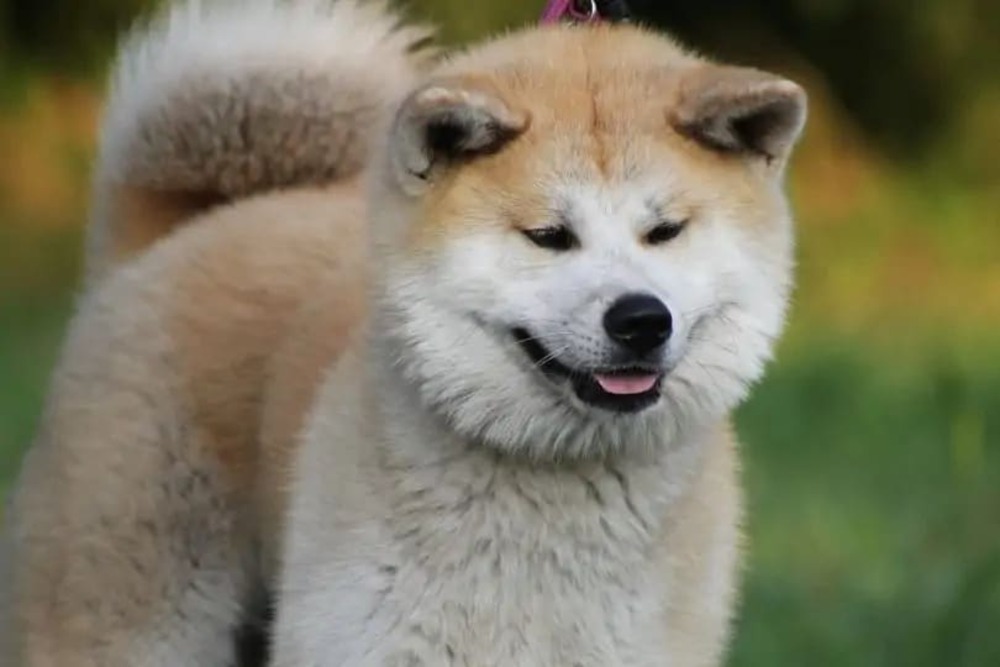
1. Akita Inu
| Height: | 24–28 inches |
| Weight: | 70–130 pounds |
| Lifespan: | 10–14 years |
| Origin: | Japan |
A large and powerful dog originally developed in Japan as a guard dog and for hunting, the Akita is as loyal as they come, with both the appearance and presence of their wolf ancestry. They are courageous animals that have a natural protective instinct leading them to go to almost any measure to protect their family. Akitas are known for their unique trait of talking; they rarely bark but are highly vocal in other ways, and they are fairly wary of strangers.
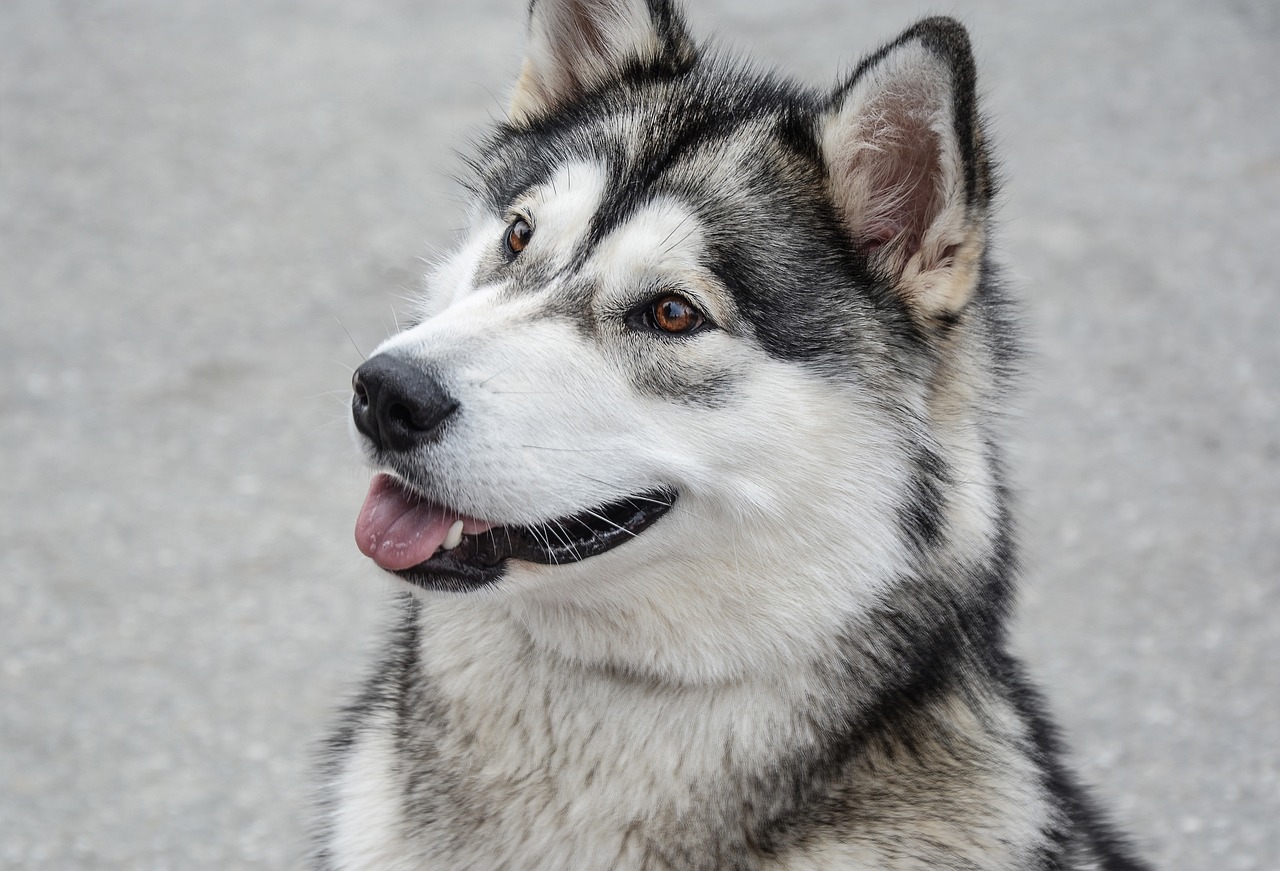
2. Alaskan Malamute
| Height: | 23–25 inches |
| Weight: | 75–85 pounds |
| Lifespan: | 10–14 years |
| Origin: | Siberia |
Alaskan Malamutes are powerful animals and one of the oldest breeds of sled dogs. They are also highly intelligent with a distinct stubborn trait, which makes them difficult to train and not ideally suited to novice dog owners. With their thick black-and-gray-on-white coat, these dogs are often thought to be part wolf and have even been used as such in movies, but they are 100% domestic. Originally developed for hunting and pulling heavy loads, these dogs have a ton of energy and stamina that can be difficult to wear out.
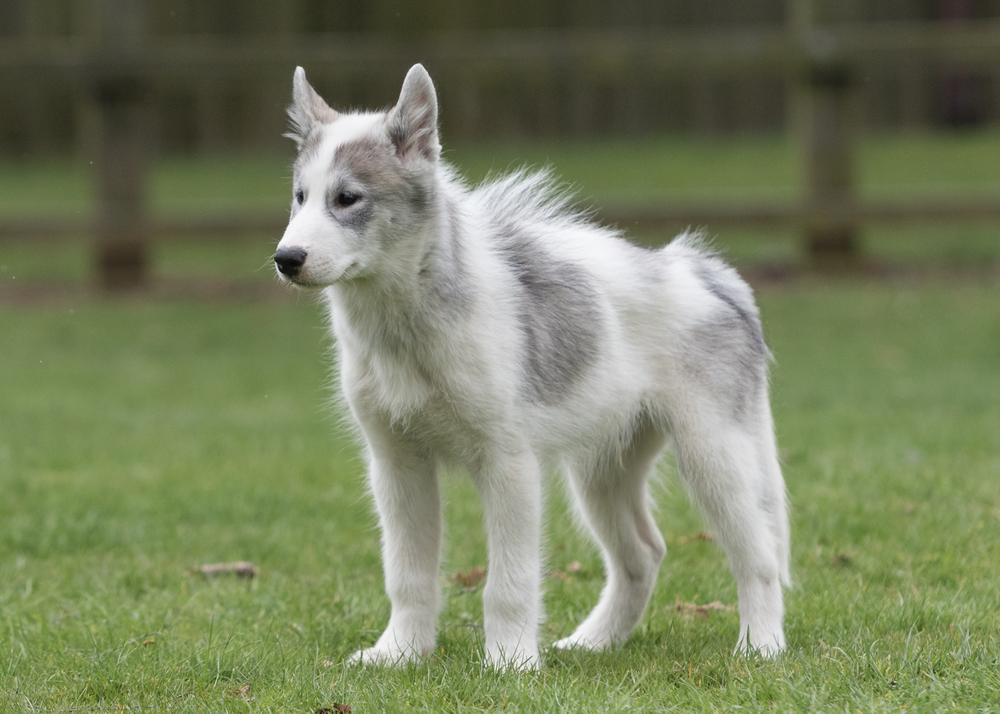
3. Canadian Eskimo Dog
| Height: | 20–28 inches |
| Weight: | 40–88 pounds |
| Lifespan: | 10–15 years |
| Origin: | Canada |
The Canadian Eskimo Dog is a powerful, medium-sized Spitz-type breed that has been pulling heavy loads for miles for decades. They are robust dogs with incredible stamina and were the primary sled dogs before the introduction of faster Siberian Huskies into the northern parts of Canada. This almost caused the extinction of the breed, but the Canadian Kennel Club stepped in and worked closely with breeders to bring these dogs back from the brink.
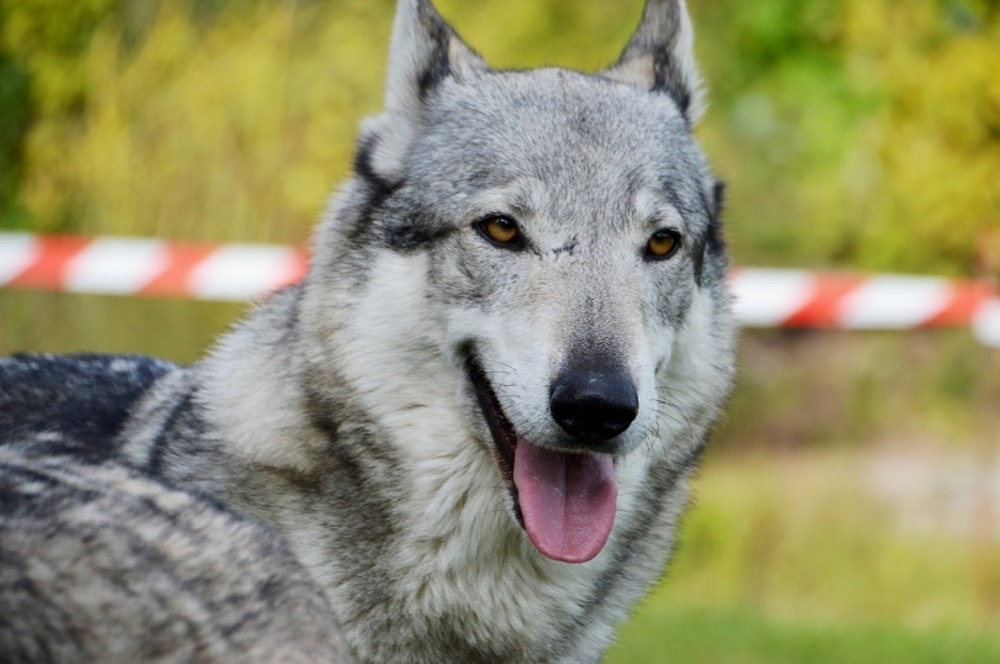
4. Czechoslovakian Wolfdog
| Height: | 12–18 inches |
| Weight: | 60–90 pounds |
| Lifespan: | 12–15 years |
| Origin: | Czechoslovakia |
Despite having “wolf” in their name, the Czechoslovakian Wolfdog is all domestic, although they resemble a wolf in striking ways. They are incredibly versatile animals that have been used in a wide variety of disciplines, including patrolling, search and rescue, and herding. They are hardy animals that have a powerfully individual nature, making them excellent companions for athletic owners and outdoor enthusiasts.
5. Finnish Lapphund
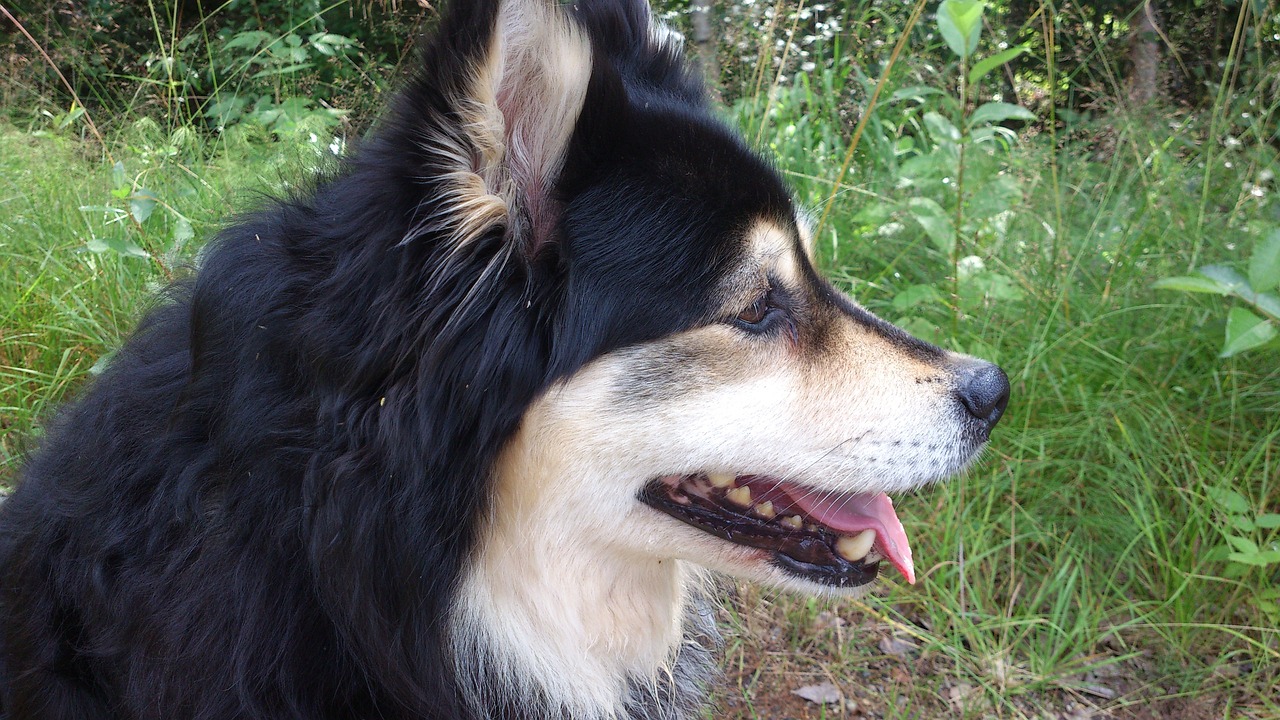
| Height: | 16–21 inches |
| Weight: | 33–53 pounds |
| Lifespan: | 12–15 years |
| Origin: | Finland |
Resembling a wolf in miniature, the Finnish Lapphund is a hardy, Spitz-type breed that has been used for centuries to herd reindeer. Although they are small, they are surprisingly muscular and agile for their size, with plenty of speed and agility that serves them well while herding. They are highly friendly little dogs, although mildly wary of new faces. They love nothing more than being close to their owners, so much so that they swiftly become depressed without them.
6. German Shepherd

| Height: | 22–26 inches |
| Weight: | 50–90 pounds |
| Lifespan: | 9–11 years |
| Origin: | Germany |
Although most dog lovers will recognize a German Shepherd in an instant, they are worth mentioning on this list because they still bear a somewhat close resemblance to their wolf ancestors. They are large, powerful animals that are supremely loyal and intelligent, and as such, they have been used widely in police and military service. They make great family pets too and are known to be loving, gentle, and protective of their human family.
7. Greenland Dog
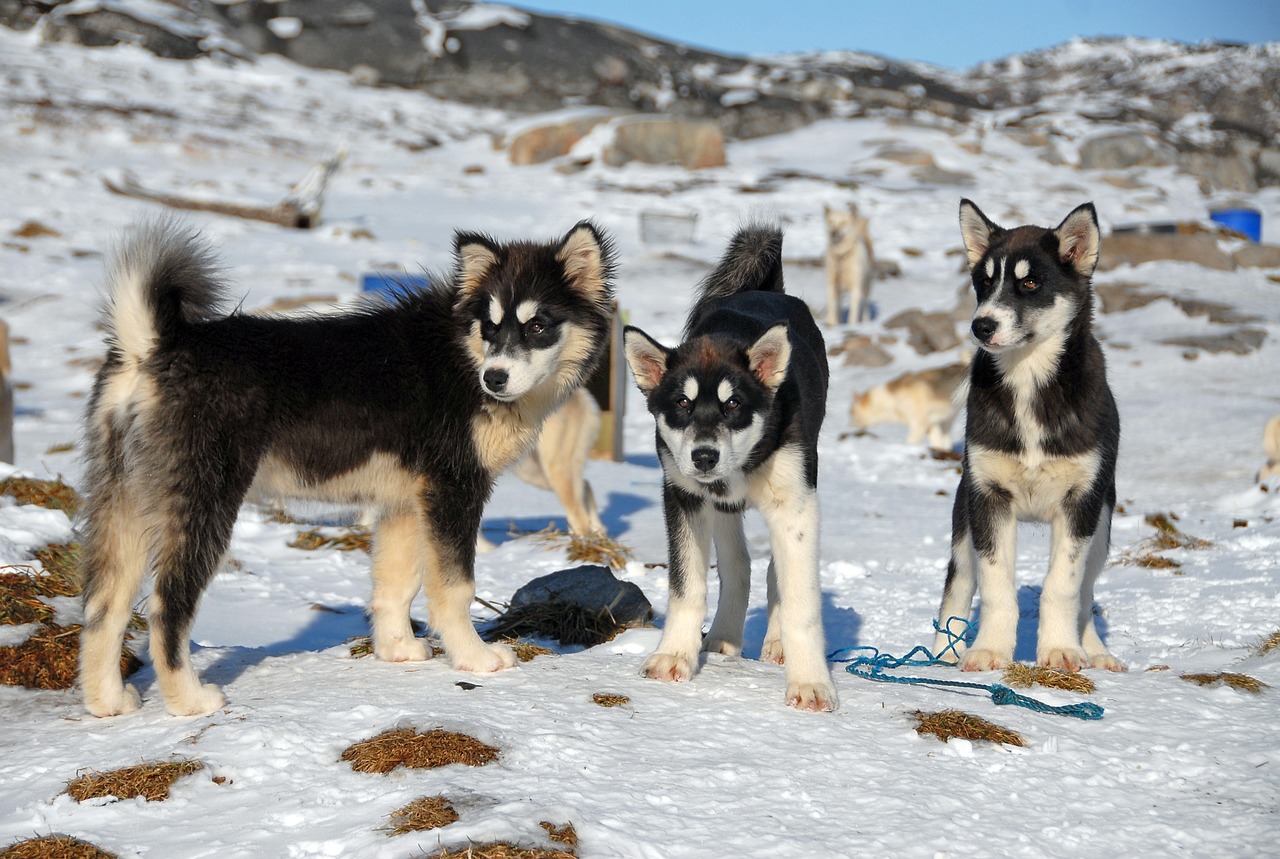
| Height: | 20–27 inches |
| Weight: | 65–72 pounds |
| Lifespan: | 12–14 years |
| Origin: | Greenland |
The Greenland Dog is a muscular, heavy-set, and powerful animal that has been used as a working dog in the cold climate of Greenland for hundreds of years. They are similar in many ways to Huskies, with thick double coats, a characteristic curled-in tail, and a stubborn, independent nature that can make them difficult to train. They are fairly rare nowadays because their job has been replaced by faster Huskies and snowmobiles, but their wolf-like appearance is a beautiful sight to behold.
8. Kugsha
| Height: | 20–27 inches |
| Weight: | 60–100 pounds |
| Lifespan: | 12–14 years |
| Origin: | United States |
Also commonly known as an American Husky, the Kugsha is a Spitz-type dog with a wolf-like coat and build and was developed as working dogs due to their power and stamina. The breed is fairly new and somewhat rare, and little is known about their origins except that they were developed in Pennsylvania in the last few decades. They form powerful bonds with their owners, but they have a strong independent instinct that can make training a challenge.
9. Northern Inuit Dog
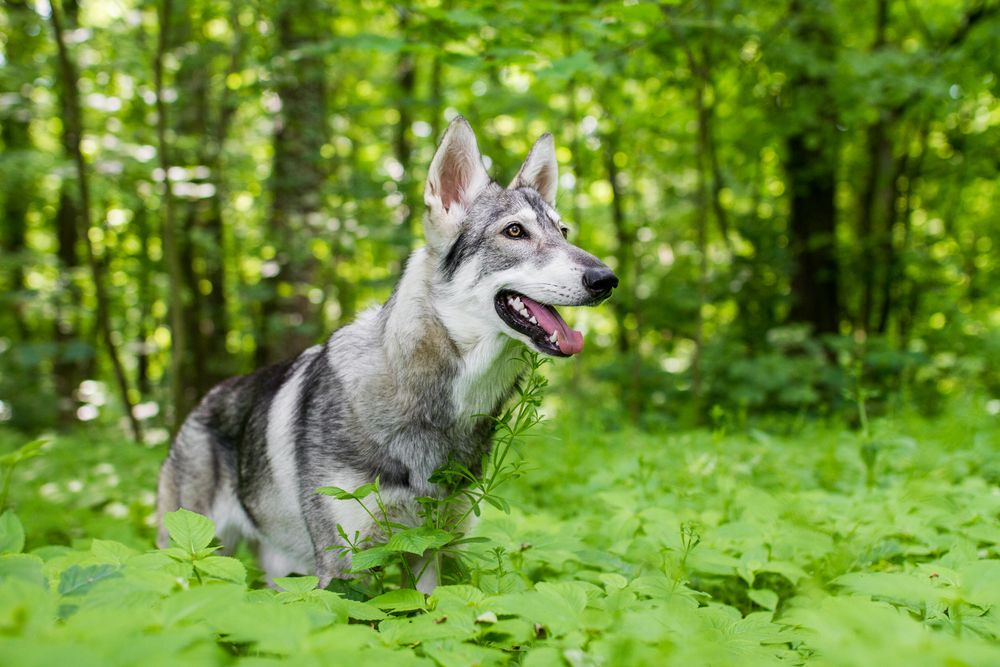
| Height: | 23–32 inches |
| Weight: | 55–110 pounds |
| Lifespan: | 12–15 years |
| Origin: | United Kingdom |
The Northern Inuit Dog is also commonly known as a “wolfdog”, although they are 100% domestic. If you are looking for a dog that looks like a wolf, this breed is about as close as it gets. The breed’s main claim to fame was a starring role as the wolves in the TV series “Game of Thrones”. While they may look wild, they are loving and sweet dogs that make great family pets and bond strongly with their owners. These dogs need a great deal of exercise and companionship and are known to easily suffer from separation anxiety.
10. Saarloos Wolfdog
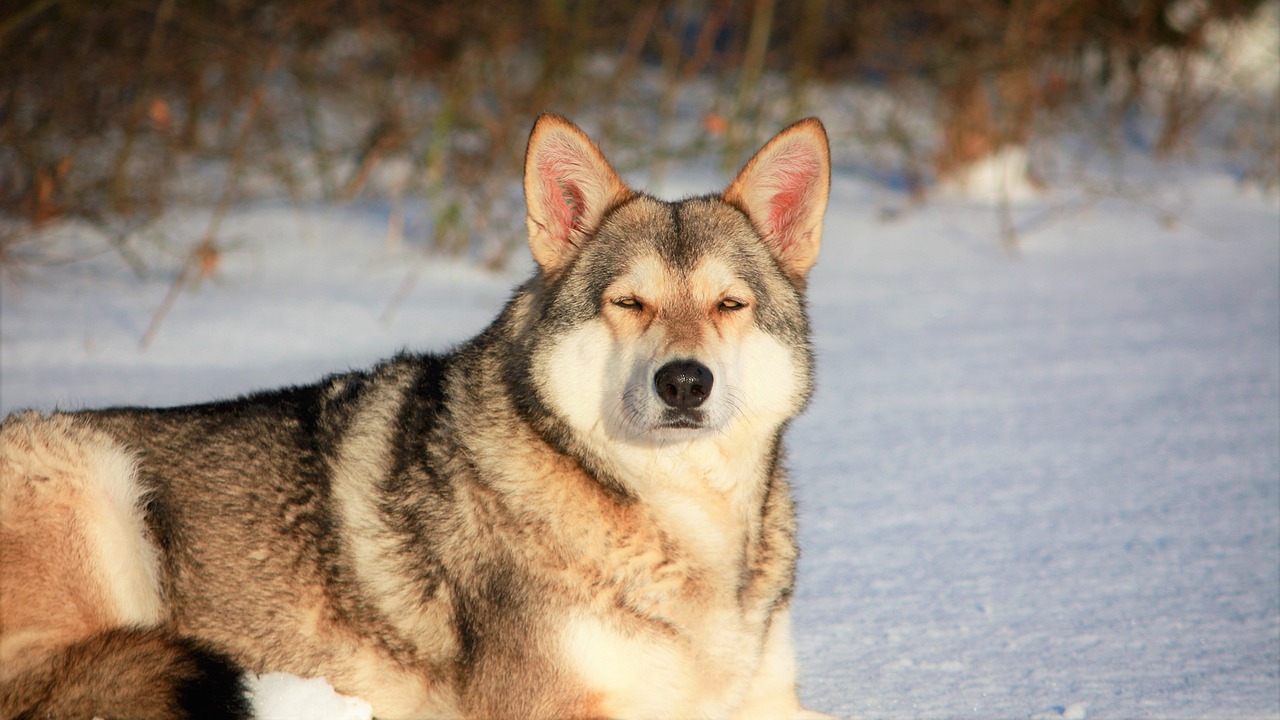
| Height: | 24–28 inches |
| Weight: | 70–90 pounds |
| Lifespan: | 10–12 years |
| Origin: | Netherlands |
The Saarloos Wolfdog not only closely resembles a wolf but also has wolf blood, as they’re the result of a cross between a German Shepherd and a Siberian grey wolf. Their offspring were then bred again with German Shepherds, resulting in dogs that are one-quarter grey wolf. They are, as you would imagine, powerful and athletic animals that require a ton of dedication and training, and early socialization is essential. These animals are not for novice dog owners and require far more special care than a domestic dog.
11. Samoyed
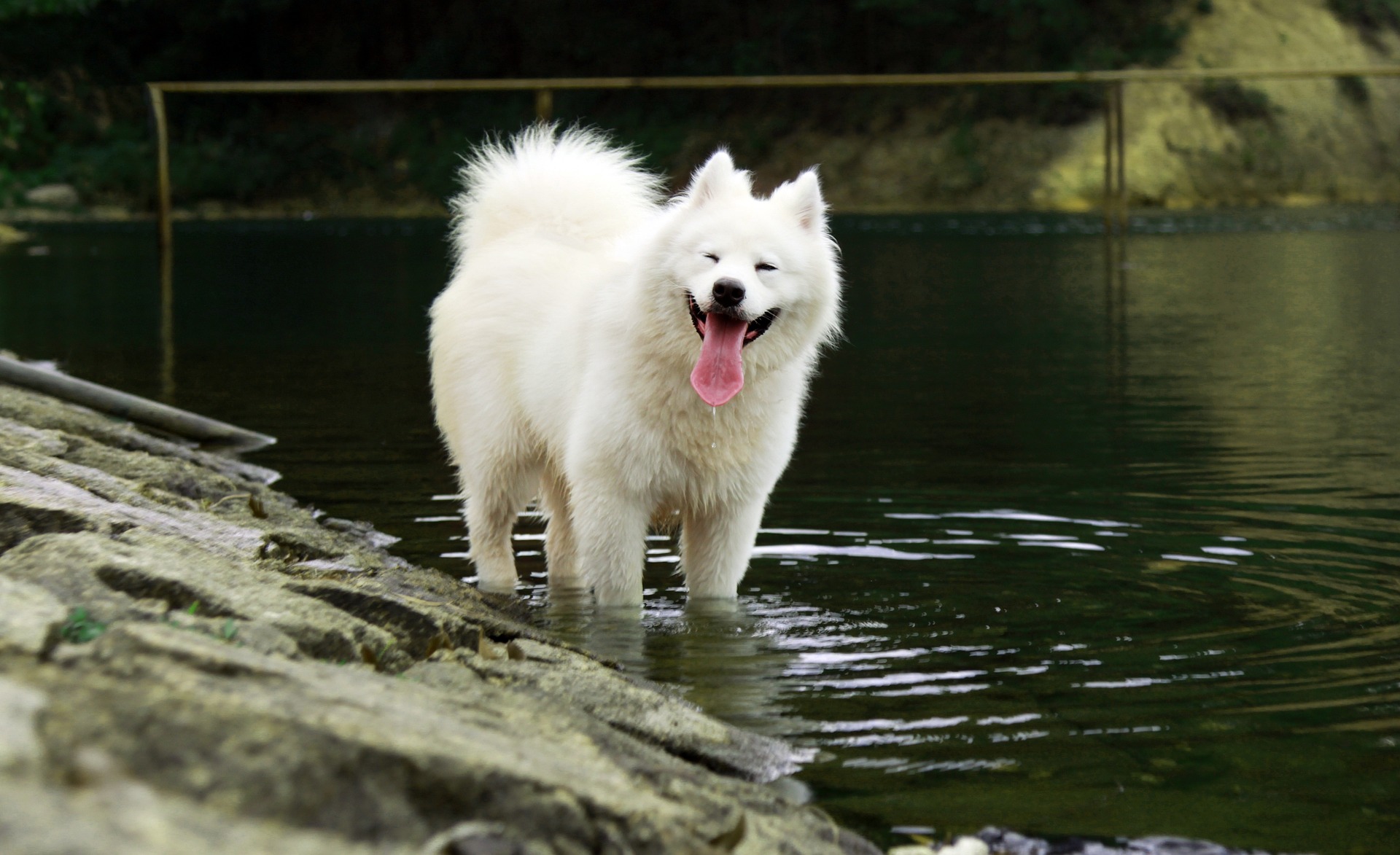
| Height: | 19–23.5 inches |
| Weight: | 35–65 pounds |
| Lifespan: | 12–14 years |
| Origin: | Siberia |
Known for their unique smile and thick coat, the Samoyed was originally bred for hunting and pulling heavy loads. Their characteristic smile is a great reflection of the Samoyed’s character, as these happy-go-lucky animals are brimming with happiness. They are affectionate animals and tend to bond closely with one family member but are still friendly and social with almost everyone else. They are muscular, powerful animals that would more closely resemble their wolf ancestors if not for their giveaway smile!
12. Siberian Husky
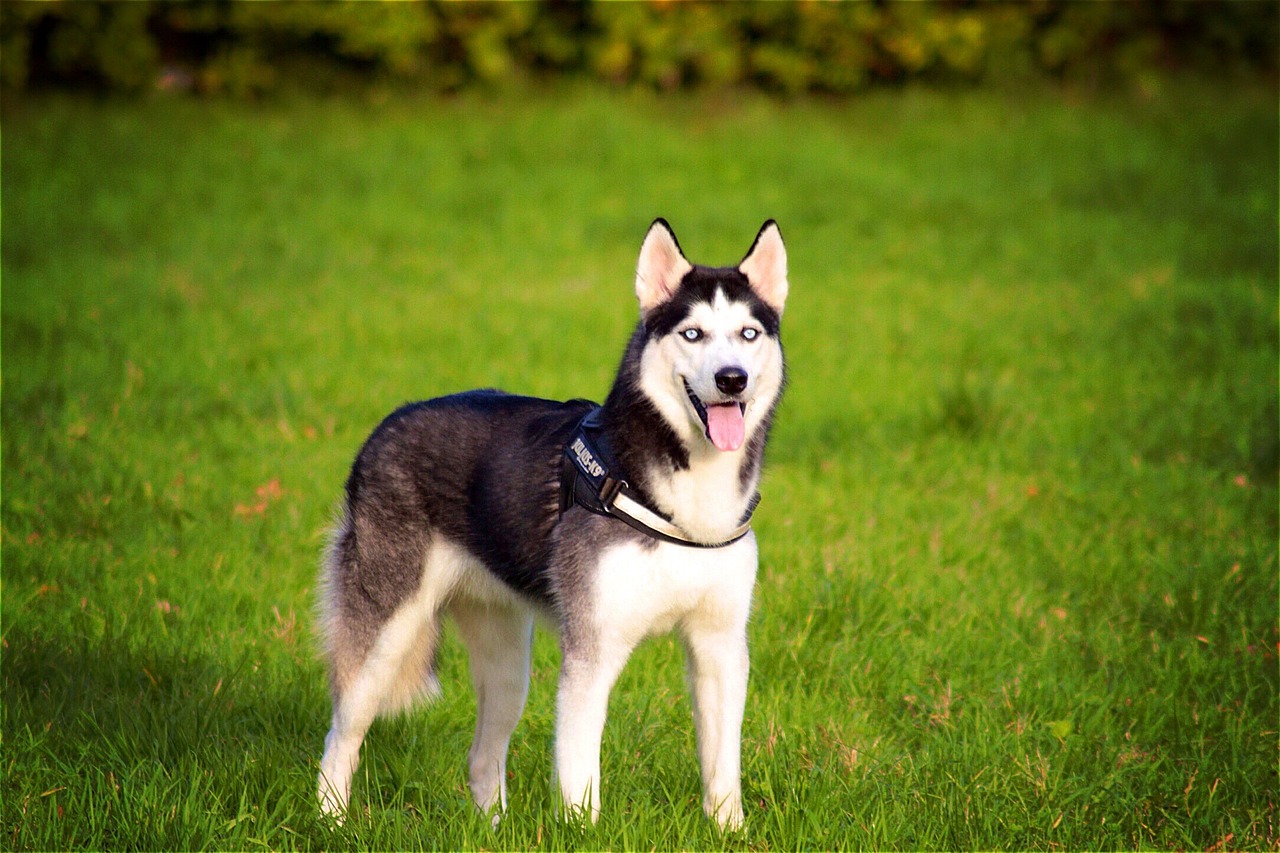
| Height: | 20–23 inches |
| Weight: | 35–60 pounds |
| Lifespan: | 12–14 years |
| Origin: | Siberia |
When it comes to powerful sled dogs, the Siberian Husky is the most famous and popular of all. Their thick double coats, pointed ears, and distinctive markings are clear indicators of their wolf ancestry, although they are purely domesticated dogs. These animals were made to work, and they have almost unmatched energy, stamina, and strength, making them a real challenge for novice owners. The breed has become increasingly popular in recent decades due to their unique beauty, but many end up in shelters because they are such a challenging breed to care for. If you have the time, patience, and resources, however, they are certainly wonderful dogs to have around.
13. Swedish Vallhund
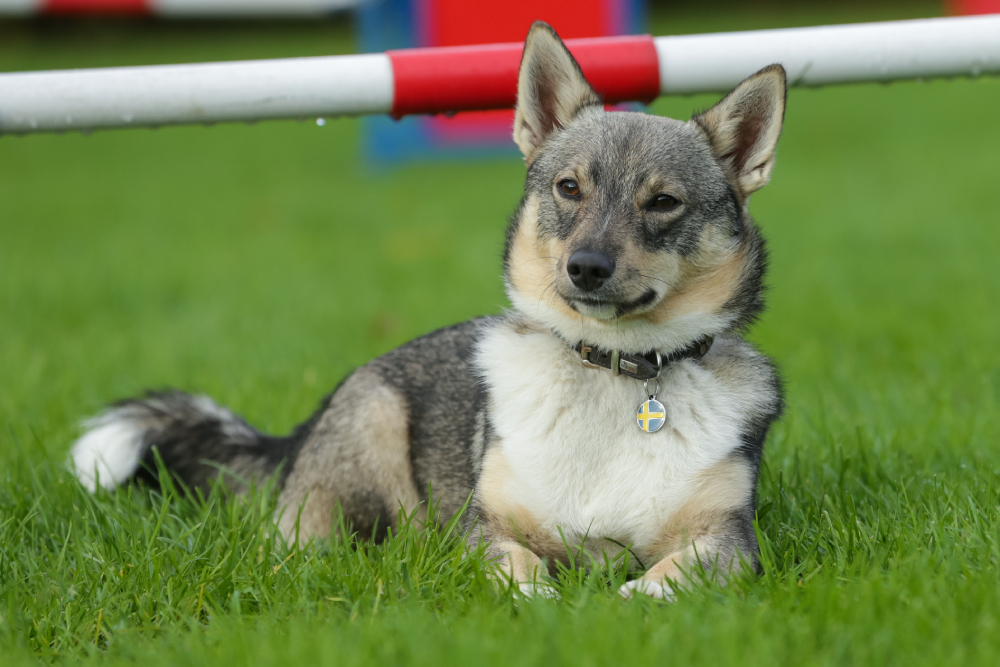
| Height: | 11.5–13.75 inches |
| Weight: | 20–35 pounds |
| Lifespan: | 12–15 years |
| Origin: | Sweden |
The Swedish Vallhund is a small yet active and highly energetic dog, with a personality that barely fits into their small stature. Despite their size, they still have a wolf-like appearance with their thick grey coats and pointed ears and can be highly protective of their owners should the need arise. They are loyal little dogs, with a ton of affection and enthusiasm to bring into your home. These dogs are for active owners only because they need a great deal of exercise and can easily develop behavioral issues without it.
14. Tamaskan
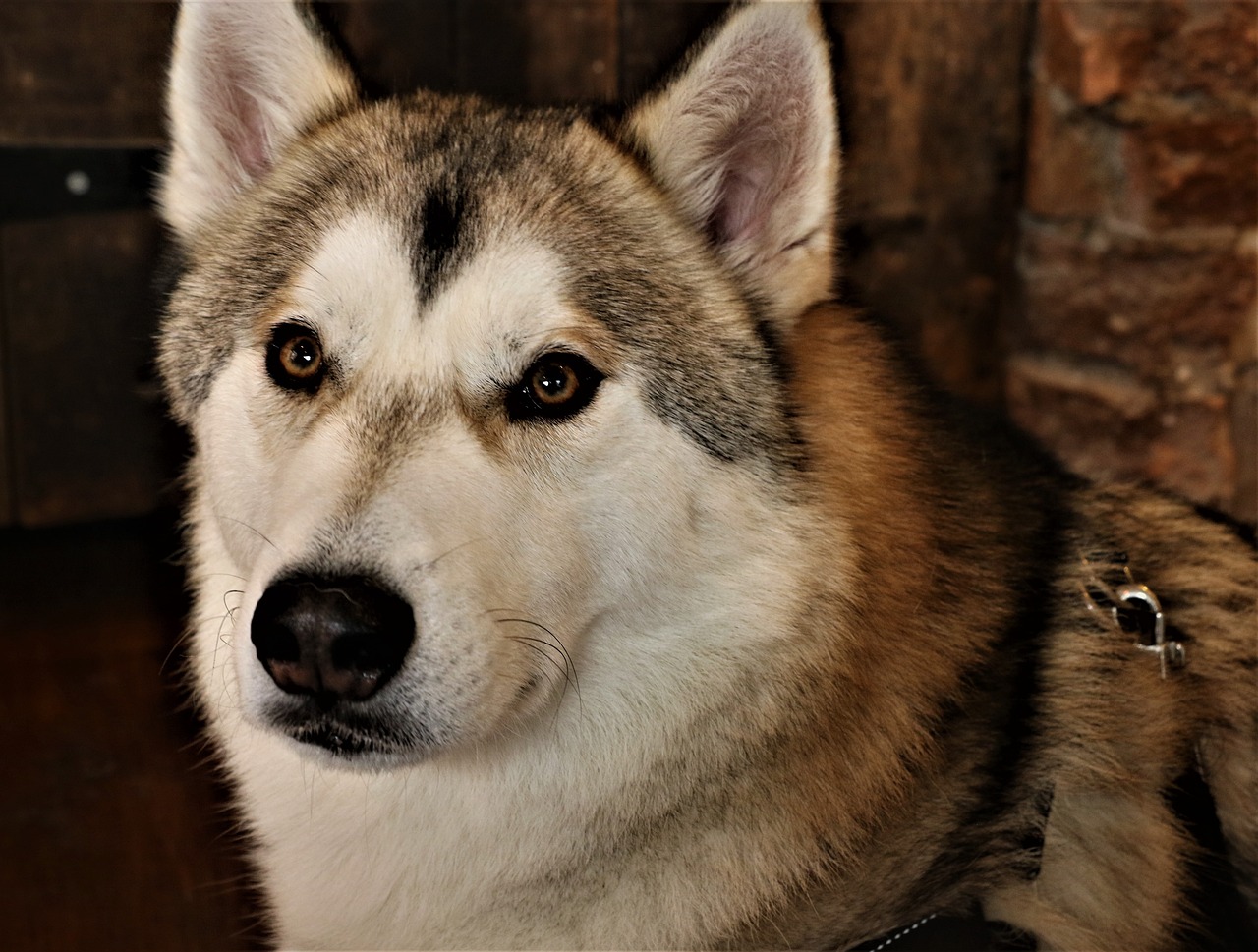
| Height: | Males: 25–29 inches; Females: 24–27.9 inches |
| Weight: | Males: 66–99 pounds; Females: 51–84 pounds |
| Lifespan: | 14–15 years |
| Origin: | Finland |
A result of crossing sled dogs like the Siberian Husky and Alaskan Malamute, among others, the Tamaskan is a powerful, athletic breed with tons of stamina. Their name literally translates to “mighty wolf” in Native American, and they need a ton of space and exercise to stay healthy and happy. The breed looks astoundingly like a wolf, which was the aim of several breeders from the U.S., Canada, and Finland in their development in the 1980s. The breed is still exceedingly rare, and there are thought to be only around 400 of them worldwide.
Conclusion
If you love the wild beauty of wolves and the warm companionship of domesticated dogs like we do, these wolf-like breeds offer the best of both worlds. Each breed carries its own unique mix of stunning appearance, intelligence, and loyalty, making them wonderful companions for the right pet parents who can meet their needs. Whether it’s their striking looks or fascinating histories, these breeds bring a touch of the wild into your life, while still being lovable family pets.
Related Reads:
Featured Image Credit: Kanashi, Pixabay
 The 14 Dog Breeds That Look Like Wolves






























2 Responses
I believe the origins of the Alaskan Malamute date back to the Northwest part of Alaska, not Siberia. (Husky’s ?)
The breed also weighs in well over 100-125 pounds these days, mine was a male at 130 in great shape purchased from a top breeder and judge.
This breed also does great in weight pulling contests. It’s been said pound for pound they have the strongest hind legs in the dog world.
Hello Arnie,
thank you very much for your comment! We always love when our readers contribute with their knowledge and experience!
Best wishes!