How to Hike With Your Dog: 9 Vet-Approved Tips, Trail Etiquette & Preparations


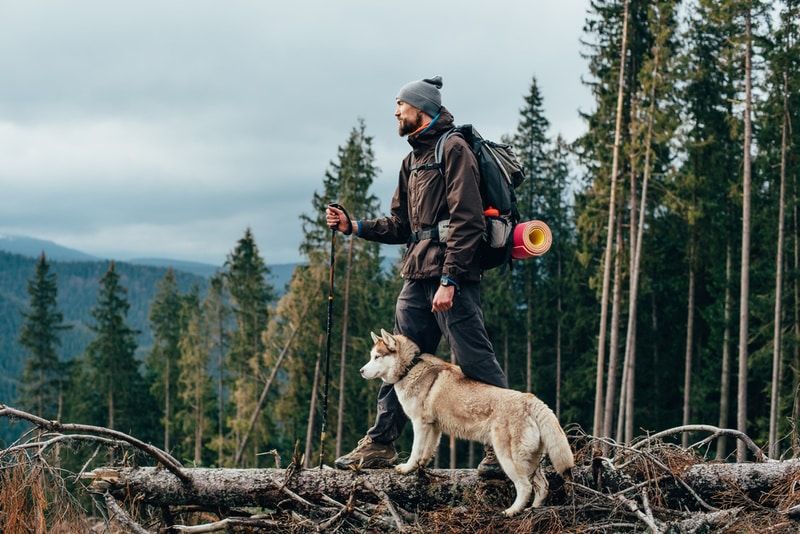
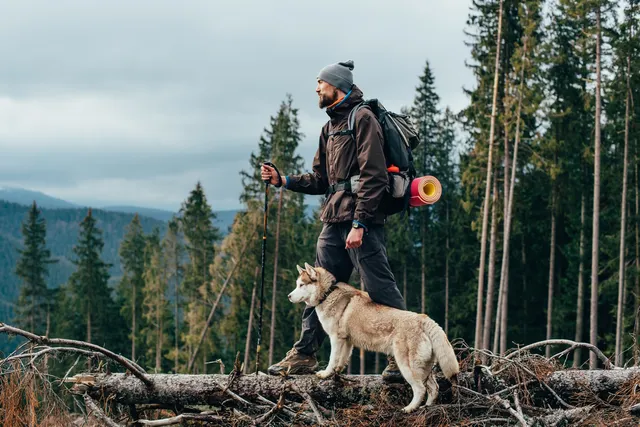
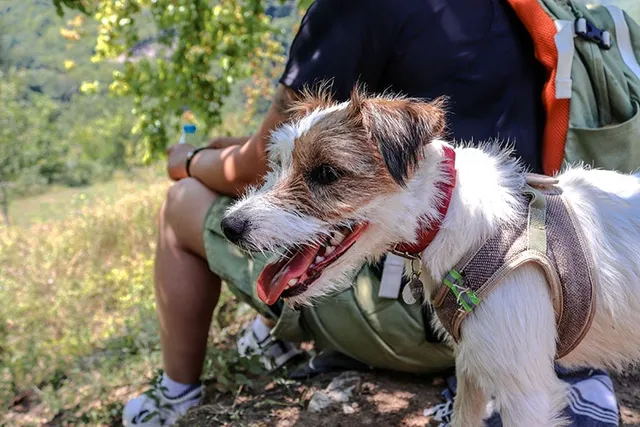
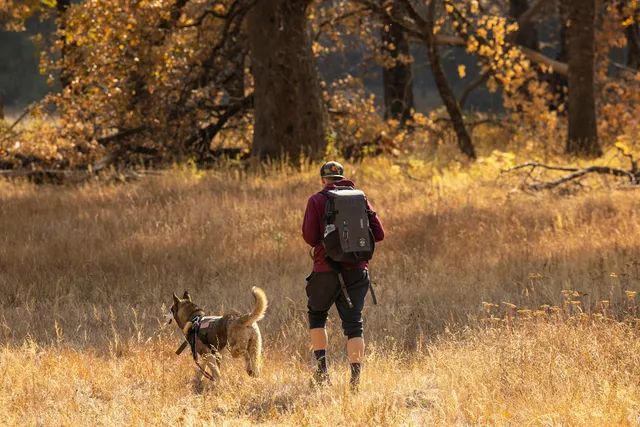
Hiking with a dog can be a great way to spend a day and give your dog both physical and mental stimulation. It is also a good way to bond with your pet. However, it is not a good idea to run off onto an unfamiliar trail without adequate preparation. There are many things to consider when hiking with your dog, including food and water, local wildlife, and rules and regulations. Here are nine tips for hiking with your dog that will ensure that you have a great trip.

What to Bring
In order to ensure that you have a safe and productive hiking trip with your dog, you should ensure that you have everything you need ahead of time. There are a number of things you should always bring when you go hiking with your dog, including water, a water bowl, a leash, proper ID tags for your dog, and waste disposal bags.
Here is a list of things you need to bring with you when you go hiking with your dog:
- Poop bags
- Fresh water
- Collapsible hiking water bowl
- Small bag of food
- Proper identification for your dog
- A leash
- Dog first aid kit
You may also wish to carry some dog wash wipes in the event that your dog gets dirty.
If you are looking for the perfect product to clean your dog's sensitive areas, Hepper's Wash Wipes are our recommendation, plus it's a great on-the-go option. These premium wipes are thick and durable enough for the toughest of paw messes, while still being soft enough to use on your dog's ears or eyes. Formulated with pet-friendly, hypoallergenic ingredients they are the ideal product for all dogs of all ages, skin conditions, or sensitivities.

- Gentle Care For All Pets - Infused with moisturizing hypoallergenic ingredients & enriched with cucumber & aloe fragrance for healthier fur, coat & skin, the ultimate dog and cat cleaning wipes
- Deep Cleans From Head to Tail - Tackle the toughest dirt & messes with our extra strong pet wipes for dogs, cats and other pets while being gentle on sensitive areas like the face, ears, butt & paws
- Freshness On The Go - Each dog grooming wipes pack contains 30 counts of premium dog wipes that leaves your pets fresh. Packed in resealable packaging, keeping the cat wipes fresh & ready whenever
At Dogster, we’ve admired Hepper for many years and decided to take a controlling ownership interest so that we could benefit from the outstanding designs of this cool pet company!
Top 9 Tips for Hiking With Dogs
1. Know Before You Go
It is your responsibility to gather all of the important information about an area before you decide to bring your dog hiking. Before you try to hike anywhere with your dog, you should get the answers to the following questions.
- Are dogs allowed?
- Are there any special rules or regulations governing dogs where I am going?
- Are there special hours for dogs?
- Does my dog need to be leashed at all times?
- Are there any concerning wildlife or natural dangers I need to be aware of where I am going?
Ignorance is not an excuse for breaking the rules. In some places, bringing your dog into restricted areas could even constitute a minor crime that could result in a fine or being banned from the area in the future.

2. Follow BARK
The BARK principle (or B.A.R.K.) is a set of guidelines crafted by the US National Park Service to help people wanting to hike with their dogs.1 BARK is a simple acronym that helps people remember the basics of hiking etiquette. Following BARK is a good idea no matter where you are hiking, whether it is in a national park or not. Here is what BARK stands for.
Bag your pet’s waste
You should always bag your dog’s waste and bring it with you when you leave. Some people think that since you are outdoors in nature, they do not need to pick up after their dog. This is not the case. Dog poop can contaminate the natural environment with bacteria and parasites. It can also end up on the bottom of a fellow hiker’s shoe. In the case that you forget to bring waste disposal bags, you can bury your dog’s poop but be sure to dig a hole deep enough to cover it completely.
Always leash your pet
You should not let your dog off leash when hiking. Your dog may catch an interesting scent or hear an animal and take off running into the woods. The safest thing to do is to keep your dog leashed. However, if there are off-leash areas where you are hiking, ensure you have a solid reliable recall and keep an eye on your dog at all times.
Respect wildlife
When you go into nature, you are entering the home of the native wildlife. Please respect this wildlife. Don’t let your dog chase natural wildlife (as it could also be dangerous for your dog.) Don’t disturb things like nests or dens, and don’t let your dog dig on the trail.
Know where you can go
We already covered this, but it is your responsibility to know where you can and cannot go with your dog in any situation. Don’t ignore posted signs and follow all of the rules and guidelines for hiking with your dog in any individual location.
3. Brush Up on Trail Etiquette
There is a set of expectations for you and your dog when you are hiking. You want to make sure that you are familiar with trail etiquette and treat others the way you would want to be treated. For example, you want to be sure to yield the right of way to other hikers, hikers coming uphill generally have the right of way. So if you and your dog are descending, you should step aside to give the people climbing up space. This is especially true for runners, bikers, or other people with dogs. Other things include common courtesy, picking up after your dog, and keeping your dog leashed. You don’t want your fun day to ruin someone else’s by accidentally being rude.

4. Make Sure Your Dog Is Under Voice Command
Before bringing your dog out onto a public hiking trail, you want to make sure that they are trained to follow voice commands. Your dog should be able to sit, stay, come, and leave anything that you tell them to. Rapid recall is also important. If your dog slips its leash, you want to make sure that they will come back right away and sit when commanded to. “Leave it” is also an important command while out in nature, as you don’t want your dog messing with anything that could be harmful, unfamiliar, or toxic.
5. Bring Plenty of Water for Your Dog
You need to be sure to bring plenty of water for your dog. Dogs do not sweat the same way people do, they primarily regulate their body temperature through panting and will need ample fluids to remain hydrated while out on the trail. Even if the weather seems cool, dogs will still need water when they are out on long hikes. Be sure the water is fresh and easy for you to carry. Don’t forget the dog bowl, or you are going to have a hard time getting your dog to drink. Neglecting to bring enough water for your dog could cause them to tire out faster and can lead to heat exhaustion or heat stroke on hot days.

6. Update Your Flea and Tick Prevention
Before you go trekking off into the woods, you want to make sure that your dog is on flea and tick prevention. You don’t want your dog to end up with a tick that could potentially transmit a disease to your pup. You also want your dog to be on heartworm prevention because you are likely to encounter mosquitoes when out hiking. This is especially true in the warmest or wettest months of the year. If you are unsure of your dog’s flea and tick prevention status, consult your veterinarian.
7. Watch Your Dogs’ Fitness and Exertion Levels
You want to keep an eye on your dog during the hike to ensure that they are not getting too tired. If you overexert your dog, they could overheat or become more prone to injury. Signs that your dog is tiring out include excessive panting, frequent panting, slowing down, sitting, not wanting to continue, and turning around to try and go back the way you came. If your dog is showing any of these signs, it is a good idea to pack it up and go home. Dogs, like people, need time to build up their strength and endurance. If you are just starting to hike with your dog, they might not be conditioned to tackle long or difficult trails at the beginning.

8. Be Proactive
One of the best ways to keep you and your dog safe while hiking is to be proactive. Try to anticipate situations before they happen. If you see other people coming down the trail, reel your dog in and make them sit as they pass. If you notice signs of animals or if the trail is in bad shape, turn around before you end up in a potentially dangerous situation. Be aware of your surroundings and pay attention when hiking. This will allow you to be proactive and head off any potential issues before they happen.
9. Stick to Marked Trails
Lastly, you should always stick to marked trails. You do not want to go wandering off into areas that are not marked or cleared. This is good advice for any hiker, but it is especially true if you have a dog along for the trip. Wandering off the trail can lead to getting lost, can cause you to encounter heavy brush, and can put your dog into areas where local wildlife could be a problem. Heavy brush can also increase your dog’s likelihood of picking up fleas and ticks, which can hide in undergrowth and tall grass. For these reasons, you should always remain on marked trails whenever possible.

Final Thoughts
These nine tips will help you stay safe and prepared when hiking with your dog. Hiking can be a lot of fun, but it can also flood your dog with stimulation and new experiences, which can be stressful. You want to ensure that you are prepared to handle any situation that might arise when you are out on the trail. Be mindful of your dog, be mindful of the local rules, and be mindful of others when hiking. If you follow these tips, you are sure to have a great time with your canine companion.
See Also:
Featured Image Credit: Osadcha Olga, Shutterstock
Expert dog care, straight to your inbox
Vet-reviewed advice, training tips, and the best of Dogster. Free, and you can unsubscribe anytime.
By signing up, you agree to our Terms & Conditions and Privacy & Cookies Policy.
Join the conversation
Ask a question, share your story, or send private feedback.