10 Remarkable Service Dog Statistics in 2026: Training, Costs & FAQ

In this article
Note: This article’s statistics come from third-party sources and do not represent the opinions of this website.
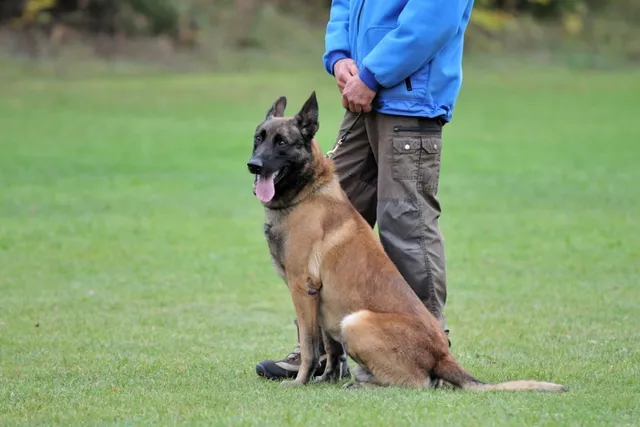
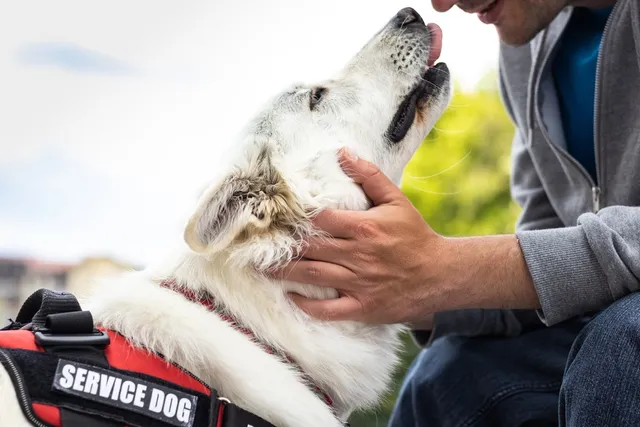
Dogs trained to serve and assist humans are incredible animals indeed. According to the Americans with Disabilities Act (ADA), "Service animals are defined as dogs that are individually trained to do work or perform tasks for people with disabilities." Also, in the eyes of the law, emotional support dogs and therapy dogs are not service dogs. The dog must also not be a pet but must be specially trained to assist the handler with something directly related to his disability.
Ahead we’ve compiled 10 remarkable service animal statistics, including how long it takes to train a service dog and what some of the costs of training and caring for a service dog may be.

The 10 Service Dog Statistics
There are about 500,000 service dogs in the US.
27% of adults in the United States have some type of disability.
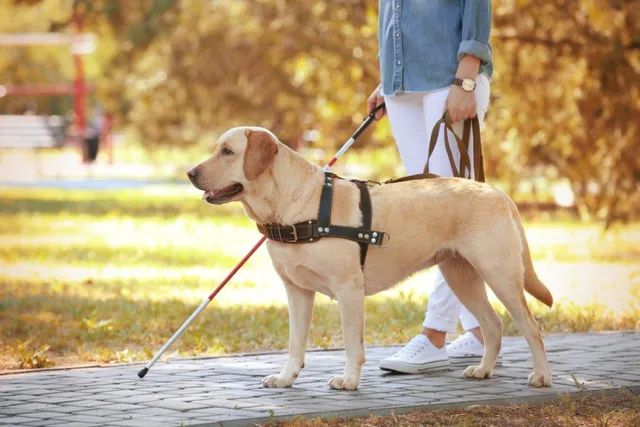
Only 10,000 guide dog teams are currently working in the United States.
It takes an average of 1-2 years to train a service dog.
People in need of a service dog may have to wait up to 1-5 years.
Assistance Dogs International (ADI) placed 4,469 new assistance dogs worldwide in 2022.
It can cost more than $25,000 to train a service dog
Hiring a professional assistance dog trainer can cost around $150–$250 an hour.
More than half of the assistance dog candidates do not complete their training.
Veterinarian fees while training service dogs cost thousands of dollars.

Statistics of Service Dogs for People Living With Disabilities in the United States
1. There are about 500,000 service dogs in the US.
(Share America)
While half a million service dogs might seem high, there are unfortunately not enough for everyone with a disability in the United States. For this reason, it can take a long time for an individual to find a qualified service dog.
2. 27% of adults in the United States have some type of disability.
(CDC)
There are over 61 million adults in the United States living with a disability. This represents up to one in four American adults who have some type of disability. Disabilities can be a type of functional disability, cognitive, hearing, visual impairment, or loss of autonomy in many areas of their lives.

3. Only 10,000 guide dog teams are currently working in the United States.
(Guiding Eyes)
While there are no specific numbers available, it is estimated that approximately 10,000 guide dog teams are currently working in the United States. Another frequently cited statistic is that only about 2% of all blind and partially sighted people work with guide dogs. In any case, it is clear that there are not enough assistance dogs for everyone.
Obstacles & Aids to Obtaining a Service Dog
4. It takes about 1-2 years to train a service dog.
(Psychiatric Service Dog Partners)
Training assistance dogs is time-consuming as they require different obedience classes than what is required for a companion dog. Indeed, assistance dogs require specific training to be able to help people with disabilities, and this high level of learning is not achievable in just a few weeks.

5. People in need of a service dog may have to wait up to 1-5 years.
(Medical Mutts)
Naturally, with so many people with disabilities needing assistance dogs, the demand for these animals far exceeds the supply. And since it is so expensive and time-consuming to train a service dog, and more than half of the applicants fail, it is normal, albeit unfortunate, that the waiting lists are so long.
6. Assistance Dogs International (ADI) placed 4,469 new assistance dogs worldwide in 2022.
(ADI)
Assistance Dogs International (ADI) is a global coalition of nonprofit programs that train and place assistance dogs. Founded in 1986 from a group of seven small programs, ADI has grown to become the leading authority in the service dog industry. The organization shows that it placed 4,469 new assistance dogs worldwide in 2022.

Costs Related to the Training of Service Dogs
7. It can cost more than $25,000 to train a service dog.
(American Kennel Club)
Training a service dog can also include training the owner of the dog (the person with the disability. The dog may also have to receive follow-up training to make sure that the dog is working reliably. Fortunately, both for-profit and nonprofit organizations train service dogs, and some may offer service dogs for no cost at all or offer financial assistance if you need a service dog but cannot afford one.
8. Hiring a professional assistance dog trainer can cost around $150–$250 an hour.
(National Service Animal Registry)
If you can't afford a service dog, or if you already have a dog and want to have it trained, you can hire a professional trainer. However, be aware that this will cost you between $150 and $250 per hour, but this amount will depend on your dog, what he already knows, the specific tasks he needs to learn, and how much time the trainer can devote to your dog. If your dog has already received obedience training, it may take between 4–6 months to train him well. But many dogs can take up to two years to be fully trained, so ultimately it won't cost much less than buying a fully trained service dog.

9. More than half of the assistance dog candidates do not complete their training.
(American Kennel Club)
While (almost) any breed of dog can become a service dog, this is not an easy job to fill. They must meet exacting standards and prove that they are healthy, well trained, obedient, trustworthy, and more. For this reason, more than half of the dogs fail this intensive training. However, these dogs can then be offered for adoption to people wishing to offer a second opportunity to these dogs who are, after all, rather well trained.
10. Veterinarian fees while training service dogs cost thousands of dollars.
(Purina)
Veterinarian costs run into the thousands of dollars during the training of a service dog, adding to the already steep bill of acquiring such a dog. Fortunately, there are non-profit organizations that can help people in need acquire a service dog.

Related Read: Types Of Veterinarians & What They Do
Frequently Asked Questions
What are the duties of a service dog?
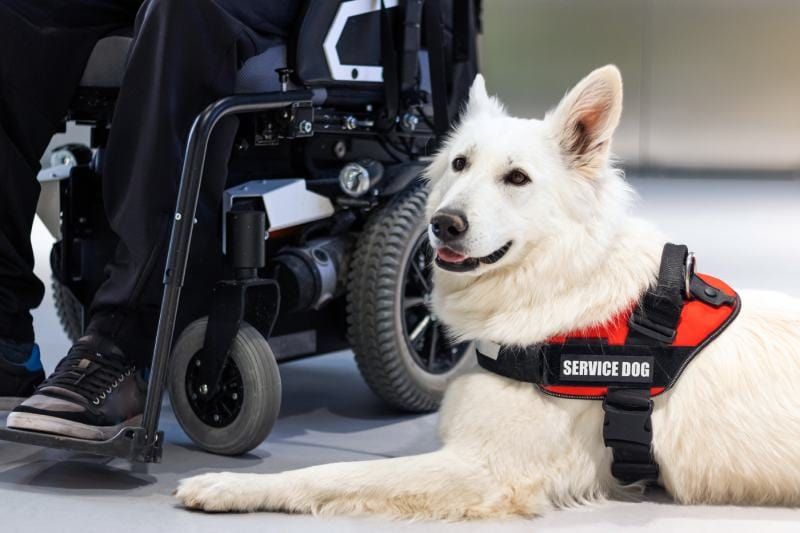
Service dogs perform a variety of tasks in support of a person's daily activities for a wide range of disabilities, such as guiding a blind person; alerting a person with a hearing impairment to the presence of a person or sound, such as a telephone or an alarm; pulling a wheelchair; recognize the specific changes that occur during an impending epileptic seizure and alert someone; and, for a person with post-traumatic stress disorder, acting as a barrier between that person and people who come too close.
Various organizations and individuals specialize in training service dogs for the disability-related tasks they have to perform—for example, guide dog schools for the blind. Many of them are well established and post information on their websites about their experience, the types of training offered and, sometimes, the service dog associations of which they are members or have received accreditation.

Are emotional support, therapy, comfort, or companion animals considered service animals under the ADA?
No. These terms are used to describe dogs who provide comfort while being with a person. Because they have not been trained to perform a specific job or task, they are not considered service animals under the law. (ADA)
If someone's dog calms them when having an anxiety attack, does this qualify it as a service animal?
A distinction is made between psychiatric service animals and emotional support animals. If the dog has been trained to sense that an anxiety attack is about to occur and to take specific action to help avoid the attack or reduce its impact, it would be considered a service animal.
Does a service dog need to be professionally trained?
People with disabilities have the right to train the dog themselves and are not required to use a professional assistance dog training program.

Are service animals in-training considered service animals?
No. Under the ADA, the dog must already be trained before it can be taken to public places. However, some state or local laws cover animals still in training. (ADA)
Conclusion
While they can look and sometimes behave like pets, service dogs are far from it. They are specially trained dogs with the skills necessary for many people with disabilities to gain independence and thrive. Theoretically, any breed of dog can be trained as a service dog. However the cost, intensity, and length of training often push many candidates off the wagon along the way.
You may also be interested in:
Sources
Featured Image Credit: 24K-Production, Shutterstock
Expert dog care, straight to your inbox
News, insights, expert advice, and everything dog.

No spam — unsubscribe anytime.
By signing up, you agree to our Terms & Conditions and Privacy & Cookies Policy.
How useful was this post?
Click a star to rate. You can leave written feedback afterwards. (We read all feedback.)
A biologist and science writer, Genevieve has a special fondness for capuchin monkeys, pumas, and kangaroos, which has inspired her to volunteer and work at wildlife rehabilitation centers in countries like Bolivia, Guatemala, Canada, and Australia. Now living as a Canadian expat in Argentina, she enjoys the sight of horses and cows outside her home office window every morning. Genevieve is the proud owner of three rescue dogs—Lemmy, Nala, and Pochi—and a lively kitten named Furiosa. She finds happiness and fulfillment in sharing her passion and extensive knowledge of animals with others.