As a veterinarian, getting to the bottom of excessive shaking and panting in senior dogs can be difficult. As the owner of a senior dog, the situation can be frightening, often leaving you wishing your dog could tell you what the problem is! There is a long list of potential causes for shaking and panting in elderly or geriatric dogs.
Some causes, such as exercise or stress, are no reason to be concerned; other causes, such as metabolic disease and canine dementia, are slow in their progression; occasionally, shaking and panting are warning signs for sinister or life-threatening diseases.

The 9 Causes of Shaking & Panting in Senior Dogs
1. Exercise
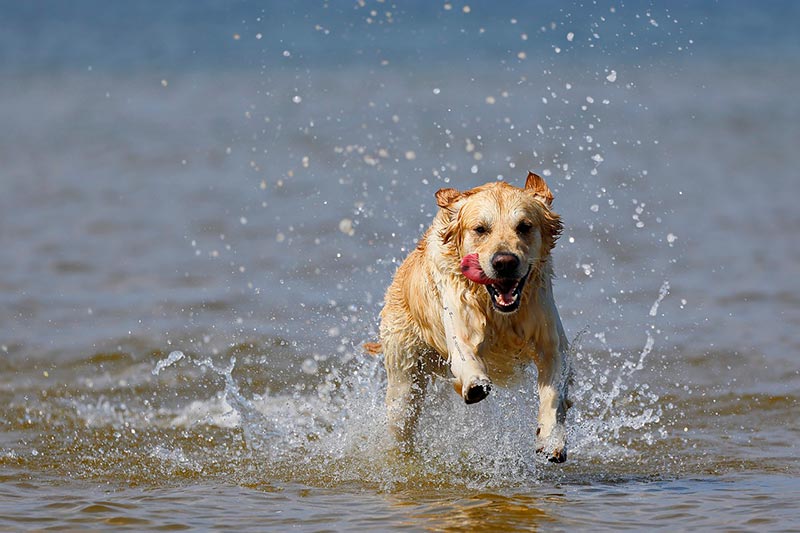
This one is pretty straightforward. Older dogs tend to take longer to recover from exercise than younger dogs. Panting is a dog’s way of cooling down. If your senior dog has been for a big walk and has spent some time panting afterward, they may just be tired and trying to cool off. Please make sure you take a break to offer them a shaded area with good ventilation and some clean, fresh water to drink.
Additionally, some dogs will shake when they get excited, as an involuntary expression of joy!
2. Pain
Dogs can’t verbalize their pain, so they often tell us in other (more subtle) ways. Vocalizing and limping are fairly obvious signs of pain, but shaking can also be related to pain. In geriatric dogs, the source of the pain is often arthritis. Arthritis is defined as inflammation in the joints and is common in older dogs due to “wear and tear”.
Some dogs will shake as a response to the pain, while others will tremble because they have lost muscular strength in their limbs with age.
3. Metabolic or Endocrine Diseases
Metabolism is the process of converting food to energy at a cellular level. Any disease that disrupts this process is termed metabolic disease. Endocrine diseases also involve hormone-producing glands that support or control metabolism. In simpler terms, think of these kinds of diseases as internal and invisible diseases. Examples include diabetes (causing high blood sugar levels), Cushing’s disease (excessive cortisol production), thyroid disorders, obesity, and many others.
The general signs of these diseases are lethargy, changes in thirst/urination, muscle weakness, weight loss or gain, as well as tremors and panting. Sometimes, for example, diabetic dogs under insulin treatment can suffer from hypoglycemia, which can result in uncontrolled shaking or tremors.
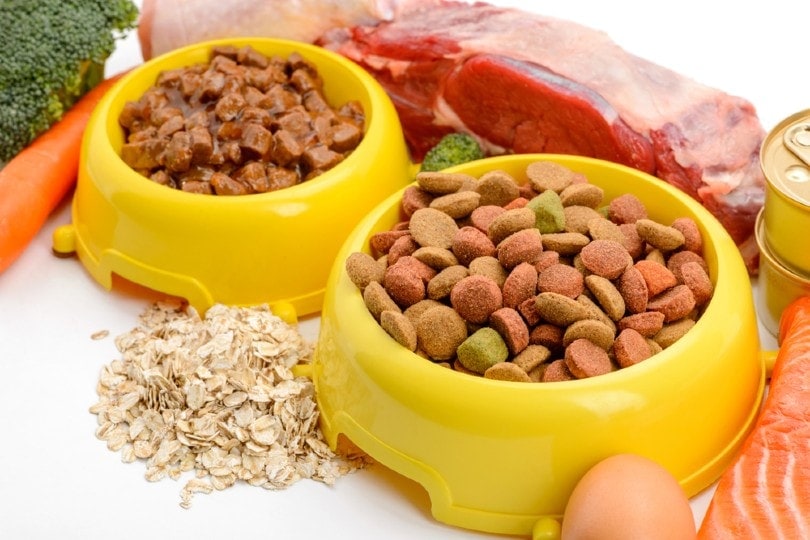
Since good health largely depends on nutrition, feeding your dogs fresh, species-appropriate food can help reduce the metabolic burden on key organs, support lean body mass, and promote more stable blood glucose levels. These foods can be a supportive option for managing or preventing the signs of metabolic disease when used under veterinary guidance.
- Raised Right’s human-grade dog food could be a good choice to support your dog’s metabolic health. Take a look at our review to learn more about their recipes.
4. Laryngeal Paralysis
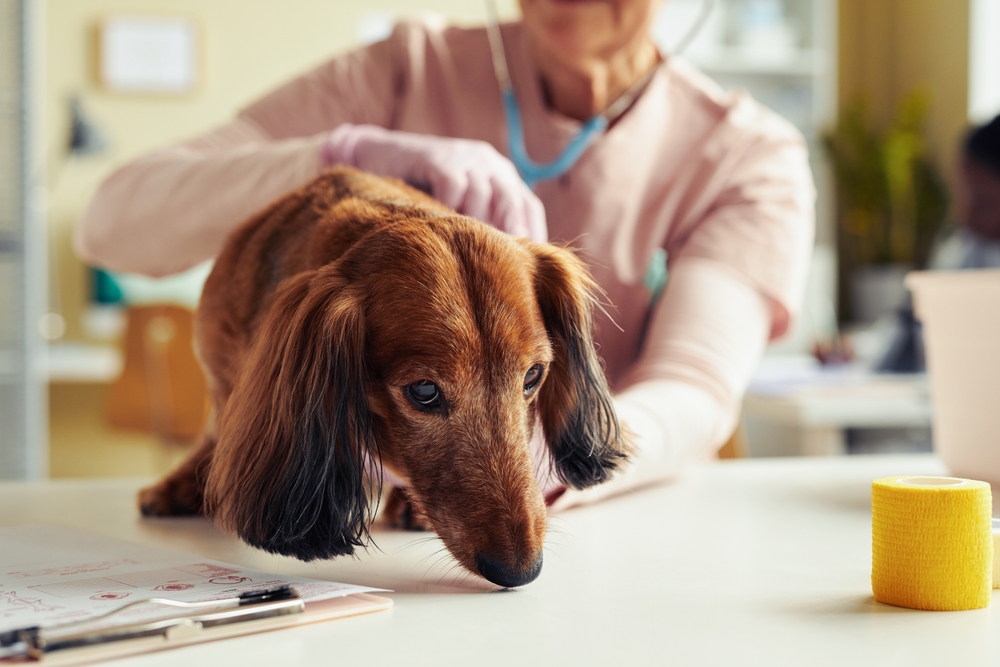
The larynx is also known as the voice box. It is made up of an intricate network of cartilage structures at the back of the throat. In addition to generating barks, the larynx also plays a role in breathing. During breathing, the larynx widens by pulling the vocal folds away from each other, opening the airway.
In some older dogs, the nerves that supply the larynx (and thus tell the larynx what to do) stop working; this is termed laryngeal paralysis. This occurs for reasons that largely remain a mystery. In dogs suffering from laryngeal paralysis, the larynx doesn’t open as wide as it should during inspiration (breathing in). This produces breathing that is obviously noisy and often progresses to panting; the stress associated with breathing difficulty may also cause dogs to shake.
5. Anxiety
Yes, dogs experience anxiety too. Dogs will pant when they’re stressed and shake when they’re anxious. Senior or geriatric dogs may also be affected by reduced vision, reduced hearing, and chronic pain. This may all contribute to increased levels of anxiety, resulting in a greater tendency for panting and shaking.

6. Canine Dementia
The technical term for dementia in dogs is Canine Cognitive Dysfunction (CCD). Dogs affected by CCD tend to be elderly when the first signs develop. Signs of this disease include reduced alertness, unusual behaviors, disorientation, increased anxiety, and restlessness. These signs often result in panting and shaking and may be particularly noticeable at night.
7. Shaker Syndrome
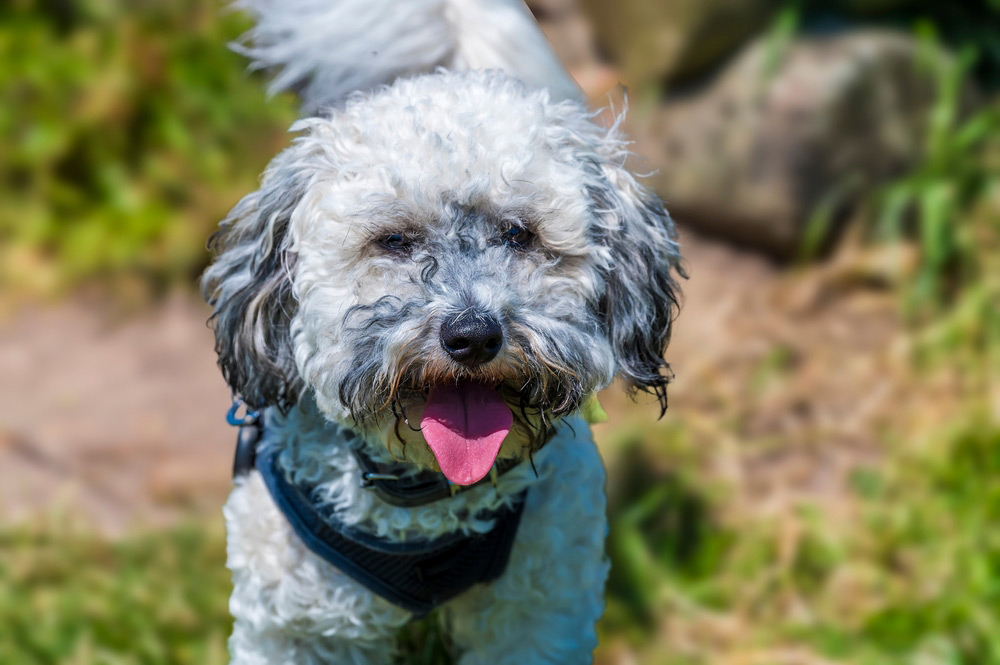
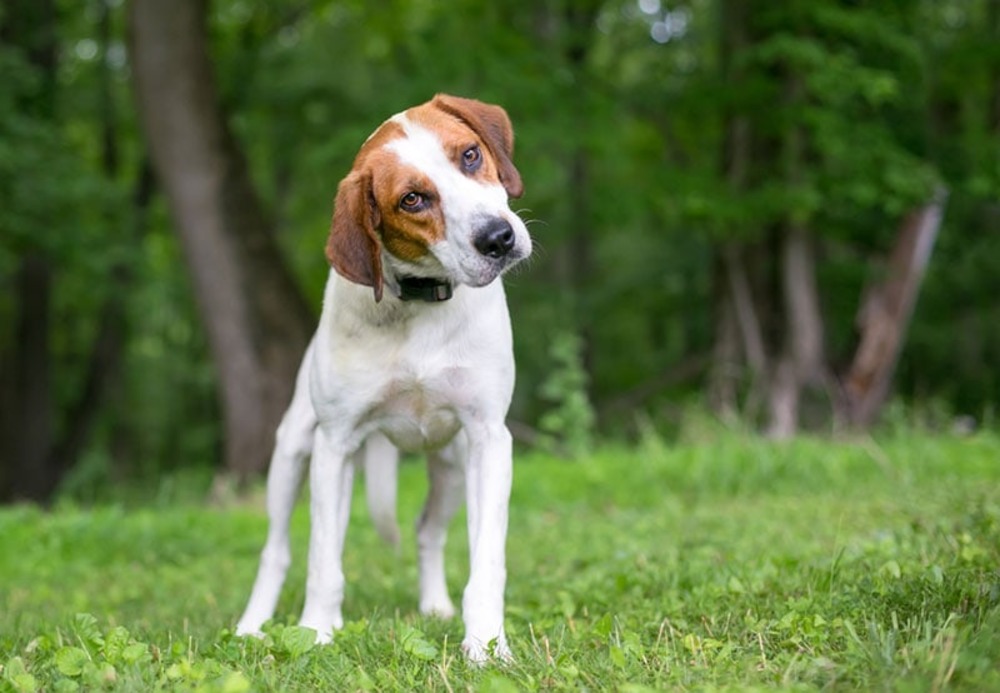
Shaker Syndrome is also known as “idiopathic tremor syndrome” and “little white shaker syndrome”. Idiopathic means “unknown cause” and “little white” is a description of commonly affected breeds. This condition results in generalized, repetitive, involuntary tremors that resemble shaking.
While most dogs develop the signs in the first few years of life, the shaking can persist into old age. This syndrome is difficult to diagnose, as no definitive test exists, but is readily treated with steroid tablets (prednisone).
8. Neurological Disease
Neurological disease involves the brain, spinal cord, or nerves. Dogs with brain disease may experience tremors and/or seizures. Elderly dogs can also be affected by a strange disease called geriatric idiopathic vestibular disease (GIVD): “geriatric” meaning elderly, “idiopathic” meaning unknown cause, and “vestibular” referring to the vestibular apparatus, which is the region of the brain and inner-ear responsible for balance.
Dogs suffering from GIVD may pant and shake as a result of the distress, disorientation, and vertigo they are experiencing.
9. Toxins
Many dogs will eat things they shouldn’t. Some foods or products may cause a mild gut upset—think table scraps, cat food, or rubbish contents. Other things can cause tremors or shaking. Common offenders include chocolate, xylitol (an artificial sweetener), spoiled food, moldy compost, insecticides, and certain medications.
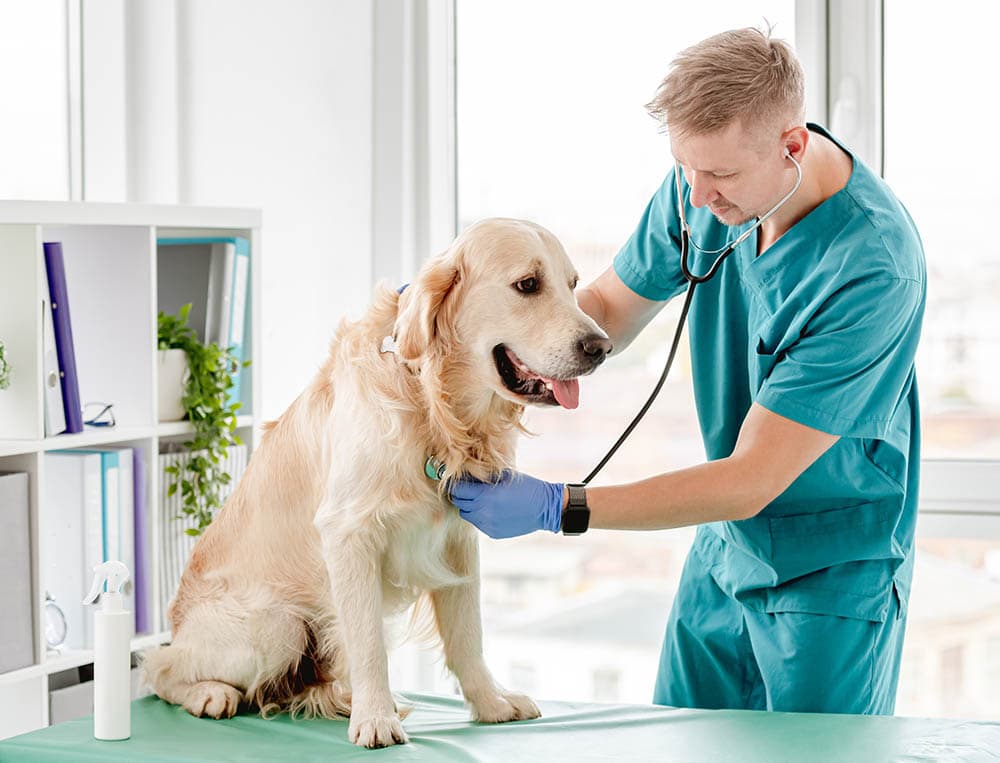
If you’re concerned about your dog’s health, we suggest you speak to a vet.
If you need to speak with a vet but can't get to one, head over to PangoVet. It's our online service where you can talk to a vet online and get the advice you need for your dog — all at an affordable price!

Conclusion
Generally speaking, if your senior dog is panting and shaking, it’s best to contact your vet sooner rather than later. Early veterinary attention almost always leads to the best outcome for your dog and your family. You know your dog better than anyone—if their shaking or panting seems abnormal, arrange to have them checked over by a vet.
In the best-case scenario, there will be no concerns, and your mind will be at ease. If medications or further testing are required, you can discuss these with your vet.
Featured Image Credit: Nicola Pulham, Shutterstock
 The 9 Causes of Shaking & Panting in Senior Dogs