In this article
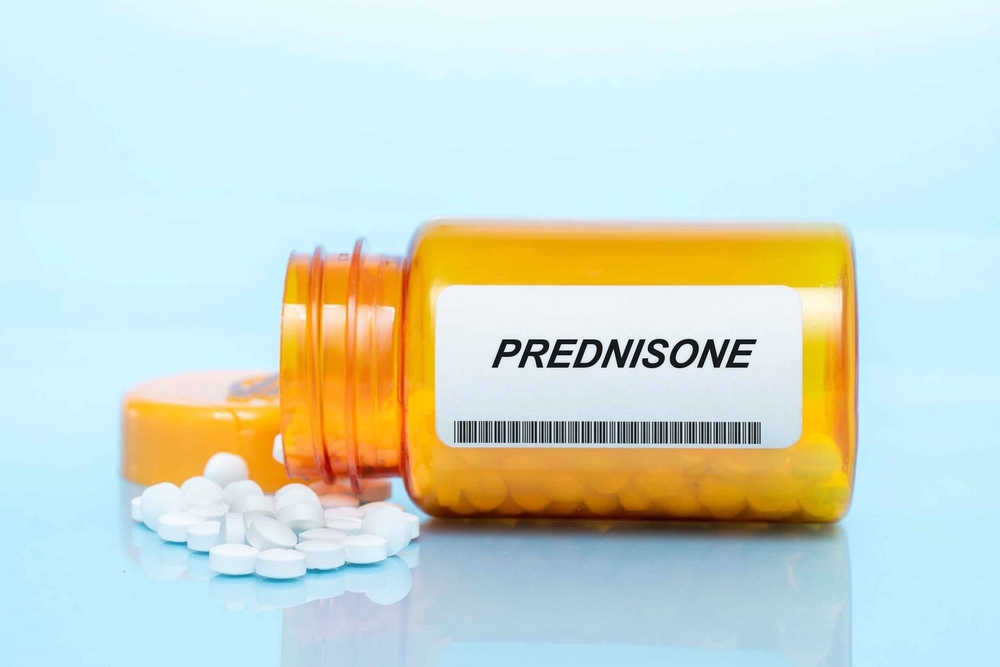
View 4 More +Prednisone is common in both human and veterinary medicine. It’s useful for various ailments, from itchy skin to cancer treatment. While it may work wonders for many conditions, there are a few things to be aware of when giving this medication to canines. Read on to learn about the use of prednisone in dogs, the side effects, and proper doses.

What Is Prednisone?
Prednisone, also known as PrednisTab or Deltasone, is a type of steroid called a glucocorticoid. It is a human-made version of cortisone, which is naturally produced in a dog’s body. Prednisone is widely used because it is a great multi-tasker that can do multiple things in the body. It is typically prescribed for dogs for three main reasons:
- Inflammation: Prednisone is a potent anti-inflammatory. It can help reduce pain and discomfort due to all sorts of inflammatory conditions, including osteoarthritis, allergies, itchy skin, asthma, and inflammatory bowel disease.
- Immune suppression: Sometimes, a dog’s immune system can get slightly out of control, leading to autoimmune diseases like autoimmune hemolytic anemia or lupus. Prednisone helps treat these diseases by dampening the immune system to reduce signs.
- Replacement therapy: Addison’s disease, or hypoadrenocorticism, occurs when a dog’s body doesn’t produce enough cortisol and other steroids. It can affect nearly every bodily function. Affected canines need regular doses of prednisone to make up for the loss of these hormones in the body
How Is Prednisone Given?
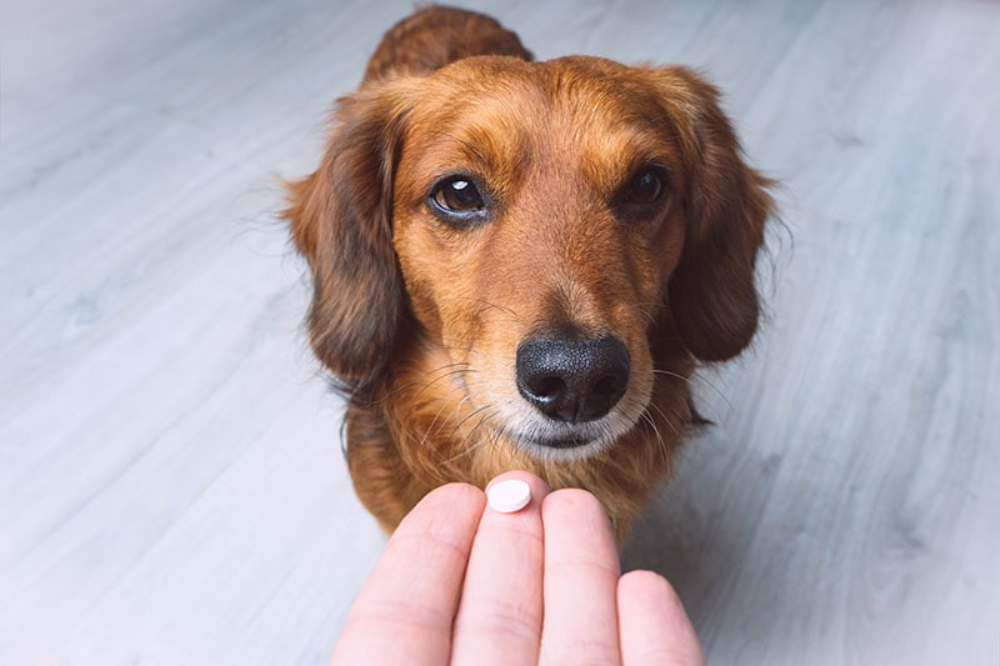
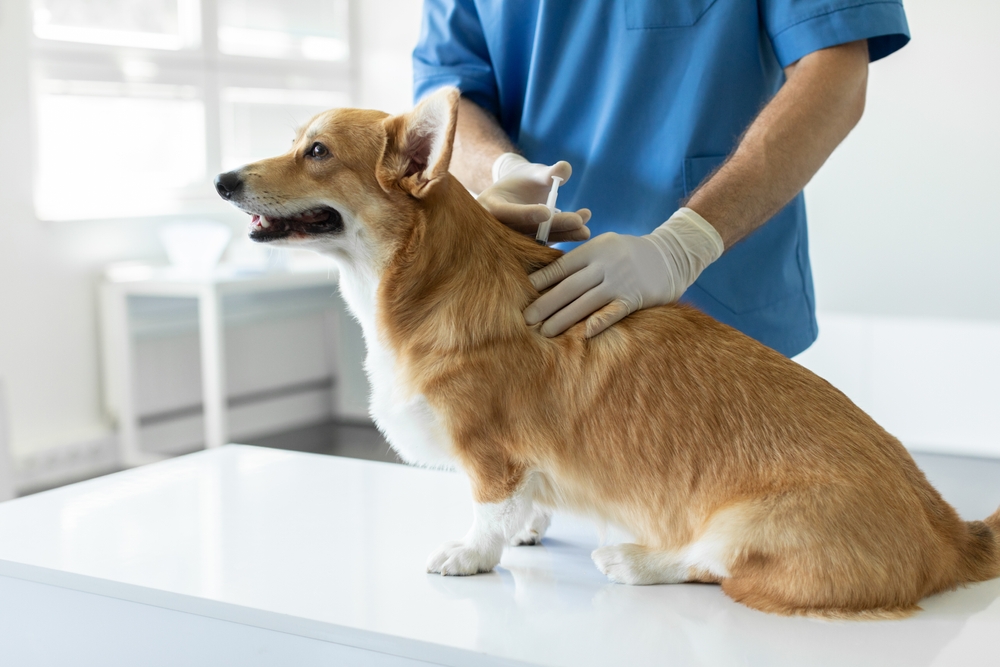
To give prednisone to your pup, you have a few different options. The most common are pills or a liquid. Your vet can also give your dog an injection at the clinic to quickly get the medication into the body. At home, you may give them prednisone once or twice a day, every other day, or a couple of times a week. It’s variable depending on what you’re trying to treat.
For certain conditions, such as itchy skin, your vet may recommend that you give prednisone at a higher dose at first, then taper it down to a lower dose that still achieves the same results. They will also generally advise you to reduce the dose when finishing treatment. Again, this is all highly variable, so be sure to pay attention to your vet’s instructions, and don’t be afraid to ask questions.
What Happens If You Miss a Dose of Prednisone for Your Dog?
Since the dose and frequency of prednisone can be variable, it’s important to follow the directions. However, even with the strictest eye, it’s still possible to miss a dose. If that’s the case, there’s no need to worry. Just give the next dose as soon as you remember it. If it’s getting close to the time for your dog’s next dose, skip the missed one, and give the prednisone per the normal schedule. You simply want to avoid doubling up on a dose within 24 hours.
Potential Side Effects of Prednisone in Dogs
Prednisone may be helpful for nearly every ailment that a dog may have, but it’s not magic. Giving prednisone to your pet can have side effects. Those are generally mild when the medication is given at a normal dose and may include:
- Increased appetite
- Increased drinking
- Increased peeing
You may notice a significant uptick in your dog’s appetite, which can make them beg more and devour their food. You can help satiate your ravenous pup by breaking their daily food amounts into multiple small meals and offering them dog-safe vegetables as snacks between meals.
Long-term use or high doses can increase the severity of side effects, so if your dog shows any of these signs, be sure to contact your vet:
- Panting
- Vomiting
- Diarrhea
- Behavioral changes
A severe potential side effect of prednisone is gastrointestinal ulceration, which can have signs of:
- Bloody vomit
- Bloody or black poop
- Inappetence
Excess amounts of prednisone can even lead to Cushing’s disease, where the body has too many steroids. Cushing’s may present with:
- Lethargy
- Poor hair coat
- Weight gain
- Potbelly
- Muscle wasting
Anything out of the normal can be alarming when your dog is taking prednisone, so be sure to talk to your vet if you’re concerned.
If you need to speak with a vet but can't get to one, head over to PangoVet. It's our online service where you can talk to a vet online and get the advice you need for your dog — all at an affordable price!
Frequently Asked Questions (FAQ)
How Long Does It Take for Prednisone to Help a Dog?

For most dogs, the effects of prednisone start to be noticeable within 1–2 hours of taking it. Of course, that time can vary depending on the condition being treated, but you should still start seeing benefits after a few hours. That may mean less scratching or limping fairly quickly. Prednisone stays in a dog’s system for only about 24 hours.
Can I Stop Giving Prednisone to My Dog After 2 Days?
Even though your dog may feel better almost immediately when taking prednisone, it’s not something that you want to stop short on. While it can decrease your dog’s signs rapidly, you still want to give prednisone a chance to work on the root of those signs. It’s also typically recommended to taper off the dose of prednisone rather than ending it abruptly.
Does Prednisone for Dogs Make Them Sleepy?
Prednisone typically makes dogs restless rather than sleepy, but that doesn’t mean it can’t happen. If your dog seems to be extra sleepy after starting prednisone, speak to your vet.

Should I Limit My Dog’s Water Intake While They’re on Prednisone?
One of the side effects of prednisone can be increased water intake, with a consequential increase in peeing. While you may be tempted to limit how much water they drink so you don’t have to let them out as often, don’t do that. Water is essential, and your dog should be able to have as much as they want unless you’ve been instructed otherwise by your vet.
Conclusion
Prednisone is a common medication given to canines for everything from cancer, itchy skin, and pain to autoimmune diseases. Doses and frequency can be tricky to manage, though, so be sure to follow your vet’s instructions to avoid potentially severe side effects. While it’s typically normal for a dog to want to eat and drink more while they’re on prednisone, watch out for bloody vomit or poop, lethargy, or weight gain.
See also:
- Ursodiol For Dogs: Usage, Dosage & Care
- Ursodiol for Dogs: Our Vet Explains the Usage, Dosage & Care
Featured Image Credit: luchschenF, Shutterstock