Pet Emergency Kit Checklist: 15 Vet-Approved Items to Be Ready


In this article
Millions of Americans are displaced every year due to events like hurricanes, tornadoes, and floods. Planning and preparation are becoming even more critical to ensure everyone’s safety should the worst occur.
As you pull together your emergency plan, you can’t forget about your four-legged family members. Protecting your loved ones through unthinkable circumstances can be uncertain, challenging, and all too scary, but you can significantly improve your peace of mind by preparing this pet emergency kit checklist today.

Pet Emergency Kit Checklist
The 15 Essential Emergency Items
1. Water and Food Bowls

Non-spill food and water dishes should be ready to go at a moment’s notice. Collapsible bowls are more convenient to transport, but you must ensure they’re sturdy enough for several days of use.
2. 1–2 Weeks of Food and Water
FEMA recommends keeping at least three days’ worth of food and bottled water, allotting a gallon for each person daily. To play it safe, you should put aside at least 1–2 weeks of food and water.
Keep an extra bag or two of dog food and work them into your pet’s rotation as their food runs out, ensuring you’ll always have a fresh emergency supply. Add a can opener to your pet emergency checklist if you use canned food.
3. Flea, Tick, and Heartworm Medicine

Dogs should have at least a 30-day supply of preventatives for heartworms, fleas, and ticks.
4. Medications
Ailing dogs could risk severe outcomes and potentially die due to missing medications. Your pet emergency kit checklist must highlight your pet’s current medications, dosage information, instructions, and any application tools.
5. Important Documents

Maintain critical documents for your dog in an organized, water/weatherproof holder. Having these ready will make identifying and boarding your dog much easier, as you can provide all the necessary information at a moment’s notice. Essential documents and materials include:
- Recent photos of you with your pet and their written physical description, in case you get separated
- Registration or adoption records to prove ownership
- Medical history and vaccination records
- Feeding and medication schedule and a list of allergies, current illnesses, and behavioral issues if you must board your pet
6. List of Emergency Contacts and Boarding Services
You may not be able to care for your dog during an emergency. Most disaster shelters, hotels, and other temporary solutions have pet restrictions, potentially putting you in a sticky situation if you live in an area with limited options. Maintain an updated list of trusted friends and relatives who can watch your dog or local facilities and vets who can board your dog temporarily.
7. Leash
While a solid recall should be part of your training regimen, you mustn’t rely on it in an emergency. Keep a 6-foot leash available to attach to your dog’s harness to keep them safe and under control.
8. Harness

A harness puts less pressure on the neck than a collar, potentially preventing injury during a stressful event like an evacuation. Many also have the added benefit of handles on top to make the dog easier to lift into a vehicle and secure for transport.
9. Muzzle
Since your dog can become understandably anxious and fearful during an emergency, you should consider a muzzle even if they do not typically need one. Do not wait until an emergency to put it on for the first time. You should train your dog to accept it, creating a positive association with wearing it so they can put it on quickly and effortlessly when needed.
10. Collar and ID Tags
Although leashing to a harness will be more comfortable and less aggravating to the neck than a collar, you’ll still need a secure and more permanent place to hold ID tags. Ensure your dog has updated tags with your address and contact information in case you are separated. Also, consider a microchip for the same purpose.
11. Crate

A crate may be vital for controlling your dog and keeping them calm. Use a portable design with secure doors and convenient carrying features, sizing it for your dog to stand and lay down comfortably. As with their usual crate, you should train your dog to become comfortable with the travel crate before you need it.
12. Bedding and Blankets
Make your dog’s crate comfortable with clean bedding, pillows, and blankets. Having a warm, safe, and cozy space to settle into will help your dog stay calm during an emergency and give you an easier time transporting them.
13. Toys
Supply a selection of chews, plush toys, tug ropes, and other favorite items to comfort your dog and keep them busy. A mentally occupied dog can better handle the distress of an emergency, making them more manageable as you follow your crisis plan.
14. Cleaning Supplies

Keeping your dog clean isn’t always at the top of your mind when running through a pet emergency checklist, but cleaning supplies can keep a difficult situation from worsening exponentially. Keep essentials like paper towels, trash and dog waste bags, dish liquid, and disinfectant in your kit to handle any messes on or around your dog.

- Gentle Care For All Pets - Infused with moisturizing hypoallergenic ingredients & enriched with cucumber & aloe fragrance for healthier fur, coat & skin, the ultimate dog and cat cleaning wipes
- Deep Cleans From Head to Tail - Tackle the toughest dirt & messes with our extra strong pet wipes for dogs, cats and other pets while being gentle on sensitive areas like the face, ears, butt & paws
- Freshness On The Go - Each dog grooming wipes pack contains 30 counts of premium dog wipes that leaves your pets fresh. Packed in resealable packaging, keeping the cat wipes fresh & ready whenever
Whether your dog needs a quick refresh or cleanup of a sensitive area, pet-safe wet wipes are a convenient and on-the-go option, since keeping your dog clean doesn't have to mean giving them a full bath. We like Hepper's Wash Wipes because they're specially formulated to be safe for dogs of all ages, sizes, and breeds. The hypoallergenic formula contains natural, moisturizing ingredients that effectively remove dirt without irritating your dog's skin.
At Dogster, we’ve admired Hepper for many years, and decided to take a controlling ownership interest so that we could benefit from the outstanding products of this cool pet company!
15. First Aid Kit
Injuries may be more common amid a disaster, so you must maintain a first aid kit for your pets. A dog emergency first aid kit should have all the essential cleaners, covers, and tools, such as:
- Gauze pads
- Cotton swabs
- Adhesive tape
- Tweezers
- Antibiotic spray or ointment
- Oral syringe
- Alcohol wipes
- Styptic powder
- Saline solution
- Disposable gloves
- Digital thermometer
- Blunt-ended scissors
Check your kit every few months. Everything must be well-stocked and updated according to your dog’s needs, and you should pitch anything that passes its expiration date.
Preparing Your Pet for an Emergency
Keep your pet’s emergency kit with your family’s emergency kit in an area where you can quickly grab it and leave. After getting everything together, however, you’re only halfway through preparing your pet for an emergency. The following are a few crucial tips for planning for your pet’s safety should a disaster strike.
Update Your Dog’s Microchip
Have your vet scan your dog’s microchip to see if the information is up to date in the relevant database. If you lose your pet, anyone with a scanner at a shelter or vet’s office can easily access that information and contact you.

Prepare a List of Pet-Friendly Stays
Since disaster shelters and many hotels don’t allow pets, you must keep a list of potential safe places to stay. Look into kennels and vet offices that offer boarding and ask local shelters if they have an emergency shelter plan for pets. Investigate pet policies at nearby hotels to find those that will accommodate your dog’s breed.
Plan for Emergencies with Friends, Family, and Neighbors
Work out a support plan when you need help watching your pet. As you look for friends and family who may be willing to watch your pet if you’re in a bind, you should also form a plan with a trusted individual to pick up and transport your pet to you in case of an emergency. If you’re not around when problems occur, you can plan to have your friend drop your dog at a designated meeting point.

Place a Pet Alert Sticker in the Window
Keep a pet alert sticker or handwritten note on an outside door of your home to let rescuers know if there are pets inside. Provide the number of pets, their species and names, and their locations in the house. Keeping a list with your emergency kit will also simplify the evacuation for a friend who is picking up your pets if you aren’t home.
Walk Through the Plan Before an Emergency
Run through the emergency plan to ensure everyone knows their place and role. Family members should know where to meet when a warning is issued so you can account for everyone, with someone responsible for bringing pets inside, double-checking the emergency kits, and calling ahead to pet-friendly safe places to make reservations.
Conclusion
Although all of America’s pet owners face the threat of natural disasters, not many plan accordingly. With so much at stake, a good move is to hope for the best and plan for the worst. While there’s no avoiding all the stress and worry that comes with unexpected circumstances, maintaining a pet emergency kit checklist can make all the difference in how you and your dog weather the storm.
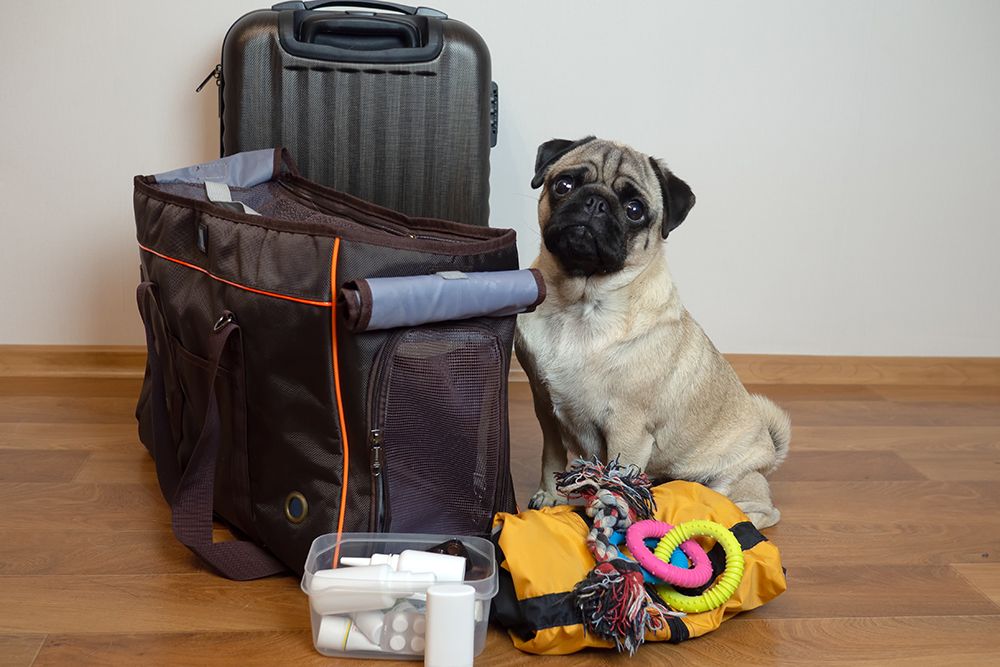
Featured Image By: Yekatseryna Netuk, Shutterstock
Expert dog care, straight to your inbox
News, insights, expert advice, and everything dog.

No spam — unsubscribe anytime.
By signing up, you agree to our Terms & Conditions and Privacy & Cookies Policy.
How useful was this post?
Click a star to rate. You can leave written feedback afterwards. (We read all feedback.)
Nicole has loved animals of all sizes her whole life so it's no wonder she has dedicated her career to helping them through what she loves best: learning, writing, and sharing knowledge with others. She’s the proud mom of two dogs, a cat, and a human. With a degree in Education and 15+ years of writing experience, Nicole wants to help pet parents and pets around the planet to live happy, safe, and healthy lives.