Emergency Dog Food: What To Keep In a Survival Kit


In this article
Disasters are unpredictable, and the safety of our beloved canine companions is paramount during these critical times. Thankfully, preparedness goes a long way in ensuring the well-being of our furry friends. So, if you’re wondering what to put in a survival kit for your dog, you’ve come to the right place.
Today, we’re sharing our all-inclusive guide on how to prepare a survival kit for your dog in the event of an emergency. We will also conclude with essential tips on keeping your pet healthy and safe during these tumultuous times.

Updated Identification for Your Dog
Every dog must have up-to-date identification. A sturdy collar with an identification tag that contains your dog’s name, your name, address, and contact number is vital. About 100 words should be written on this tag to maximize readability. This can be extremely helpful in identifying your pet in case you get separated during an emergency.
Another important aspect of identification is microchipping. Microchips, small electronic devices implanted under your dog’s skin, carry all the essential information about your pet and you. It’s crucial to keep this information always updated, especially when disaster strikes.

The 5 Things To Prepare a Comprehensive Disaster Kit
It’s important to remember that preparation is key to ensuring the safety of your dog during a disaster. Taking a proactive approach can give you the edge needed in a survival situation. But what exactly should you pack? Here are the steps to follow:
1. Dog Food & Water Supply
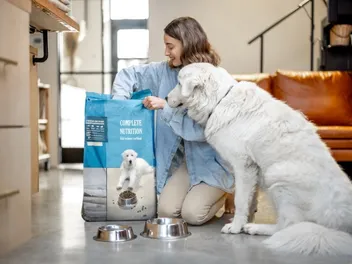
A supply of pet food enough to last for at least a week should be part of your disaster kit.
Canned Dog Food: Canned dog food is an essential component of your dog’s emergency food supply. Its long shelf life and high moisture content make it an excellent source of hydration.
Opt for high-quality canned food, rich in proteins, fats, and essential vitamins, to keep your dog healthy and energetic. Always check the expiration dates and replace them as needed to ensure freshness.
Dry Dog Food: Alongside canned food, pack a good supply of dry dog food. Its lightweight and easy-to-carry nature make it an ideal emergency food source.
Moreover, it can double as training treats during stressful times. Choose a brand that offers balanced nutrition and remember to pack it in a resealable bag to maintain freshness.
Water Supply and Purification Tablets: Water is a critical part of your dog’s survival kit. A dog requires approximately an ounce of water per pound of body weight each day. Therefore, include enough bottled water to meet your dog’s needs for at least a week.
In situations where access to clean water may be limited, water purification tablets are invaluable. They can purify water from any source, making it safe for your dog to drink.

2. First Aid Kit
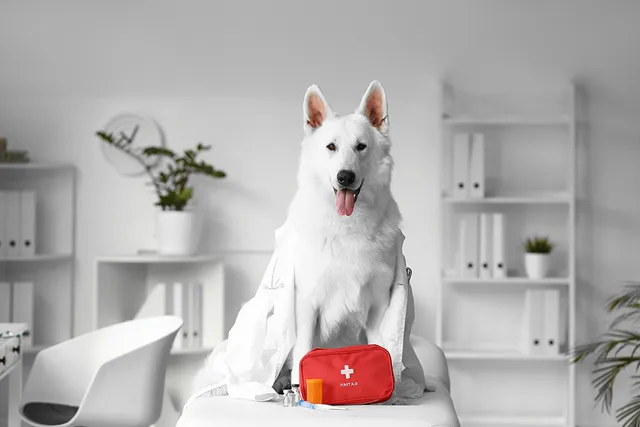
Prepare a first aid kit that includes bandages, tweezers, antiseptic wipes, a pet-safe disinfectant, and a digital thermometer. Knowledge of basic first aid procedures is also beneficial. It can make a big difference in the safety of your pet during a disaster.
3. Medication & Health Records
Include a two-week supply of any medication your dog may require. Also, keep a copy of your dog’s health records in a waterproof bag. Many shelters and boarding facilities require proof of vaccination and other health information.

4. Travel Crate or Carrier
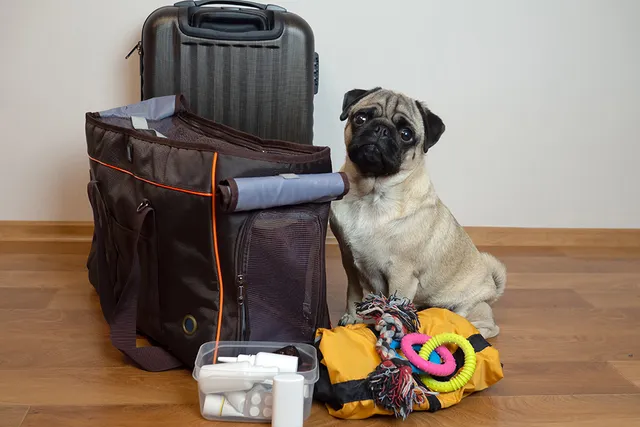
A travel crate or carrier is essential in case of evacuation. The carrier should be sturdy, secure, and large enough for your dog to stand, turn around, and lie down comfortably.
5. Comfort Items
Remember to pack a familiar blanket, treats, chew toys, and a leash. These items can provide comfort to your dog during stressful times and help keep them calm and occupied. If your dog tends to go through toys quickly, try to invest in indestructible ones. This is better than packing several, as it will take up less space.

Preemptive Measures: Planning Ahead for Emergencies
Preparation doesn’t end with a disaster kit. Knowing what to do when disaster strikes is equally important. Make a plan and rehearse it regularly, so when an emergency occurs, you and your pet are ready!
Buddy System
Develop a buddy system with a trusted neighbor or friend. This system comes in handy when a disaster occurs while you are away from home. Make sure they have a key to your home and are familiar with your pet.

Safe Havens
Identify shelters, boarding facilities, animal hospitals, and pet-friendly hotels in advance. This helps to ensure a safe space for your pet during an evacuation.
Safe Spaces at Home
Depending on the nature of the disaster, evacuating might not be the best or safest option. Therefore, identify safe places at home where your pet can take refuge.

Navigating the Aftermath of a Disaster
After a disaster, it’s crucial to keep your pet safe and help them readjust to their regular routine. These steps are in addition to the previous steps outlined. If you’re unable to incorporate every step, do what you can. A few is better than none at all.
Maintaining Control
In the immediate aftermath, maintain control of your pet. Don’t let them roam free, as they could get lost or injured in the altered environment. Depending on the type of disaster, this could include cutting their paws on broken glass, falling into a hole that previously wasn’t there, and so on.
Readjustment
Try to get your pet back to their normal schedule as quickly as possible. This includes regular feeding times, walks, and playtime. Doing so can make a big difference in your pet’s stress levels.

Tips for Keeping Your Pet Healthy & Safe
The safety and well-being of your pet extend beyond disaster preparedness. Here are a few tips to help keep your dog healthy and safe:
If you’re able to implement these tips into your emergency situation, all the better. The more you can care for your canine companion, the better chance it will have of survival.
In Conclusion
Preparing for disasters with your pet in mind can make a significant difference in ensuring their safety during tumultuous times. This comprehensive guide aims to help you know exactly what to put in a survival kit for your dog. By taking these steps, you can be assured you’re giving your dog the best chance of staying safe during a disaster.
Featured Photo Credit: Tanya Dol, Shutterstock
Expert dog care, straight to your inbox
News, insights, expert advice, and everything dog.

No spam — unsubscribe anytime.
By signing up, you agree to our Terms & Conditions and Privacy & Cookies Policy.
How useful was this post?
Click a star to rate. You can leave written feedback afterwards. (We read all feedback.)
Nicole has loved animals of all sizes her whole life so it's no wonder she has dedicated her career to helping them through what she loves best: learning, writing, and sharing knowledge with others. She’s the proud mom of two dogs, a cat, and a human. With a degree in Education and 15+ years of writing experience, Nicole wants to help pet parents and pets around the planet to live happy, safe, and healthy lives.