How to Save Time at the Vet? 7 Vet Reviewed Tips for a Swift Visit


In this article
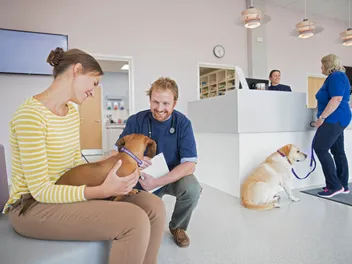
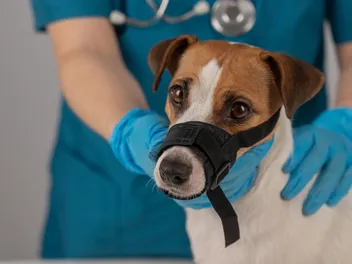
Vet appointments can be a time-consuming affair that is also often stressful for dogs. Dogs don’t enjoy sitting in waiting rooms and typically just want to get out as quickly as possible. Fortunately, you can do some things to cut down on the amount of time you spend at the vet clinic. In some cases, you may not even need to go to your vet at all.
We have some time-saving tips that will also make your vet appointment more convenient and hassle-free. Here are some ways you can reduce the amount of time you spend at the vet clinic and ensure you and your dog are out in record time.

Top 7 Tips for Saving Time at the Vet
1. Speak to an Online Veterinarian
One of the best ways to save time is to use an online veterinary care service or a vet telehealth app. While vet telehealth services aren’t meant to replace traditional vet appointments, they can help you save a lot of time in certain scenarios. Online vets can answer general health and nutrition questions and can let you know if your dog requires an in-person appointment with a vet or if they just need at-home care.
Overall, online vets and vet telehealth apps can help you save time by cutting waiting room times and transportation times. They can also prevent unnecessary vet office visits by informing you if your dog’s case requires a more thorough examination or intensive veterinary care.
2. Fill Out Paperwork Ahead of Time
Most veterinary practices have paperwork they’ll send to their clients before their appointment date. Their paperwork typically consists of intake forms, consent forms, and other general documents.
Some of these forms can be thorough and take some time to fill out. So, it’s best to complete them beforehand. This will enable you to turn them in without any hassle and keep all your attention and focus on your dog on the day of the appointment.
3. Confirm Appointments in Advance
Some veterinary practices send reminders and ask clients to confirm their appointments a couple of days before the appointment date. Confirming your appointment benefits clients because it enables the vet office staff to prioritize and fully prepare for their visit. They will be able to pull medical records and refer to them more quickly. They’ll also be able to prepare vaccinations and medications so that they’re readily available and can be administered efficiently.

4. Bring Previous Medical Records to First-Time Appointments
If you have a new dog or are switching veterinary practices, bring any of your dog’s previous medical records to the new practice. This will provide your new vet with a more complete health history of your dog, which will enable them to provide better care for your dog. If you don’t have a copy of your dog’s past medical records, you can request them from your previous vet, your dog’s breeder, or your dog’s adoption center.
5. Come Prepared With Questions
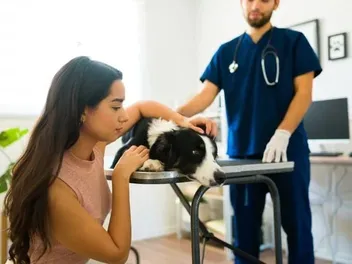
Vet clinics run on a tight schedule, so it’s extremely helpful for vets when you come prepared with questions. You can point out any concerns you have about your dog, and your vet can examine these areas of concern on the spot and determine if your dog requires additional care or treatment.
Not only do prepared questions receive quick answers, but they can also help save time after the appointment. When you come prepared with questions, you’re less likely to make follow-up calls or send emails with any questions you may have forgotten to ask during the appointment.

6. Schedule Drop-offs if Available
Some veterinary practices offer pet drop-offs and pick-ups for people who have to work or have other obligations. This option is usually only available if the practice has enough kennels open on the day of your appointment. You can drop the pet off on your way to work, your vet can examine them at some point during the day, and they can stay in one of the kennels until you get off from work and can pick them up.
If your vet offers drop-offs, make sure to secure a spot well in advance to ensure the clinic can accommodate your dog during their extended stay.
7. Stay on Top of Appointments
Staying on top of annual exams, medications, and other routine preventative care can help you save time in the long run. Adequately managing your dog’s health care needs has a positive impact on your dog’s overall wellness, which can lower the risk of them developing certain chronic health issues and complications. This means that your vet office visits will be quicker and won’t require follow-up appointments or extra diagnostic tests.


How Long Do Annual Checkups Take?
Standard annual examinations typically take about 15 to 30 minutes without factoring in waiting room times. Some dogs may require longer appointment times. For example, new puppies may take up more time because they need more thorough physical exams and have to follow a DHPP (vaccines for distemper, hepatitis, parainfluenza, and parvovirus) vaccine schedule. Older dogs with chronic health issues also usually require more time and attention during their exam, as vets must check for disease progression and determine if any medication changes are necessary.

What Do Veterinarians Do During Checkups?
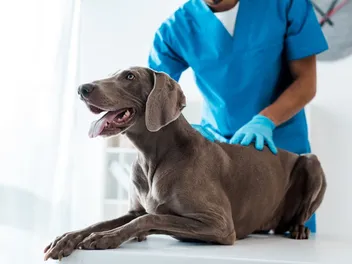
Vets will run a full physical exam on your dog. This typically includes recording your dog’s weight and assessing their body condition, taking their temperature, listening to their heart and lungs, and checking their body for any abnormalities. Vets may also do blood work and administer a rabies vaccine and other relevant vaccines. Some vets may request dog owners to bring fecal samples to check for intestinal parasites.

Final Thoughts
Try to do as much as you can before your vet appointment. Fill out forms and prepare questions beforehand so that you’re not spending extra time at the vet clinic. If you’re not scheduling your dog for a routine exam, you may be able to get the information you need by consulting an online veterinarian.
Keep in mind that being organized and prepared won’t just make appointments go by faster. It’ll also make the experience less stressful and hectic for both you and your dog.
Featured Image Credit: Krakenimages.com, Shutterstock
Expert dog care, straight to your inbox
News, insights, expert advice, and everything dog.

No spam — unsubscribe anytime.
By signing up, you agree to our Terms & Conditions and Privacy & Cookies Policy.
How useful was this post?
Click a star to rate. You can leave written feedback afterwards. (We read all feedback.)
Jessica is a freelance writer who spends bigger part of her day researching and writing while her furry companion Cavapoo, Nora, snoozes beside her. She loves dogs, pets and animals because there’s so much to learn from them, and they do so much for us. As a dog mom, she understands the strong connection that pet parents have with their pets. So, she loves sharing helpful information that pet owners can use to better understand their beloved pets. When she isn't writing, you may find her walking dogs, tending to her plants, or drinking her nth cup of coffee.