How to Introduce a Puppy to Cats: 7 Vet-Verified Tips


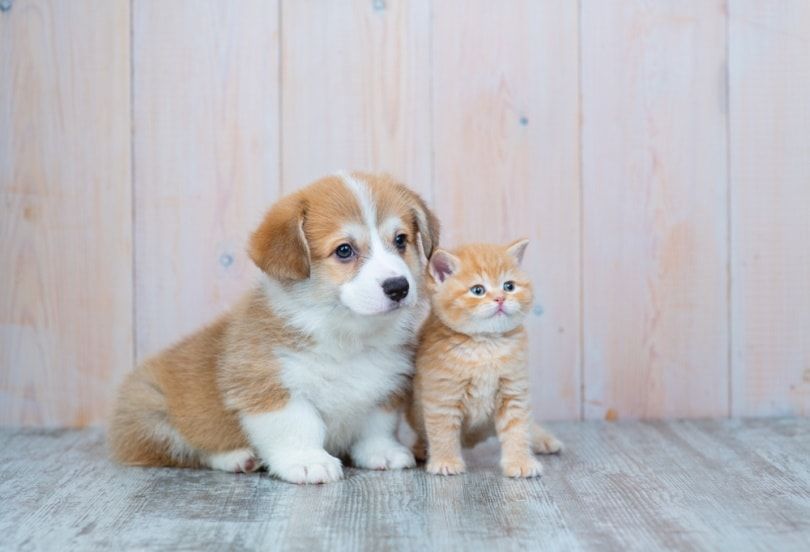
Getting a new puppy is an exciting time for any pet owner. However, if you already have cats, it also means that you now have to introduce your new puppy to your feline.
Introducing the puppy to cats correctly is vital for helping them get along well throughout their lives. Puppies are best socialized when they are young, as this is the most suitable time for them to learn how to act appropriately around other animals. Therefore, if they aren’t taught how to act around cats properly, it can lead to challenges later in life
Luckily, a successful introduction isn’t necessarily complicated. You can introduce your puppy to cats with a few pointers.

The 7 Tips to Introduce Your Puppy to a Cat
1. Assess Your Puppy’s Temperament
First and foremost, you should assess your dog’s temperament. Some breeds may be more predisposed to getting along with cats than others, although individual personality plays a major role. If your puppy’s breed isn’t prone to chasing cats, you may have an easier time introducing them, though supervision is still important.
On the other hand, if your puppy is from a hunting breed, they may see cats as prey animals to chase. These puppies can sometimes get along with cats despite this when trained from an early age and supervised. However, they will need extra patience and care to accomplish it.
Of course, there are a lot of variances within each breed, too. Some puppies tend to chase everything, while others are more laid back. These small differences can mean a lot when you’re trying to introduce your dog to cats.

2. Prepare Your Home
When you first bring your puppy home, you’ll want to confine the puppy to a single space. This helps the puppy get used to their new home without having the extra complication of the cat. It’s best not to give your puppy free rein of the house at first.
You want most of your puppy’s needs met in this confined area. Preferably, the area should have direct access to the outside for potty training purposes. However, this isn’t necessary.
It’s often easiest to close the door to your puppy’s room and keep it closed throughout the introduction. However, some people confine their puppies in rooms that may not necessarily have doors, such as in the kitchen. You can use a baby gate or a puppy playpen to keep your puppy in this area.
Furthermore, you should ensure your cat has everything they need away from the puppy. You may want to invest in a second litterbox if you only have one so your cat can always get to one—even with a puppy running around.
3. Start With Scent Introduction
When you bring the new puppy home, put a towel or blanket on their bed. Do the same with your feline. Leave the blankets for 24 hours so that they begin to smell like each animal. Then, switch them without washing them.
This allows each pet to smell the other safely. It can help them become used to the other’s scent and consider it a normal part of their environment, which may help reduce chasing or fear.
Your pets will likely be able to smell each other underneath the door or through the baby gate. This should be encouraged as long as each pet is comfortable.

4. Supervise the First Meeting
After things have calmed down and the new puppy is comfortable, you can initiate the first meeting. It helps to have an extra pair of hands during this step.
Have the puppy exercised beforehand so they are not as energetic and bouncy. Put the puppy on a leash and crack the door or baby gate, but do not stand by the door. Ideally, sit somewhere with the puppy and reward calm behavior. Allow the cat into the area using treats or praise, but do not force it. It’s best to have someone with the puppy holding the leash and another person on the other side of the door with the cat. Both animals should be watched to ensure they’re comfortable.
Start with the door barely open and let each animal approach the door. Then, slowly open it as both animals seem comfortable. Close the door if the puppy shows an intent to lunge at the cat or gets overexcited. You want the dog to barely pay attention to the cat.
5. Gradually Increase Supervised Time
At first, these visits should be very short—30 seconds to a minute. However, as the puppy stops being too excited or interested in the cat, and the cat gets more comfortable, you can increase the time spent together. Always keep the puppy on the leash. You don’t want them chasing the cat, as this is often a rewarding behavior for the puppy, which can increase chasing.
You want the dog to remain calm and not overly focused on the cat. You can distract the dog with toys, treats, and attention. The idea is that the dog will get used to the cat being there without seeing the cat as an opportunity for a game of chase.

6. Reward Good Behavior
Always reward the puppy for ignoring the cat or paying attention to the cat in a calm manner. The puppy sniffing the cat calmly is perfectly fine and should be rewarded, as long as the cat is not frightened or hissing. However, you don’t want to reward lunging or intense staring.
Don’t try distracting your dog in a way that rewards bad behavior. For instance, if your dog is staring intensely at the cat, don’t try to distract them by popping a treat in their mouth. Instead, ask them to perform a basic command or just look at you before rewarding them with the treat.
Don’t forget about your cat, either. Whenever your cat is in the dog's presence, you want to reward them with treats and affection. This helps to decrease their potential fear of the puppy.
7. Be Patient
It’s important not to rush the introduction process. When I introduced my puppy to my cat, it took about a month before they could wander the house together. (However, my puppy belonged to a breed that isn’t very cat-friendly.) They’re now best friends, though.
It’s tempting to just let your puppy roam the house and attempt to correct bad behaviors as you go. However, chasing is often a rewarding behavior by itself, which is why it is so hard to make dogs stop chasing cats once they get into the habit.
Therefore, it’s always best to be as cautious at the beginning as possible. Take longer than you probably need to.
Conclusion
Introducing your puppy to cats is an important part of socializing them, especially if you own a cat. Luckily, this process can be gradual and controlled. You want to introduce your puppy to cats in a way that prevents unwanted behaviors.
First, start with the smell. Let your puppy smell the cat’s scent to remove some of the novelty. Then, start with very short, leashed greetings. Slowly, you can build up to longer meetings and then take the leash away once your puppy seems largely disinterested in the cat.
Remember, the dog’s and cat's goal is to remain calm around each other. While all pets will interact with each other somewhat, you don’t want the dog or cat to be hyper-focused on the other, as this can lead to chasing.
See also:
Sources
Featured Image Credit: Ermolaeva Olga 84, Shutterstock
Expert dog care, straight to your inbox
News, insights, expert advice, and everything dog.

No spam — unsubscribe anytime.
By signing up, you agree to our Terms & Conditions and Privacy & Cookies Policy.
How useful was this post?
Click a star to rate. You can leave written feedback afterwards. (We read all feedback.)
Kristin loves to help pet parents create a fulfilling life for their pets by informing them on the latest scientific discoveries and helping them choose the best products for their pets. She currently resides in Tennessee with three cats, four dogs, two fish, and a lizard, though she has dreams of owning chickens one day!