Is a Samoyed Good With Cats? Vet-Verified Facts, Tips & FAQ


In this article
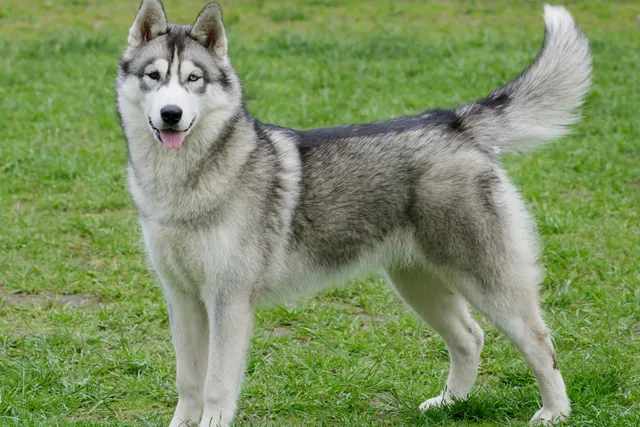
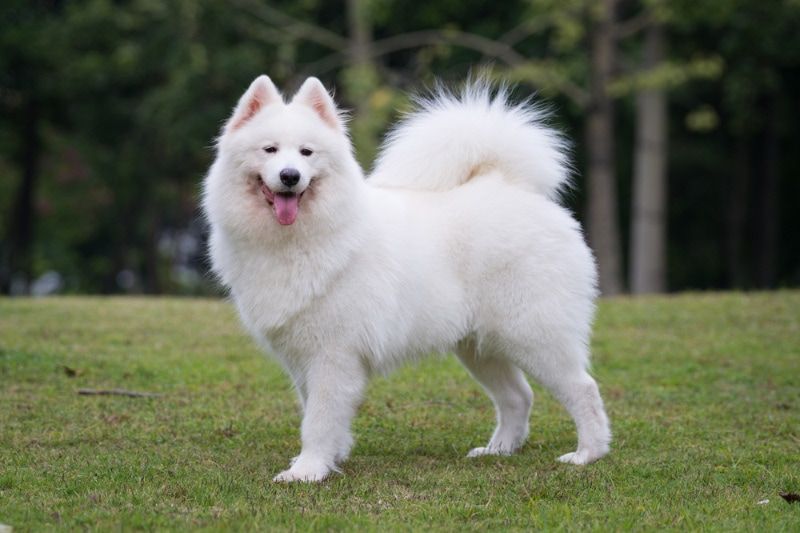
Samoyeds are famous for their gorgeous white fluffy coats and permanent smiles. Due to their origins, they also form strong bonds with their owners. They are from Siberia, where they hunted, pulled sleds, herded reindeer, and snuggled up with their owners in places where the temperature could dip down to -60°F!
If you’ve been thinking about adding a Samoyed to your family, but you have a cat or two, you know that it’s essential that all your pets can live safely and happily together. But do Samoyeds get along with cats? Samoyeds have a high prey drive, and most are prone to chasing cats. But if socialized and raised alongside them and following the right steps during the introduction process, Samoyeds can get along beautifully with felines.
We'll discuss the best ways to introduce your new Samoyed to your cat and how to prevent any problems from arising.

Do Samoyeds Have a High Prey Drive?
Samoyeds got their name from the Samoyedic people (also known as Samodeic people), who were semi-nomadic and traveled with their dogs to Siberia roughly 1,000 years ago. The dogs pulled their sleds and were used as watchdogs and for hunting reindeer, which is where the prey drive comes in. But somewhere down the line, the Samoyede switched the dogs from hunting reindeer to herding them. However, their instincts didn’t go away.
Samoyeds don’t have as high a prey drive as some other breeds, but they are still known for chasing almost anything that moves (including leaves)! This also means they will chase cats, particularly if they haven’t been well-socialized around smaller animals.

The Importance of Socialization
Samoyeds and cats will have higher chances of getting along if they are familiar with them. The best-case scenario is to bring home a Samoyed puppy and introduce them to your cat, who was socialized with dogs as a kitten. Training and socializing an adult dog to accept your cat is possible, but it might be more challenging. Socialization and training are essential for a dog regardless, but even more so when you have cats. When socialization is successful, a Samoyed will get along with your cat.
Socialization is the process of preparing your dog to enjoy interactions with other animals and people, and being comfortable in different environments. Ideally, it should start during the sensitive period, which is between 3 and 14 weeks of age for puppies. The puppy or dog will feel confident, navigate new situations more easily, and be less likely to react out of stress or fear when encountering something unfamiliar.
If you need guidance on training your dog to be around your cat, we suggest you speak to a professional trainer or a vet.
Introducing Your Samoyed to Your Cat
When introducing your Samoyed to your cat, you’ll have the highest chances of success if you follow these steps.
Safe Space
You’ll want to start by setting up a safe space for your Samoyed and cat. Neither pet should be able to get into each other’s space. This also allows your new dog to become acclimated to the new environment.
Introducing your Samoyed to a new home with all the unfamiliar scents, sounds, and other pets will be overwhelming. So, place them in a room where they can get to know their new home and the people who live there before introducing the cat.
Ensure your cat has places they can easily reach that the dog can’t access, such as tall cat trees or shelving that enables the cat to travel around an entire room from up high. Your cat can always feel safe since they will have a place to go to get away from an exuberant puppy.
Basic Training
This might take a while for some puppies, but while the pets are separated, you can start basic training as soon as your dog is 8 weeks old. Aim for “sit,” “stay,” and “come.” This will help when you first introduce your pets.

Separation for Several Days
Separating your pets isn’t always ideal, particularly for the one confined to another room. But it gives you time to train your Samoyed and ensure that all pets are healthy and fully vaccinated. It’s sort of a quarantine.
Scent Swapping
While your pets adjust to the change, you’ll want to start doing scent swapping. This involves taking items that are impregnated with one pet’s scent and introducing them to the other, observing their reaction. First, place the items in their own environment, and then gradually introduce them to areas closer to their resting spots.
This allows your pets to get used to each other’s scent in a non-threatening way, without meeting directly.
Feeding Them at the Door
Place your dog’s and cat’s food bowls on either side of the closed door. They will be able to hear each other, and eating in close proximity will help them associate closeness with each other as a positive thing.

The Meet and Greet
If both pets seem relatively calm during scent-swapping and eating next to each other, you can try a short and supervised face-to-face meeting. However, you’ll want to keep them physically separated at first. Try introducing them to each other just visually, with a baby gate or a glass door between them. You can also put your puppy on a leash.
Keep these meetings short, keep the animals calm, and reward them with treats afterward.
Body Language
If the process goes well, you can remove the barriers but consider keeping your Samoyed on a leash, if you think it is necessary. Try to read your dog’s and cat’s body language. Look out for signs like lip licking, barking, pacing, stiffness, and being overly focused on the cat.
If your cat is hissing with a puffed-up body and tail or is tense with a lashing tail, they are stressed. They should look alert but relatively relaxed and attempt to approach the dog. If either animal appears stressed or fearful, stop the interaction and try again later.
Reduced Supervision
It might take a while to reach this point, but it is essential to take the process as slowly as possible. If your pets seem comfortable around each other, you can reduce your supervision but try to stay close by. You might need to keep them separate when you’re not home, depending on their interactions.
Remember that Samoyeds are intelligent and eager to please, so they are also trainable. If you make it clear as part of their training that you want them to get along with the cat, it might go better than expected. However, no matter how close they get, if you’re away from home for long periods, they should never be left alone with each other.
Keeping Your Samoyed Happy
Obedience classes can help your Samoyed learn essential training and all-important socialization. Samoyeds also need a lot of exercise, as they are highly energetic and active. You should give them a minimum of 1.5 hours daily, but 2 hours is recommended.
The Samoyed isn't ideal for owners who don’t love being outdoors! In addition to a few lengthy, daily walks, you can take them hiking, running, and swimming. Although Samoyeds are not naturally drawn to the water, they can be trained to enjoy swimming if you're a water person. Don’t forget to play with your dog every day!
With all this walking, playing, and otherwise giving your Samoyed something to do, they will be happy and tired and less likely to pester your cat.

Frequently Asked Questions (FAQ)
Should I Feed My Samoyed and Cat Next to Each Other?
This is only recommended during the introductory phase when they eat on opposite sides of a door. Many dogs develop resource-guarding behavior, which can turn aggressive if the cat tries to eat some of your dog’s food. It’s safest to keep the food bowls separate to avoid any competition.
Why Do Samoyeds Like to Chase Cats?
For most Samoyeds, even ones that get along well with cats, the instinct to give chase when they see a smaller animal running is powerful. Samoyeds were hunting and herding dogs, so chasing anything, whether a reindeer, a ball, or a squirrel, is ingrained. This instinct can even override a well-trained dog.
Is It Okay If My Samoyed Chases My Cat?
Under no circumstances should you allow your Samoyed to chase your cat. The cat will likely run out of fear, and even if the dog has no bad intentions and is just playing, as long as the cat is afraid, it is a stressful activity for them.
That is where training will come in handy. Use commands like “stop” and “come” to interrupt the chasing. Reward your dog when they obey.
Do Samoyeds Get Along With Other Dogs?
Samoyeds are Spitz dogs, which means they are well-suited to cold climates. Since they were bred to pull sleds, they are used to working alongside others. The Samoyed is known to get along well with other dogs, so if you have multiple dogs, the Samoyed should fit in quite nicely. They also get along well with strange dogs at the dog park.

What If My Samoyed Never Gets Along With My Cat?
This is when you might want to get the help of a professional. If you believe that there is a chance that your cat and dog can peacefully coexist, but you need help, speak to your vet and find an animal behaviorist.
With the aid of a professional, you will be far more likely to ensure a successful bond between your Samoyed and cat or at least create a safer situation. But in some cases, particularly if you've brought home an adult Samoyed that hasn't been introduced to cats before, it might be a lost cause, and you'll need to make a hard decision.
Conclusion
Samoyeds are known for their social and affectionate nature, but they enjoy chasing cats unless their owners take the time to properly introduce them and provide the right training and socialization. Some Samoyeds may never accept the cat, while others will become best friends. However, you will have a greater chance at success if you take your time and are patient when you bring home your Samoyed.
Sources
Featured Image Credit: Chendongshan, Shutterstock
Expert dog care, straight to your inbox
News, insights, expert advice, and everything dog.

No spam — unsubscribe anytime.
By signing up, you agree to our Terms & Conditions and Privacy & Cookies Policy.
How useful was this post?
Click a star to rate. You can leave written feedback afterwards. (We read all feedback.)
Kathryn was a librarian in a previous lifetime and is currently a writer about all things pets. When she was a kid, she hoped to work in a zoo or with wildlife in some way, thanks to her love for animals. Unfortunately, she's not strong in the sciences, so she fills her days with researching and writing about all kinds of animals and spends time playing with her adorable but terribly naughty tabby cat, Bella. Kathryn is hoping to add to her family in the near future – maybe another cat or two and a dog.