How Much Does a St. Bernard Shed? Factors, Coat Type & Tips


In this article
St. Bernard dogs make for wonderful pets and are a great addition to any household. These gentle giants are known for their calm and friendly nature, making them great for families with kids and homes with singles.
In addition to their lovable personalities, St. Bernards are also incredibly loyal and protective, making them perfect for those seeking a loyal and trustworthy canine companion. Their size may be intimidating to some, but their gentle and patient temperament makes them easy to love. One thing is that these dogs have a reputation for shedding. But is this just a myth? Do St. Bernards shed a lot? Yes, St. Bernards tend to shed quite a bit. Keep reading as we explain further.

Do St. Bernards Shed a Lot?
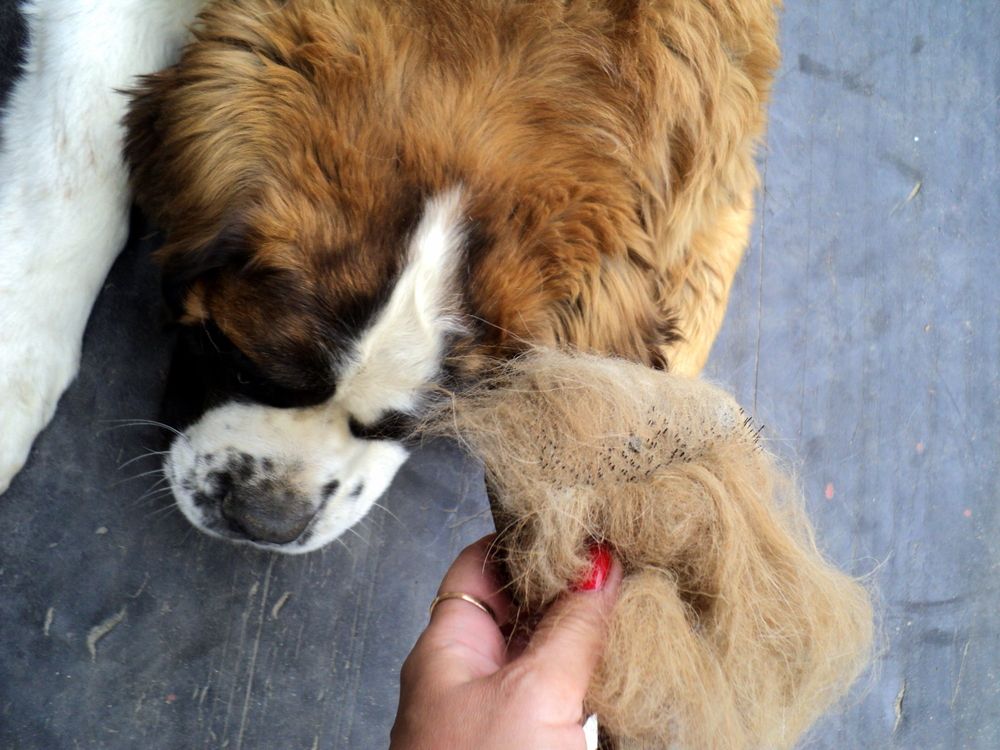
St. Bernards have a soft undercoat and a longer, coarser outer coat. The undercoat is responsible for keeping them warm, while the outer coat provides a protective barrier against the elements. Both coats shed (thus the extra shedding), but the amount can vary depending on the individual dog.
Some St. Bernards may shed more than others, so it's important to consider potential shedding when deciding if this breed is right for you. It's also worth noting that St. Bernards have a higher tendency to shed during certain times of the year, particularly spring and fall, known as seasonal shedding.
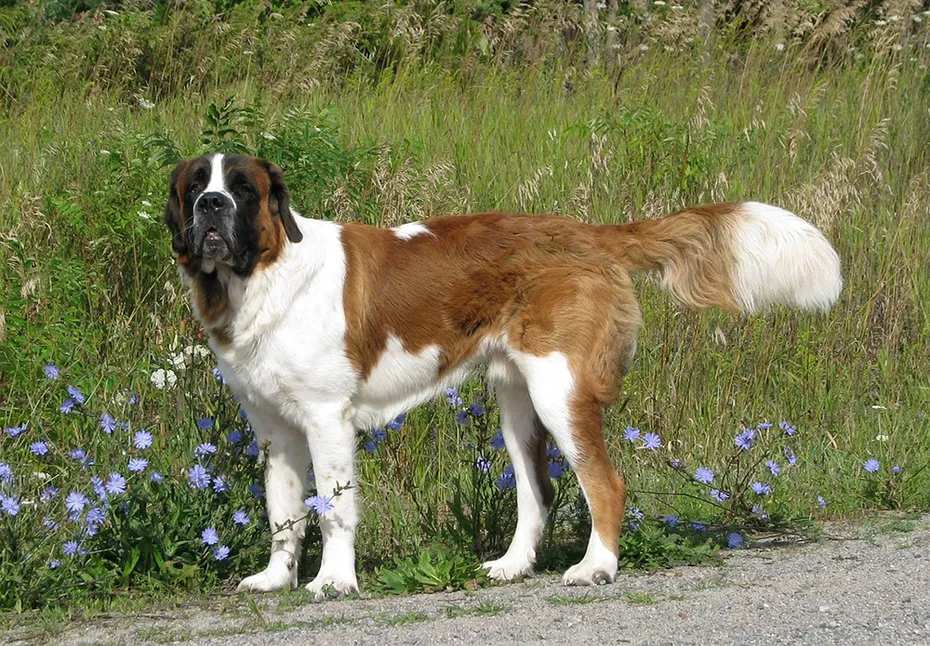

Factors That Affect Shedding in St. Bernards
Several factors can influence the shedding patterns of St. Bernards. Understanding these factors can help you manage your dog's shedding more effectively and make the best choices for their care. Here are some key factors to consider.
Coat Type
St. Bernards are known for their double coat, which consists of a soft undercoat and a longer outer coat. This double coat serves as insulation, keeping the dog warm in cold weather. However, both coats do shed, with the undercoat shedding more than the outer coat. This shedding is actually a very natural process for all canines (and mammals), as it helps them get rid of damaged or old fur.
Regular grooming can help manage the shedding by removing loose hair and preventing mats or tangles from forming. The length and density of the outer coat can also play a role in shedding. Dogs with longer and thicker coats may shed more than those with shorter coats. This is because longer and denser coats simply have more hair to shed.
Health
A healthy St. Bernard will have a healthier coat, which can reduce excessive shedding. Regular veterinary check-ups are crucial in identifying any underlying health issues that may affect the condition of the coat. During these check-ups, the vet can address any concerns and provide guidance on maintaining a healthy coat. Also, a balanced diet is essential for a St. Bernard's coat health.
Providing the right nutrients through high-quality dog food can help keep the coat shiny and reduce shedding. Finally, proper grooming is essential in maintaining a healthy coat. Regular brushing helps remove dead hair and prevents matting, which can lead to skin irritation and infection (especially from fleas and ticks). Grooming also allows for early detection of any skin issues that may affect the coat's condition.
Age
Puppies and older dogs may shed more than adult dogs. Puppies are still developing their adult coats, which can result in increased shedding. Older dogs may shed more due to age-related factors such as hormonal changes or underlying health issues.

Environment
Environmental factors can also affect how much your St. Bernard sheds. For example, dogs that spend lots of time outdoors may shed more because of exposure to the elements. Additionally, temperature, humidity, and seasonal changes can all influence shedding patterns. Due to these seasonal changes in the US, St. Bernards shed especially heavily during the spring and autumn but will shed year-round.

The 3 Tips for Managing Shedding in St. Bernards
While you can't eliminate shedding in St. Bernards completely, there are several tips and techniques you can use to manage it effectively. So here are some strategies to help keep shedding under control.
The shedding process is a natural part of a dog's life, as it helps them to get rid of old or damaged fur and make way for new hair growth. But excessive shedding can be a tell-tale sign of underlying health conditions or insufficient grooming habits.
1. Regular Grooming
Regular grooming is essential for managing shedding in St. Bernard dogs. This breed has a thick double coat that requires regular brushing to remove loose hairs and prevent matting. Using a slicker brush or a deshedding tool can be effective in removing loose fur from the coat. It's recommended to brush the St. Bernard at least 2-3 times per week, but during shedding seasons, daily brushing may be necessary to keep the hair under control.
2. Proper Nutrition
Another tip for managing shedding in St. Bernard dogs is to ensure they have a balanced diet. A healthy diet rich in essential nutrients, such as protein and omega-3 fatty acids, can promote healthy skin and coat condition, reducing excessive shedding. Pet owners should consult with a veterinarian to determine the best diet for their St. Bernard and consider adding supplements if necessary.
3. Bathing When Necessary
Regular bathing can also help in managing shedding in St. Bernard dogs. Bathing helps to remove excess hair and keep the coat clean and healthy. However, you shouldn't over-bathe the St. Bernard, as this can strip the natural oils from their coat and lead to dry skin and increased shedding. It's recommended to bathe the St. Bernard every 6–8 weeks or just as needed.
If you are looking for the perfect, pet-friendly shampoo and conditioner combo, we highly recommend the products by Hepper. With a soothing oatmeal shampoo, free of soaps and other harsh chemicals, and a cucumber and aloe-scented conditioner, your pet's skin and coat will be smooth, hydrated, and irritation-free.
| Image | Product | Details | |
|---|---|---|---|

|
Hepper Oatmeal Pet Shampoo |
|
Check Price |

|
Hepper Pet Conditioner |
|
Check Price |
At Dogster, we’ve admired Hepper for many years, and decided to take a controlling ownership interest so that we could benefit from the outstanding products of this cool pet company!
4. Address Health Concerns
In addition to grooming and diet, it is crucial to address any underlying health issues that may be contributing to excessive shedding in St. Bernard dogs. Hormonal imbalances, allergies, or skin infections can all cause increased shedding. If a pet owner notices excessive shedding accompanied by other signs such as itching, redness, or hair loss, it is advisable to consult with a veterinarian for a proper diagnosis and treatment plan.

Grooming Tools for Reducing Shedding in St. Bernards
Grooming is an essential aspect of caring for St. Bernards, as one of the most common issues faced by their owners is excessive shedding. Let's look at some grooming tools available that can help reduce shedding in St. Bernards and keep their coats looking healthy and shiny.
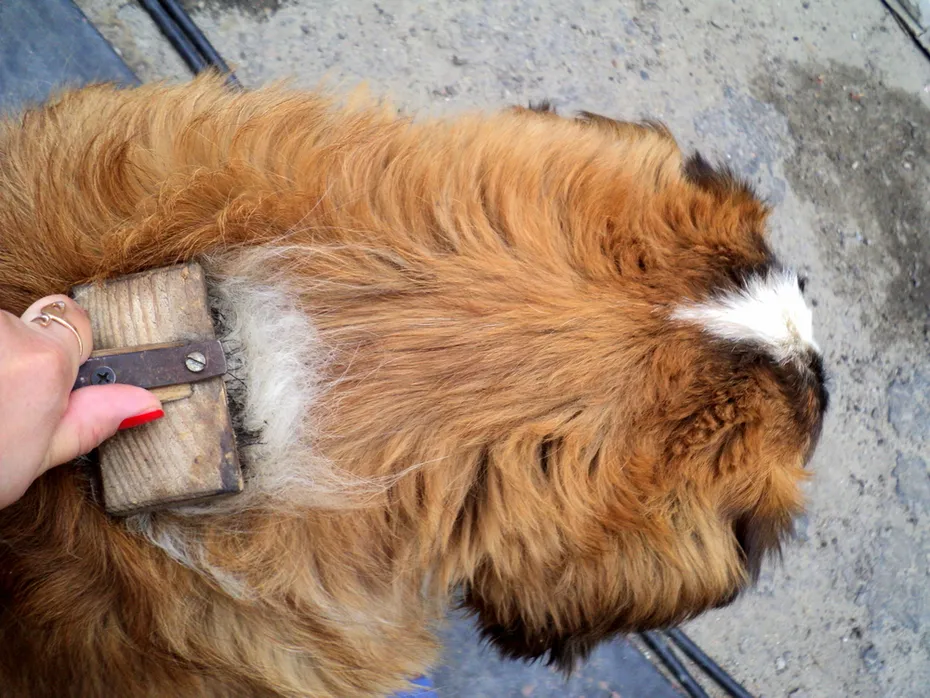
Deshedding Brush
One of the most effective grooming tools for reducing shedding in St. Bernards is a simple deshedding brush like the Furminator. These brushes sort of look like mini hand-held rakes and are specifically designed to remove loose and dead hair from the undercoat, which is the main culprit behind shedding in most dogs – though these dogs shed both coats.
The deshedding brush has fine bristles that reach deep into the coat, effectively removing loose hair without causing any discomfort to the dog. Regular brushing with a deshedding brush can significantly reduce shedding in St. Bernards, as it helps to remove the loose hair before it has a chance to fall out on its own.
An undercoat rake may also be helpful to remove the extra fluff in the undercoat, leaving behind a shinier, lighter topcoat.
Slicker Brush
Another useful grooming tool for reducing shedding in St. Bernards is a slicker brush. Slicker brushes have a paddle shape with fine, short wires that are close together, making them ideal for removing tangles, mats, and loose hair from the topcoat specifically. Regular brushing with a slicker brush not only helps to reduce shedding but also keeps the coat looking neat and tidy.
It's important to be gentle while using a slicker brush, as St. Bernards have sensitive skin. Brushing in the direction of hair growth and avoiding excessive pressure will prevent any discomfort or skin irritation.
The 3 Common Misconceptions About St. Bernard Shedding
There are a lot of misconceptions that are spread regarding these dogs and their shedding. Let’s address some of the most popular ones:
1. St. Bernards Are Hypoallergenic
As mentioned earlier, St. Bernards are not hypoallergenic. They shed like any other dog breed, and their shedding can potentially trigger allergies in sensitive individuals. If you’re looking for a hypoallergenic or low-shedding dog, Labradoodles are a possible option to consider – and note that no dog is fully hypoallergenic.
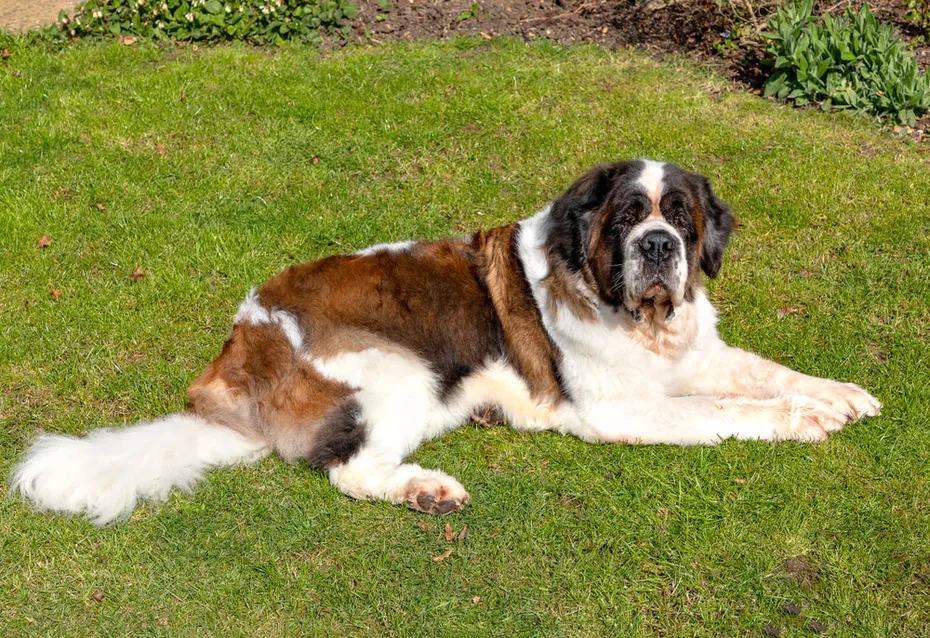
2. Shaving Will Reduce Shedding
Shaving your St. Bernard may seem like a quick solution to shedding, but it can do more harm than good. Your St. Bernard's coat provides insulation and protection, and shaving can disrupt their natural cooling and warming mechanisms. Consult with a professional groomer or veterinarian before considering shaving your St. Bernard.
3. Bathing Frequently Reduces Shedding
While regular baths are important for overall coat health, excessive bathing can dry out your St. Bernard's skin and lead to more shedding. Stick to a bathing schedule recommended by your vet or groomer to maintain a healthy balance.
Wrapping Things Up
St. Bernards are lovable, gentle giants that bring joy to many families. However, it's important to be aware of their shedding habits before bringing one into your home. St. Bernards have a thick double coat that sheds year-round, with some periods of more intense shedding. Understanding the factors that influence shedding and implementing proper grooming techniques can help you manage shedding effectively and keep your home and sweaters as dander-free as possible.
Sources
Featured Image Credit: Rita_Kochmarjova, Shutterstock
Expert dog care, straight to your inbox
News, insights, expert advice, and everything dog.

No spam — unsubscribe anytime.
By signing up, you agree to our Terms & Conditions and Privacy & Cookies Policy.
How useful was this post?
Click a star to rate. You can leave written feedback afterwards. (We read all feedback.)
Nicole has loved animals of all sizes her whole life so it's no wonder she has dedicated her career to helping them through what she loves best: learning, writing, and sharing knowledge with others. She’s the proud mom of two dogs, a cat, and a human. With a degree in Education and 15+ years of writing experience, Nicole wants to help pet parents and pets around the planet to live happy, safe, and healthy lives.