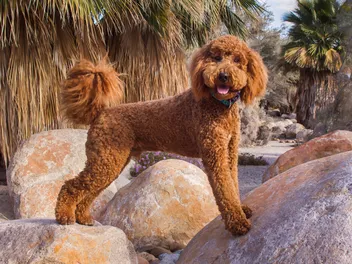
How Much Do Labradoodles Smell? Possible Causes & Solutions (Vet Reviewed)
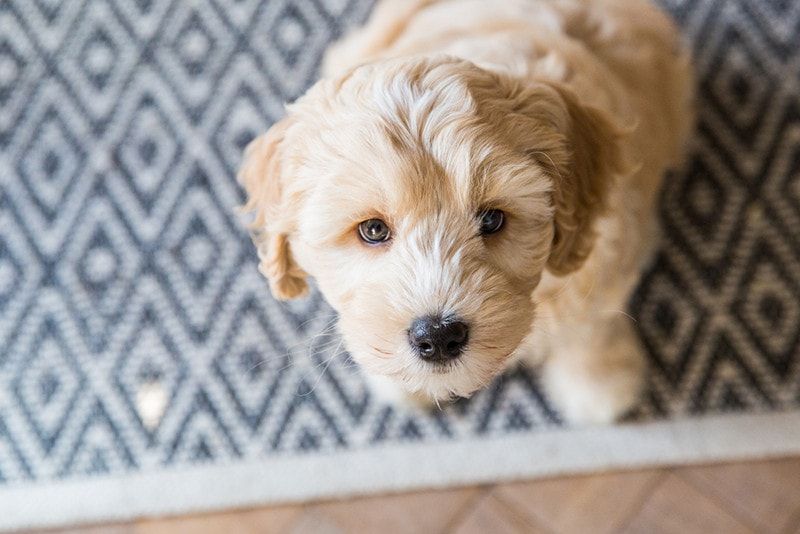
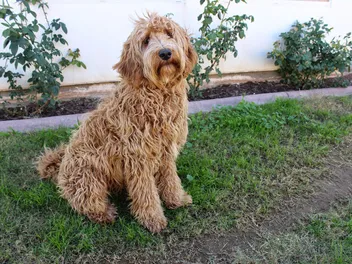
As a new Labradoodle owner, nothing is more off-putting than a foul odor from your dog. Sure, all breeds may give off a unique odor, but Labradoodles can have different coat types (curly, wavy, or straight), which can influence odor retention, along with factors like skin health and grooming
However, Labradoodles’ smell can be mild and not too overwhelming or offensive as far as stinky dogs go. Read on to learn why Labradoodles might stink and what you can do to ensure your dog always remains clean and fresh.

Why Do Labradoodles Smell?
Labradoodles might smell due to factors such as coat type, skin health, grooming, and underlying medical conditions that make them more pungent. Moreover, they love spending time outdoors, which may increase exposure to environmental allergens, moisture, and debris that can contribute to odor.
Besides their active lifestyle, there are several other reasons why a Labradoodle might smell, as seen below.
1. Ear Infections
Generally, all Doodles are predisposed to ear infections due to a combination of factors, including hair growth within the ear canal, reduced airflow, and moisture retention. Poodles have internal ear hair, which can easily block airflow, thus causing moisture and bacteria to build up in the canal. If it accumulates for a while, it can cause ear infections and emit a nasty smell inside your Labradoodle's ear canal.
Not only that, but Labradoodles also have floppy ears that are more likely to trap moisture and debris inside. Fortunately, you can prevent this issue by regularly checking and cleaning your Labradoodle's ears as needed.

2. Allergies
Labradoodles can also be stinky due to allergic reactions from a new diet, new dog shampoo, or an extreme reaction to a flea infestation. Since fleas are most active during the summer, you should groom and pay close attention to your dog's coat as you check for fleas. These notorious parasites are known to latch onto dogs, and once their saliva gets into the Labradoodle's bloodstream, it can trigger an allergic reaction in some dogs. This is known as flea allergy dermatitis.
You can tell that your Labradoodle suffers from a flea allergic reaction if you notice intense itching, skin redness, hair loss, scabbing, or secondary skin infections.
3. Dental Issues
Generally, all dogs are susceptible to bad breath. Foul breath due to dental issues is often a result of plaque buildup and bacteria getting trapped along the gumline. Thankfully, daily brushing can help reduce plaque accumulation.
But if the plaque progresses into tartar or calculus, your dog will need a professional cleaning from a vet. However, you can prevent foul breath and other dental issues by brushing your dog's teeth and providing chew toys or dental treats.

4. Excessive Gas
Another common culprit for a bad odor emanating from your dog is gas, which is often associated with the dog's diet. If your dog is gassy for an extended period or frequently passes foul-smelling gas, it may indicate dietary intolerance, poor digestibility, rapid diet changes, or underlying gastrointestinal disease.
A vet can help you develop a healthy diet for your pup and examine them to determine why they're gassy.
5. Anal Glands
If you notice a strong and fishy smell, it is not normal and is probably due to issues in the anal glands. If your Labradoodle is experiencing issues with their anal glands, they might appear to be in pain while sitting down, have swelling in the affected area, or even attempt to bite or lick their behind, and may also scoot their rear on the ground or show signs of infection, such as discharge or redness.
6. Dirty Coat
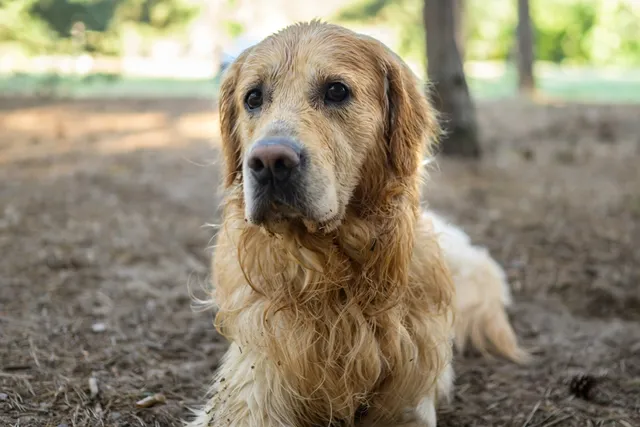
While this may seem like an obvious cause for any dog's stinky nature, it is more pronounced in Labradoodles because they are notorious for spending most of their time rolling around in muddy water and getting dirty.
If the foul odor comes from your dog’s coat, you will notice the wet dog smell. This is commonly caused by moisture interacting with naturally occurring skin microorganisms such as bacteria and yeast.
In most cases, you can get rid of the foul smell by bathing your Labradoodle and performing basic grooming practices, while avoiding overbathing, which can disrupt the skin barrier and contribute to odor or skin issues. If your dog develops a yeast overgrowth, your veterinarian may recommend a medicated shampoo as part of treatment.

How to Prevent or Stop Your Labradoodle From Smelling
To successfully prevent and eliminate the pungent smell in your Labradoodle, you first have to determine the root cause of the problem. If the smell arises from medical issues, it is pertinent that you take your dog to the vet for further analysis.
Otherwise, there are several things that you can do at home to prevent it. They include:
Proper Grooming Practices
Grooming is undoubtedly one of the most effective ways to get rid of the pungent smell from a dog, and it will go a long way toward preventing the odor in the future. Proper grooming techniques for the Labradoodle involve brushing their coat with a high-quality brush to remove debris and mats.
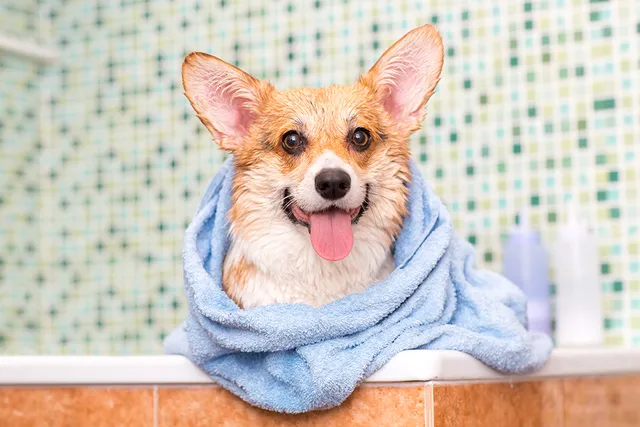
After brushing, consider giving your dog regular baths. While some dog owners bathe their dogs once or twice a year, experts recommend you give them a good wash every 4–6 weeks or as needed based on coat type, lifestyle, and skin health. Sure, some dogs may not enjoy being bathed, but most eventually become comfortable with the process.
After bathing your dog, make sure you dry their coat completely. Using a soft towel is ideal, but you can also use a hair dryer on the low setting if your dog tolerates it, taking care to avoid overheating or stressing the dog.

Air Fresheners
Once your dog is groomed and your house is clean, you can use an air freshener to remove any lingering odors, though these products mask odors rather than addressing the underlying source. You can also use an air purifier to clean the air and remove airborne particles such as dander, dust, and some allergens.
Clean Your Dog’s Favorite Areas in Your House
Once you have finished grooming, you can proceed to post-grooming practices such as house cleaning. It's best to vacuum or sweep your house to remove any leftover hair from the initial grooming.
Even though some dog owners might underestimate the overall value of regular hair removal and vacuuming, if combined with daily grooming practices, it will go a long way toward reducing environmental odors associated with pet dander, hair, and microorganisms.


Conclusion
Labradoodles may develop noticeable odors when factors such as coat care, skin health, dental hygiene, diet, or underlying medical conditions are not properly managed. Maintaining a consistent grooming routine, providing appropriate dental care, feeding a balanced and well-tolerated diet, and monitoring for signs of skin, ear, or anal gland issues can help minimize unwanted smells. If a persistent or unusual odor develops, a veterinary evaluation is important to identify and address any underlying health concerns.
Sources
Featured Image Credit: Angeline Dobber, Shutterstock
Expert dog care, straight to your inbox
Vet-reviewed advice, training tips, and the best of Dogster. Free, and you can unsubscribe anytime.
By signing up, you agree to our Terms & Conditions and Privacy & Cookies Policy.
Nicole has loved animals of all sizes her whole life so it's no wonder she has dedicated her career to helping them through what she loves best: learning, writing, and sharing knowledge with others. She’s the proud mom of two dogs, a cat, and a human. With a degree in Education and 15+ years of writing experience, Nicole wants to help pet parents and pets around the planet to live happy, safe, and healthy lives.
Join the conversation
Ask a question, share your story, or send private feedback.