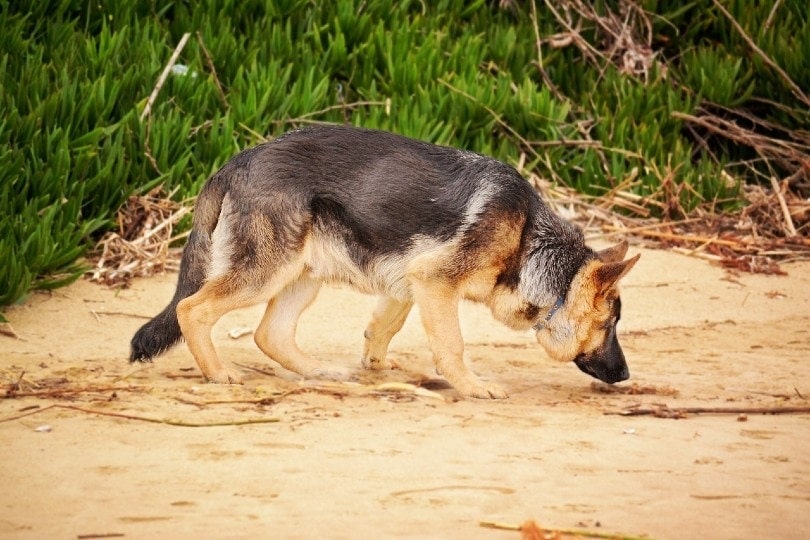
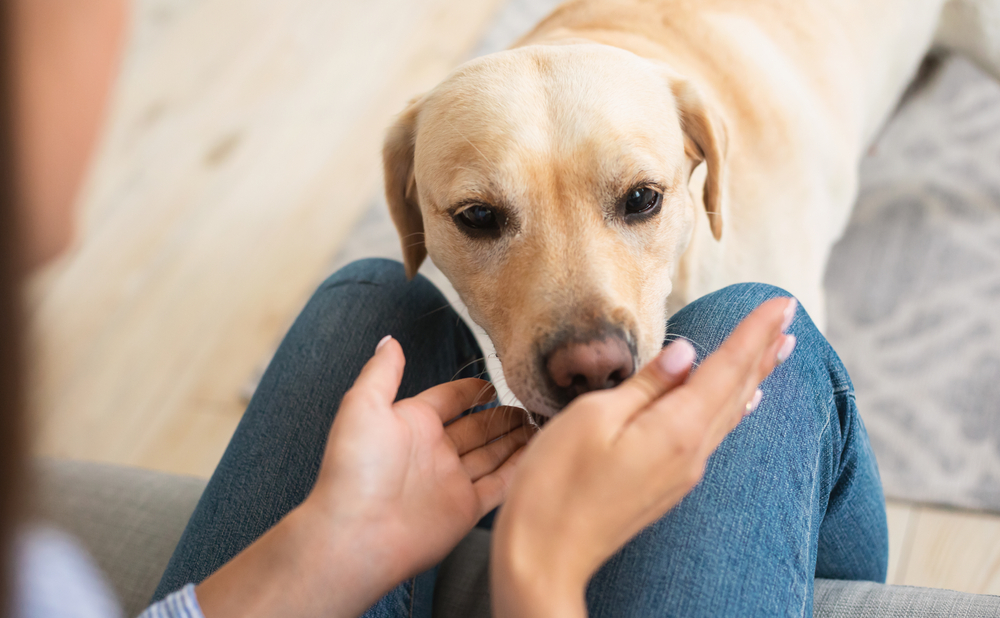
12 Vet-Approved Facts About Your Dog’s Sense of Smell
Dogs are amazing animals, hence why they have become so heavily entrenched in human life. As well as being companion animals, they have worked alongside people for millennia.
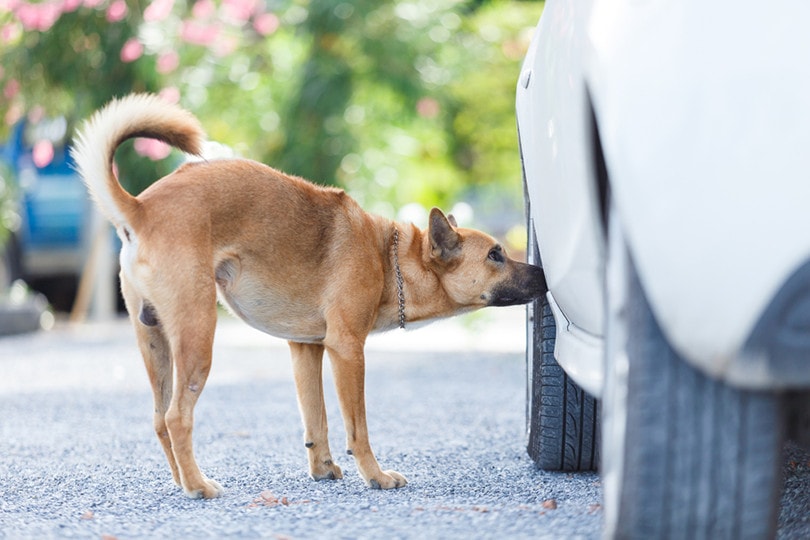
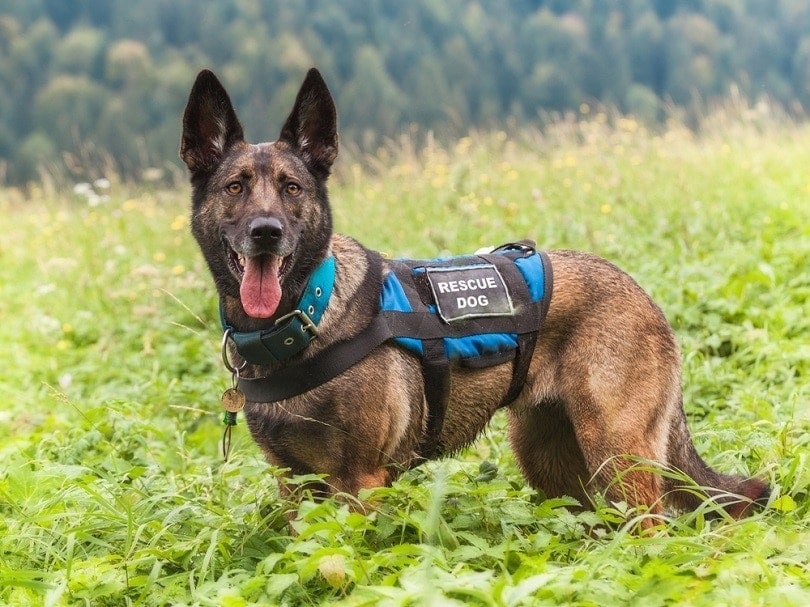
Dogs have been used to work on farms, herding livestock as well as protecting them. They have also been used for hunting, thanks to their keen senses of sight and smell. Their ability to smell underground and strong drive to work has also made them useful as rescue dogs, and their ability to be able to differentiate different smells has seen them work as sniffer, drug detection, and explosive detection dogs. Medical alert dogs can detect impending medical episodes from conditions such as diabetes or POTS (postural orthostatic tachycardia syndrome). Medical detection dogs can even be trained to sniff out certain cancers!
Below are 12 facts related to your dog’s sense of smell and how impressive it really is.

The 12 Facts About Your Dog’s Sense of Smell
1. Dogs Have 50 Times as Many Scent Receptors as Humans
Scent receptors are part of the olfactory system. Odor molecules bind to the receptors and send messages to the olfactory bulb in the brain. The more receptors there are, the more accurate the sense of smell. Therefore, more receptors make it possible to pick up fainter and more distant smells while also being able to differentiate between a greater range of smells.
Dogs have approximately 20–50 times as many of these receptors as humans do, which is why they have a much more advanced sense of smell than us.

2. Their Sense of Smell Is 10,000 to 100,000 Times Better Than Ours
It is difficult to judge exactly how much better a dog’s sense of smell is compared to that of humans. Taking into account how far a dog can smell, how little an aroma is needed to be able to determine a smell and its source, and how many distinct aromas dogs can detect, experts estimate that a dog’s sense of smell is between 10,000 and 100,0000 times better than a human’s sense of smell.1
3. Bloodhounds Have the Best Sense of Smell
Some breeds have even more highly developed olfactory senses than others. Breeds like Beagles, which were bred to hunt by scent, have some of the best senses of smell. But it is the Bloodhound that is thought to have the best nose.2 They have 300 million olfactory receptors, more than any other breed. This means that they can identify a single smell in a world full of aromas.

4. Brachycephalic Dogs Have the Worst Sense of Smell
Dogs with squat noses have brachycephalic facial features. These features are caused by genetics and are intentionally bred into the dogs. As well as potentially causing lots of health problems, brachycephalic features can also impede a dog’s ability to smell.3
Brachycephalic dog breeds include Boxers, Bulldogs, Pugs, Shih Tzus, French Bulldogs, and Boston Terriers.
5. Some Dogs’ Ears Help Them Smell
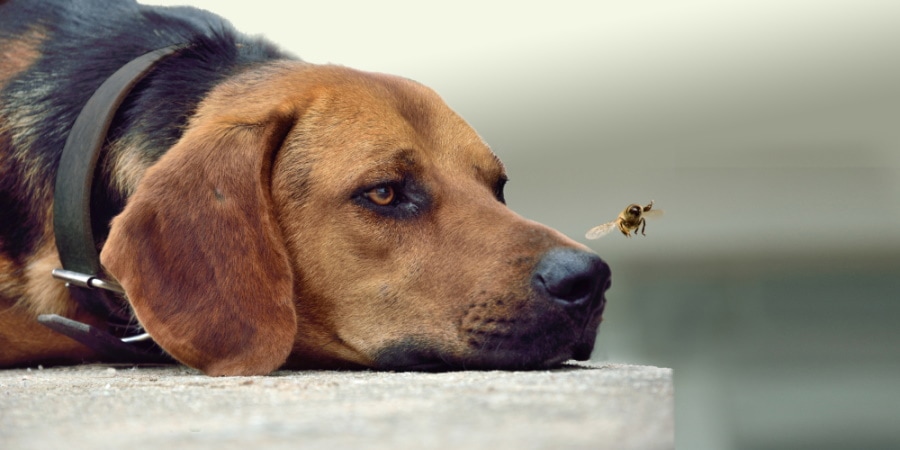
It isn’t just a dog’s nose that helps it smell. Other features can also assist in scent detection and even differentiation. Some scent hounds, like Bloodhounds, that follow scents along the ground, for example, use their ears to aid their incredible noses. The ears drag on the ground and are thought to effectively whip up the scent aromas into the dog’s nostrils.

6. Dogs Can Detect Scents Up to 12 Miles Away
As for humans or any other animals, how far a dog can smell a scent depends on a lot of factors. The strength and type of smell, how many scent molecules there are, and the weather directly impact smell distance. Dogs will naturally find it more difficult to be able to detect a scent through other strong scents.
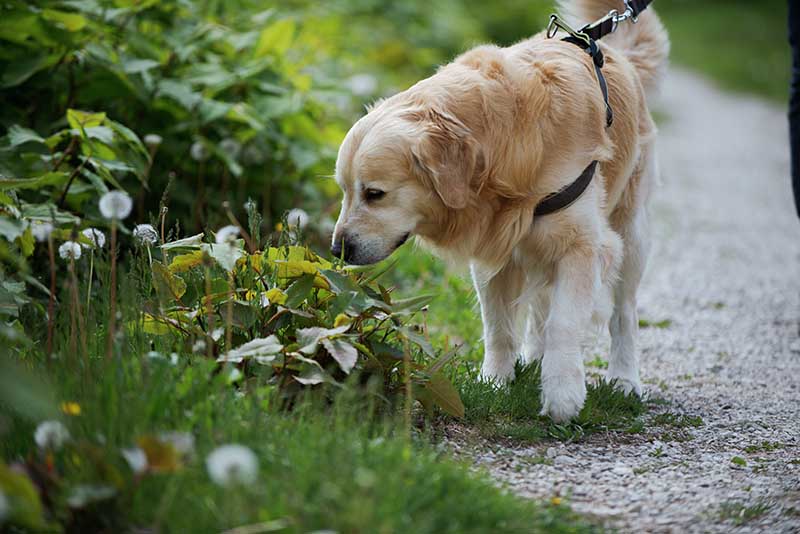
In ideal conditions, dogs may even smell at a range of around 12 miles away. The dog’s ability to smell with each nostril independently also helps them accurately pinpoint where the smell is coming from. This not only helps dogs find their way home, but it is also why dogs make such good hunters and they are effective trackers.
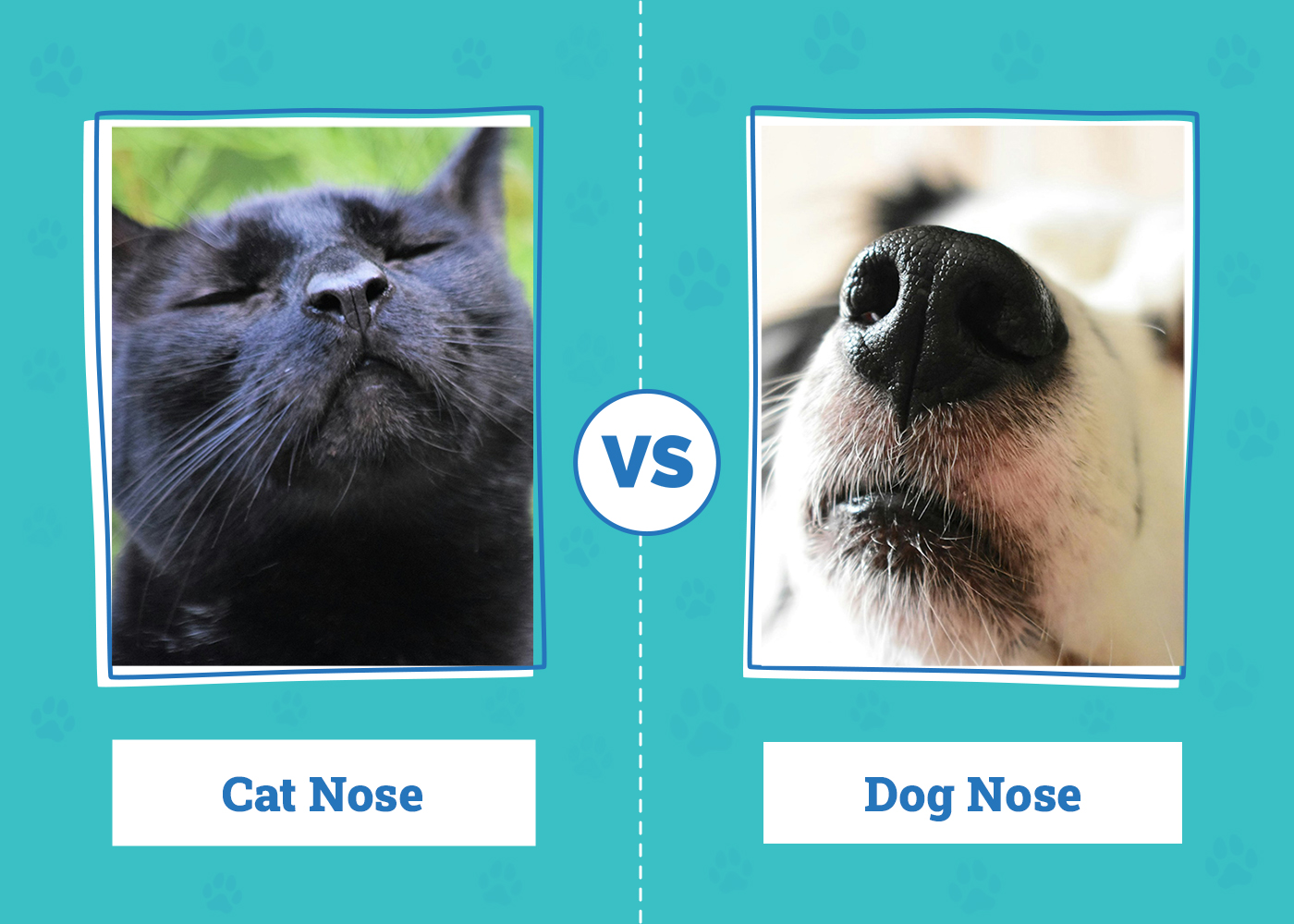
7. Dog Noses Have Different Structures to Human Noses
All air that humans take in through their nostrils, including scent molecules, goes through the windpipe and into the lungs. But around 12% of the air that dogs breathe is directed to olfactory epithelium that detects odors.
They also smell separately with their left and right nostrils with research suggesting that dogs first sniff with the right nostril. If a smell is considered familiar and safe, they swap to the left nostril. If the scent is threatening or new, they continue using the right nostril. This is because different sides of the brain process different types of information related to smells.

8. Dogs Can Smell Stress
We’ve long been told that dogs and other animals can smell fear, but according to experts, acting nonchalant may not be enough to put a dog off the scent. They can detect volatile scents on the breath and sweat of people experiencing stress.
So, while you might act cool and confident on the outside, there’s a chance that dogs can still tell if you’re stressed because they really can smell it on you.
9. They Have an Extra Smelling Organ
Jacobson’s organ (or vomeronasal organ) is a special organ found in the roofs of dogs’ mouths that helps them smell. Specifically, it detects pheromones that cause changes in dogs’ bodies and behavior. This organ is why you will sometimes see dogs open their mouths, or chatter their teeth, when they breathe aromas in.

10. A Dog’s Sense of Smell Deteriorates as They Age
It isn’t that surprising to learn that a dog’s sense of smell can deteriorate as they age. Along with their sense of vision and hearing, the olfactory senses dull over time, so a dog that was once capable of following scents for 10 miles may find their prowess reduced as they reach their senior years. This corresponds to a reduction in olfactory receptors and a change in their structure, which is most prominent in dogs that reach the grand age of 17.
11. A Dog’s Sense of Smell Can Be Used to Detect Disease
While we often think of sniffer dogs as detecting drugs, explosives, or other contraband and illegal items, their amazing sense of smell has also seen working dogs being used to sniff out illness.
In tests, alert dogs can detect cancers including lung, prostate and breast cancer with accuracy. They can also detect seizures and even identify patients with narcolepsy and other conditions.

12. They Recognize Your Smell
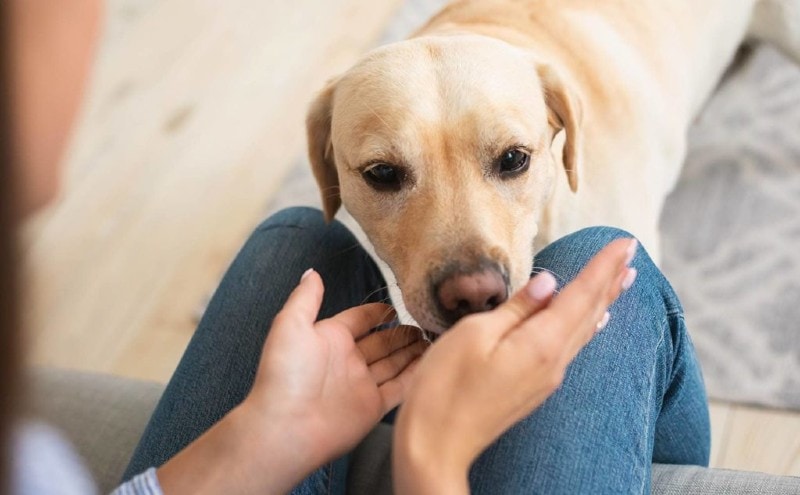
Dogs are not only able to determine if you are stressed from your smell, but they can also recognize the unique smell of people several years after they met them, and they will recognize your odor too. Dogs are more positive towards the scents of happy people, and may become more fearful around stressed scents. In dogs’ brains scent is connected with memory and visual processing; meaning that it is likely smells can trigger memories of certain experiences, as in humans.
Conclusion
Dogs are incredible animals. As well as being great companions that keep their owners company and encourage improved physical and mental well-being, they have long helped people with a wide variety of tasks.
One of the reasons for their widespread use is their incredible sense of smell. As well as helping to make them efficient hunters and defenders, this sense of smell has seen dogs become rescue dogs, sniffer dogs, and even medical alert dogs. It also means they can smell when people are stressed, while remembering people they met many years ago.
See also:
Sources
Featured Image Credit: Pawtraits, Shutterstock
Expert dog care, straight to your inbox
Vet-reviewed advice, training tips, and the best of Dogster. Free, and you can unsubscribe anytime.
By signing up, you agree to our Terms & Conditions and Privacy & Cookies Policy.
Nicole has loved animals of all sizes her whole life so it's no wonder she has dedicated her career to helping them through what she loves best: learning, writing, and sharing knowledge with others. She’s the proud mom of two dogs, a cat, and a human. With a degree in Education and 15+ years of writing experience, Nicole wants to help pet parents and pets around the planet to live happy, safe, and healthy lives.
Join the conversation
Ask a question, share your story, or send private feedback.