In this article
Feeding your dog a well-balanced diet that is suitable for their unique needs is important for their overall health and well-being. So, as dog owners, we want to incorporate the healthiest, most nutritious foods in our pet’s diets, so they are getting everything they need to thrive.
Flaxseeds are a very popular superfood in the human diet, with many benefits packed into a very small serving. The good news is that they can also be good for dogs for many reasons. It’s important that any flaxseed offered to your dog is properly processed and is never raw or unprocessed.

What Is Flaxseed?

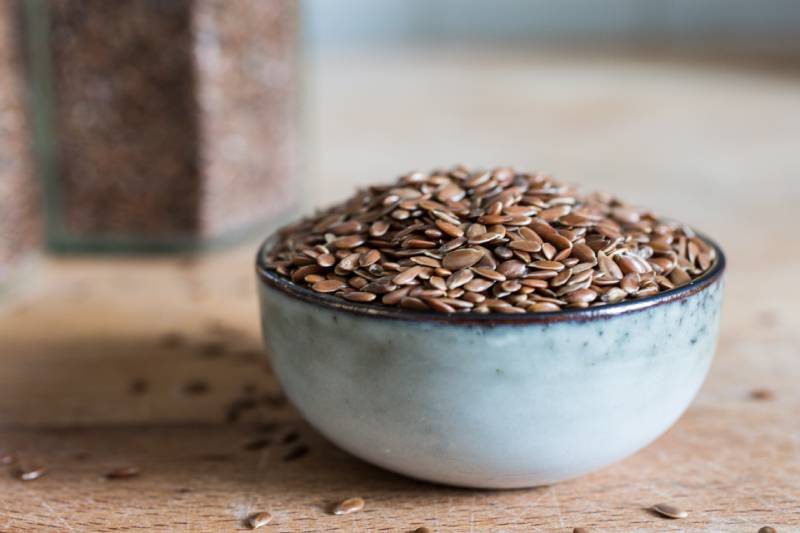
Flaxseeds are very tiny seeds derived from the flax plant. These seeds offer health benefits for humans and dogs alike. They are rich in various nutrients, including omega-3 and omega-6 fatty acids, fiber, protein, and lignan, which are polyphenolic compounds noted for their antioxidant effects.
Because flaxseed is full of essential vitamins and minerals, it supports various bodily functions, making it a great addition to your dog’s diet. A small amount goes a long way, too; only a very small amount will provide these benefits.
The benefits of ground flaxseed are great for dogs of all ages and will help support them from puppyhood all the way into their senior years by aiding in growth and development in the beginning and helping them maintain optimal health as they age.
- Magnesium – Supports many bodily functions, including bone health and cognitive function.
- Choline – Part of healthy liver and brain function.
- Manganese – Aids in nutrient absorption and antioxidant processes.
- Thiamine (vitamin B1) – Supports and helps maintain a normal metabolism and nerve function.
- Phosphorus – Often present in protein-rich foods and aids in bone and tissue maintenance.
- Copper – Important for growth, development, and also a variety of bodily functions.
What Are the Different Types of Flaxseed?
Flaxseed is divided into brown and golden varieties. Although they have very similar nutritional content, there are some slight variances between them, the most significant being the amount of omega-3 fatty acids found in flax oil.
Brown Flaxseed
Brown flaxseed is dark brown and produces a bold, nutty flavor. They are made up of 38% fat, 24.5% protein, and 28% carbohydrates.
Golden Flaxseed
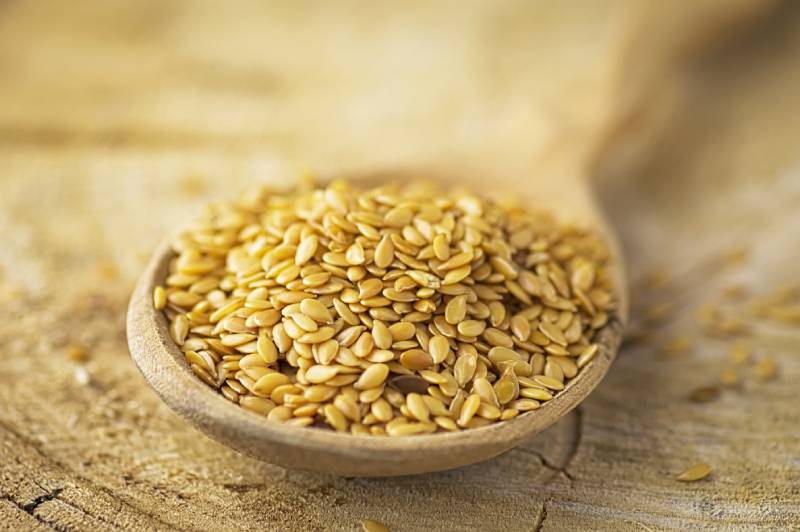
Golden flaxseeds are golden to yellow and feature a lighter, buttery flavor that is a bit sweeter than brown flaxseed. They are made up of 37.5% fat, 23% protein, and 30% carbohydrates. Golden flaxseeds have more alpha-linolenic acid, linoleic acid, and polyunsaturated fatty acids but fewer monounsaturated fatty acids compared to brown flaxseeds.
Whole Flaxseed
Flaxseeds can be purchased as whole seeds, and they are the most shelf-stable. Like many seeds, though, they are more difficult to digest when they are whole because they have an outer layer of cellulose, an indigestible fiber. This protective layer often allows the seeds to pass right through the digestive system undigested, meaning your body can absorb all the benefits.
Ground Flaxseed
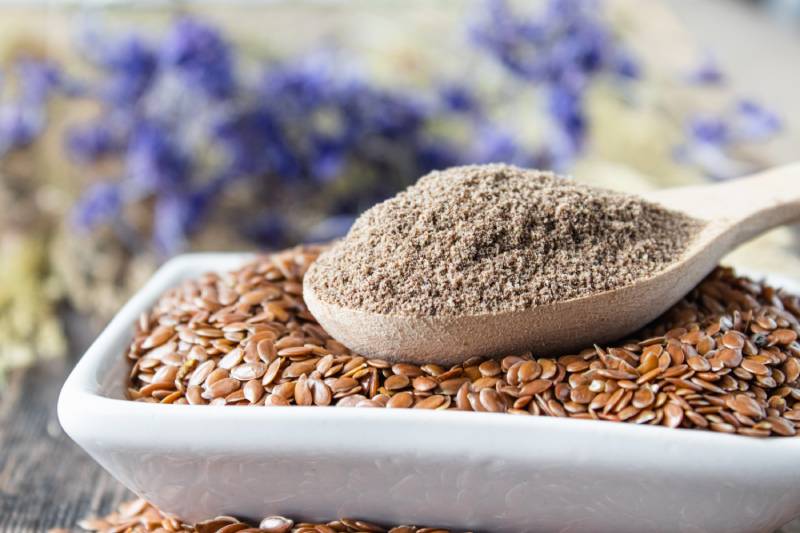
The best way for your dog to reap all the benefits of flaxseed is by offering them ground flax. This is when the whole seeds are soaked, drained, and then ground into a powder. Ground flaxseed is much more digestible and the best way to get all the nutrients it has to offer. Once ground, it is recommended the seeds be refrigerated to prevent them from going rancid. Always follow the instructions on the specific package.

Flaxseed Oil
You can also offer flaxseed oil1, which is when the oils are extracted from the whole seed. Flax oil offers many of the benefits of ground flaxseed, but not all. It is very rich in omega fatty acids but during the extraction, it will lose fiber content and certain vitamins, like B, and minerals like magnesium that are not fat soluble.
How to Feed Your Dog Flaxseed
There are a few ways you can incorporate flaxseed into your dog’s diet, and the way you do so is entirely up to you. Here are the most common ways dog owners choose to add this beneficial superfood:
Offer Food That Already Contains Flaxseed
There are plenty of commercial dog foods on the market that already include flaxseed in their formulas. Remember to check the ingredients list and read the entire label thoroughly when deciding on a specific dog food to make sure it meets your standards.

Add Flaxseed to Your Dog’s Food
You can easily mix in flaxseed with your dog’s food if it does not contain any in the formulation. It is recommended that you mix in ground flaxseed to get the entire scope of benefits that flax has to offer. Mixing in flaxseed oil is also an option if you are just looking to add those omega fatty acids. We don’t recommend adding whole flaxseed only because it is more difficult to digest, and your dog may not be able to reap the benefits.
Bake Flaxseed in Your Dog’s Treats
You can easily use flaxseed as an ingredient in your homemade treats. There are plenty of recipes available online that include some tasty ingredients that your dog will love.
Advantages of Flaxseed
Supports Healthy Digestion
We humans typically add flaxseed to our diets because of the digestive benefits. Since it is very high in fiber, it helps support healthy digestion. Flaxseed is made up of nearly 30% carbohydrates, and 95% of those carbohydrates are fiber. This fiber can be very beneficial to our dog’s digestive systems, too.
To get more specific, flaxseed contains approximately 20% soluble fiber and 80% insoluble fiber. Soluble fiber aids in the overall process of digestion and provides a feeling of being full. Insoluble fiber, on the other hand, adds bulk to the stool and allows for healthier bowel movements.
Supports a Healthy Skin and Coat
Flaxseed contains both omega-3 and omega-6 fatty acids, though it is particularly rich in the omega-3 fatty acid alpha-linolenic acid (ALA). It also supplies linoleic acid, an essential omega-6 fatty acid that is important for healthy skin because it supports barrier function and moisture levels. While the ALA in flaxseed might help lower inflammation and enhance coat shine and health, it is important to note that dogs, unlike humans, are unable to efficiently convert it into the more active omega-3s, EPA and DHA. If you wish your dog to obtain the medical benefits of EPA and DHA, feeding them directly from sources rich in these forms is recommended. However, the ALA in flaxseed can still help improve coat shine and reduce mild skin dryness or irritation.
Aids Immunity
Flaxseed is full of essential vitamins, minerals, and antioxidants that provide full body support. The lignans found in these seeds have some incredible benefits by aiding in cell oxidation and helping the body fight off free radicals, which can lead to disease. They allow for healthier cell function, which ultimately aids your dog’s immune system and long-term, full-body health.
Anti-Inflammatory Properties
Alpha-linolenic acid, or ALA, is the most abundant omega-3 fatty acid found in flaxseed. ALA has a few anti-inflammatory properties by itself, although it is less potent than EPA and DHA, which are primarily found in fish and krill oil.
Disadvantages of Flaxseed
If you incorporate flaxseed properly into your dog’s diet with the recommended dosage amounts, it is very safe. However, too much of anything can be problematic. If you give too much flaxseed to your dog, it could potentially cause nausea, diarrhea, or vomiting. Flax poisoning is very rare but can occur. It is most often observed if dogs ingest raw, unprocessed flax or eat the flax plant itself. This is because they contain cyanogenic glycosides. These compounds can release cyanide, especially if the seeds are chewed or ground and not heat-treated.
- Ingestion of raw or unprocessed flax seed.
- Chewing open and eating a bag of flaxseed, capsules, or a bottle of oil.
- Ingestion of an improperly processed supplement.
- Ingestion of flax plants growing outdoors.
- Feeding your dog excessive amounts of flaxseed.
- Diarrhea
- Vomiting
- Shortness of breath
- Lethargy
- Weakness
- Difficulty walking
- Rapid heart rate
- Paralysis
While flax poisoning is incredibly rare, if your dog has ingested flaxseed and is experiencing any concerning signs, you should contact a veterinarian immediately for further guidance.
Medication Interactions Warning
Always talk to a veterinarian before adding any supplement to your dog’s diet. It is especially important to be wary if your dog takes anticoagulants, blood pressure medications, or insulin, as flaxseed could potentially interact with these medications.
If you need to speak with a vet but can't get to one, head over to PangoVet. It's our online service where you can talk to a vet online and get the personalized advice you need for your pet — all at an affordable price!
Frequently Asked Questions (FAQ)
What’s the Difference Between Processed and Unprocessed Flax?
Raw flax plants have cyanogenic glycosides, which may lead to cyanide poisoning if ingested in large quantities. How flaxseed is processed flaxseed (water soaking or wet autoclaving) significantly reduces the number of cyanogenic glucosides. Dogs should never be offered any unprocessed version of flaxseed or given access to the plant itself.
Can Flaxseed Give My Dog Diarrhea?
It is not uncommon for dogs to experience loose stool when flaxseed is incorporated into their diet. Flaxseed is very high in fiber so not only are loose stools something that can happen, but you may notice your dog having more bowel movements throughout the day. Too much ground flaxseed could also cause significant amounts of bulk in the intestines, which could even lead to constipation in some cases.

What’s the Best Way to Store Flaxseed?
It’s best to store flaxseed in an air-tight container. It may sometimes need to be stored in the fridge, but that isn’t always the case, as it can sometimes be stored in a cool, dark pantry. We recommend reading the storage suggestions on your specific brand for the best storage advice.
Are There Any Risk Factors?
Flaxseed or flaxseed oil should never be offered to pets that are allergic to flax. You should only use reputable brands as your source to ensure the safety and efficacy of the product. Always use caution if your dog is taking any anticoagulant medications since it can increase the anti-clotting effects.
Flaxseed Feeding Guide
Never begin supplementing with flaxseed, flaxseed oil, or any other supplement without speaking to a veterinarian. They will help you assess your dog’s specific health needs and get you on the right track to offering them the best dietary regimen for their health.
Remember that flaxseed and flaxseed oil should only be given in small amounts that are appropriate for your dog’s size. See the table below for the dosage guidelines, but keep in mind that while the table provides safe ranges of ALA, it is always important to consider all factors. For example, a teaspoon of ground flaxseed has only 11-12 kcal, but a teaspoon of oil contains 40 kcal. These extra daily calories can be excessive unless the dog is very active or the rest of the diet is adjusted accordingly. Over time, this could lead to weight gain or dietary imbalance.
| Dog’s Weight | Ground Flaxseed Daily Dose | Flaxseed Oil Daily Dose |
| <20 lbs | 1 tsp | ½ tsp |
| 21–40 lbs | 2 tsp | 1 tsp |
| 41–60 lbs | 1 tbsp | 2 tsp |
| 61–80 lbs | 1 ½ tbsp | 1 tbsp |
| 81+ lbs | 2 tbsp | 1 ½ tbsp |
Conclusion
Flaxseed can be a great supplement to add to your dog’s diet because it is rich in essential vitamins, nutrients, fiber, protein, and essential fatty acids. It can help support immunity, aid in digestion, support healthy skin and coat, and even has some anti-inflammatory properties. Properly processed ground flaxseed from a reputable source will offer the most health benefits. You can easily mix it into your dog’s food or treats or even purchase a high-quality dog food that includes flaxseed in the list of ingredients. If you are planning to supplement with flaxseed oil, remember to account for the extra calories and have a chat with your vet about the necessary adjustments to prevent weight gain.
See also:
- Can Dogs Eat Sunflower Seeds? Vet Approved Nutrition Facts & FAQ
- Can Dogs Eat Poppy Seeds? Vet-Approved Risks & FAQ
Featured Image Credit: Voraorn Ratanakorn, Shutterstock